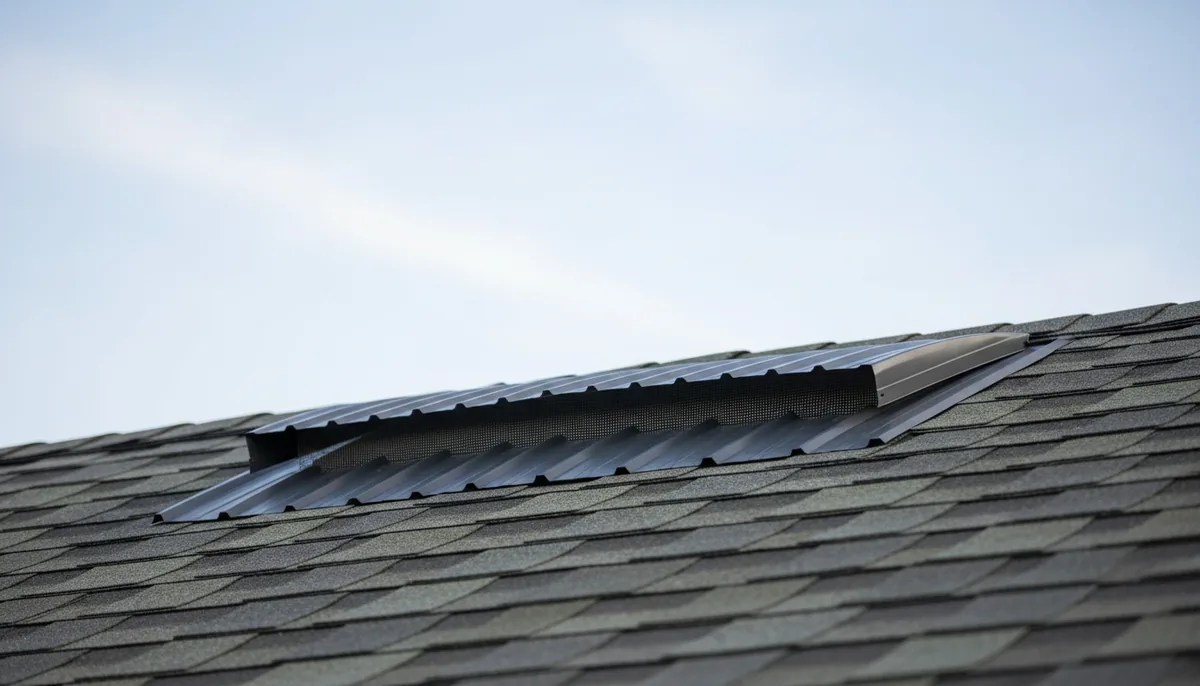
How often should you replace your roof in florida: The Florida Guide
By Dale Prescott, Roofing contractor, Central Florida. Reviewed by Hal Winstead, Editor, licensed roofing contractor.
I was up on a two-story in Ormond Beach last spring, pulling off the last of three layers of old laminate shingles, and the decking underneath was so rotten I could push my thumb through it like wet cardboard. The homeowner had bought the place seven years earlier and was sure the roof was "only about ten years old," except the paper layer under it told the real story — that roof had been re-covered twice without a tear-off, and the wood had been quietly turning to mulch since before the Bush administration. He needed a full deck replacement, not a re-roof, and he needed it right then, in the middle of a warm afternoon with thunderheads building over the Intracoastal.
You're asking the right question if you're wondering how often you should replace your roof in Florida. The answer is never a simple number, because it depends on what's under there, what's on top, and who nailed it down. But if you're already pricing this out, the folks at the roof replacement companies in Florida directory have done the legwork on vetting contractors against the DBPR roll. I'll give you the real-world version from twenty-two years of tearing off what the last guy swore would last thirty.
How long should a roof last in Florida, really?
Call it twenty years for a decent architectural shingle, give or take five years either direction depending on what side of the state you're on. That's the honest answer, and it's probably shorter than what the salesman told you when he talked you into the "lifetime" shingle. That word "lifetime" means the warranty period of the product, not the life of your house, and it's prorated into the dirt after year twelve anyway.
The sun is the enemy. Not the wind, not the rain — the sun. UV radiation breaks down the asphalt in the shingle, and once that granular surface starts shedding into your gutters, the mat underneath is exposed and the clock speeds up. A roof on the west side of a house in Orlando will wear out faster than the same roof on the east side, because that's where the afternoon sun hits hardest. And a roof in Daytona Beach is fighting salt air on top of the UV. I've pulled thirty-year-old shingles off a shaded porch that still had good fiberglass in them, and I've pulled twelve-year-old shingles off an open exposure that crumbled in my hands.
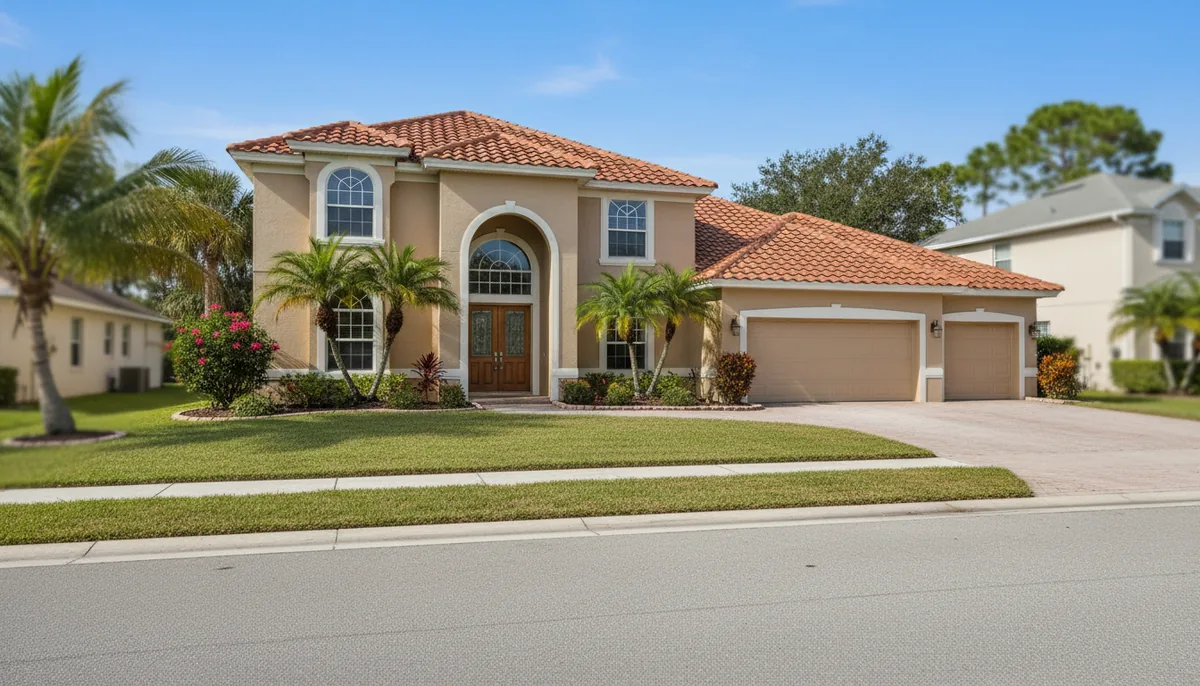
Shingle roof lifespan florida — the real numbers
If you want a straight answer on shingle roof lifespan florida homeowners should expect, here's how I break it down in my head. A basic 3-tab shingle? Fifteen years, and that's if you're lucky and the attic is ventilated right. An architectural or dimensional shingle — the ones with the thicker profile that everyone installs now — call it eighteen to twenty-two years. The premium lines with the fancy warranties? Maybe twenty-five, but I of been wrong about this before, and I'd rather tell you eighteen and have you be pleasantly surprised than tell you twenty-five and have you calling me angry at year nineteen.
And here's the thing nobody mentions: the roof's life depends alot on the quality of the install. I've seen a $40,000 architectural roof fail in eight years because the crew used the wrong nails and didn't seal the field of the shingles. I've seen a cheap 3-tab roof make it to seventeen because the carpenter was carefull and the attic was dry. The wind mitigation inspection will tell you about the deck attachment and the roof-to-wall connections, but it won't tell you wether the guy who installed it actually pulled his nails straight and didn't dimple every shingle.
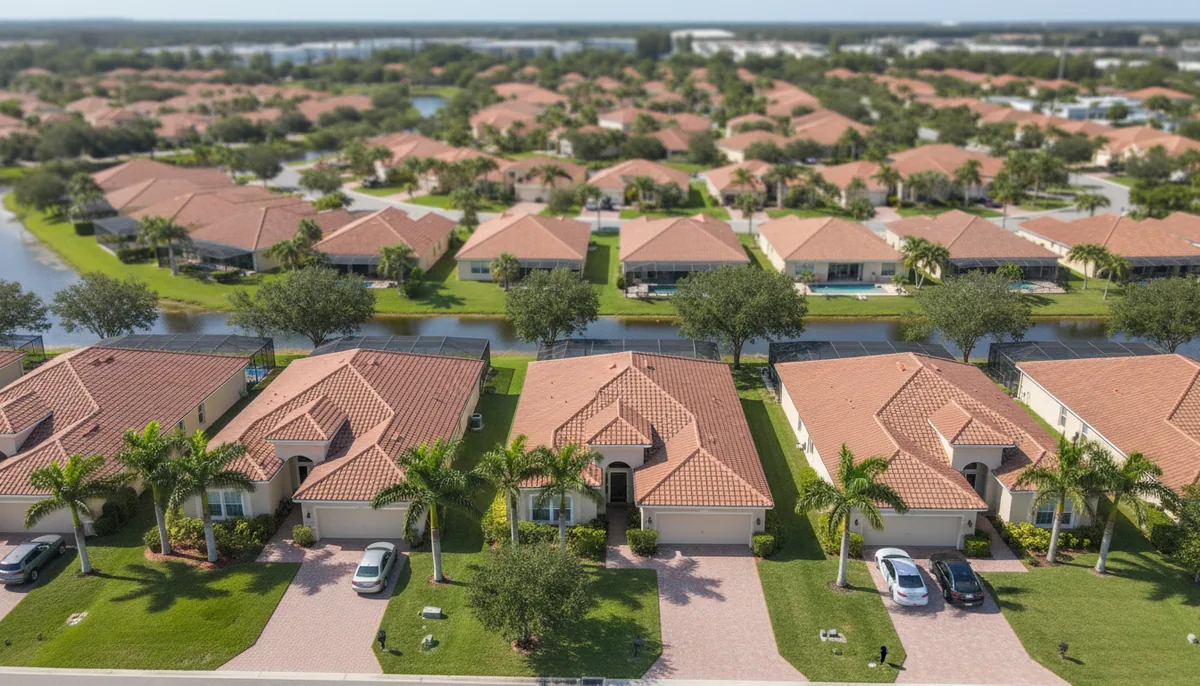
The age of roof and insurance in Florida — this changes things
Here's where the age of roof and insurance in florida question gets complicated, and where the rules changed under SB 4-D (2022). If your roof was built, repaired, or replaced to the 2007 Florida Building Code or any later edition, then an insurer generally can't deny coverage just because the roof is older than some arbitrary cutoff. But if your roof predates the 2007 code — and that code took effect back in March of 2009 — then an insurance company can look at a twenty-year-old roof and say they'll only cover actual cash value, not replacement cost. That's a huge difference when a hurricane comes through and peels the whole thing off.
I get it, this sounds like a carve-out that protects the insurance companies more than you. You're not wrong. My job is just to tell you what I've seen from the roof side. I've been on homes where the adjuster shows up with the policy in hand and the homeowner finds out the hard way that their "replacement cost" coverage turned into "depreciated value minus your deductible" because the roof was 23 years old. Read your declarations page. Read it before the storm, not after. And if your roof is pushing past fifteen years and you're on a homeowner's association board or you live in a wind-borne debris zone, start saving now — that's just arithmetic, not an insurance question.
One more messy layer: when I tear off an old roof in Central Florida, I'm pulling permits from the local building department, and the inspection is non-negotiable. If a contractor tells you they can skip the permit and save you a few hundred bucks, walk away. An unpermitted roof becomes a legal headache when you sell, and it can nullify an insurance claim in a way that makes your head spin. And don't forget the building code with the 25% rule. Before SB 4-D, if you repaired more than a quarter of your roof in a twelve-month period, the building department could force you to bring the whole thing up to current code. Now, if your roof is built to the 2007 code or later, only the section you're actually working on has to meet the new standard. But if your roof is older than that, the old 25% rule can still bite. That's why a contractor should always explain what they're doing and why, and why a good one will pull the permit and show you the plans.
What I would actually do: If you're between fifteen and twenty years on a shingle roof, get a wind mitigation inspection done before you call your agent. The inspector uses form OIR-B1-1802 to document the roof deck, the shingle type, the roof-to-wall connections, and the opening protection, and Florida insurers are supposed to give you a discount for things like a secondary water barrier or hurricane straps. You pay for the inspection once, and it can pay for itself in premium savings every single year. And you'll finally know what you're actually working with.
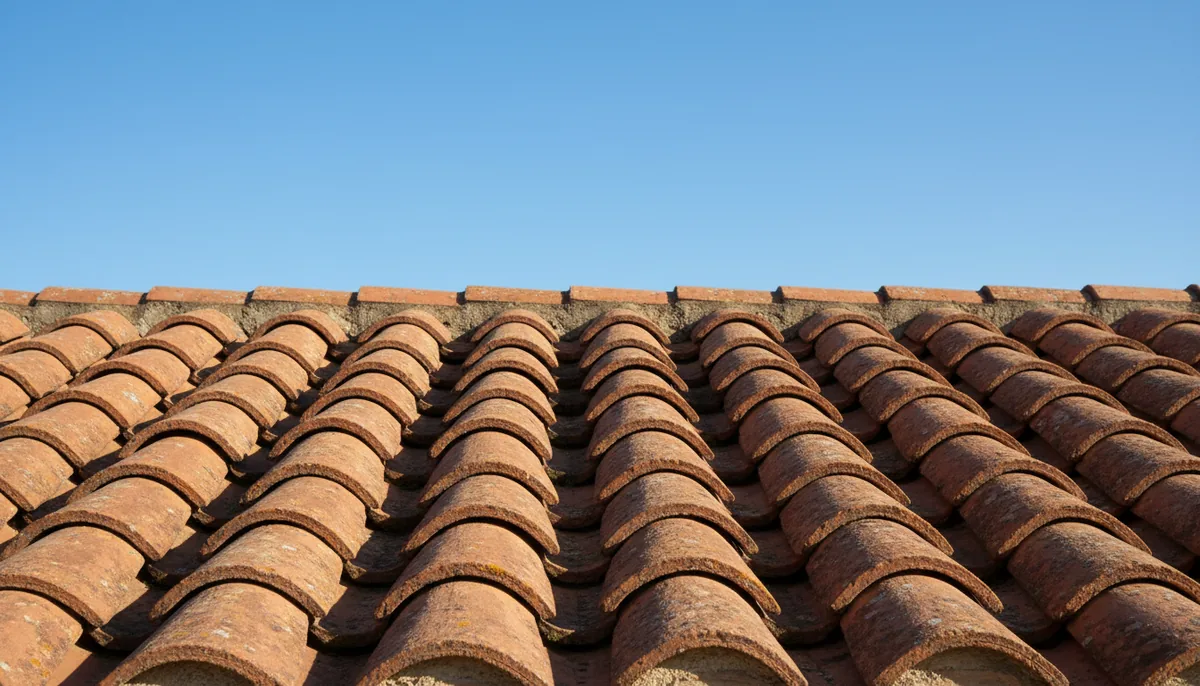
Roof life in florida — what wears a roof out before its time
Let's talk about the stuff that kills a roof long before the shingles themselves give out. Poor attic ventilation is the big one — if your ridge vents are blocked or your soffit vents are painted shut, the heat builds up under the deck and literally bakes the shingles from underneath. I've seen shingles that looked fine from the street but were brittle as chalk on the underside because the attic was hitting 150 degrees every summer afternoon by three o'clock.
And I have to gripe about something here: the number of homeowners who pressure-wash their shingles. I understand you saw a green streak and wanted it gone. But a pressure washer at full blast will strip the granules off a perfectly good architectural shingle faster than ten hurricane seasons. You wash the granules off and you have just turned a twelve-year-old roof into a six-year-old roof. Use a soft wash or just leave the algae alone. It's ugly, but it's not hurting anything structural.
Then there's the tree limb situation — and this is the digression where I shake my head. I had a customer in Winter Park who called me every single spring to "check on the roof" because a giant oak limb hung directly over her ridge line. I told her four years in a row to have the limb cut back before hurricane season. She finally called me in October, not about the limb, but about the hole the limb put through the dining room ceiling during a tropical storm. The limb didn't break the roof. The limb broke the roof, and the water finished the job. Sometimes the cheapest fix is the one you don't want to pay for.
What I would actually do: Before I even quoted a repair, I'd get a ladder and look at the decking from the attic side if I could. It costs you nothing to have your roofing contractor do a quick attic check for water stains or bright spots where daylight is coming through. If the wood is wet or stained, patching the shingles is just putting a Band-Aid on a bullet hole. You need to find out how far the rot has spread before you agree to any price.
Questions I get asked
How long does a metal roof last in Florida?
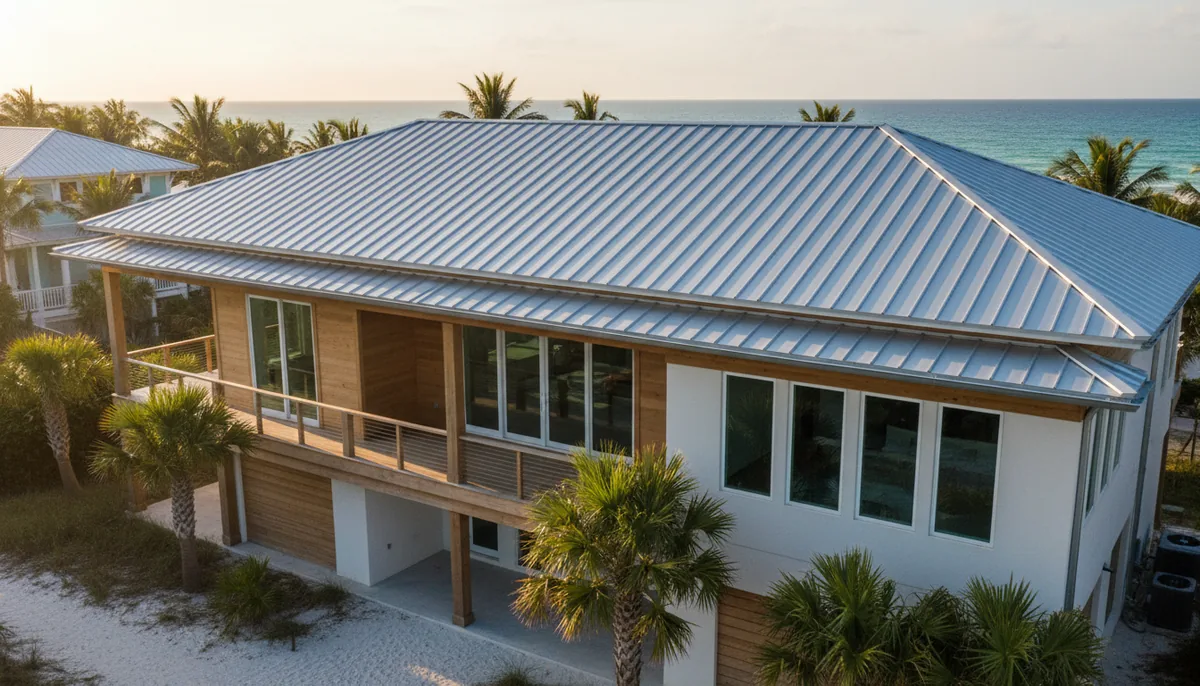
A standing seam metal roof will outlive you if it's installed right — call it forty to fifty years before the fasteners or the finish give you trouble. But it's a different animal from shingles. The upfront cost is substantially higher, and if you don't use a licensed contractor who knows how to detail the flashings and the penetrations, you can get leaks that are almost impossible to chase. Metal is great for the Florida sun because it reflects heat, but it's only as good as the guy standing on it.
Does a 25-year-old roof have to be replaced for insurance?
Not necessarily, but you need to check your specific policy. If your roof was put on after the 2007 building code went into effect, the law changed under SB 4-D (2022) so an insurer can't automatically deny a claim just because of age. But many policies have their own rules about replacement cost versus actual cash value. Read your declarations page and see what it says about roofs, and if you're not sure, call an agent who writes policies for your area.
What about Citizens Property Insurance Corporation?
Citizens is the state-backed insurer of last resort, and they have their own underwriting rules for what they'll write. If you have Citizens because you can't get private coverage, they may have stricter requirements about roof age and condition than a private carrier would. I can't tell you what Citizens will do for your specific situation — that's a conversation with your agent. I just know that I've seen more than a few Citizens inspections turn up roofs that were held together with prayer and roof cement.
Is a roof replacement covered by insurance after a storm?
That depends entirely on your policy and on what the adjuster finds. If the storm blew a tree limb through your decking, that's typically a covered loss — but if the roof was already leaking from age-related wear, the damage can be classified as a maintainance issue, not a storm claim. That's why I always tell people to keep a dated photo record of their roof after every storm. You want evidence of what the wind and hail actually did, not what your neighbor's brother-in-law thinks they did.
Should I get a wind mitigation inspection before or after I call my insurance company?
Before, every time. It costs a little money and it gives you a report on form OIR-B1-1802 that tells you what features you have and what discounts you qualify for. Florida law says insurers have to offer the discount for qualifying features, so you're leaving money on the table if you skip it. And if the inspection finds a problem — like a missing secondary water barrier or insufficient roof-to-wall ties — you know exactly what to fix before a storm ever hits.
Can I just add another layer of shingles over the old ones?
In Florida, you'd be making a mistake. A second layer adds weight your trusses weren't designed to carry, hides any rot in the deck underneath, and makes the next tear-off more expensive. On top of that, the roof life of the new shingles gets cut way down because they're baking on top of an old, heat-soaked layer. My rule after twenty-two years: if you're doing a full replacement, tear it all off down to the wood so you can actually see what you're putting your house under.