How to become a roof inspector in Florida
By Dale Prescott, Roofing contractor, Central Florida. Reviewed by Hal Winstead, Editor, licensed roofing contractor. Third roofline on a two o'clock inspection in Winter Haven, and I already knew the answer before I got the ladder off the truck. The homeowner had a patch job done after last year's hail scare, done cheap, done without a permit. The new shingles were a different color and a different manufacturer than the rest of the field. When I pointed at the ridgeline, she said, "But they told me it was just a repair." They told her alot of things. The repair crew had pulled a permit for a replacement with the county, which meant the whole roof had to meet current code, and the work they'd left behind wasn't even close.
Guys ask me all the time how to get into inspecting roofs, and my answer usually surprises them. I've got twenty-two years running tile and shingle crews between Orlando and the coast. I've torn off more storm-damaged roofs than I care to count. When a homeowner needs a straight answer about whether to file a claim or just write a check, they call me. But if you're thinking about doing this for a living, you need to understand the job first. It isn't standing on a ridge with a clipboard. It's knowing what the building department will and won't pass, what the insurance company will and won't pay for, and which contractors you can trust to do the work right. You can find a list of the outfits we've dealt with over the years on a site like roofing companies in Florida, but that's only the start.
So you want to know how to become a roof inspector in Florida. Here's the part nobody tells you: there is no single state "roof inspector" license. The title gets thrown around by adjusters, by home inspectors, by guys like me who just know what a bad nail job looks like. What matters is the context. If you're inspecting for a homeowner before a sale, that's one thing. If you're writing a report for an insurance claim, that's another. If you're telling a contractor what needs to be torn off and replaced, that's the whole ballgame. Know which one you're doing before you open your mouth.
The first thing to understand: this isn't just looking at shingles
A roof is a system. It's the decking, the underlayment, the flashing, the ventilation, the pitch, the way the sun beats down on a west-facing slope in August. You can't learn that from a YouTube video. I've been wrong about this before, and I say that to every inspector I've ever trained. You look at a valley and think it's fine, then the homeowner gets a leak three hurricanes later and the water's been running down a nail hole for two years. You have to be willing to say "I don't know" and climb down to check.
Before you spend a dime on courses, spend some time on roofs that are being replaced. Find a local contractor who will let you ride along. Ask questions. Watch them tear off an old roof and see what's under the shingles. Rot. Termite damage. Decking that was never nailed down right in the first place. You don't learn that from a book. You learn it by getting hot and dirty.
Do you need a license to be a roof inspector in Florida?
If you want to go into business as a general home inspector, Florida licenses those through the DBPR as well, and there's a seperate exam and log of supervised inspections. But if you mean a roofing contractor saying what needs to be done, that's a different animal. Florida roofing contractors are licensed by the Department of Business and Professional Regulation, and the roll is public. A certified roofing contractor holds a licence begining with "CCC" and may work anywhere in the state. A registered roofing contractor holds a licence beginning with "RC" and works only in the local jurisdiction that licensed them. Always verify the number is active before you recommend them to anyone.
If you're planning to do this as a career, don't skip the contractor's license just because you think you'll never pick up a hammer. The best inspectors I know can price a job in their head within a few squares of what it actually costs, because they've swung a hammer or run a crew. The ones who can't? They write reports that get laughed out of the insurance claims office. The DBPR roll lets you check any licence prefix, whether it's a contractor or a home inspector. Use it.
The 25% rule and what SB 4-D did to it
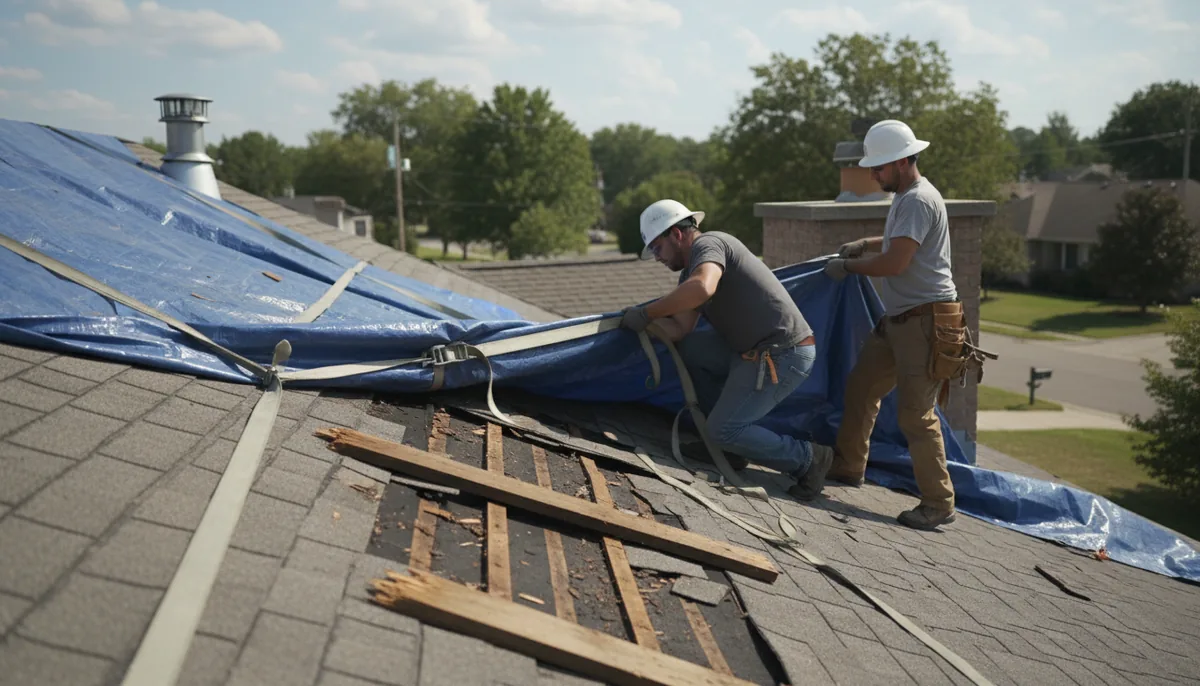
Here's where it gets tricky, and here's where you earn your keep. For years, Florida had what we called the 25% rule in the Florida Building Code. If more than a quarter of your roof was damaged, the whole thing had to come off and be brought up to current code. That rule sent a lot of roofs to the landfill and a lot of homeowners into sticker shock.
Then SB 4-D (2022) changed the math. If the roof was built, repaired, or replaced to the 2007 Florida Building Code or any later edition, then only the portion being worked on has to meet current code. The full roof replacement isn't automatically triggered anymore. The key is the date. The 2007 edition took effect on 1 March 2009. Roofs completed before that date generally don't qualify for the break. So when you're on a roof built in 2005, and the wind blows off a section of shingles, that section gets fixed to current code. The rest of the roof gets to stay, depending on it's actual condition. That's where your judgment comes in. That's why a homeowner pays you to look, not just to measure.
What I would actually do: Ask for the permit history on the house before you make a recommendation. If there's no permit record and the roof looks like it was built in the late nineties, assume you're dealing with a full replacement and price it that way.
The permit game and why it matters
A roof replacement in Florida requires a permit pulled from the local building department, and an inspection. A contractor who offers to skip the permit is a contractor to walk away from, I don't care how good his price sounds. An unpermitted roof can complicate both an insurance claim and a future sale. You'll be the one standing there when the buyer's agent asks if the work was permitted. You'll be the one who has to say no.
When you're inspecting, always check the permit box. Look for the tag or sticker. If you can't find one, call the local building department. Give them the address. Their records will tell you more than any visual inspection ever could. I found a roof once that had two layers of shingles over a layer of wood shake. The homeowner didn't know. The permit history showed the last replacement was done without a permit, and the layer underneath was from the 1970s. We stripped it all down to the decking. The decking was full of dry rot. That's the kind of discovery that changes a claim in a hurry.
What insurance companies actually look for
This is the part where I have to be careful, because I'm not a licensed adjuster and I don't pretend to be. But I know what gets a claim paid and what gets it denied, from the roofer's side of the table. The insurance company will send out an adjuster or a fellow who works for one. That person will take photos, measure the roof, and look for what we call "hail strikes" or "wind damage." They will also look for signs of age and wear. If the shingles are old and brittle, and a storm comes through, they may argue the damage was pre-existing.
I can't tell you what your specific policy covers, because coverage varies by policy. Read your declarations page. Know your deductible. Ask if your policy has a roof payment schedule, which is a fancy way of saying the payout drops based on the roof's age. That matters. You might think a 15-year-old roof is worth a full replacement, and the policy might say it's only worth actual cash value minus depreciation.
What I would actually do: For the homeowner, get a licensed contractor on the roof first. Have them document the damage in writing. If the contractor recommends a full replacement, ask them to estimate only the storm-damaged sections under the new law. That report is your ammunition when the adjuster shows up.
One personal gripe while I'm on the subject: the insurance adjuster who shows up in brand-new sneakers and asks you to hold his ladder while he "takes a look from the ground." I have done that more times than I can count. A ground inspection is not an inspection. It's a guess with a camera. If the adjuster won't get on the roof, that tells you everything you need to know about how serious they are about paying your claim.
How to start doing this without getting sued
You need liability insurance of your own, first off. If you're going to climb on someone's roof, you're assumed to be a professional, which means a whole different standard of care. Get a business license. Keep notes. Take photos of everything, including the gutters and the ground around the house. Write your report so a homeowner can read it, but also so an adjuster can read it. I use plain language and a simple diagram drawn in pen.
Then there's the "inspection" side for a real estate transaction. A buyer's agent will hire you to do a roof certification, which is different from a claim inspection. The mortgage company wants to know if the roof has two years of life left, or three, or five. You're not guaranteed a perfect answer. You're offering a professional opinion based on what you can see. The legal exposure is real. I know inspectors who won't touch a roof over twenty years old without a disclaimer. I think that's sensible, but it's also why you have insurance.
Questions I get asked
Do I need a license just to inspect roofs for insurance claims?
As a roofing contractor, no. The license that matters is your state contractor's license, and that's what the DBPR roll will show. If you're working as a public adjuster or an independent adjuster, that's a completely different license issued by the state, and you need to check with the Florida Department of Financial Services for those rules. I'm not a lawyer, and I'm not giving legal advice. I'm telling you which side of the fence I stand on. I work with a contractor's license.
Is a full roof replacement always required after storm damage?
Not since SB 4-D (2022), and not if the roof was built under the 2007 code or later. The old 25% rule is gone for those roofs. Only the portion being worked on must meet current code. But the roof's actual condition still decides a lot of it. If the decking is rotted, you're replacing more than shingles, regardless of what the law says.
How do I find out if a roofing contractor is legitimate?
Go to the DBPR roll and look up the license number. A certified contractor has a prefix that starts with CCC and can work statewide. A registered contractor starts with RC and can only work in their local jurisdiction. Verify the number is active before hiring. If they don't have a number or can't tell you where they're registered, walk away.
What is the Citizens Property Insurance Corporation thing I keep hearing about?
Citizens is the state-backed insurer of last resort, and they have their own inspection requirements, including a roof evaluation form. If you're a homeowner insured by Citizens, check their requirements and the form they ask for. Form OIR-B1-1802 is the one I see referenced for wind mitigation and roof inspections, but your policy and your agent are the ones who can tell you exactly what they need.
Should I get a home inspector license if I want to do roof inspections as a side business?
If you want to call yourself a home inspector in Florida, the state requires a license, a certain number of supervised inspections, and an exam. But most home inspectors learn roofing the hard way, which is to say they don't know much about it at first. If you want to focus on the roof, stay with the contractor's side. Get the experience first, then chase the license.
Can I make a living as just a roof inspector?
You can, but it's slow. Your income depends on how many roofs you climb and how many reports you write. The work is seasonal, with the big push after hurricanes and hail events. I know guys who do this for a living and do fine. I also know guys who gave up after two years because they didn't want to crawl through an attic in July. It's not for everyone. But if you like working outside and you're honest about what you see, you'll find work.
One last thing, and this is the thing I tell every young guy who wants to start: the report is only as good as the look. Don't be the guy in the sneakers taking pictures from the sidewalk. Get up there. Feel the shingles. Look under the flashing. Check the nails in the cap. Ask yourself what you'd tell your own mother about whether to file a claim, and then write that down. The wheather's not getting any calmer, and there's always going to be a roof that needs a straight answer.