How to can i replace my own roof in Florida
By Dale Prescott, Roofing contractor, Central Florida. Reviewed by Hal Winstead, Editor, licensed roofing contractor.
The afternoon that sticks with me was in Winter Garden, on a 4/12 shingle roof. A homeowner rented a pressure washer and spent a Saturday blasting black streaks off his old shingles. He did a beautifull job right up until he washed most of the granules off the mat, and the next storm peeled a full course off the north side. He was a smart guy. He just wanted to save money, which is how most of the roof replacement companies in Florida get called in the first place.
That same instinct makes people type: can i replace my own roof in florida? The short answer is yes. The long answer has a permit, an inspection, an insurance company, and a roof deck full of surprises nobody sees until it's too late.
I've been running tile and shingle crews between Orlando and the coast for twenty-two years. I've torn off more storm-damaged roofs than I can count. The one thing I never do is tell someone they can't do their own roof, because some people can. I just want them to know what they're saying yes to.
Can I replace my own roof in Florida? Yeah, maybe. Let's talk for a second.
Roofing isn't magic. It's order of operations. Flashing before underlayment, underlayment before shingles, valleys sorted before hips. A DIY roof can work. Your chances go up if the roof doesn't have a steep pitch, doesn't have a bunch of penetrations, and doesn't have twenty years of old layers hiding rot. A simple roof over a one-story house? Go ask the county. A two-story cut-up with three valleys and old tile over a questionable deck? That's not a weekend job.
It depends what is under there. That's the part that humbles people.
What I would actually do: Call the local building department before you buy one bundle of shingles. Ask them, “I own the home, I want to do my own roof—what permits do I need and what inspections will you run?” Ask on a Tuesday morning, not the Friday before a holiday. Then do what they say.
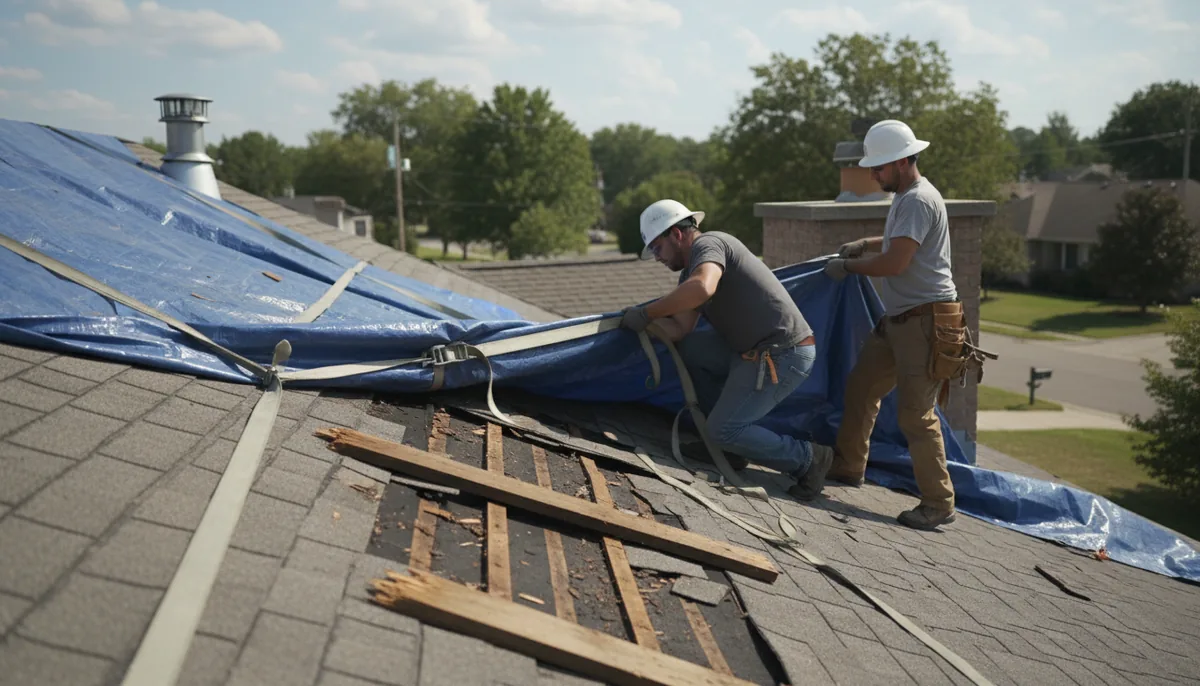
Permit first. Inspection second. Somewhere in there I pull out my own hair.
A roof replacement in Florida requires a permit from your local building department. It also requires an inspection. That part doesn't change when you do the job yourself. It changes who is on the hook.
A contractor who says, “I can skip the permit and save you the fee”? Walk away. You never want a roof the county doesn't know about. An unpermitted roof can complicate an insurance claim, and it can complicate a future sale because somebody will eventually ask questions about the work. Contractors who skip permits don't care about what happens after the check clears.
Most permits get pulled by licensed roofing contractors. Homeowners can sometimes pull their own, but that is a county call, not a universal yes and not a universal no. When you're the one named on the permit, the inspector doesn't care that it's your first roof. They inspect it like it was mine.
The old 25% rule changed. Bad roofing advice did not.
For a long time, there was a rule that made roofers happy and homeowners sick. If you repaired more than 25% of your roof in any twelve-month period, the code wanted the whole roof brought up to current standards. People heard that as “I have one small leak, and now I owe the bank for a whole roof.” Some contractors leaned right into that.
Then SB 4-D (2022) changed things. As of May 26, 2022, if your roof was built, repaired, or replaced under the 2007 state building code or any later edition, only the portion being worked on has to meet current code. A full roof replacement is no longer automatically triggered. The 2007 edition took effect on March 1, 2009. Roofs finished before that date generally don't get the break.
In plain words: a repair no longer automatically drags the whole roof into current code, as long as the roof already met the 2007 standards or better. That saves people alot of money. But you need to know which edition your roof was built under before you make a move.
What I would actually do: Find out what year the roof was installed before you let anybody talk you into a full tear-off. Ask your county for the permit history. If the roof came in under the 2007 code or later, SB 4-D (2022) is on your side. If it's older than that, plan for the code to want more.
Insurance paperwork is its own roof. Read it before you climb.
Insurance doesn't speak roofing. It speaks policy language. I am not a licensed adjuster, and I have not read your declarations page, so you have to. Do that before you tear anything off, not after. If you file a claim later and the roof wasn't permitted, that's a headache. If the work was done by unlicensed people, that's a bigger headache.
There are names in this business for a reason. Florida Statute 627.70132 comes up on the insurance side of roof claims. Form OIR-B1-1802 might cross your table if you file one. If you're with Citizens Property Insurance Corporation, read what they send you and follow it carefully. And if you're doing wind mitigation upgrades, My Safe Florida Home is a program you'll hear about. Get their current rules before you spend your money, not after.
Your policy decides what gets paid. Not me. Not the guy at the supply house. The declarations page.
If you hire help, DBPR licence prefixes CCC and RC tell you who can work where.
Maybe you plan to do the whole thing yourself. That's fine. But a lot of people get halfway through a roof and suddenly remember they have a job. If you hire a crew to finish, or if you decide to hire somebody from the start, check the license before they get on the ladder.
Florida roofing contractors are licensed by the DBPR. The DBPR licence prefixes CCC and RC are the whole ball game. A contractor with CCC is certified and can work anywhere in the state. A contractor with RC is registered and may only work in the local jurisdiction that licensed them. If you see RC and you're a hundred miles from that jurisdiction, that's a problem.
Ask for the number. Check it against the DBPR roll. Make sure it's active. I've been a licensed contractor for a long time, and I still check before I let a sub set foot on one of my jobs. You should of check before somebody sets foot on your roof.
Questions I get asked
Can I replace my own roof in Florida if I have never done one before?
Yes, you can, but I don't love it as a first project. Start on a small, simple roof like a detached garage or a low shed. If you skip the small job and start over the kitchen, one leak will teach you more than you want to know.
Does a homeowner have to pull a permit in Florida?
Yes, there has to be a permit for a roof replacement. The question is whose name goes on it. Ask the building department wether an owner can pull the permit in their jurisdiction. They will tell you exactly what they need.
What is the 25% rule now?
The old 25% rule used to force a full roof replacement once more than a quarter of the roof was repaired in twelve months. SB 4-D (2022) changed that for roofs built under the 2007 code or later. Now only the portion being worked on has to meet current code. Older roofs still have a much harder road.
If insurance pays for the roof, can I do the labor myself?
It depends entirely on your policy. Some policies have requirements around who does the work, and some don't. Read your declarations page, then call your agent and ask before you promise anything to an adjuster. Do not guess on that one.
I found a contractor with an RC license. Does that work in my county?
RC means registered. An RC contractor can only work in the jurisdiction that licensed them. Ask for their license number, look it up on the DBPR roll, and make sure it's active and local. If it isn't, keep looking.