
How to get rid of roof rats in Florida — What I Found in Attics Across Florida
By Bud Kettering, Roof consultant and inspector. Reviewed by Hal Winstead, Editor, licensed roofing contractor. The last job I took before writing this was a rat inspection in Port Charlotte, and I damn near put my knee through a ceiling joist. I was up in a low-pitch addition over a garage, torch in one hand, moisture meter in the other, when I found the problem—not water, but a nest of shredded Florida fiberglass and palmetto fronds sitting right on top of the blown insulation. The homeowner had been poisoning the things for months, and she was proud of it. I had to tell her the poison wasn't the problem. The gap in the soffit, the size of a quarter? That was the problem.
Most folks in this state think a rat problem is a trapping problem. It isn't. You can trap and poison for a year, but new rats will keep climbing that oak limb, squeezing through the same hole, and rebuilding in the same corner of the same attic. The durable fix is exclusion—sealing every entry point and cutting back whatever touches the roofline. I've spent more afternoons than I care to count inside hot Florida attics chasing those little bastards, and if you're reading this because you heard scratching at 2 AM, I've got good news for you. You don't need a bigger trap. You need a sharper eye and a Saturday afternoon. And if you don't want to climb a ladder yourself, you might be looking for roofing companies in Florida who understand that a roof is a system, not just shingles.
Roof rats are climbers. They are not like the Norway rat that lives in a drain and digs a burrow. Rattus rattus will run along power lines, jump off a palm frond, and use a stucco wall like a rock climber. They don't need a doorway. They need a gap. So before I get into the specifics of how to get rid of roof rats in Florida, you need to understand that the answer is the roof around the house, not the rat inside it.
The first thing I do is stand on the ground and look up
You would be amazed how many roof rats I find just by walking the perimeter of a house with a pair of binoculars. I'm not looking at the shingles for wear—the insurance guys do that. I'm looking at the lines where different materials meet. Where a soffit vent meets a rake edge. Where a roof over a lanai attaches to the main house wall. Where the fascia board has pulled away from the gutter by half an inch. Every one of those is a highway for a rat that weighs maybe half a pound and can fit through a hole the diameter of a quarter.
I did a job in Naples last spring where the homeowner swore his rat problem was coming through the roof tiles. He had a beautifull barrel tile roof, maybe five years old. He wanted to replace the whole ridge. I walked the outside for ten minutes and found the real issue—the bathroom exhaust fan on the north side had a missing backdraft damper, and the vent pipe had a gap in the duct tape that had dried out. Rats were coming up the stucco, through the fan, and dropping right into the master bathroom. We didn't replace a single tile. We sealed the vent. Call it a hunch, but check the vents before you call for new tiles.
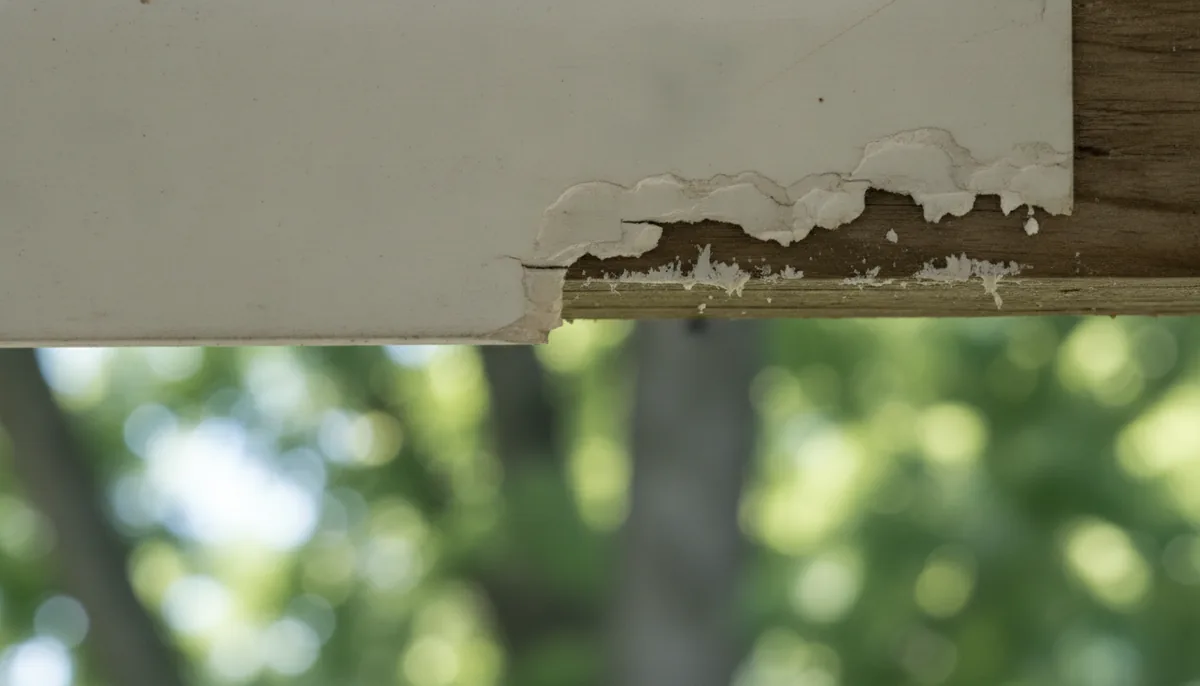
Tree limbs are ladders, not decoration
This is the rule I repeat so often that my wife can finish the sentence: if a branch can touch the roof, a rat can touch the roof. It doesn't have to be a thick branch. A rat can run along a branch as thin as two fingers and make the leap from a three-foot gap to the gutter. I find this constantly in older Florida neighborhoods with big live oaks and slash pines. The houses are lovely. The shade is lovely. The rats are visiting.
I was at a house in Winter Park where the customer had spent six hundred dollars on traps and a pest control contract. He was furious. The rats kept coming. We went outside and the culprit was a massive ficus branch—you call it a rubber tree—that was literally resting on the shingles. It had worn a small hole in the asphalt. The rats weren't even trying to be sneaky. They were walking up a natural ramp. I told him to cut it back six feet from the roof and seal the hole. And while I was in the attic, I saw that one of the roofers had left a piece of scrap lumber bridging a gap between the truss and a duct chase. The rats were using that, too. Exclusion is about removing the path, not just blocking the door.
How to get rid of roof rats in Florida, the actual process
Okay, so you want the real procedure. Here is what I do on almost every single rat inspection, and what I'd have any contractor do if you hire one.
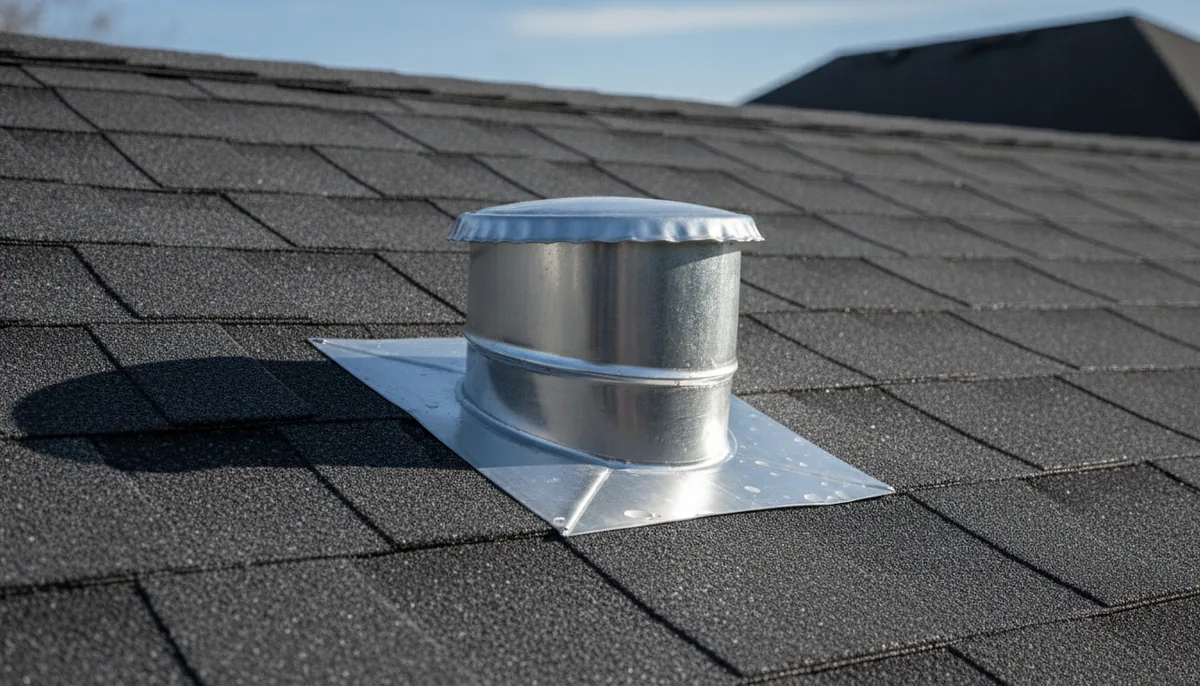
First, I go up top with my torch and my meter, and I check the attic for entry points. I look at the soffit vents to see if the screen is still intact. I look at the gable end vents and the ridge vent. I look at the points where plumbing stacks and exhaust fans poke through the roof deck. And I look at the plumbing vent boots on a tile roof—those are notorious. The rubber boot dries out and cracks, and there's your hole.
Second, I seal everything that isn't supposed to be open. For small gaps, I use wire mesh and expanding foam. For larger holes, I use metal flashing and a high-grade sealant. I do not use solely foam, because rats chew through it. I have seen rats chew through cheap foam in a week. They have to gnaw to keep their teeth down anyway, and your foam is just a snack bar.
Third, I cut the branches. There is no point in sealing a hole if the rat can chew a new one tomorrow night from an overhanging limb.
Fourth, I deal with the ones already inside. This is where trapping does have a role—but it's the last step, not the first. Once you've sealed the exterior, you trap the ones in the attic, or you use a kill trap at the entry point before you finalize the seal. If you exclude first and trap a few stragglers, you're done in a week. If you trap first and never exclude, you are playing whack-a-mole with a creature that has been surviving in Florida since before there were houses.
What I would actually do: Ignore the poison. Skip the glue traps. Walk your roofline with a flashlight at dusk and a second person inside the attic with their phone light. When you see a rat pop it's head out or see light bleed through a hole, you've found your entry point. Seal that one first.
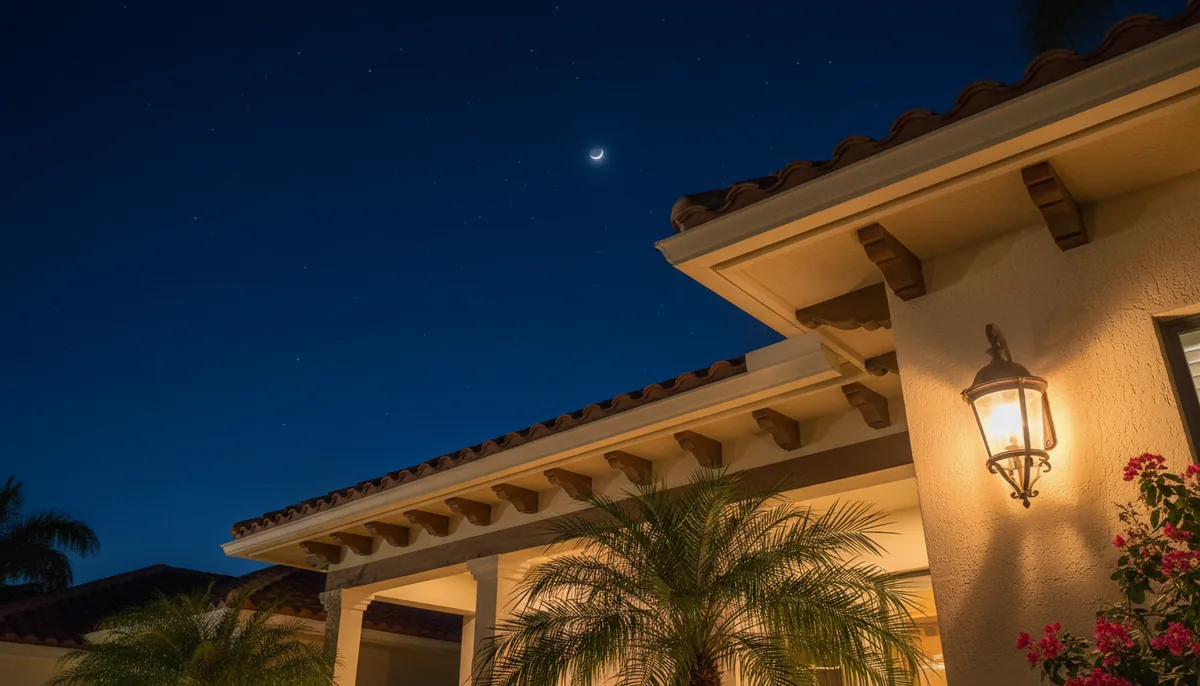
What roof rats do to your roof, and why your insurer cares
Rats don't do much to a structurally sound shingle, in my experience. What they do is damage the insulation, contaminate the attic with urine and droppings, and chew on wiring. I've seen alot of attics where the insulation is matted down like a rat highway—and that means your air conditioning is working twice as hard. But I've also seen rats gnaw the wood framing around a soffit to make an entry point bigger. Over years, that can damage the roof deck itself.
This is where the insurance question comes up, and I'm not an adjuster, so I don't adjust claims. What I can tell you is that Florida has gotten strict about roofs. You have state law that can require the replacement cost benefit to be reduced for roofs older than fifteen years, depending on your policy—that's Florida Statute 627.70132. There was also legislation passed in 2022, SB 4-D, that changed a lot of how roofing claims are handled. And if you are with Citizens Property Insurance Corporation, you may be subject to specific inspection requirements they've outlined. The point is, coverage varies by policy, and you need to read your declarations page.
But the bigger issue is that if you have rat damage and you decide to replace that roof, you cannot legally have it done without a permit. A permit from the local building department, and an inspection. This is non-negotiable. If a contractor offers to skip the permit for you, walk away. An unpermitted roof can complicate an insurance claim and tank a future sale, because the buyer's inspector will see the lack of a permit history. I've seen this happen to a guy in Cape Coral who was furious the city made him open up his own brand new roof for an inspection. He hired a guy without a permit, and then the buyer's attorney killed the deal. Don't be that guy.
The roof itself is half the battle
Look, I inspect roofs for a living, so I tend to see the rat problem as a roofing problem. But I have to be honest with you: if your roof is older than twenty years, the deck is getting brittle and the flashing is suspect. You can seal ten holes today, and a new gap will open next month when a shingle curls. The fix for a rat problem on a degrading roof may just be a full replacement.
But a roof replacement is not something you decide on a Tuesday because of one mouse. It's priced per square, and the cost depends on pitch and access, meaning wether I can walk it easily or have to set up scaffolding. I have been wrong about this before, but I typically tell homeowners that if the roof is under ten years old, seal the holes and cut the limbs. If it's over twenty, get a replacement estimate and compare it to the cost of an annual pest contract. Rat exclusion lasts as long as the roof does. So a quick fix on an old roof is just renting time.
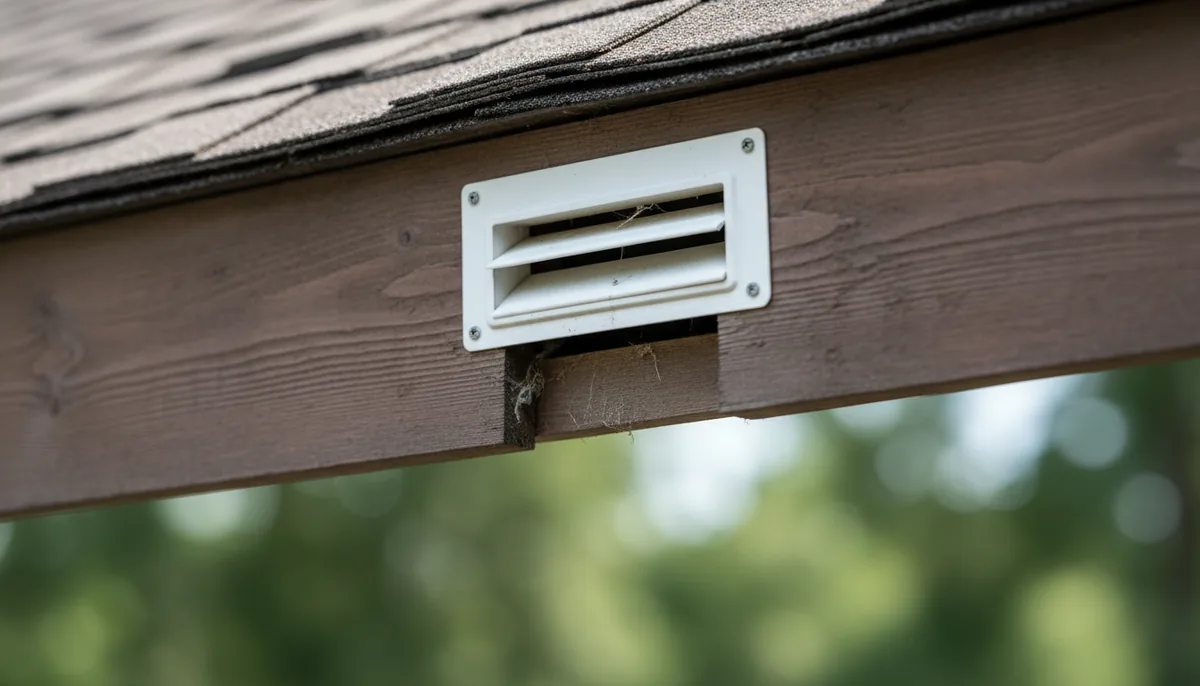
What I would actually do: Check your soffit from the ground. If you see light through the joint where the soffit meets the wall, that's a gap. Grab a tube of outdoor silicone and a can of spray foam made for gaps. Spend one hour sealing at dusk, then sit in the attic the next morning and see if you hear scratching.
Questions I get asked
Can roof rats chew through my ceiling?
Yes, they can, but usually they don't if there's a path through the walls and the attic. A ceiling is a last resort because rats prefer to travel along the top of walls, not across an open plaster field. If you hear them in the ceiling, they're likely in the wall cavities. You need to find where they're getting into the wall from the roofline.
Does poison actually work for roof rats?
It works on the individual rat that eats it, but it doesn't work on the colony. And a dead rat in your wall cavity smells terrible for weeks. Worse, poison can travel up the food chain if an owl or a hawk eats a poisoned rat. I'd rather see a clean snap trap at the entry point than a box of poison.
Do I need a new roof if rats are nesting under the shingles?
Not necessarily. Rats don't nest under shingles often because it's too hot and exposed. If they're under the shingles, you probably have a seperate issue—like the shingles are curling from age or there is a gap at the eave. Fix the gap, cut the limbs, and monitor. If the shingles are failing anyway, then yes, replacement is on the table.
Can I seal the holes myself or do I need to hire someone?
You can do the simple stuff—soffit gaps, exhaust vent screens, small holes. But if you're on a steep pitch or a two-story, don't mess around. A fall is way more expensive than a contractor. The DBPR license prefixes you want to see on any contractor's paperwork are CCC for a certified general contractor and RC for a residential contractor. You can verify that against the DBPR roll online.
Does homeowners insurance pay for rat damage?
Coverage varies. Some policies treat rodents like a maintenance issue, which means they won't pay. Others might cover a specific event, like a rat chewing through a wire that caused a fire. But as a general rule, don't assume it's covered. Read your declarations page, not the marketing brochure.
Is there a state program to help pay for roof repairs?
There is a program called My Safe Florida Home that focuses on wind mitigation, and it might help you harden your roof against storms. It doesn't specifically pay for rat exclusion. And there's a form you might run into called form OIR-B1-1802, which is used in some wind mitigation insurance processes—but again, not a rat program. Don't confuse a wind mitigation inspection with a pest inspection. They answer two different questions.
I've been crawling through Florida attics for a long time, and I've seen some things that would make a normal person hire a demolition crew. Roof rats are persistent, but they're not intelligent. They follow the same path every night. Find the path, break the path, and you break the cycle. The rest is just noise.