Hw contracting roof maintenance plans florida
By Bud Kettering, Roof consultant and inspector. Reviewed by Hal Winstead, Editor, licensed roofing contractor.
Last August in Sarasota, I spent an afternoon in a walk-in attic above a beach bungalow with a torch and a moisture meter, and I found a leak that wasn't a leak. The shingles were fine. The ridge vent was fine. The water was coming from an uncapped plumbing vent that a handyman left open during a bathroom reno. The homeowner had a ten-year-old roof, no maintenance plan, and a drywall stain the size of a dinner plate. If you're shopping for someone who will catch that kind of thing before it stains your ceiling, start with the roofing companies in Florida directory, then verify the licence against the DBPR roll.
I inspect roofs for buyers, sellers, and insurers. That means I crawl through more attics than most people change air filters. I also see the aftermath of maintenance contracts that didn't maintain a single shingle. The phrase "hw contracting roof maintenance plans florida" keeps showing up in my call logs. People search it because they want a name they can trust. Fair enough. But a maintenance plan is a promise, not a magic shield. I'm going to tell you what real maintenance looks like, what to check on your own, and who you should not hire.
Before I go further: I'm not a lawyer or an adjuster. I've spent thirty years with a torch and a moisture meter in Florida attics. I of been wrong about this before. And a maintenance plan — even a good one — is not a warranty. Got it? Good.
And can I gripe about the guy in Punta Gorda who thought a roll of peel-and-stick over his old shingles would turn a wet attic into a dry one? He called it a re-roof. The moisture meter told a different story. I spent the afternoon cutting that stuff into strips because he hadn't put down any underlayment. Yeah. That's why I carry a sharp knife and a sense of humor.
What hw contracting roof maintenance plans florida means to me
When you type "hw contracting roof maintenance plans florida" into a search bar, you probably want a local company with a route truck and a ladder. That's fine. I don't have a route. I have a tool bag and a list of past employers' mistakes. But I do have a clear idea of what a maintenance plan should include. It's not just cleaning the gutters twice a year, although that's part of it. It's not "we'll come out after a storm." That's called a repair call. A true maintenance plan involves a scheduled, documented inspection of every roof penetration, every flashing, every pipe boot, every valley. It means someone goes into the attic and checks for wet insulation, rusted nails, and daylight where daylight shouldn't be. And it means they write it down.
I have walked behind plenty of "maintenance" crews who spent fifteen minutes on the roof, slapped a bead of sealant on a loose pipe boot, and charged three hundred dollars. That's not maintenance. That's a band-aid. Real maintenance finds the problem while it's still a problem, not after it's a claim. It checks the attic with a moisture meter, not just eyeballs. It flags the rusty nail heads before they become rusted-out leaks.
What I would actually do: Get the written scope of work before you hand over a dime. If it says "general roof maintenance" without listing specific inspection points, assume it's a sales funnel for something bigger.
The roof checks that actually save you money
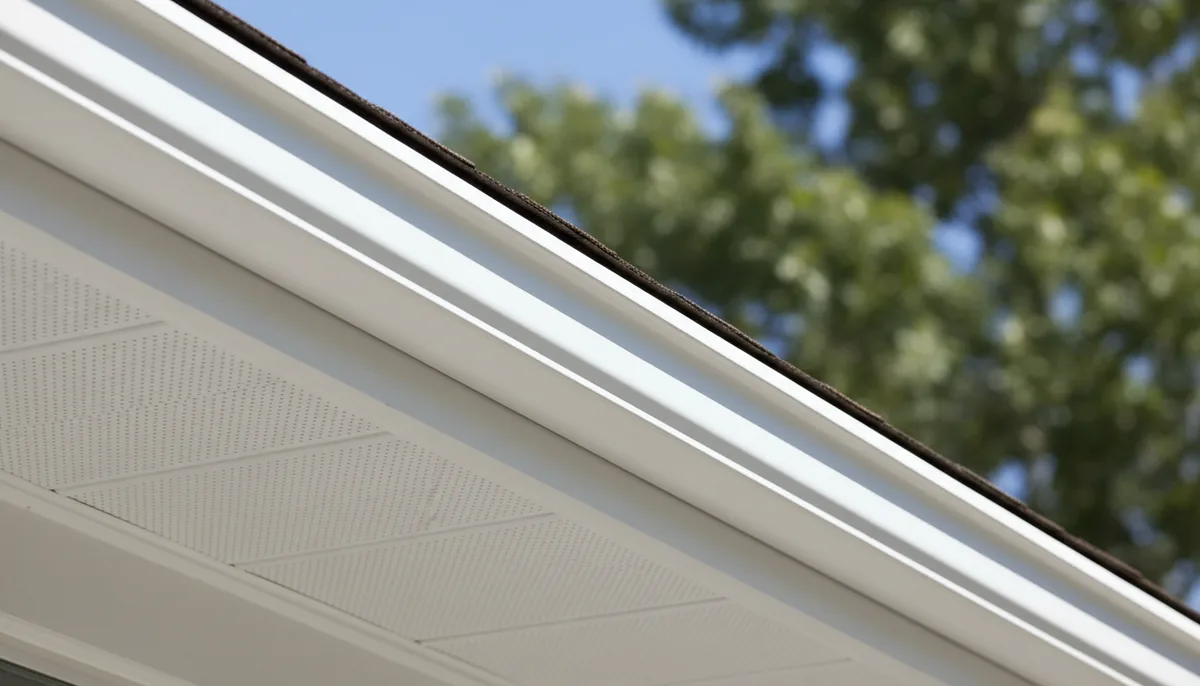
Here's what I look for when I inspect, and what you should expect a maintenance visit to cover. The roof covering itself matters, but the edges kill more roofs than the field. Fascia, soffits, rake boards, and drip edge. Then the valleys and any place where shingles meet a sidewall. Then the plumbing vents and the flashing around a chimney, if you've got one. Then the attic. Check the decking for shadow lines, measure moisture content, and look for rust around nail heads. A moisture meter reading in the attic is worth more than a hundred rooftop squeezes.
Florida heat is hard on everything. The sun degrades sealant. The thermal cycling works at nail heads. And the rain, when it comes, comes sideways. A maintenance plan that doesn't include an attic visit is a plan that's missing half the roof. I tell homeowners this constantly. Some listen. Others call me after the second year of "we just checked it from the ground."

DBPR, CCC, RC, and the licence game
Here's the boring part, and it's the most importent part. Florida roofing contractors are licensed by the Department of Business and Professional Regulation. You'll see two kinds of licensed contractors: DBPR licence prefixes CCC and RC. A CCC, a certified roofing contractor, can work anywhere in Florida. An RC, a registered roofing contractor, can only work in the jurisdiction that licensed them. I've seen homeowners hire an RC to do a roof two counties over, and when the job leaked, the state board wouldn't touch it because the RC was out of bounds.
Always verify the number is active before hiring. The DBPR roll is public and searchable online. Check the status, and check that the name on the contract matches the name on the licence. People borrow licence numbers like library books. I have seen a guy flash a paper with a friend's old CCC number on it, and the friend hadn't been licensed in years. Don't be that guy's customer.

Insurance, wind mitigation, and form OIR-B1-1802
Some of the biggest checks I've ever saved my clients didn't come from finding a leak. They came from the wind mitigation inspection. That's the one that documents roof covering, roof deck attachment, roof-to-wall connection, roof geometry, secondary water resistance, and opening protection. Florida insurers must offer premium discounts for qualifying features. The standard form is OIR-B1-1802. A wind mitigation inspection typically costs a fraction of the annual discount it can open up, and I've seen that discount pay for itself many times over.
Nobody's saying a maintenance plan is a substitute for a wind mitigation inspection. But a good maintenance visit can spot the things that will fail a wind mitigation inspection later, like missing clips or box nails that missed the truss. Keep your roof in shape and that wind mitigation report reads a whole lot cleaner.
I'd also be a fool not to mention Citizens Property Insurance Corporation and My Safe Florida Home. One is the insurer of last resort, the other a state program that helps homeowners pay for storm retrofits. If you're in a high-risk zip code, check wether you're eligible for My Safe Florida Home. I can't promise anything, because the rules change and the funding comes and goes, but it's worth an afternoon on the website.
Remember, no two homeowners policies are the same. I won't tell you what yours covers. Read the declarations page. If it says "roof surface" but not "roof deck," that tells you something. And if a contractor tells you "your insurance covers it" without ever reading your policy, he's guessing. I have seen that guess cost people thousands.

Permits, inspectors, and the guy who says you don't need one
This one gets me hot. A roof replacement in Florida requires a permit from the local building department, and an inspection. Every time. A minor repair might be different. But a full replacement, or even a big section of decking replacement, is not a handshake job. A contractor who offers to skip the permit is a contractor to walk away from. An unpermitted roof can complicate an insurance claim and a future sale. I have inspected houses where the "new roof" was perfectly installed but there was no permit on file, and the seller's deal fell apart over it. The work wasn't bad. The paperwork was missing. And in Florida, paperwork is part of the roof.
SB 4-D (2022) and Florida Statute 627.70132 get thrown around alot these days. The short version: there are rules about how roofing contracts handle payments and assignments, and about what you have to do to back out of a contract. I'm not your lawyer. If a contract has a section that says "assignment of benefits" and you don't understand it, slow down. Ask questions. Or call your insurance agent. Don't sign anything in the driveway while the sales guy is clicking his pen and telling you it's a formality.
What I would actually do: Ask the contractor straight up: "Will you pull the permit, and will you walk through the inspection with the city inspector?" If they hedge, hire someone else. A proper contractor pulls the permit and schedules the inspection. That's the job.
Questions I get asked
How often should a roof in Florida be inspected?
At least once a year, call it twice if the roof is older than fifteen years. The inspection should be scheduled, not reactive. You don't wait for the stain to appear on the ceiling to start looking for the hole.
Does a maintenance plan cover storm damage?
No. A maintenance plan is for wear and tear. Storm damage is an insurance claim, and it triggers a different proccess, with a deductible and an adjuster. Some plans offer storm response, but that means they'll come out and look, not that they'll eat your deductible.
What's the difference between a certified and a registered roofing contractor?
A certified contractor holds a CCC licence and can work anywhere in the state. A registered contractor holds an RC licence and can only work where they got it. If you hire an RC outside their jurisdiction, the state board may not help you. Check the DBPR roll first, and verify the licence is active.
I had a wind mitigation inspection but didn't get a discount. Why?
Probably because the inspector didn't use the correct form, or the roof didn't have enough qualifying features. Insurers use form OIR-B1-1802, and those features are specific, like secondary water resistance. Ask your agent which features your insurer requires. And remember, every policy is different, so read your declarations page.
Should I get the roof inspected before selling my house?
Yes. Get it inspected before you list, not after the buyer's inspector finds a sag. Then you'll know exactly what repairs are needed, and you can decide whether to fix them or adjust the price. It beats the surprise of the buyer coming back after a rainstorm and finding a leak you never knew about.
Can I perform my own roof maintenance?
Some of it, sure. Keep the gutters clean, trim back branches, and look at the sealant around anything that pokes through the roof. But the attic part is the one most homeowners skip. If you don't feel safe on a ladder, or in a hot attic, pay someone who does.