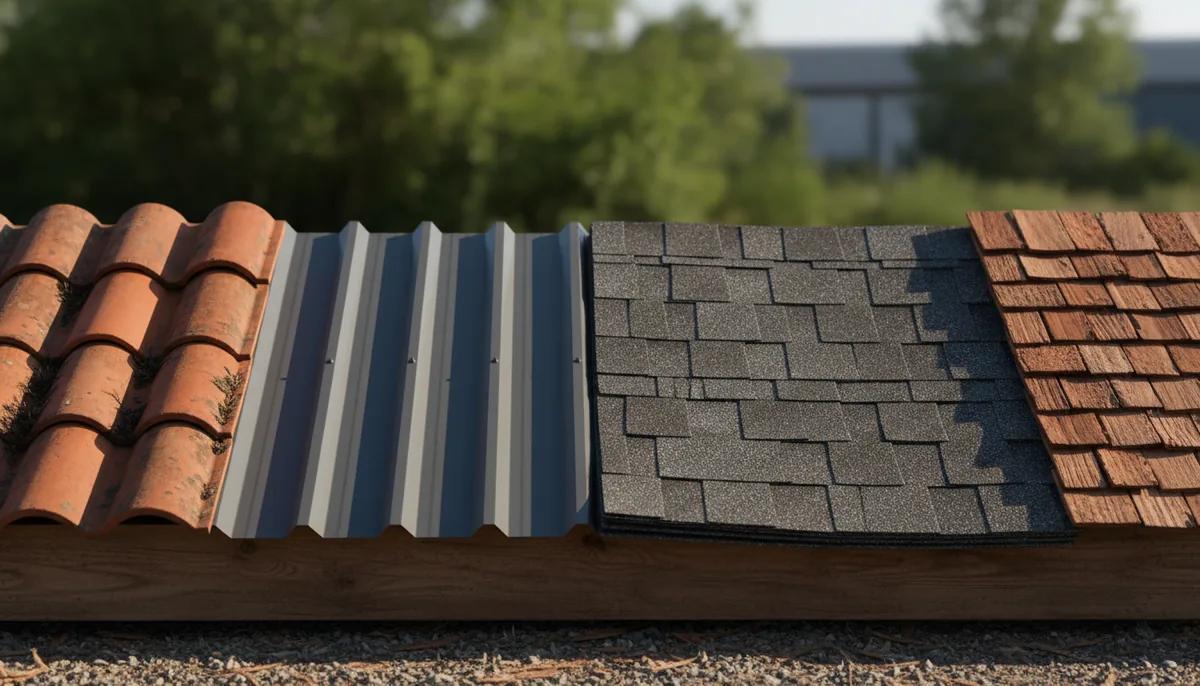
Metal roof cost per square foot Florida
By Shelly Marchetti, Florida homeowner advocate. Reviewed by Hal Winstead, Editor, licensed roofing contractor. That afternoon in Fort Myers, I was standing in a woman's living room watching a slow drip fall from her ceiling into a soup pot. She'd just paid five figures for a "lifetime" shingle roof. The leak had nothing to do with the shingles—it was a plumbing vent boot the crew had slathered with caulk instead of properly flashing. That's when I pulled up her contract and saw the line item charging her for a "premium underlayment" that was never installed. We didn't get to the metal roof question until after I'd walked the yard and counted the nails they'd left behind.
I'm Shelly. I spend my days helping Florida homeowners decode the fine print before they sign on the dotted line. If you're searching for metal roof cost per square foot florida, you're probably getting quotes from metal roofing companies in Florida and trying to compare apples to oranges. You're not alone. Most folks call me after they've already got three bids in hand and a headache to match.
The short version is that metal roofing in Florida isn't priced like shingles, and the guys quoting you a flat "per square foot" number are often hiding the variables that move the needle the most. It depends on the gauge of the metal, the profile, the clip system, the underlayment, the flashing details, and wether you've got a simple hip roof or a three-story Victorian with a widow's walk. Anyone who throw out a number without seeing your attic is guessing, call it what it is.
First, let's talk about what you're actually paying for
When you see a price per square foot, remember that roofers price in "squares"—that's 100 square feet of roof surface. A 2,000-square-foot single-story ranch might have 2,400 square feet of actual roof deck once you account for pitch and overhangs. Steeper pitch means more risk for the crew, which means a higher labor rate. It's not a ripoff; it's gravity.
The materials themselves vary wildly. A thin, exposed-fastener panel is cheaper. A standing seam system with hidden clips and a high-quality finish will cost more per square. You're also paying for the trim, the ridge cap, the pipe boots, the flashing where the roof meets the wall, and the disposal of the old roof. Don't be surprised if a quote reads like a line-item grocery bill; that's a good sign.
What does it cost per square foot? Call it somewhere between "more than shingles" and "alot more than you hoped." The real answer depends on what is under there—whether they're tearing off one layer or three, and whether the plywood deck is rotten. I of been wrong about this before, and so has every honest roofer I know. Get three itemized bids, not three vague numbers.
The cheap metal quote is the one that will cost you
Here's the trap. A bid that comes in thousands lower than the others usually means the contractor is planning to lay metal right over your existing shingles. In Florida, that can hide problems and void your insurance claims later. The roofing contractor might argue it saves money and time. It does. It also means you can't see the decking, and neither can the inspector.
Flashing details matter more than the panels themselves. If the crew cuts corners around the valleys or the chimney, you'll find out during the next tropical downpour. I've seen standing seam roofs leak because the installer used the wrong clip. I've seen exposed-fastener roofs leak because the screws had undersized washers. The roof is only as good as the least carefull hour of the install day.
What I would actually do: Verify the contractor's licence number on the DBPR roll before the first sales call. A certified roofing contractor's number starts with CCC and can work anywhere in the state. A registered contractor's number starts with RC and is limited to the local jurisdiction that issued it. Don't take their word for it; check the roll.
Permits are not optional, no matter what they tell you
A roof replacement in Florida requires a permit from your local building department and an inspection. Straight up: if a contractor offers to skip the permit to save you money, show them the door. That's not a value-add; it's a liability. An unpermitted roof can complicate an insurance claim after a storm and can become a headache during a future sale when the buyer's inspector flags it.
Floridians are still feeling the effects of the property insurance crisis, and you should know that the law now lets insurers deny coverage for roof damage if the roof is old or in poor condition, even if a storm caused the leak. This was part of SB 4-D (2022). That means the condition and documentation of your roof replacement matter more than ever.
Read your policy's declarations page. Coverage varies wildly from carrier to carrier, and I won't pretend to know what your specific policy says. The terms matter, and the inspection records matter. Keep every permit and every inspection report.
The wind mitigation inspection is the cheapest upgrade you can buy
Here's the part nobody tells you: a metal roof can be an insurance discount, but only if you document it. A wind mitigation inspection documents the roof covering, the roof deck attachment, the roof-to-wall connection, the roof geometry, the secondary water resistance, and the opening protection around your windows and doors.
Florida law requires insurers to offer premium discounts for qualifying features, and the standard form is OIR-B1-1802. The inspection typically costs far less than the annual discount it unlocks. A metal roof with a proper secondary water barrier underneath can score you a better discount than a bare metal roof sitting on old felt. The inspector needs to see it, and the form needs to reach your insurer in time for renewal.
What I would actually do: Pay for the wind mitigation inspection in the same season you replace the roof. Hand the form to your agent and ask them to apply it at your next renewal. If the discount doesn't show up, call them before the end of the billing cycle. You're leaving money on the table otherwise.
Why metal beats shingles in a hurricane, and where it falls short
Metal panels don't tear off in chunks the way shingles do. A properly installed standing seam roof with a solid deck attachment can take wind speeds that would shred a three-tab shingle roof. That's a fact. But metal is not magic, and it only outperforms if the fasteners and clips meet the manufacturer's spec for your specific wind zone. Florida hit a higher wind rating standard after the last major hurricane codes; check your local requirements.
The sound of rain on a metal roof is a feature to some and a nuisance to others. In a thunderstorm, you'll know it. Inside a home with no attic insulation, it can be loud. With good insulation and a solid deck, it's a gentle drumming. I've sat through a Fort Myers downpour under a metal roof, and I can tell you, it's not the tin drum you’re imagining.
One digression: I once had a client try to negotiate a metal roof discount by arguing that hail would bounce right off. I reminded him that hailstones can dent certain metal finishes, and that Florida hasn't seen hail like the Midwest anyway. He nodded, then asked if the roof would increase his home's resale value. It can, but don't expect to recoup the full cost. You buy metal because you plan to stay or you want a lower insurance bill. It's not a retirement investment.
Comparing metal vs. shingle quotes, line by line
When you lay two bids side by side, look at the "scope." The cheaper bid may be quoting a lighter gauge of metal, exposed fasteners, and a thinner paint system. The higher bid may include a heavier panel, a thicker coating, a superior underlayment, and a 50-year warranty with a transferable clause.
Ask every roofer to write down these three things on the contract: the exact product and gauge, the underlayment material and weight, and the number of hidden versus exposed fasteners. If they can't specify, that's a red flag.
Don't be shy about asking for proof that the crew is insured. A liability policy matters, but worker's compensation matters more. If a worker falls off your roof and they're not on the contractor's comp policy, that injury can come back to your homeowner's insurance.
Something else to consider: if you're planning to file a claim with Citizens Property Insurance Corporation for the old roof's damage, a metal upgrade out of pocket can get complicated. Read your policy and talk to your agent before signing anything. The insurer may only cover the depreciated value of a shingle roof, leaving you to foot the difference for the metal. That's a math problem only you can solve based on your own budget.
The cost of a metal roof is about what you can't see
The price per square foot you see in the contract includes the work you'll never lay eyes on after the install: the flashings, the pipe boots, the ridge vent, the proper nails, the adhesion of the underlayment at the eaves for high-wind zones. That stuff is the difference between a roof that lasts 40 years and one that leaks at year five.
I used to tell clients to ask for a "tear-off and inspect" clause, which gives the roofer the right to call you with a change order if the plywood deck is rotten underneath. Some contractors won't include that; they'd rather bid high to cover the risk. It's worth asking why.
In Florida, mold on the decking or a damp attic is a common surprise under the old shingles. If the roofer finds it, the repair is on you. Budget for the unknown. That's not an upsell; that's the reality of wood that has sat in a hot, humid attic for two decades.
Metal roof cost per square foot florida comes down to one thing each time: the quality and completeness of the installation. Not the brand, not the color, not the warranty card left in your kitchen drawer. The roof is a system. The system leaks or it doesn't. Pay a person who treats it like a system.
Questions I get asked
Is a metal roof worth the extra cost in Florida?
For a home you plan to live in for another twenty years, yes, pay for the metal. The lifespan is longer, the hurricane performance is better, and the wind mitigation discount can chip away at the annual premium. If you plan to sell in five years, maybe not, you won't get the full premium back on the resale.
Can I put a metal roof over my existing shingles?
Sometimes, but only if the deck is in pristine shape and your local building department allows it. A second layer hides what's underneath and can affect your insurance claim later. I'd say strip it down to the deck and inspect. In a hot climate like ours, the deck is where trouble hides.
Does a metal roof make my home safer in a hurricane?
A properly attached standing seam roof with a reinforced deck is about as good as it gets for wind. But the roof-to-wall connection matters just as much. The wind mitigation inspection will tell you your home's real story. A metal roof without the anchorage is still a liability.
Will my insurance company give me a discount for a metal roof?
Most insurers have to offer a discount for qualifying wind mitigation features, including a metal roof, but the amount depends on your policy and your other construction details. You have to get the OIR-B1-1802 inspection and submit it. Don't assume a discount happens automatically; you have to chase it.
What if the roofer says he doesn't pull permits?
Walk away. Absolutely walk away. That contractor is telling you they operate outside the system, and Florida's laws on roofing enforcement are not getting softer. A permit and an inspection protect you long after the crew's truck is gone. No permit, no deal.
How long does a metal roof actually last?
Anything from thirty to fifty years or more, depending on the material, the coastal salt air exposure, and the quality of the installation. But the finish will fade and maybe chalk over time. I wouldn't promise you fifty years; call it twenty-five to thirty with confidence if the install is clean and you rinse off the salt build-up once a year around the coast.