
Metal roof cost per square foot florida 2026
By Bud Kettering, Roof consultant and inspector. Reviewed by Hal Winstead, Editor, licensed roofing contractor.
I spent an August afternoon in a Cape Coral attic with a headlamp that kept slipping off, chasing a drip that sounded closer than it was. The metal roof above me was six years old and looked perfect from the street; a screw had missed the purlin by half an inch, and the water ran down the underside of the panel until it hit a collar tie and fell. I’m Bud Kettering, a roof consultant and inspector. If you’re asking about metal roof cost per square foot florida 2026, the honest answer starts with what I saw that day: the metal was not the problem, and the metal is never the whole problem. That’s also why I tell people to begin with a list of licensed contractors from the metal roofing companies in Florida, not with a catchy roof color.
Water arrives where it lands, not where it enters. It runs across a truss, down a wire, around a pipe boot, and drops onto a ceiling two rooms away from the actual leak. That’s why I spend my working life in attics with a torch and a moisture meter. A metal roof can be gorgeous and still leak on day one if the person who installed it missed the framing, cut the flashing short, or skipped the underlayment tie-in.
And if you need a number badly, I understand. You want a budget. You want to plan. But I can’t invent a price for a roof I ofn’t seen, and neither can anyone else. Here’s why.
Why the 2026 cost per square foot for metal in Florida is never one number
Roofers talk in squares. A square is 100 square feet of roof surface, and the price per square includes not just the metal but the underlayment, the flashing, the fasteners, the trim, and the labor. A simple 4/12 gable with a ridge and two rakes is not the same roof as a two-story hip with three valleys, a cricket behind the chimney, and a steep section over a front door. Call it the difference between a rectangle and a puzzle.
So there is no honest statewide per-square-foot figure for 2026. What exists is a mechanism: the more changes in direction, the more cuts, the more flashings, the more labor. The more complex the roof, the higher the price per square. The square footage of your house matters less than the shape, pitch, access, old roof layers, deck condition, and the local building department’s requirements.
I have been wrong about this before. Every time I think I know what a roof should cost, I open the hatch and find a deck that was patched with plywood, or a truss someone cut for a bathroom fan. Depends what is under there. If someone quotes you a firm square-foot price over the phone before looking at your roof, ask them how they know. They don’t.

What your metal roof quote actually has to cover
A metal roof is more than a metal skin. It is an assembly: the deck, underlayment, ventilation, trim, flashings, pipe boots, ridge cap, and fasteners. A per-square-foot price only makes sense if you know what is inside the bid. Are they screwing down through the old shingles or tearing old layers off? Are they replacing rotted decking or just covering it up? Are they installing a self-adhered underlayment at the eaves or a thin felt that won’t survive a long, hot summer before the panels go on?
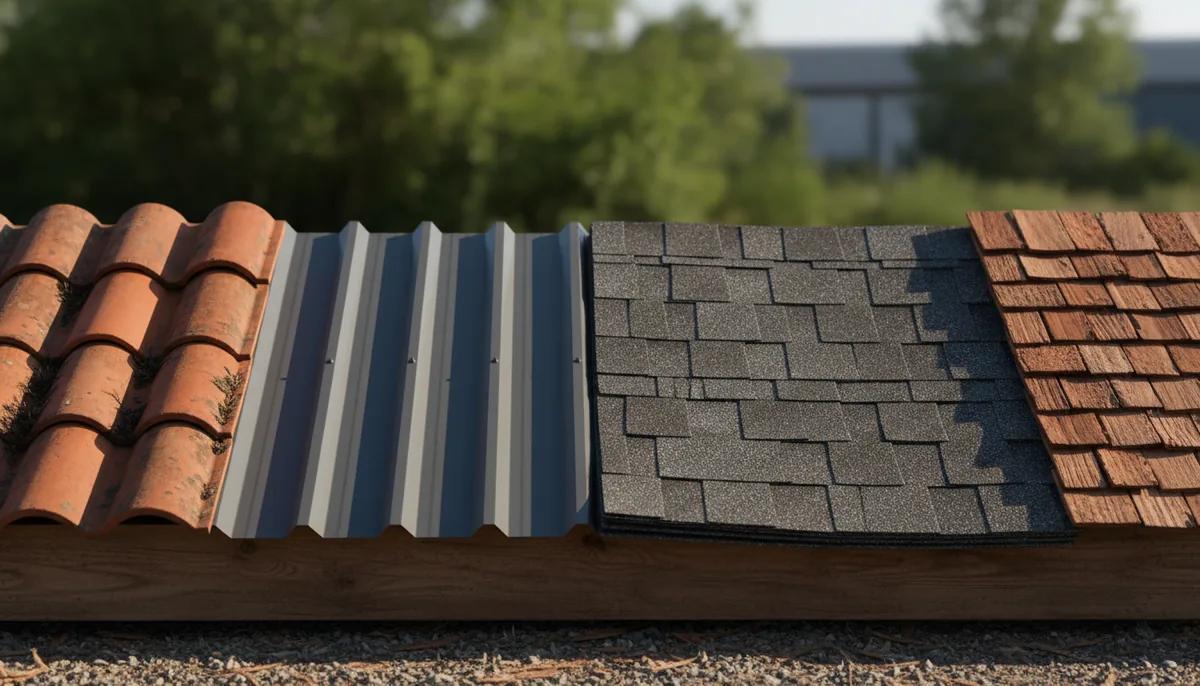
The type of metal panel also drives the quote. Screw-down panels use exposed fasteners and are usually a cheaper installation, but every exposed screw is a future leak point. Standing seam panels use hidden clips and a mechanically seamed joint, which means more skill and more labor. In Florida wheather, I tend to favor systems that minimize holes in the roof, but I’ve also seen beautiful standing seam roofs ruined by a bad flashing detail at the bottom edge.
Thicker metal costs more and dents less. Coating matters more near salt air. No two bids are comparing the same thing unless the metal gauge, profile, coating, and fasteners are spelled out on paper.
What I would actually do: Ask for the metal gauge, the coating type, the underlayment brand, the fastener specification, and who pays for deck repair discovered after tear-off. If it’s not written down, it doesn’t exist.

Pull the permit and check the DBPR number before you say yes
Here is my one real gripe: too many people start picking colors before they check the license number. A Florida roof replacement requires a permit pulled from the local building department and an inspection. If a contractor says you don’t need one, or that the permit will cost extra and slow everything down, walk away. An unpermitted roof can complicate an insurance claim and a future home sale. And a permit pulled “later” is usually never pulled.
Florida roofing contractors are licensed by the Department of Business and Professional Regulation. Check the license number against the DBPR roll and make sure it is active. A certified contractor’s number starts with CCC and may work anywhere in Florida. A registered contractor’s number starts with RC and may only work in the local jurisdiction that licensed them. If an RC is calling you forty miles outside that county, that’s already a problem.
Since SB 4-D (2022) changed some of the contract and assignment language around Florida roof claims, I’ll say this too: don’t sign an assignment of benefits form from a stranger with a clipboard. I’m not a lawyer or an adjuster. I’m the guy who shows up afterward and has to explain what the paper you signed actually gave away.
What I would actually do: Write down the contractor’s license number before they climb the ladder. Verify it on the DBPR roll. Then call the local building department and confirm the permit is on file for your address before any metal goes on.
A wind mitigation inspection is where metal roofs can earn their keep
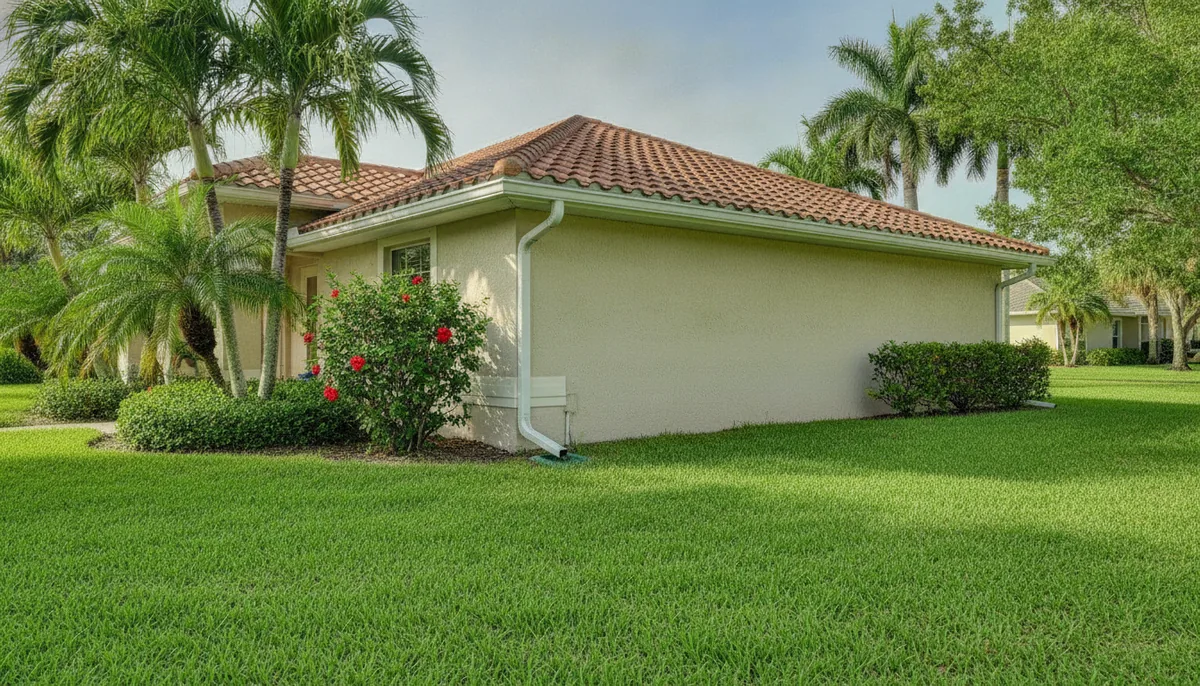
A Florida insurer must offer premium discounts for qualifying wind-resistance features. The standard inspection form is OIR-B1-1802, and it documents roof covering, roof deck attachment, roof-to-wall connection, roof geometry, secondary water resistance, and opening protection. A metal roof usually looks good in the roof covering line, but the other lines are about structure you cannot see from the driveway.
If the roof deck is under-nailed or the roof-to-wall ties are missing, a shiny metal roof won’t fix it. Wind doesn’t stop at the panel. It grabs the whole assembly. So the best time to think about wind mitigation is when the old roof is off and the deck is exposed. Add the fasteners and connections then, not later.
The inspection itself typically costs far less than the annual discount it can open up, and the form gives your insurer what it needs to apply the right credit. But do not let a roofer promise you a specific premium amount. Coverage and discounts vary by policy. Read your declarations page, ask your insurer, and use the wind mitigation form as part of your own decision.
Questions I get asked
What does metal roof cost per square foot in Florida 2026 actually look like?
There isn’t one honest number until I can see your pitch, access, deck, old layers, and the panel profile you want. Anyone who quotes one over the phone is guessing. The real number comes from a contractor who walks the roof, reads the building permit requirements, and writes a detailed scope.
Is standing seam worth the extra cost over screw-down metal?
For most of Florida, I usually think yes if the installation is done correctly, because hidden fasteners mean fewer holes in the roof. Screw-down systems can last a long time, but every exposed screw is a place for water to work it's way in. Wether the extra cost is worth it depends on your roof geometry and your budget.
Can I put a metal roof over my old shingles?
Sometimes, but not just because it’s cheaper. It depends on local code, the condition of the existing roof, how many layers are already there, and whether moisture can escape. Ask the local building department before you beleive anyone who says an overlay is fine.
Will a metal roof automatically lower my homeowners insurance?
No. A metal roof alone doesn’t automatically lower your premium. Discounts are driven by a wind mitigation inspection, the features actually installed, and the language in your policy. The metal roof covering can help on the OIR-B1-1802 form, but roof deck attachment, roof-to-wall connections, and opening protection matter too.
How do I check a roofer’s license in Florida?
Search the contractor’s license number on the DBPR roll and make sure the status is active. A number starting with CCC means certified and authorized statewide; one starting with RC means registered and limited to the local jurisdiction that issued it. Verify the name matches the contractor, the address matches the truck, and the license is not suspended.