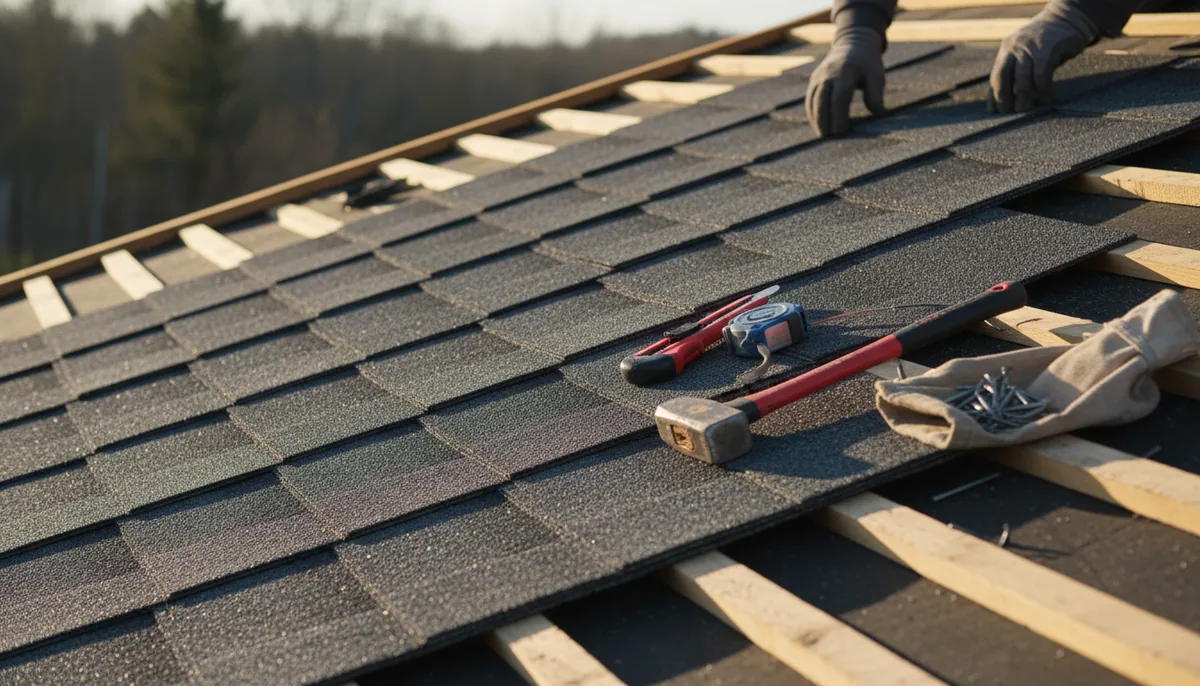
Metal roof in Florida: The Florida Guide
By Marcy Doleman, Commercial roofing estimator. Reviewed by Hal Winstead, Editor, licensed roofing contractor. That afternoon in Naples is why I tell people to slow down and take off their shoes before they climb a metal roof. I was up on a standing-seam job over a retail plaza, chasing a leak that had shown up on their insurance paperwork, and I kept circling the same spot without finding the problem. It turned out the leak was never where the watermark was. It was twelve feet away, running along a purlin, and it only showed when we drenched the slope with a hose on a gusty day. Metal is unforgiving that way, and Florida makes it harder. If you are shopping for a roof, do not start with a color chart. Start with the metal roofing companies in Florida on this directory and check their contractor licence before you call anybody.
I spend my workdays estimating flat and low-slope commercial work. That means warehouses, retail plazas, and schools, and I have bid enough TPO, modified bitumen, and coating jobs to know what happens when somebody slaps a residential product on a commercial building. But the metal question comes up on almost every job. Homeowners in Cape Coral want it. Churches in Tampa want it. Even a few warehouse owners in Jacksonville ask wether we can put metal over a failing modified roof. And my answer is always the same: maybe, but it depends what is under there.
Metal does alot of things well in this state. It handles our rain because the panels are long and the seams are tight. It does not rot, it does not feed termites, and it reflects heat far better than dark shingles. But Florida is also the place where I have watched a gorgeous metal roof get torn off a strip mall because somebody used exposed fasteners and undersized clips. The roof is not the product. The installation is the product. Wind does not care what the panel looks like from the parking lot.
Metal roof vs shingles in Florida: what I actually tell people
The honest answer is that it's not close on lifespan. A good asphalt shingle roof in Florida might give you fifteen to twenty years if you are lucky and the attic is ventilated right. The sun just cooks them. A metal roof, call it thirty or forty years for a decent standing-seam system, and lower if it's an exposed-fastener panel in salt air. But lifespan only matters if the roof stays attached through an August squall.
Shingles fail one shingle at a time. That sounds manageable, and it is, right up until a big storm tears off a swath of them and the deck gets wet. Metal fails at the fasteners and the seams. A screw backs out a half inch and you will never see it from the ground, but the panel starts to flutter in a big breeze. That flutter works the adjacent screws loose. It is a cascade, and I have seen it happen a dozen times.
The cost question everyone wants answered: metal runs roughly two to three times the price of architectural shingles on the same simple gable roof, priced per square, and the gap narrows on low-slope commercial because the labor for shingles is slower up there anyway. You will not save money on the first roof. You save it on the second roof, when your neighbor is paying for a tear-off and you are still dry.
Why metal roofs fail in Florida, and what to watch for
I have been wrong about this before, but I have never been wrong about salt. If you are within a couple of miles of the coast, the salt air attacks exposed fastener heads and the cut edges of panels. A metal roof in Key West is not the same animal as a metal roof in Ocala. The finish matters, the gauge matters, and the trim details matter more than either.
The biggest failure I see is the leak at the grommet. That is my gripe. Every accessory — the plumbing stack, the AC line set, the satellite dish — gets held down with a screw and a rubber grommet. The rubber dries out, the sun cracks it, and water comes in around the fastener. You cannot see it from the roof because the grommet looks fine. The water has already traveled six feet along the underside of the panel before it drips.
What I would actually do: Before you sign a contract for metal, ask the roofer how they plan to flash every single penetration on the roof. If the answer is "we use grommets," walk away. If they describe a proper flashing boot or a curb with a metal pan, you are probably in good hands.
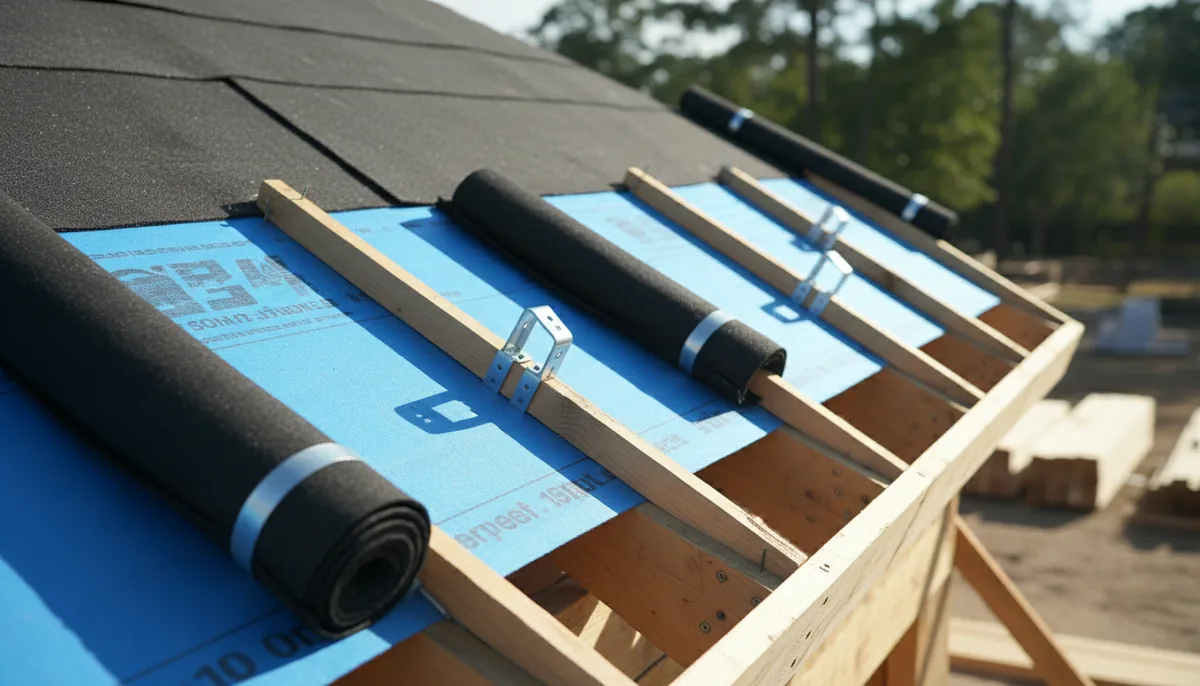
Metal vs shingles in Florida, the wind part
Wind is the whole ballgame here. The Florida Building Code has gotten stricter because we keep learning the hard way. The key is not just the panel. The key is the deck underneath and the way the roof ties into the walls. A metal roof can look untouched while the entire gable end lifts because the truss clips pulled loose. Shingles can be gone from the front half while the deck stays put, and you end up with a tarp job for three months.
I have seen insurance adjusters walk a metal roof and call it hail damage when it's really just a bad installation. And I have seen the reverse. Missing shingles after a named storm are easy to photograph. A metal roof failure is usually hidden in the fastener pattern and the flashing. That is why you need a good contractor and a wind mitigation inspection done by somebody who knows what they are looking at.
You also need to think about what happens when the claim gets filed. Insurance coverage varies by policy, so I am not going to tell you what yours covers. Read your declarations page. What I can tell you is that a metal roof, depending on the system and how it attaches, often qualifies for a better wind classification than shingles. That classification translates into a discount, but only if you have the paperwork to prove it.
The licence thing, and why the prefix matters
Florida roofing contractors are licensed by the Department of Business and Professional Regulation. The DBPR licence prefixes CCC and RC look similiar, but they are not the same. A certified contractor with a CCC can work anywhere in the state. A registered contractor with an RC can only work in the local jurisdiction that issued the licence. I have had a homeowner in Fort Myers tell me their roofer was from Naples and everything was fine. It was not fine. The roofer was registered in a county forty miles away, and the permit never got pulled.
You should of always verify the number is active before you hire. The DBPR roll is public, and it takes two minutes to check. Do not skip that step just because the salesman had a nice truck and a firm handshake. Nice trucks do not hold up in a code compliance hearing.
What I would actually do: Check the DBPR roll the same day you get the bid. Copy the licence number exactly. If the prefix is RC, ask which jurisdiction issued it. When the jurisdiction does not match the job address, move on.
The 25% rule, what changed, and what did not
People ask about the old "25 percent rule" all the time, so let me give you the plain version. For years, the Florida Building Code said you could not repair or replace more than a quarter of a roof in a year without bringing the whole roof up to current code. That bit a lot of owners who just wanted a small repair and ended up paying for a full replacement.
SB 4-D (2022) changed that. If your roof was built, repaired, or replaced under the 2007 Florida Building Code or any later edition, then only the section you are working on needs to meet current code. A full replacement is no longer automatically triggered. The catch is the date. The 2007 code took effect on 1 March 2009, so a roof completed before that date generally does not qualify. If you are unsure when your roof was built, pull the original permit records before you start.
This matters for a metal roof because a repair on an older metal panel often means matching a discontinued profile. When the profile no longer exists, the roofer might propose a partial replacement or a coating system, and the code question decides whether that triggers a bigger job. I have bid jobs where the customer thought they were getting a simple patch and ended up needing a full overlay because the roof predated 2009.
What a wind mitigation inspection actually gets you
A wind mitigation inspection is not a home inspection. It documents six specific things: the roof covering, the roof deck attachment, the roof-to-wall connection, the roof geometry, the secondary water resistance, and the opening protection on doors and windows. The inspector fills out the standard form, OIR-B1-1802, and your insurer uses it to calculate a credit.
Florida insurers are required to offer premium discounts for qualifying features, and the annual discount often costs less than the inspection, by a long shot. I am not a licensed adjuster, so I will not guess at your exact savings. But I can tell you that a metal roof with the right attachment often scores better than shingles on the deck and covering lines, which is where the big credits live. Some owners hesitate because the inspection costs money up front. That is backwards. The inspection is one of the few things in this industry that almost always pays for itself in the first year.
Do not assume your insurance company will take your word for it. The discount only goes on the policy after the form is submitted. And if you have an older home, you should also look into the My Safe Florida Home program or ask your agent about Citizens Property Insurance Corporation requirements. Those programs change, so check the current details rather than trusting a blog post.
Questions I get asked
Does a metal roof make my insurance cheaper?
Probably, if it has the right wind rating and you get a wind mitigation inspection to prove it. The inspection form, OIR-B1-1802, is the piece of paper that matters. Without it, the insurance company has no reason to give you a discount.
Can the contractor pull the permit for me?
Yes, and they should. A roof replacement in Florida requires a permit from the local building department and an inspection. If a contractor offers to skip the permit to save time, walk away. An unpermitted roof can complicate an insurance claim and it can complicate a future sale.
How much does a metal roof cost compared to shingles?
It costs more up front, call it two to three times for a typical house on a simple pitch, but that is priced per square and it depends heavily on pitch and access. The real comparison is over thirty years. Metal outlasts shingles, but it costs more to repair when it does fail.
Can you put a metal roof over an existing shingle roof?
Sometimes, but I would not in Florida. The old roof traps moisture and hides rot in the deck. You get a new metal skin over a decaying structure, and then the metal fails for reasons that had nothing to do with the metal. Strip it down and look at the deck.
How long does a metal roof last in the Florida sun?
A good standing-seam system can go thirty or forty years, give or take. But the finishes fade, the gaskets dry out, and the salt air eats the edges near the coast. Lifespan depends more on the installation and the environment than on the panel itself.
Does the RC licence matter if the roofer has a good reputation?
It matters completely. An RC licence only allows work in the jurisdiction that issued it. If the job is across the county line, that roofer is unlicensed for that job, full stop. Reputation does not override the DBPR roll. Check the prefix.