
Mobile home roof maintenance in Florida
By Bud Kettering, Roof consultant and inspector. Reviewed by Hal Winstead, Editor, licensed roofing contractor.
Let me tell you about a Tuesday afternoon in Fort Myers. I was up on a 1998 Fleetwood single-wide checking a valley that had been patched three seperate times, and the homeowner was holding the ladder, telling me about a deal he got on a "rubber roof over everything" from a guy whose name he couldn't quite remember. I peeled back the top layer of the patch and found the real problem wasn't the valley metal. It was the roof deck under it, which had the structural integrity of a wet cracker. The cheap re-roof had trapped moisture against the old metal, and the screws had pulled through the rotten wood. We weren't fixing a leak that day. We were planning a full deck replacement.
That is the reality of mobile home roof maintenance in Florida. It's not a single chore you pencil in for spring. It's a system of small decisions that either keep the wheather out for another decade or cost you the price of the trailer in repairs. If you need a crew, start with the mobile home roofing companies in Florida directory, but know what you are asking them to do before they climb up. And know what you are looking at from the ground.
I've spent thirty-odd years crawling through Florida attics with a torch and a moisture meter. I've inspected roofs for buyers who got cold feet, sellers who got a surprise, and insurers who got a claim. I've been wrong before, and I've been too confident before. But the basics of keeping a tin can dry in a subtropical swamp don't change much, and I can tell you them without a sales pitch.
The first thing I want you to understand: your roof is a system, and the leak is usually the last symptom
The average mobile home roof in Florida is a low-slope metal affair, often with a rubber membrane over it now, and it takes a beating that a shingle roof in Ohio never sees. You get thermal expansion, you get ponding water after a deluge, you get wind-driven rain pushed under a lap that was never sealed right. When a leak shows up as a brown stain on your ceiling, the water has already travelled along a truss or a pipe penetration and dropped in a spot nowhere near the actual hole. The stain is the last thing to happen, not the first.
What that means for maintenance is that you have to get ahead of the water. You can't just wait for the drip. I tell customers to pick a dry day after a heavy rain and get up there with a bucket of water and a friend on the ground. Pour water over suspect areas—vent boots, the seam where the roof meets the wall, the edge of that rubber patch—and watch the interior ceiling from below. If you see a drip start six inches from where you're pouring, you've learned something. That's your roadmap.
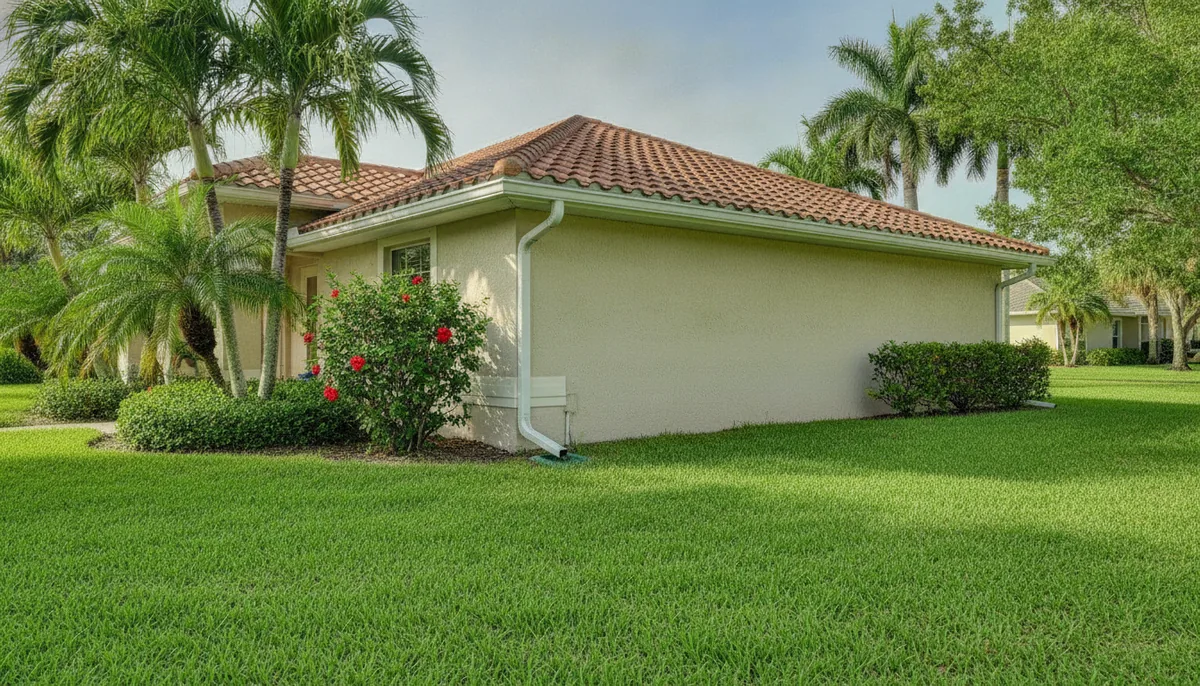
The rubber roof over your metal roof is a race against trapped moisture
A lot of Florida mobile homes have a rubber membrane that was installed over the original metal roof. It saves you from tearing off the old roof, and it can work. It can also be a disaster, because it seals the top so well that any moisture that gets in from a cracked vent or a roofing screw that backs out has nowhere to go. That water sits on top of the old metal roof, in a warm, dark, damp space, and it rots the wood underneath.
I did an inspection in Lakeland a few years back where the rubber looked perfect from the ground. It was white, uniform, no ridging. The homeowner was proud of it. Then I got into the attic, and the mood was different. The plywood deck was black with moisture, and when I pressed my torch to it—nothing, it had no give, it was just mush. The rubber was five years old. The roof deck was gone. A moisture meter tells you what a visual inspection can't, but the obvious signs are there too if you look at the screws poking through the deck from below. If you see rust around the screw heads on the interior side, you have moisture on the deck, and you have a problem.
What I would actually do: When I'm checking a rubber-over-metal roof, I don't trust the surface. I get in the attic and push on the deck from below with a flat bar. If it gives, or if I see water staining around every screw shaft, I stop looking for the leak. The leak is the symptom. The soggy deck is the disease, and it needs to come out.
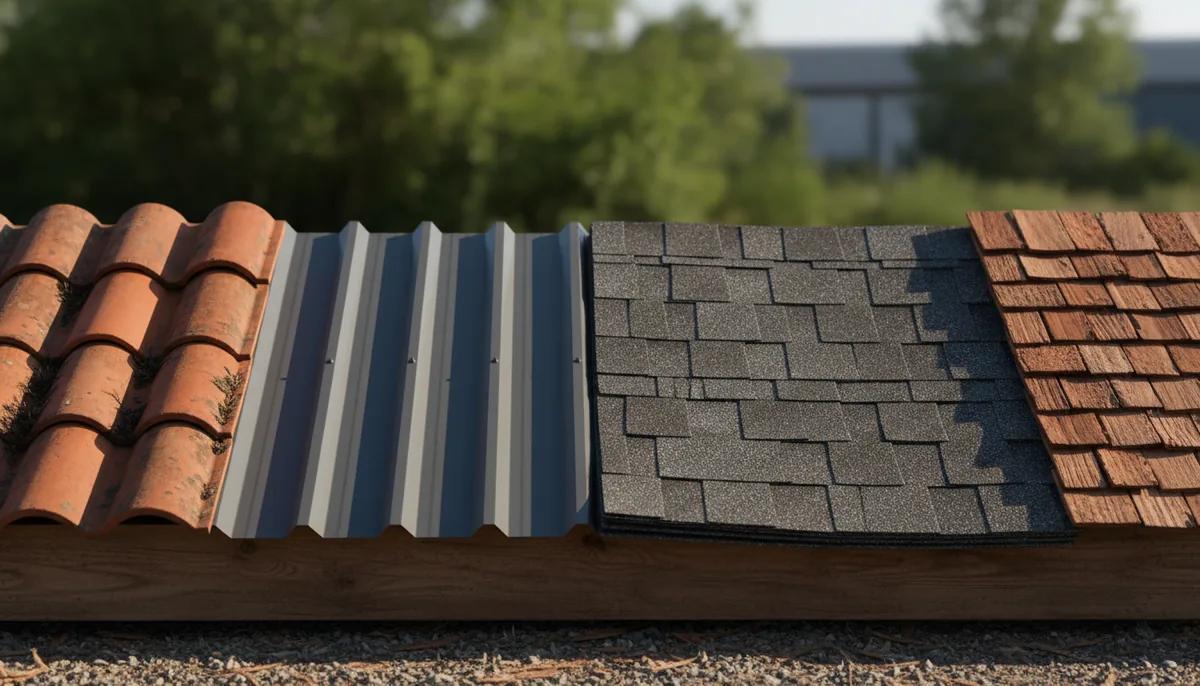
Why the wind probably scares you more than the rain, and why you're right
A Florida mobile home roof has to stand up to a hurricane. We think about rain, but the wind gets into the eaves and tries to peel the metal back like the lid of a sardine can. The key to your roof's survival isn't just the membrane or the metal. It's the connection.
There are two types of wind load at work. There's the uplift that tries to lift the roof straight off, and there's the overturning moment that tries to push the whole house sideways. Your roof deck needs to be attached to the trusses with enough fasteners. Those trusses need to be connected to the walls with metal clips or straps. If that chain is broken—and it often is, especially on older units—the strongest roof membrane in the world won't save you. The roof will separate from the walls.
I was in a park near the coast after a tropical storm that was nothing special, just a strong thunderstorm with a squall line. A single-wide at the end of the row lost most of it's roof metal. Not the whole roof, just the sheets on the windward side. The neighbors looked at me and said "the wind came through here." And it did. But when I got up there, the nails that had held that metal down were barely a quarter-inch into the framing. They had been pulling out slowly for years, every hot day and every strong breeze, until a bad gust finished the job. The wind wasn't the problem. The undersized fasteners were the problem.
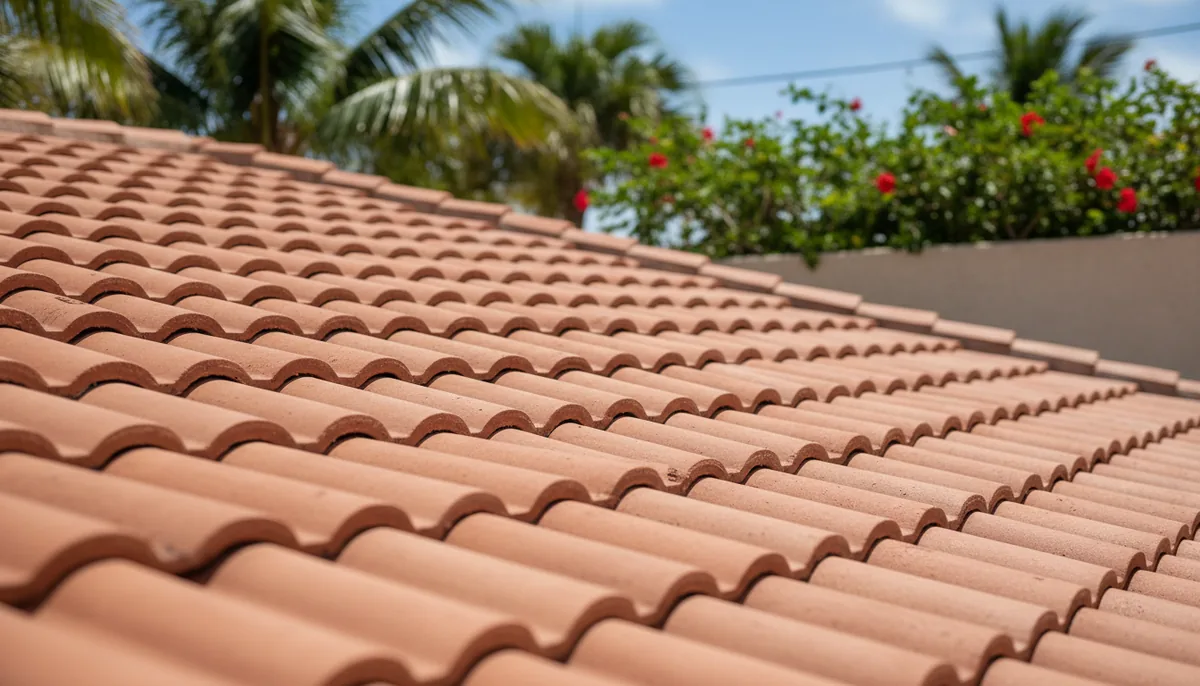
The license, the permit, and the roofer who wants to skip both
This is the part of the post where I get preachy, because it costs people real money. Florida roofing contractors are regulated by the Department of Business and Professional Regulation. A certified contractor has a license that begins with the prefix CCC and may work anywhere in the state. A registered contractor's license begins with RC and is limited to the local jurisdiction that issued it. You can check all of this on the DBPR roll yourself. It takes two minutes. Do not take my word for it, and do not take the contractor's word for it. Verify the number is active before you hand over a deposit.
A roof replacement in Florida requires a permit from your local building department, and it requires an inspection. If a contractor offers to save you money by skipping that step, that is a contractor to walk away from. I have been on roofs where the work looked fine but the permit was never closed, and that unpermitted work becomes a nightmare when you file an insurance claim or try to sell the place. The buyer's inspector (me, sometimes) finds the permit history is empty, and the whole deal gets shaky. The contractor who skips the permit is stealing from your future, not saving you money.
What I would actually do: Before I put a contract on a house, I pull the permit history on the roof. If the roofing work has no permit and no record, I tell my client that the roof is a liability. It might be the best roof in the park, but without the permit, the paper trail is a hole that you'll fall into later. Pay the fee. Pull the permit. Sleep at night.
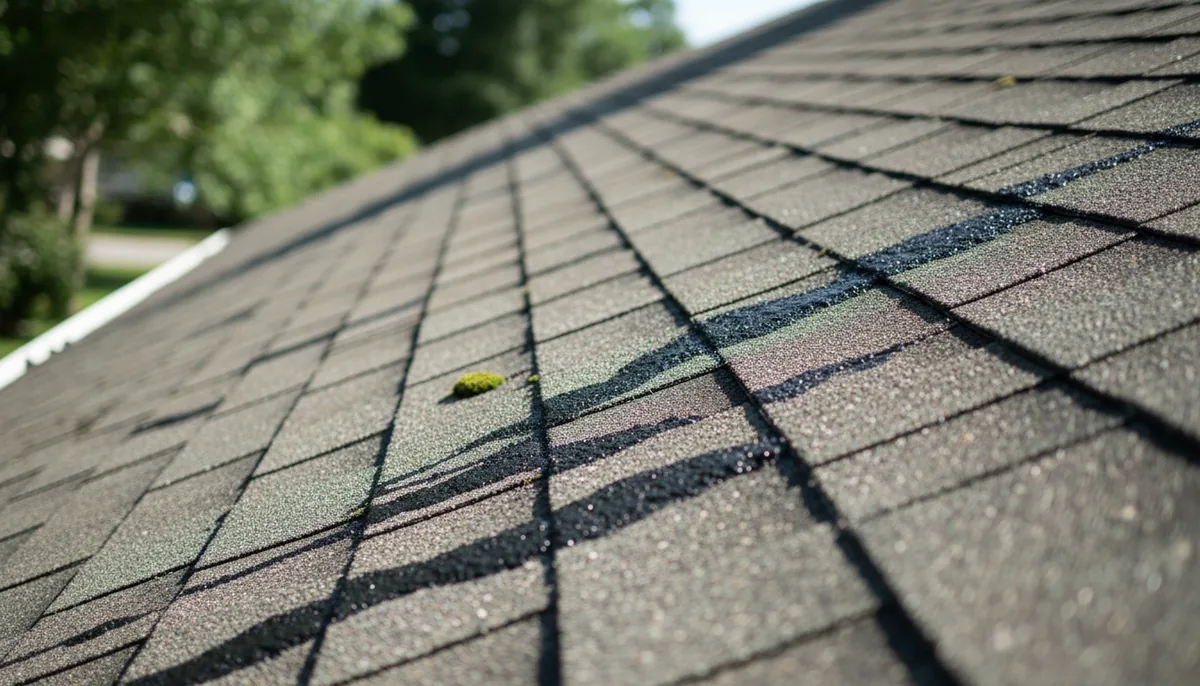
The wind mitigation inspection you have probably never heard of
Here is a piece of Florida roof maintenance that has nothing to do with a ladder. It is the wind mitigation inspection, and it documents how your roof is built and how it is attached to the walls. It looks at the roof covering, the deck attachment, the roof-to-wall connection, the roof geometry, wether you have secondary water resistance, and whether you have opening protection. The standard form is OIR-B1-1802.
When that inspection is done, your insurer—if you have one in Florida, which is a whole other can of worms—is required by law to offer you a discount if your roof qualifies. Some features can dramatically lower your premium. The caveat is that you have to have the inspection done and give the form to your insurer. I have seen customers save enough in a couple of years to pay for the inspection many times over. It is not a repair. It is a paperwork tool, and it is one of the smartest things a mobile home owner can do. The law that requires insurers to offer these discounts has been around for a while, and property insurers in Florida must offer them. Citizens Property Insurance Corporation, if you're with them, follows the same rule. And if you're looking for help with other wind-resistant improvements, you should check what programs exist in your state, because there used to be a program called My Safe Florida Home that helped some homeowners, and the rules for those things change. The inspection is the first step, and it's cheap.
Questions I get asked
How often should I actually get on my mobile home roof?
At least twice a year, and after any storm that makes you nervous. Once in the spring before the rainy season and once in the fall after the worst of the heat is over. That is not a guarantee, that is a minimum. If you have trees overhanging the roof, check it monthly. You are not looking for damage every time, just changes.
Can I just paint the metal roof with a cheap sealant every few years?
You can, but you are buying time, not fixing a problem. Those sealants dry out and crack and they hide what is happening underneath. I would rather see you fix the actual penetration or seam than coat the whole thing. A coating failure gives you a false sense of security.
Why does the roofer want to replace the whole roof when I only have one small leak?
Because the roofer can see leaks you can't. That one small stain in the living room might have water running down the truss from three feet away, and the deck in that area might already be rotten. When we pull the metal off, we often find that the leak you noticed was just the one that finally soaked through to the ceiling. The other leaks were evaporating in the attic or dripping onto the insulation.
How do I know if my roof-to-wall connection is any good?
You get a flashlight and you look at the roof framing where it sits on the outside wall. You are looking for metal plates or clips that join the top of the wall to the bottom of the roof truss. On alot of older trailers, the trusses are just nailed to the top plate, and that is not strong enough in a high wind event. If you see just nails, you should talk to a structural contractor about adding clips.
If I have a leak, do I need a whole new roof right away?
Maybe not. Depends what is under there. If the deck is dry and the leak is limited to a seam or a vent boot, you can repair it properly and go on. If you have had a leak for a while and the moisture has rotted the deck in a large area, then a repair is just you paying for a small patch on a bigger problem. The line is usually drawn by the moisture meter, not by the calendar.
Do I really have to pull a permit for a repair on my own home?
For a repair, the rule depends on your local building department, but if you are replacing the whole roof covering, yes. A permit is required, and the inspection protects you. I know it feels like paperwork. When you have an insurance claim after a storm and you have no permit for the roof you just replaced, you will understand why it matters. The insurance company will want to know that the roof was installed to code. Your permit is the proof.