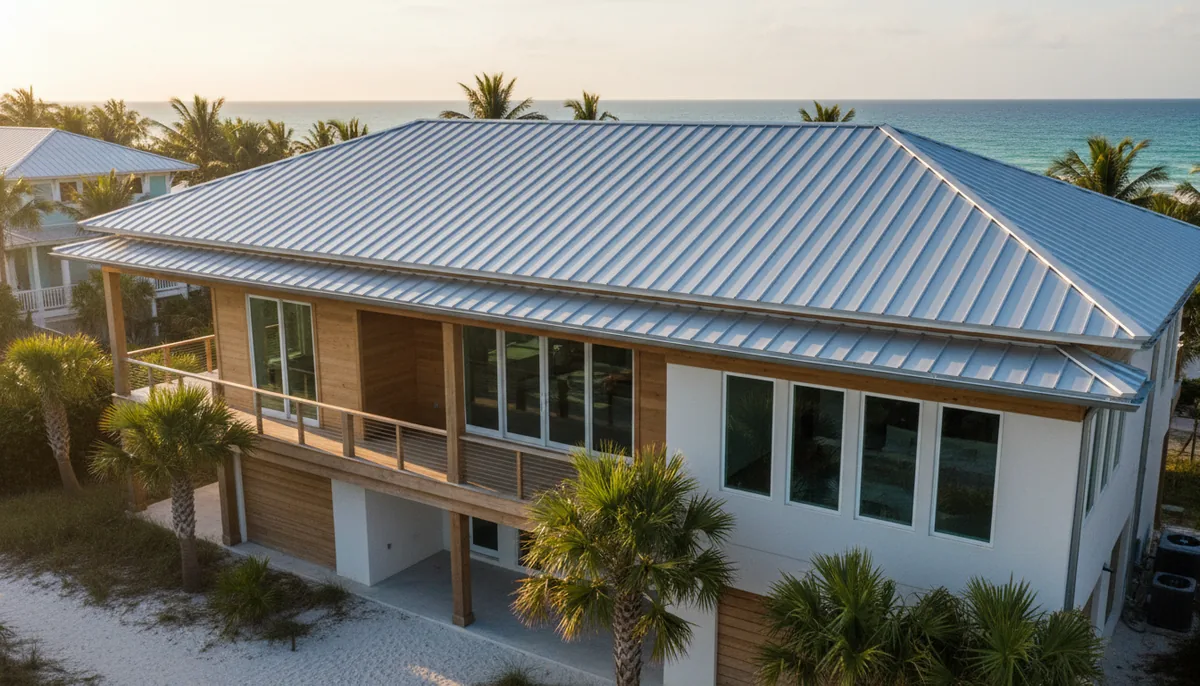
Pros and cons of metal roof in Florida: The Florida Guide
By Dale Prescott, Roofing contractor, Central Florida. Reviewed by Hal Winstead, Editor, licensed roofing contractor. I was up on a barrel tile roof in Winter Park back in '04, the tail end of Charley having come through and peeled half the tile off like it was nothing. The homeowner was standing in the yard yelling up at me about wether he should have gone with metal, and I remember thinking, "Mister, that ship sailed about six hurricane seasons ago." That conversation has played out a hundred times since, and it's never a simple yes or no. Some of it depends on your neighborhood, some on your budget, and alot of it depends on what you're willing to live with for the next thirty years.
Metal is a completely different animal than shingle or tile, and folks get starry-eyed over pictures of barns in Oregon. Florida is not Oregon. We have salt air, sideways rain, and UV that eats everything eventually. I've put on more square footage of metal than I can add up, and I've also torn off metal roofs that failed in ways you wouldn't expect. Before you call anyone, let me walk you through what I actually see in the field. If you're in the early research stage, the best first step is a list of the bigger picture from a few companies you can check against the DBPR roll—here's a solid starting point with metal roofing companies in Florida if you want to see who's doing what.
The first thing to understand is that "metal roof" is a broad term. It covers the standing seam stuff with hidden fasteners, the exposed fastener screw-down panels you see on barns and commercial buildings, and the metal tile that mimics clay or shake. They all behave differently. A standing seam roof has clips that let the metal move when it heats up, and that movement matters, because a roof surface in Central Florida can swing a hundred and fifty degrees between a winter morning and a summer afternoon. You screw a panel down tight with exposed fasteners and it will eventually elongate, working those screws loose in the holes. I've seen it happen in five years. I of been wrong before, but not about this.
What a metal roof does right in a Florida thunderstorm
The big selling point, and it's a genuine one, is the way metal handles water. A properly installed standing seam roof sheds rain like a duck, and the slopes and valleys are built to push water off hard and fast. Tile and shingle roofs work on a watershed principle too, but they have more fasteners and more penetrations where water can find a way in. Metal has fewer seams, and the seams it does have are standing above the waterline, not lying flat where water pools. During a driving rain with wind coming from the east, that matters.
It also shrugs off hail better than a lot of shingle products. Hail in Florida is not the tornado alley monster stuff, but we get our share. A hailstorm that dings up shingle granules and leaves you with bare fiberglass mat will just bounce off a metal panel. That isn't a guess. I've inspected the aftermath of storms where shingle roofs were shot and the metal roofs next door had nothing but a few cosmetic marks you'd need a ladder to see.
The other side of the coin: cost and installation
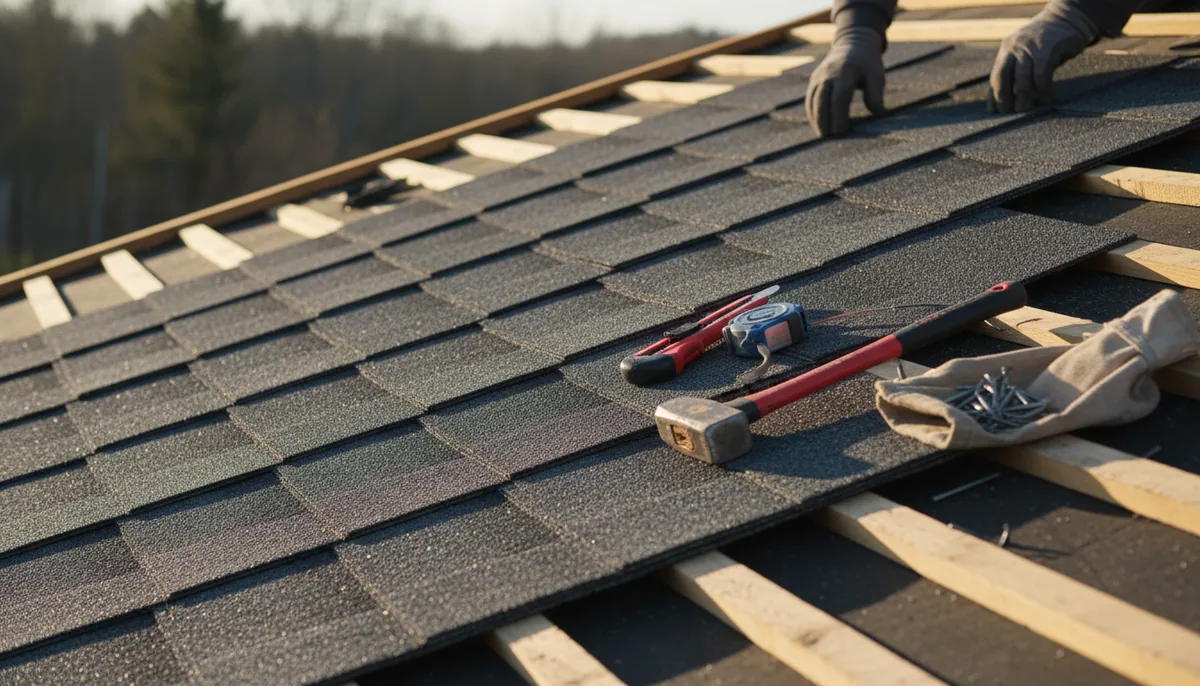
Here's where I have to be straight with you. Metal costs more. It costs more per square than architectural shingle, and the price gap depends on pitch, access, and the complexity of your roof plan. A simple gable roof with good access is on the cheaper end. A two-story house with multiple valleys, dormers, and a steep pitch will eat labor hours, and the price climbs fast. I don't quote numbers from memory because every house is different, but I'd rather tell you to budget generously and get three itemized bids than throw out a figure that turns out to be fiction.
Installation is also not a job for a guy with a screw gun and a pickup truck. Standing seam metal requires specific tooling, especially if you're doing standing seam with a seamer machine that crimps the panels together on the roof. A bad installation can negate every advantage of the material. I have torn off metal roofs that leaked like sieves because the contractor used the wrong fasteners or didn't account for thermal movement. The metal itself wasn't the problem. The installation was.
What I would actually do: Ask any contractor you're considering for three recent metal roof installs you can drive by, and ask for the name of the manufacturer's rep they work with. A good metal roofer can walk you through the specific panel profile they recomend for your neighborhood and tell you why they're not sold on the other one.
Salt air is not a rumor
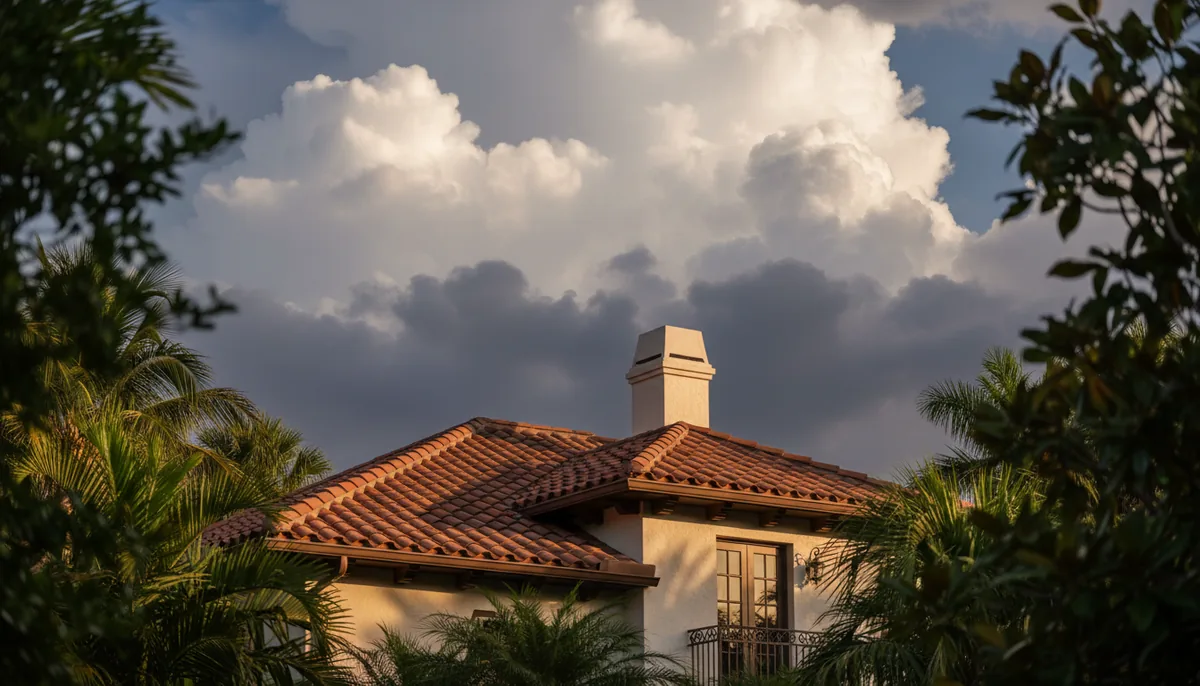
Let's talk about the coast, because that's where the romance of metal dies for some people. If you're within a couple miles of the Atlantic or the Gulf, salt-laden air is the enemy of every exterior surface on your house. A bare steel panel will develop surface rust, and if the cut edges at the ridge and the eaves aren't properly treated, that rust creeps. The good manufacturers use a Galvalume coating, which is a zinc-aluminum mix that holds up far better than plain galvanized. But the cut edges are still exposed, and water sits in those little cuts.
That's not to say you can't have metal near the ocean. Plenty of high-end homes on the water have metal roofs, but they're usually the higher grade standing seam systems with thicker paint and better edge treatments. The problem is when people buy cheap imported steel panels and put them up in a salt environment. You might get ten good years, and then the finish starts to chalk and the edges start to show their age. For a coastal house, I'd lean toward metal only if you're willing to pay for the good stuff and maintain it.
Insurance, wind mitigation, and the 25% rule that changed
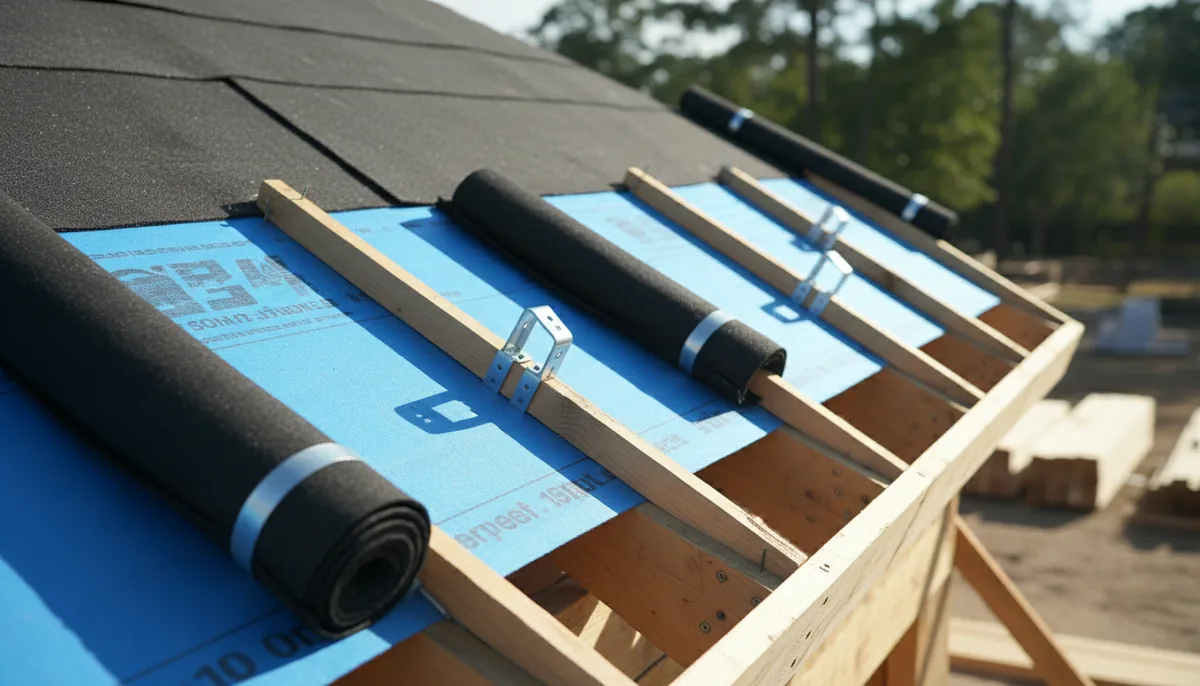
Now for the part that gets people excited. Florida insurers have to offer premium discounts for roofs that survive wind better, and the inspection that documents those features is a wind mitigation inspection, done on the official form OIR-B1-1802. Metal roofs can score well on that form, but here's the kicker: it's not just the covering. The inspector looks at the roof deck attachment, the roof-to-wall connection, the geometry of the roof, and whether there's a secondary water barrier under the metal. A cheap metal roof over a poorly attached deck won't save you much on insurance, and a well-installed shingle roof over a properly tied-down deck might actually score better.
Coverage details vary by policy, so I won't tell you what your specific policy will or won't give you. Read your declarations page and talk to your agent. What I can tell you is that the wind mitigation inspection itself is worth doing, because the annual discount usually pays for the cost of the inspection in a couple of years. And if you're in a Citizens Property Insurance Corporation policy, or you're looking at your renewal after a storm, those discounts are a big deal.
And then there's the rule that trips everyone up. For years, the Florida Building Code said that if you repaired or replaced more than 25% of your roof in a twelve-month period, you had to bring the whole roof up to current code. That's the old "25% rule." But they changed that in 2022 with SB 4-D (2022). What it means now is this: if your roof was built, repaired, or replaced under the 2007 Florida Building Code or anything newer, then only the section you're working on has to meet current code. A full replacement is no longer automatically triggered just because you hit that 25% threshold. But that only helps you if your roof was done under the 2007 code, which took effect in March 2009. If your roof is older than that, it gets murky, and I'd say it's worth a conversation with your local building department before you start.
What I'd actually worry about with metal
The thing that surprises people is the noise. A metal roof in a heavy rain sounds different than shingle. It's not a drumming, necessarily, if you have solid decking and good attic insulation, but it's a different sound. Some folks love it, like a percussion show. Some folks hate it and call me two weeks later. That's a personal preference thing, and you can't fix it after installation without tearing the whole roof off.
Another concern is panel expansion. In the heat of a Florida afternoon, a long metal panel can expand enough to make popping and creaking sounds as it moves in the clips. That's normal for certain profiles, but if you're a light sleeper and your bedroom is right under the roof, it might startle you at 4 a.m. I've had customers ask if the roof was about to fly off. It wasn't. But I understand why they asked.
What I would actually do: Make a list of the noises you're willing to tolerate. A metal roof is not silent, and it's not maintainance-free. If you want something that you never think about, a good architectural shingle roof with a proper nail pattern and a peel-and-stick underlayment might honestly serve you better and cost less.
Questions I get asked
Is metal louder than shingle in Florida rain?
Yes, generally, but how much louder depends on the roof deck and the insulation. A metal roof over open trusses with no decking is a noise machine. A metal roof over solid plywood with good attic insulation is much quieter. It's a real consideration, but it's not the dealbreaker people think it is.
Will a metal roof lower my home insurance?
It can, but only because of the wind mitigation features, not simply because it's metal. The insurer expects to see a form OIR-B1-1802 documenting the roof deck attachment, roof-to-wall connections, and secondary water resistance. A metal roof with good wind mitigation features can score well, but coverage and discounts vary by policy, so you have to verify with your own carrier. Don't assume the contractor's sales pitch matches your insurance company's actual discount table.
How long does a metal roof last compared to shingle?
A quality standing seam metal roof can last a long time, call it forty years or more, if the installation is right and you address any scratches or cut edges promptly. An architectural shingle roof is more like twenty-five to thirty years in Florida, and it depends heavily on ventilation. But the cost difference is significant, so you're paying upfront for that extra lifespan.
Do I need to worry about the roof permit process for a metal roof replacement?
You need a permit from your local building department, and a contractor who says they can skip it is a contractor you should run from. An unpermitted roof can haunt you at sale time and can complicate an insurance claim. Florida roofing contractors are licensed by the DBPR, and the licence numbers start with either CCC for certified or RC for registered. Always check that the number is active on the DBPR roll before you sign anything.
When was the 25% rule changed?
The change came in 2022 with SB 4-D (2022), and it applies to roofs built, repaired, or replaced under the 2007 Florida Building Code or any later edition. The 2007 code took effect in March 2009. If your roof is older than that, the old rule about a full replacement being triggered may still apply. That's one to verify with the local building department, not with me.
Can I put a metal roof over my existing shingle roof?
Sometimes, but I don't like it in Florida. You're hiding the condition of the old roof, and you're adding weight without being able to inspect the deck underneath. And in a state that gets a hundred-year storm every other decade, I want to know exactly what's under the new metal. Tear off the old roof. Do it once, do it right.