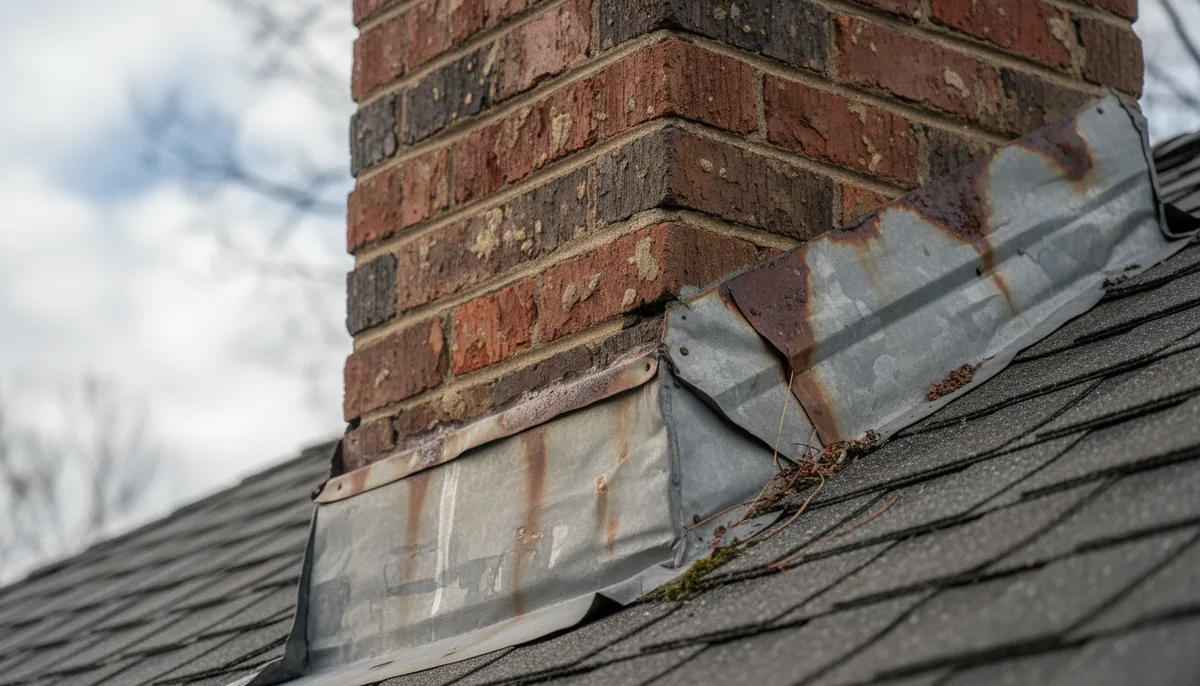
Roof leak damages as a Florida — How Bad Is It, Really?
By Dale Prescott, Roofing contractor, Central Florida. Reviewed by Hal Winstead, Editor, licensed roofing contractor. I remember a Tuesday afternoon in Winter Park, stripping tile off a 4,000-square-foot barrel roof that had leaked through a stucco-to-shingle transition. The sun was cooking the deck, and as we pulled the underlayment, we found the entire eastern slope had been leaking for months—not from the visible crack, but from a handful of popped fasteners along the ridge. The homeowner had no idea. Her insurance adjuster had already left. That roof cost her a fortune because nobody told her about the clock that was ticking, or the code rules that turned a simple repair into a whole new roof.
If you're searching for leak repair companies in Florida, you're probably standing in a puddle or staring at a ceiling stain. Let me tell you what that stain really means, because in Florida, a roof leak is never just a roof leak. It's a code problem, an insurance problem, and sometimes a legal problem all rolled into one dripping mess.
I've been tearing off storm-damaged roofs between Orlando and the coast for twenty-two years. I've seen what a little water does to decking, to drywall, to the wiring running through your attic. And I've seen what Florida's rules do to homeowners who wait just a little too long to act. So let's talk straight about how bad roof leak damages are in this state, and what you're actually facing.
So how bad is roof leak damage as a Florida problem?
Bad. Worse than the stain on your ceiling suggests. Water gets into places you can't see—behind the stucco, under the tile, into the insulation that turns into a soggy blanket that ruins your electric bill. In Florida, heat and humidity turn a small leak into mold growth inside of a week. I've been wrong about this before, but my rule of thumb is this: if the stain is the size of a dinner plate, the damage in the attic is double that. Give or take.
But what makes Florida different isn't just the wheather. It's the way our building code and insurance laws stack the deck. A leak in Ohio is a bucket and a patch. A leak in Florida can trigger a full roof replacement requirement, an insurance claim deadline you missed without knowing it, and an inspection that catches three other problems you didn't call about. That's the real damage—the kind that hits your wallet months later.
Why did my insurance adjuster mention the "25% rule"?
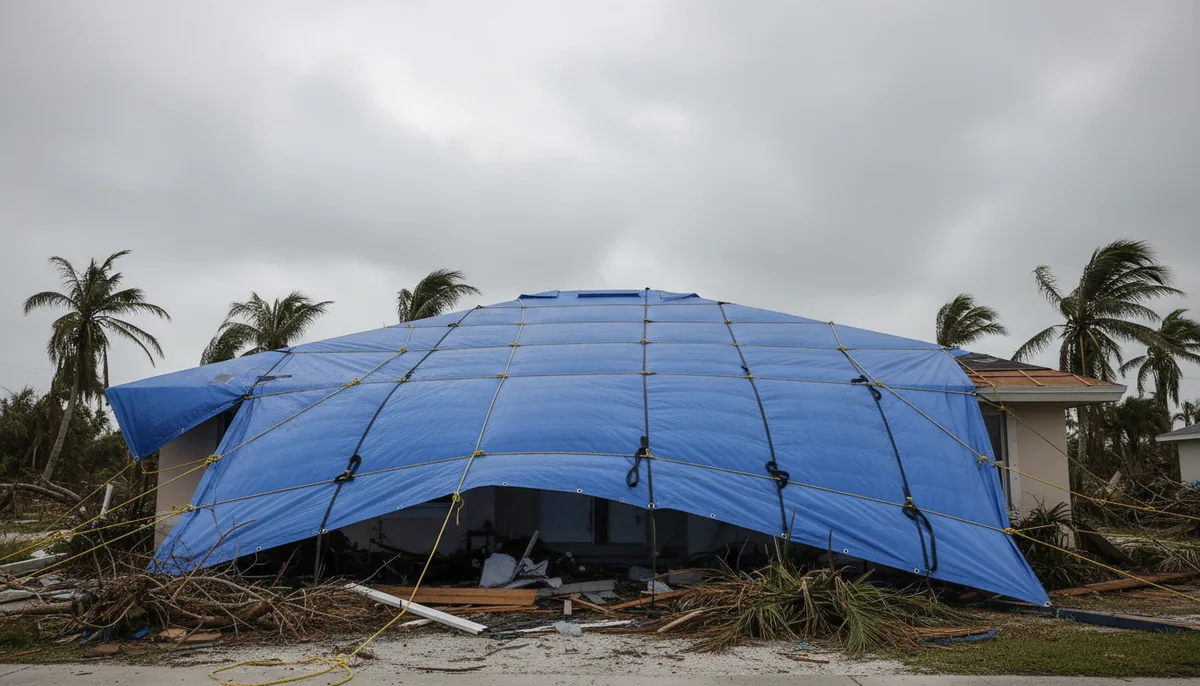
That rule used to be a nightmare. Here's how it worked: under the Florida Building Code, if you repaired or replaced more than 25 percent of your roof in a 12-month period, you had to bring the entire roof up to current code. That meant a storm that took out one slope of an older roof in 2020 often forced you to replace the whole thing, because patching a third of it legally meant upgrading all of it. It caught alot of people off guard.
Then SB 4-D (2022) changed the game. If your roof was built, repaired, or replaced under the 2007 Florida Building Code or any later edition, the 25% trigger is gone. You only have to bring the section you're working on up to current code. But here's the catch: the 2007 code took effect on March 1, 2009. If your roof went on before that date, you generally don't qualify for the change. And you need to prove when your roof was built. Do you have that paperwork? Most people don't.
What do I do about the permit and inspection?
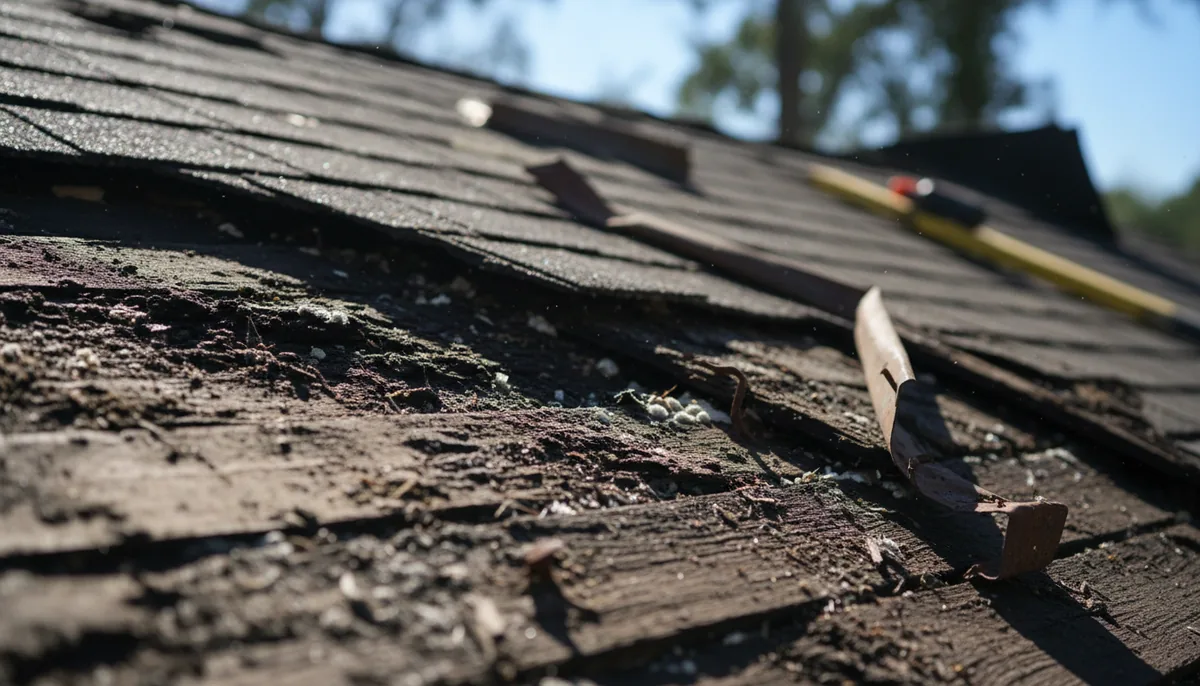
You pull a permit. End of story. A roof replacement in Florida requires a permit from your local building department, and that permit comes with an inspection. That's non-negotiable. I know the bureaucracy is annoying. I know it adds a day and a few hundred bucks to the job. But a contractor who offers to skip the permit is a contractor you walk away from, full stop.
Why does it matter so much? Because an unpermitted roof is a scar on your property. When you sell the house, the buyer's inspector will find it, and the sale will stumble or collapse. When you file an insurance claim, the adjuster will find it, and your claim gets complicated fast. And if there's a fire or a collapse caused by faulty work on that unpermitted roof, guess what your insurance company says? They say you didn't get it inspected. That's on you, not the contractor who left no trace.
How do I make sure my contractor is actually legal?
Check the license before you sign anything. Florida roofing contractors are licensed by the Department of Business and Professional Regulation, the DBPR. You'll see two kinds of licenses on the roll. A certified roofing contractor has a license starting with CCC, and that means they can work anywhere in the state. A registered roofing contractor has a license starting with RC, and they can only work in the local jurisdiction that licensed them. That's a real difference, not a technicality.
Go to the DBPR website and verify the number is active before you let anyone on your roof. I've lost count of the jobs I've bid where the homeowner found out the "contractor" they almost hired didn't have a valid license. One guy in Lakeland had an RC license from Dade County—about 250 miles away—and he was telling people he was fully insured. He wasn't. The directory verified his license against the DBPR roll and next thing you know, he was gone.
What I would actually do: Get three quotes from licensed contractors, and Google the license number on the DBPR roll while they're still standing in your driveway. Ask to see their certificate of insurance, not a photocopy. Call the insurance agent on that certificate to confirm it's active. That takes ten minutes and saves you months of grief.
What is the real deadline for filing an insurance claim?
This is the one that makes me angry. Under Florida Statute 627.70132, as amended in 2022, you have to notify your insurer of an initial or reopened claim within ONE YEAR of the date of loss. A supplemental claim—that's when you find more damage after the first check—has a deadline of 18 months. The law used to give you three years. They cut it.
The worst part? The clock runs from the date the damage happened, not from the date you discovered it. A slow leak that rots your decking for 14 months before you notice the stain? You're already outside the window. The insurer gets a complete defense, even if the loss is covered. I've seen this happen to a retired couple in Deltona who had a legitimate claim denied because they waited years without knowing. Their own roofer told them to just wait and see if it got worse. Terrible advice.
What I would actually do: The day you find a leak, call your insurer. If you're not sure wether to file a claim, call your agent and ask about the form OIR-B1-1802, which is the official notice form. You don't have to file a claim to submit a notice, but you have to do it in writing. Send it certified mail. Keep the receipt.
Does my policy even cover this?
I can't tell you that, and anyone who says they can without reading your policy is lying. Coverage varies wildly from one policy to the next. Some policies pay replacement cost. Some pay actual cash value, which subtracts depreciation—meaning, on a 15-year-old roof, you might get pennies on the dollar. Some policies have exclusions for specific types of damage or require you to have maintained the roof in a certain way.
What you need to do is read your declarations page. That's the first page of your policy that lists your coverage amounts, your deductibles, and your endorsements. If you don't understand it, pay an independent public adjuster or an attorney for an hour of their time to explain it. Spending $200 to understand your coverage before a storm is a lot better than spending $20,000 to fight about it after.
What paperwork should I be keeping on my roof?
Florida's assignment of benefits laws are a mess, and the insurance companies have gotten aggressive about denying claims on technicalities. The best defense is a paper trail. Keep the permit card from your last roof job. Keep the inspection report. Keep receipts for any repairs, even small ones. Take photos of your roof every year—from the ground, with a decent zoom lens, showing the condition of the shingles or tile. If you have a policy through Citizens Property Insurance Corporation, they pay very close attention to roof condition and maintainance documentation.
And here's a tip from years in the field: when a contractor gives you a warranty, file it somewhere you can actually find it. I've done warranty work for people who lost the paperwork and couldn't prove when the roof was installed. A roof that was replaced in 2010 and still has it's original shingles in 2025 is a red flag for every insurer, but with a permit card and a warranty certificate, you can prove it was installed six years after the hurricane that supposedly damaged it.
Questions I get asked
Should I file an insurance claim for a small leak?
If the leak is truly minor and you can get it fixed for under your deductible, probably not, because claims follow you. Insurers share data, and two claims in three years can get you non-renewed. But consider whether this leak is a symptom of a bigger problem, especially after a storm. If you think there's a chance the damage is significant, file the notice within one year of the damage date. Don't gamble on missing the deadline.
Can I just patch it myself and sell the house later?
You can. But when you sell, Florida law requires you to disclose known defects. And the buyer's inspector will see the patch. A handyman patch on a roof is like a Band-Aid on a broken arm—it looks fine from the street, but nobody who knows roofs is fooled. If the patch fails, you're back to square one with the liability.
How long does a full Florida roof replacement actually take?
A typical single-family home in Central Florida takes two to three days for the tear-off and installation of shingles, and three to five days for tile. That assumes no surprises under the old decking. When the plywood is rotted or the framing is damaged from an old leak, add a week. It depends what's under there. I had a job in Sanford where we pulled the first row of shingles and found the entire deck was termite-damaged. That job took two weeks. You never know until you open it up.
What is the "supplemental claim" deadline?
It's 18 months from the date of loss, not from the date of your original claim. If you get an initial check in March, and in October your roofer finds damage that didn't show up in the adjuster's report, you need to file that supplemental claim before the 18-month mark. Wait too long, and the insurer can deny it outright.
Does a new roof lower my insurance premium?
Sometimes, yes. Many Florida insurers offer discounts for newer roofs, especially if you have a policy with Citizens Property Insurance Corporation. But it's not guaranteed. You have to ask your agent and send them the permit and the inspection certificate. If they don't offer a discount, at minimum you're a better risk for retention.
What if my contractor demands full payment upfront before the inspection?
Walk away. That's a signal. A legitimate contractor has a line of credit and suppliers who trust them. A guy demanding 50% or 100% upfront is going to use your money to buy materials, and if something goes wrong, you'll be fighting to get your money back. Pay in installments tied to milestones: a deposit, payment at tear-off, and final payment after the inspection passes. This is your house. You set the terms.