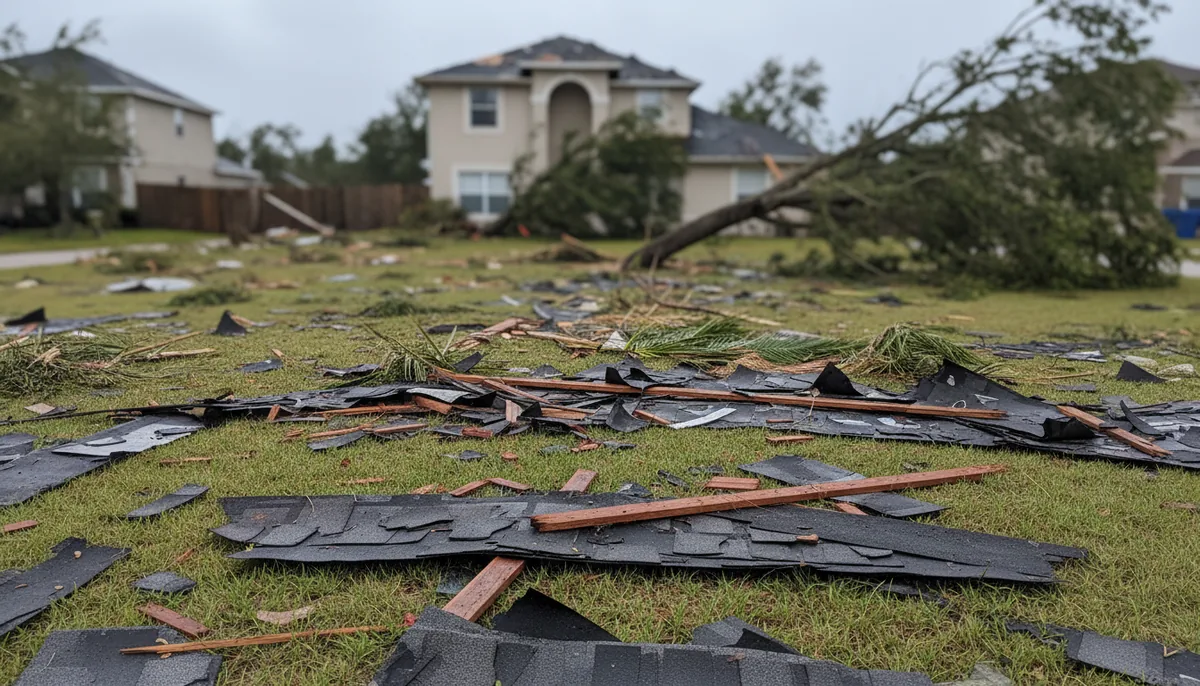
Roof leak repair in Florida — How Bad Is It, Really?
By Dale Prescott, Roofing contractor, Central Florida. Reviewed by Hal Winstead, Editor, licensed roofing contractor. I was up on a barrel-tile roof off 17-92 in Maitland one February afternoon, chasing a leak that had been dripping onto a homeowner's dining-room table for three weeks. The tile looked fine from the street. The underlayment was another story—whole sheets had turned to powder where the sun cooked them, and the deck underneath had rotted out in a spot the size of a serving platter. The leak wasn't where the water came in. It never is. I've been wrong about this before, and I'll be wrong again. For the shortlist itself, leak repair companies in Florida is where I send people.
If you're searching for roof leak repair in florida, you're probably staring at a water stain or a pail under a drip right now. So let's cut through it. Some leaks are a hundred-dollar fix. Some are a message from your bank account. Telling the difference takes about twenty minutes on the roof and a good look at your insurance paperwork. You can start with a list of leak repair companies in Florida if you want, but you need to know what you're asking for before a single boot hits your shingles.
Here's the thing about Florida roofs. They don't leak because of one nail. They leak because the whole assembly—deck, underlayment, flashing, and the covering on top—is fighting the worst sun and the hardest rain in the continental United States, every single day. A shingle roof here lives maybe fifteen years if it was installed right and the attic is ventilated. Tile lasts longer, but the stuff underneath it doesn't. By the time water shows up on your ceiling, the damage has been cooking for months.
First, find out which side of 2009 your roof is on
This matters more than any single patch job. The Florida Building Code used to have what everyone called the 25% rule. If you repaired or replaced more than a quarter of your roof in a year, the whole thing had to come off and go back on to current code. That's how alot of roofs got replaced back in the day. Then SB 4-D (2022) changed the game. If your roof was built, repaired, or replaced under the 2007 Florida Building Code or anything newer, only the section you're working on has to meet current code. You don't automatically have to tear the whole roof off.
The catch is the 2007 code took effect on March 1, 2009. A roof finished before that date generally doesn't qualify for that break. If your roof is from 2004, say, and you have a bad leak, the repair can still drag the entire roof into a full replacement. That's not a scam. That's code. I've seen homeowners nearly fall off their ladders when they heard that for the first time.
What I would actually do: ask the contractor what code cycle your roof was built under before you let him quote a repair. If they don't know or don't ask, call the county building department. It's public record.
The leak itself is rarely the headline
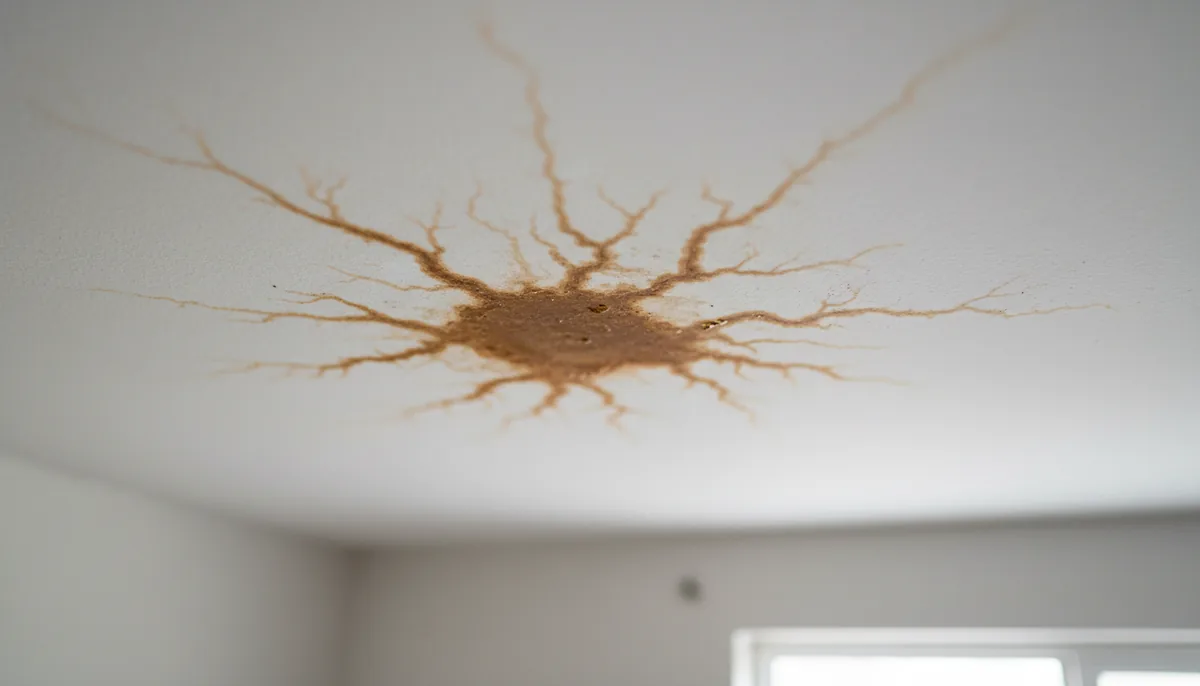
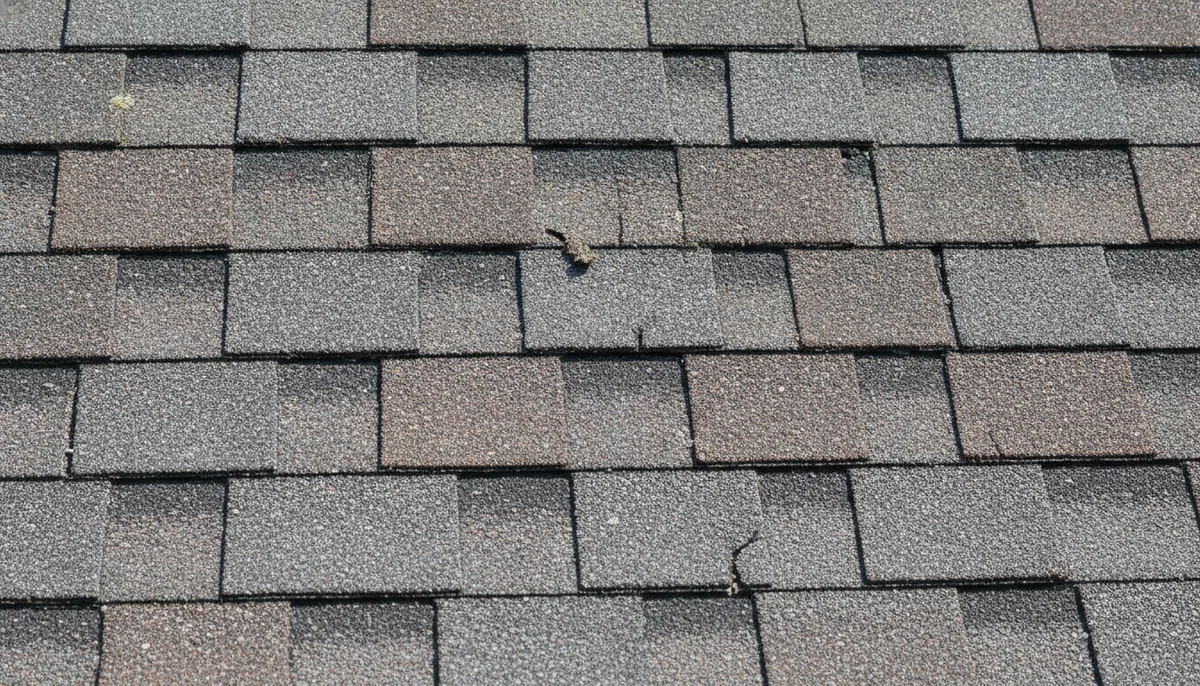
When I climb up there I'm looking for the usual suspects. Torn flashing around a chimney or a pipe boot. A valley where the old underlayment has cracked. A nail pop where the shingle has worn thin. Maybe a roof vent that was installed backwards. But half the time the actual leak is a symptom. The deck underneath is soft. The fascia is spongy. The insulation in the attic is soaked. That's what makes the repair price climb from a few hundred to a few thousand, depends what is under there.
And don't forget the interior. Water runs along trusses and drywall before it ever drips. A stain in the living room might be from a leak two feet up the slope, behind the gutter, or even from a bad seal on a skylight. The water finds the path of least resistance. So does the rot.
Your insurance clock is not on your side
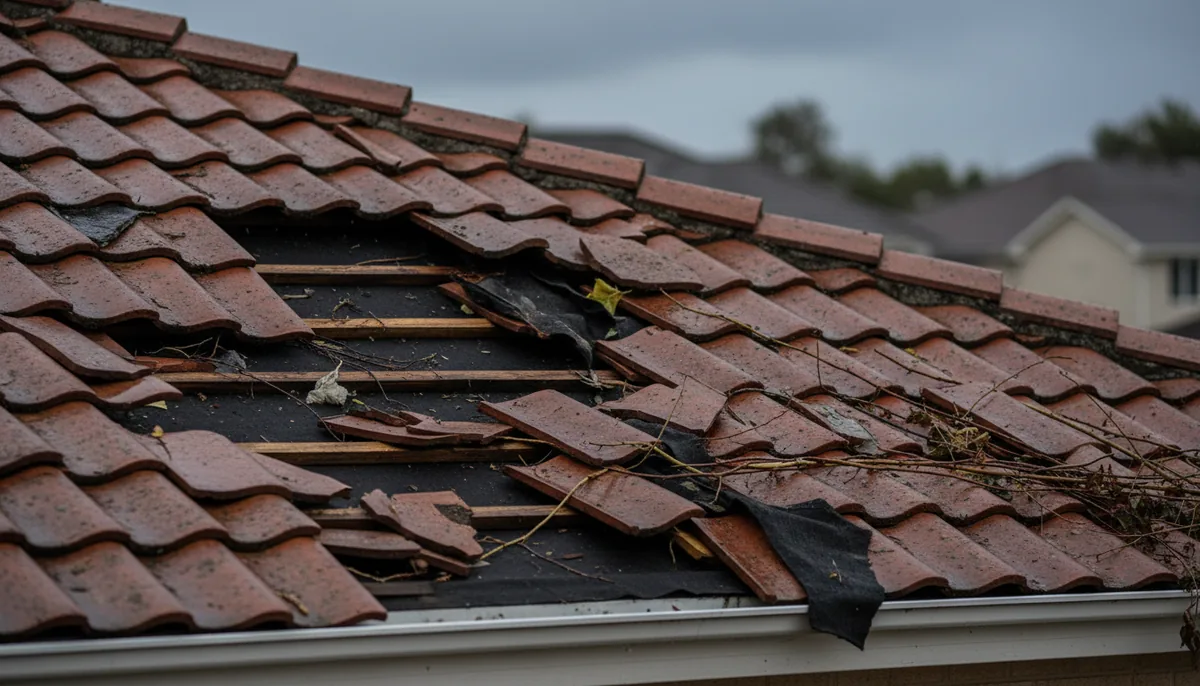
Listen, I'm a roofer, not a lawyer and not an adjuster. But I of stood on enough porches with homeowners reading their policy to know this: Florida Statute 627.70132 puts a hard deadline on you. You have one year from the date of loss to give your insurer notice of an initial or reopened property insurance claim. For a supplemental claim, you get eighteen months from the date of loss. This used to be three years, but the state cut it down in 2022. The clock runs from the day the damage happened, not the day you noticed the stain. If you miss that window, the insurer can use it as a complete defense, even if the loss is covered.
That's brutal, because a leak can go unnoticed for months inside a wall. But that's the law now. If you have any suspicion a storm or a heavy rain event damaged your roof, call your insurer early. Ask what your policy covers. Read your declarations page. Don't assume. I've seen people pay out of pocket for a $12,000 roof because they waited eighteen months and the insurance company said no.
What I would actually do: if you think there's even a chance you'll file, call your agent before you call a lawyer and before you sign a repair contract. Tell them you're giving preliminary notice. That letter doesn't lock you into a claim. It protects your clock.
Know who's standing on your ridge
Florida roofing contractors have to be licensed by the Department of Business and Professional Regulation, the DBPR. There are two kinds of licenses, and the difference matters. A certified roofing contractor has a license that starts with CCC and can work anywhere in the state. A registered roofing contractor starts with RC and can only work in the local jurisdiction that licensed them. I've seen guys with RC licenses promising to roof a house two counties over. That's not legal.
Always check the license number against the DBPR roll before you sign anything. The directory verifies licenses against that same roll, so if you found a company through there you're already ahead. But never take anyone's word for it. It takes two minutes to look up a number on your phone.
And if a contractor says you don't need a permit, show him the door. A roof replacement in Florida requires a permit pulled from the local building department, and it gets inspected. An unpermitted roof can mess up an insurance claim, and it can absolutely complicate a home sale down the road. A buyer's inspector will catch it, and then the deal falls apart. I've seen it happen twice. Both times the homeowner thought they were saving a few bucks. They weren't.
The water in the bucket is the cheap part
Here's the thing nobody wants to hear. The cost of roof leak repair in florida isn't the labor or the materials, not really. It's the decision about how far the problem goes. I'll get a call about a leak, find a small hole around a pipe boot, and the homeowner wants a patch. Fine. I can patch it. But if the underlayment is twenty years old, a patch is just a band-aid. That's not me upselling.
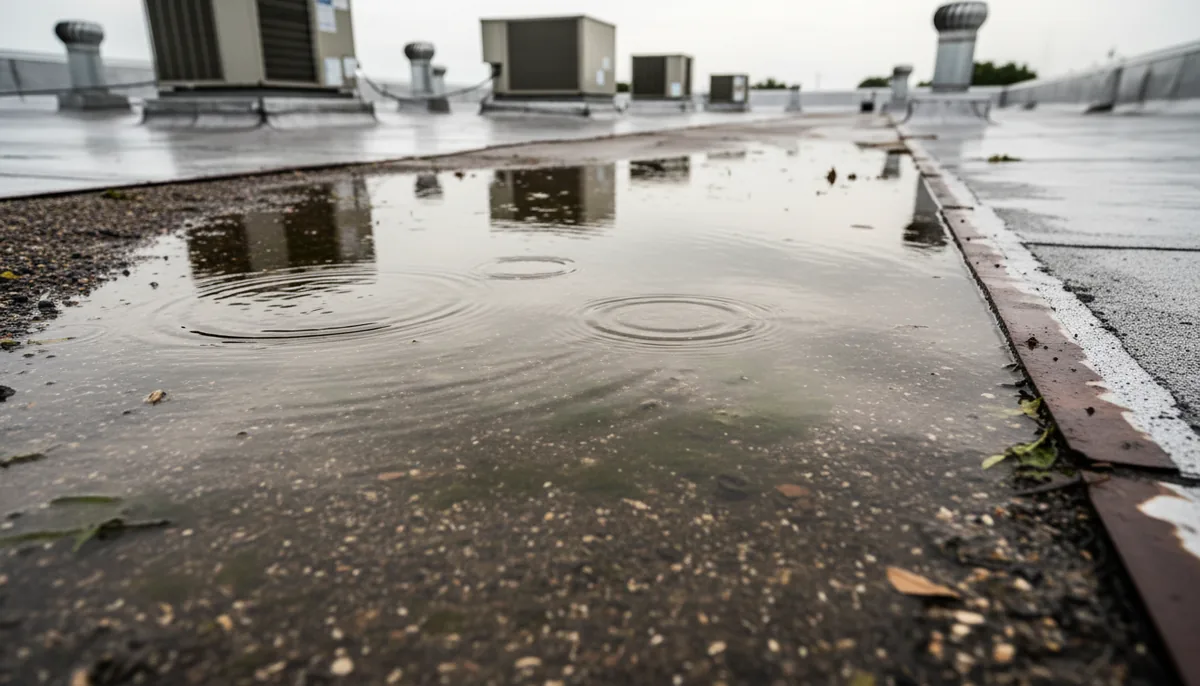
And the cost depends on a lot. Pitch and access are big ones. A steep tile roof with poor access takes longer and costs more per square. A flat low-slope roof is a different animal. There's no flat rate for a leak. Anyone who quotes you a number over the phone without seeing your roof is guessing. I've done it, and I've regretted it. The price always changes when I see the actual deck.
Questions I get asked
How do I know if my roof is actually leaking or if it's condensation?
Condensation usually shows up in the morning on metal surfaces in the attic, like ductwork or nails. A true leak shows up as a stain, a drip, or a wet spot that grows during or right after rain. If it only appears on cold mornings and the ceiling is dry, it's probably condensation from poor attic ventilation. If it appears during a storm, it's a leak. Get a roofer to look either way.
Can I just patch the leak from the inside?
You can stop the drip temporarily, but you can't fix the problem. The water is coming in from the outside. Patching drywall from below just hides the damage and lets the wood rot. You need to find the entry point on the roof and fix it there. I've seen interior patches hold for a week, then the whole ceiling comes down.
Will my insurance require me to replace the whole roof?
It depends on your policy and the age of the roof. After SB 4-D (2022), a newer roof may only need the damaged portion fixed to code. An older roof might not qualify. Your insurer makes that call, not me. Read your declarations page and talk to a licensed adjuster. There's a standard form, OIR-B1-1802, that your insurer can provide for a claim if you're with a participating company, and certain programs like Citizens Property Insurance Corporation have their own rules. Don't guess.
What if the leak is from a roof that was replaced before I bought the house?
Then you're dealing with someone else's repair. Look for the permit records at the county. If the work wasn't permitted, that's your problem now. A good roofer can tell you a lot about wether the job was done right just by crawling around your attic.
Is it safe to be in the attic while it's raining?
It's wet, slippery, and there's insulation everywhere. Wait until it stops and the roof dries. Hanging a trash bag under a drip to catch water is fine. Walking around on joists in the dark during a storm is how people end up in the emergency room.
How bad does a leak have to be to call someone?
If you see any water stain that's getting bigger, call. Even a small leak means the deck is getting wet. It costs the same to fix a small gap as it does to fix a hole that's been rotting for a year. And if you're near the coast, salt air makes it worse. The wood doesn't just rot. It corrodes the nails holding everything together. I've pulled shingles off with my bare hands on roofs that were five years old and close to the water. The ocean doesn't care about your warranty. And honestley, in the summer, the rain here doesn't care either. It comes down sideways in sheets that make a gutter useless. That's just Tuesday in Florida.