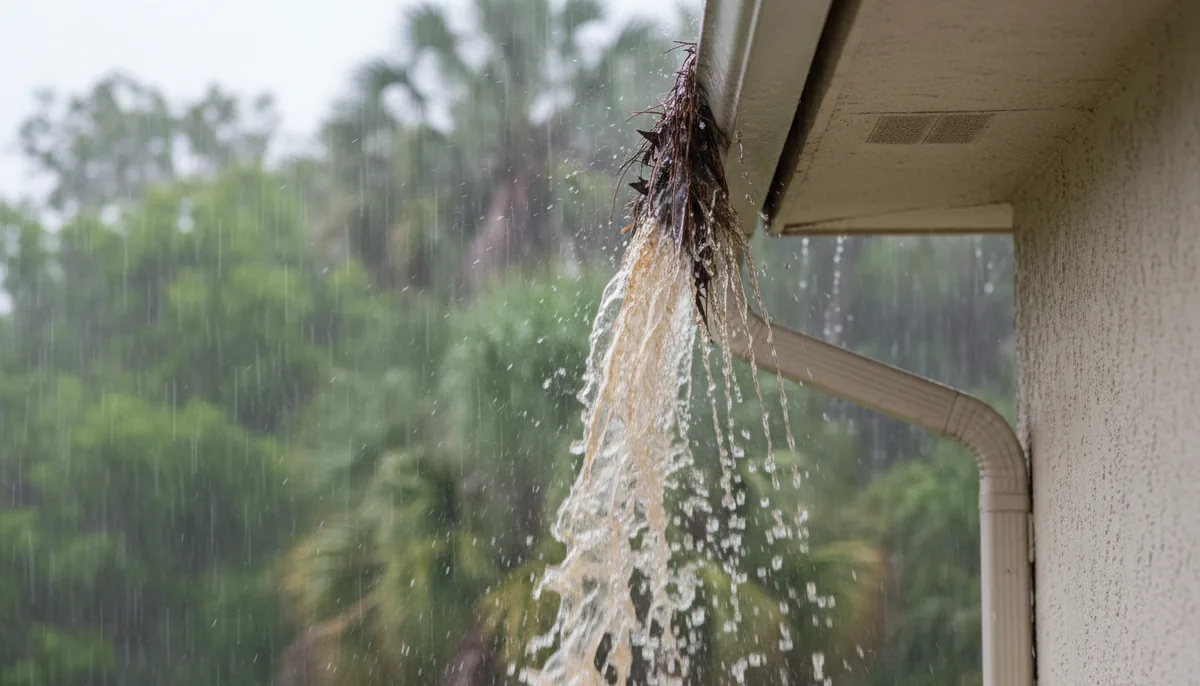
Emergency roof repair Florida — How Bad Is It, Really?
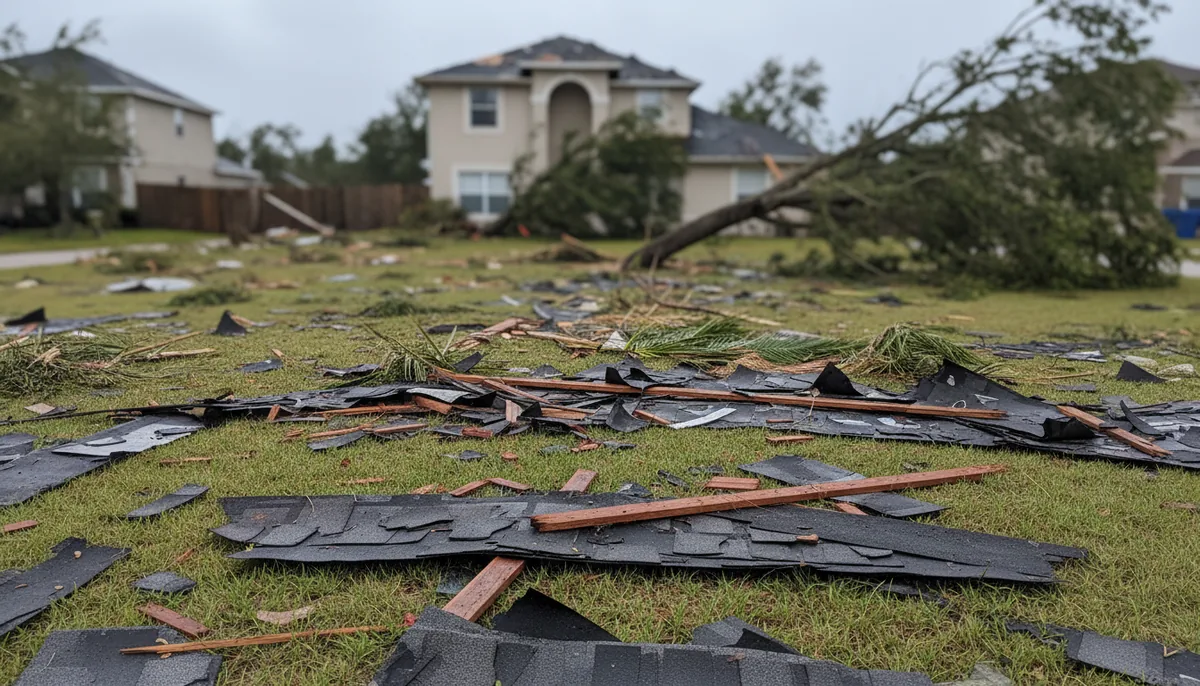
By Dale Prescott, Roofing contractor, Central Florida. Reviewed by Hal Winstead, Editor, licensed roofing contractor. That afternoon in Deltona, the sky turned the color of a bad bruise and the wind laid a century-old oak across Mrs. Velez's ridge line. It wasn't the tree that did the damage. It was the rain that followed, finding it's way through a six-inch tear in the tile underlayment and running down her hallway walls like a bad faucet. I was on her roof by six the next morning, tarping the breach and pulling soaked batt insulation out of her attic. That's the thing about Florida roofs—they don't fail in the middle of a sunny Tuesday. They fail at the worst possible moment, and then they make you pay for every hour you waited.
If you're staring at a tarp, a trash can, or a growing stain on your ceiling right now, your first question is simple: how bad is this, really? The honest answer is that nobody can tell you until somebody gets up there and looks, and that's where it gets tricky. A lot of companies will tell you to rip everything off and start over, but that's not always the truth. Before you commit to anything, you need to understand what the law says now, what your insurance actualy requires, and who you're letting on your roof. And if you need a list of vetted outfits to call, I've pointed plenty of folks to the emergency roofing companies in Florida —
Actually, let me get that link right. It's emergency roofing companies in Florida. That directory verifies licenses against the state roll, which is more than I can say for half the flyers that show up on your porch after a storm.
Let me give you the twenty-two year version of what matters. First, you need to know wether you're looking at a repair or a whole new roof. There used to be a rule—folks called it the 25% rule—that said if you repaired more than a quarter of your roof in a year, you had to bring the whole thing up to current code. That scared alot of people into full replacements they didn't necessarily need. The state legislature changed that with SB 4-D (2022). If your roof was built to the 2007 Florida Building Code or anything newer, you can now repair just the damaged section without triggering a full replacement. The 2007 code took effect in March of 2009, so if your roof is newer than that, you've got some breathing room. If it's older, well, that's a different conversation.
The catch is that your roof's actual condition matters more than its birthday. I've torn off twenty-year-old tile roofs that had another ten years in them, and I've walked on five-year-old shingle roofs where the nails were already backing out because somebody used the wrong fasteners during a building boom. There's no substitute for looking. You can't tell from the street, and you can't tell from Google Earth. You need a qualified roofer to walk it, and more importantly, you need one who's got your best interest in mind.
If there's one thing that makes my blood boil, it's the storm chasers—the out-of-state crews who materialize after every hurricane with unmarked trucks and prices that seem too good to be true. They'll tell you anything to get the signature, and then they're gone before the next rainy season. Check every license. A Florida contractor is licensed by the Department of Business and Professional Regulation, and you can look it up in two minutes. The license number will start with either CCC or RC, and that prefix tells you a lot. A certified contractor with a CCC license can work anywhere in the state; a registered contractor with an RC license is only supposed to work in the local area that issued it. If someone pulls up with an out-of-state plate and a smooth story, that's your cue to ask for the license and watch them squirm.
What I would actually do: Stop the water first. If it's coming through the ceiling, poke a hole to let it drain into a bucket—water pooling on drywall will bring the whole ceiling down. Then get a tarp up if you can do it safely from the ground or with a helper. Don't climb on a wet tile roof. Tiles are slippery when they're dry; wet, they're a trip to the ER.
Now let's talk permits, because nobody wants to hear this, but it's the law. A roof replacement in Florida
—and even most significant repairs—requires a permit from your local building department and an inspection. A contractor who offers to skip that step is telling you everything you need to know about them. Skip the permit, and you're buying a world of hurt. An unpermitted roof can wreck an insurance claim and it will absolutely come up when you try to sell the house. The buyer's inspector will find it, the title company will find it, and you'll be paying to fix it out of pocket or losing the sale.
Insurance is where things get truly complicated, and I am not a lawyer or an adjuster, so take this as the practical view from someone who's filled out more paperwork than he cares to count. Coverage varies by policy, so you need to read your declarations page to see what you actually have. But here is the part that trips up nearly everyone: the deadline to file a claim. Under Florida Statute 627.70132, you've got one year from the date of the loss to give your insurer notice of an initial claim, and eighteen months if it's a supplemental claim. That clock starts running the day the damage happened, not the day you discovered it. Miss that window, and the insurance company can deny a claim that would've been covered. I've seen it happen to good people who just didn't know.
What I would actually do: Take photos of everything before anyone touches your roof. Get the date and time on them. Then read your insurance policy's declarations page before you make the call, so you know your deductible and what kind of coverage you've got. Then call your agent, then call a roofer. In that order.
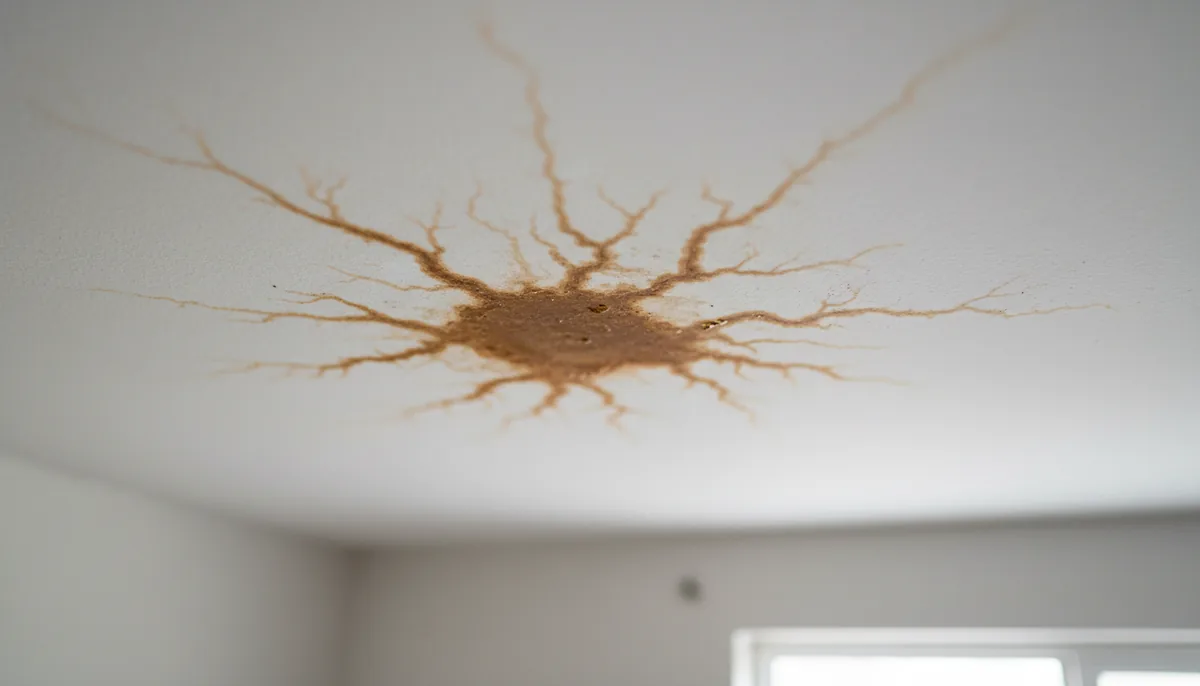
So after the storm passes and the water's stopped, you're standing in your yard trying to figure out if that ding in the tile is an emergency. Ask yourself a few questions. Is water actively coming in? That's an emergency; get a tarp or a roofer out today. Is there visible daylight through the roof deck? That's an emergency. Is the drywall sagging or making popping sounds? That's an emergency, and stay out from under it. But a few cracked tiles with no leak? That can wait a week or two for a proper repair. A small spot on the ceiling that's dry and not growing? That might be a previous leak that's already healed itself, and it can wait for an inspection.
My rule of thumb is this: if you have an active leak, you need someone out there fast, but you don't need someone out there at 3 a.m. Unless water is pouring into your electrical panel. Most emergency roof repair Florida calls are actually next-day calls dressed up as emergencies. The storm moved through, the water's dripping into a bucket, and you've got a little time to find the right contractor instead of the first one. Don't waste that time, but use it.
What counts as an emergency roof repair in Florida, anyway?
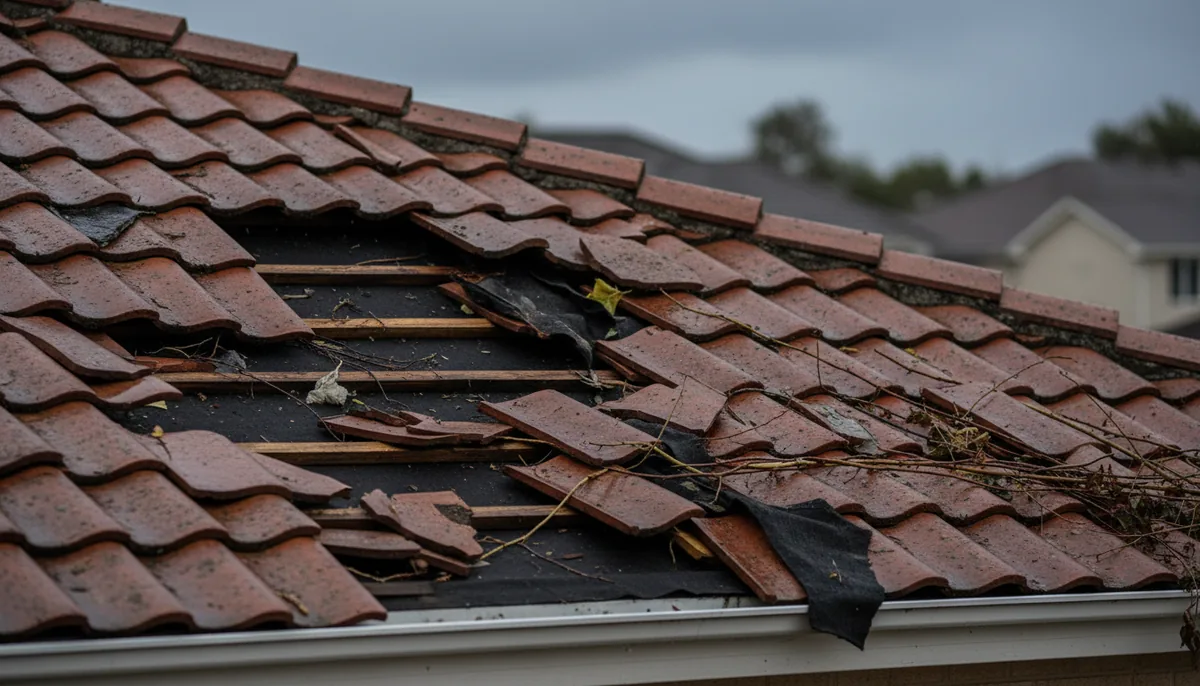
I've been to calls where a single shingle was flipped up and the homeowner was in full panic mode. I've also been to calls where the entire ridge of a hip roof was gone and the family was just going about their business with buckets everywhere, which is its own kind of crazy. An emergency is when the building envelope is breached and water is coming in, or when the structure is at risk. A few missing granules or a single lifted shingle is not an emergency—it's a repair that needs to happen before the next storm. A hole in the deck, a peeled back section of underlayment, trees resting on the roof, those are real emergencies. If you're unsure what you're looking at, that's fine. Ask someone to look. It beats guessing and getting it wrong.
Why did my neighbor get a free roof and I didn't?
This is the question I get more than any other, usually at backyard barbecues and church picnics. The answer has nothing to do with luck. It depends on your policy, your deductible, the age of your roof, and the specific terms your insurer wrote into your contract. Policies are not all the same. Some have replacement cost coverage, some have actual cash value, which means they depreciate the roof based on age. Some will pay for code upgrades, some won't. I can't tell you what yours covers—you have to read the declarations page and ask your agent pointed questions. But never assume that just because your neighbor's roof was paid for, yours will be. They might have a different policy, a different insurer, or a roof that was in worse shape to begin with. Or they might have gotten lucky with an adjuster who saw it their way. It's not a level playing field, and it never has been.
What is Citizens Property Insurance Corporation, and why does it matter?
If you've had trouble getting coverage from a private insurer, you might have ended up with the state's insurer of last resort, Citizens Property Insurance Corporation. It's a big deal in Florida, and you see it stamped on a lot of policies these days. If Citizens is on your declarations page, you need to know that they have their own rules and processes, and the adjusters they send out are particularly detail-oriented about documenting pre-existing damage. That's not a criticism—it's a warning. Make sure your roof is in decent shape before they come out, because they'll be looking for maintainance issues that could give them a reason to say the damage is wear and tear, not storm loss. Again, coverage varies by policy, so read yours and ask questions.
How old is too old for a roof to be repaired?
It depends on what's under there, and I have been wrong about this before. A flat concrete tile roof from 1995 might be in fine shape if it was installed well, because the tile itself lasts practically forever. It's the underlayment under the tile that gives out, and that's usually the thing that determines whether a repair makes sense. If the underlayment is cracked and brittle and falling apart, you can't just fix a section of it and call it done—you're patching a hole in a bucket full of holes. On the other hand, a shingle roof from 2010 might be in terrible shape if it was installed poorly or if the ventilation is inadequate and it's been baking in the attic heat for years. Age matters, but condition matters more. A good contractor will show you pictures and tell you what they see.
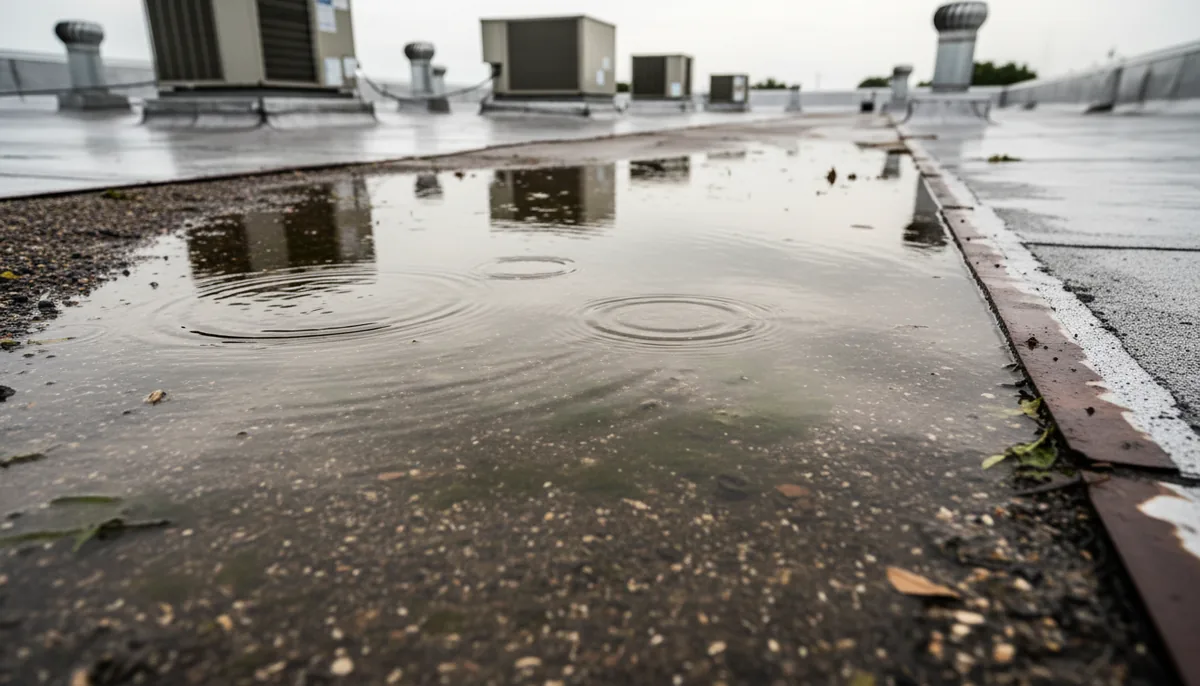
Do I need a permit just for a repair?
Yes, in most cases, if it's anything more than swapping a few broken tiles or spackling around a vent. A full replacement absolutely requires a permit and an inspection, and a substantial repair does too, depending on your local jurisdiction. The building department will tell you if you ask. You need to verify that your insurance claim reflects what was actually done, so a permit inspection is there to protect you. It makes sure the work is done to code, which matters when the next storm comes. If anyone tells you that you don't need a permit for a roof repair, get a second opinion.
What happens if I just wait and do nothing?
Sometimes nothing happens. Sometimes it rains for another six months and the leak gets a little worse, and then it gets a lot worse, and then you're replacing roof decking and drywall and insulation, and your electric bill goes up because your insulation is wet and useless. I've seen a one-foot-square leak turn into a fifteen-thousand-dollar problem because the homeowner was waiting for the insurance adjuster to "make it right." The insurance company doesn't clean up your moldy attic. They write you a check, maybe, and you pay someone like me to fix it. Delaying a small leak is like ignoring a weird noise in your engine—it never gets better by itself, and it never gets cheaper.
How do I know if the contractor is actually licensed?
Look up the license number on the state's DBPR website. It takes thirty seconds. You want to see an active license with the right prefix—CCC for certified or RC for registered, and remember the RC license only allows them to work in their local jurisdiction. Also, for a registered contractor, check that the jurisdiction matches where you live. If they're an RC licensed in Dade County and you're in Volusia, that's a problem. The state roll will tell you all of this. If the contractor can't give you a number on the spot, or if they say they're "insured through their guys," that's a red flag. Legitimate contractors carry workers' comp and liability, and we don't mind proving it.
How bad is it, really?
Most of the time, it's not as bad as it looks from the ground. The same windstorm that scattered some tiles across your yard might have left the underlayment perfectly intact. Or the leak in your guest bedroom might be a flashing detail that took a year to show up, not a structural failure. But sometimes it's worse than it looks. I've pulled back a section of shingle that looked fine and found rotted decking underneath that had been quietly rotten for years. That's the part of this job that never changes—you don't know until you know. Get a qualified roofer up there, get the pictures, get the assessment. Then you can decide what to do with the next storm that comes.