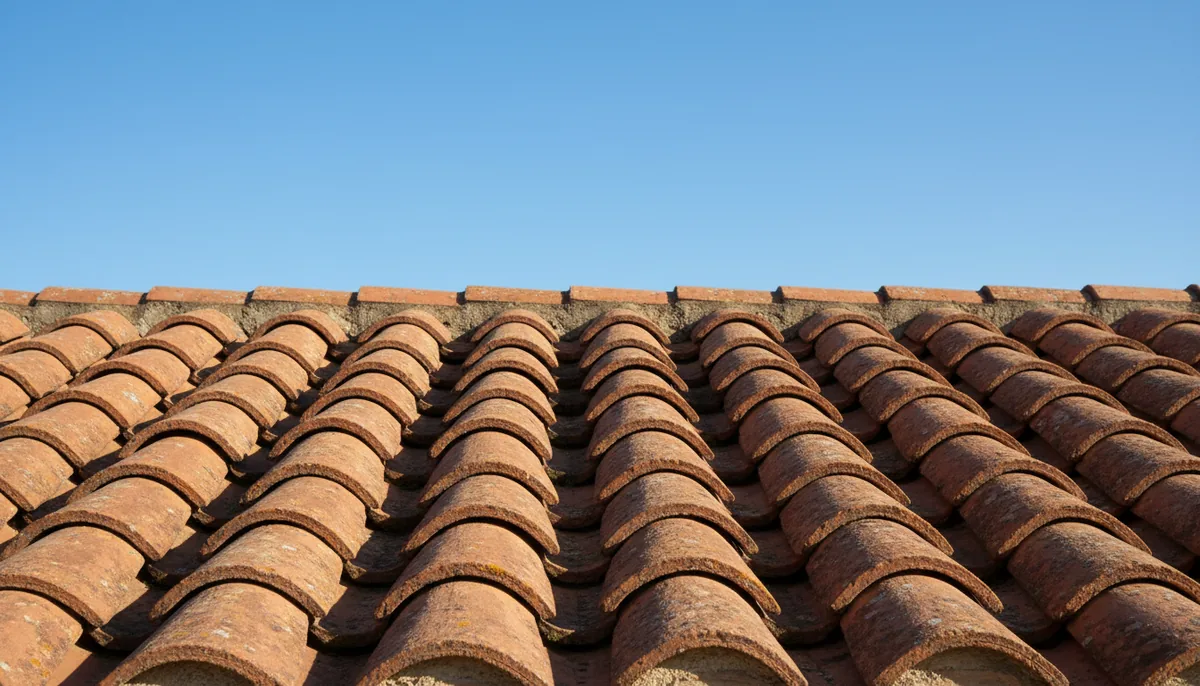
Roof restoration south florida: The Florida Guide
By Marcy Doleman, Commercial roofing estimator. Reviewed by Hal Winstead, Editor, licensed roofing contractor.
Little after three on a September afternoon, I was kneeling on a modified bitumen roof over a warehouse in Hialeah. A patch put down after the last big storm had split down the middle, and water had already worked it's way under the granules. The rest of the roof still had life in it, but that one split was exactly the kind of small failure a roof restoration in South Florida can handle before it becomes a replacement problem. When you’re at that point, don't start with the product pitch; start by checking who can legally work on Florida roofs, which is why a directory like roofing companies in Florida is a decent first place to winnow the list.
Most of my commercial work spans warehouses, retail plazas, and schools. In South Florida that means alot of TPO, modified bitumen, and coating systems. A good restoration can add years to those roofs without the cost and disruption of a tear-off. A bad restoration just makes the replacement more expensive later. The difference depends on what is under the surface and who is writing the scope.
What does a roof restoration in South Florida actually involve?
For the roofs I estimate, restoration usually means repairs plus a new surface, not just a spray-on sealer. On TPO, it might mean a coating that's rated for that membrane. On modified bitumen, it might mean a new cap sheet or a fluid-applied membrane over a cleaned and repaired base. The goal is to extend service life without tearing off a roof that still has some years in it.
The phrase has a bad reputation because some contractors use it the way other industries use “freshen up.” I’ve seen coatings sold over roofs that should have been replaced two years earlier. I’ve also seen honest restorations outlast a cheap replacement. Roof covering alone doesn't tell you the answer. How much moisture is hiding in the insulation, how the deck is attached, and how many roof layers already exist all matter more than the calendar.
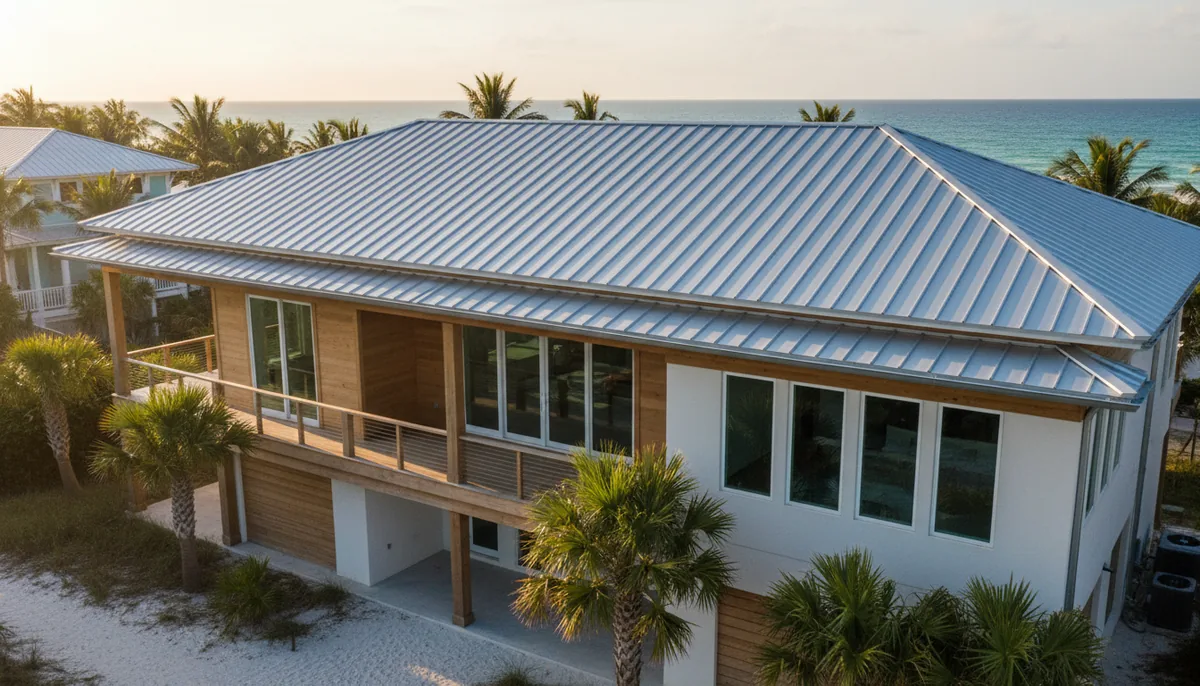
Before anybody gives you a number, check the DBPR licence
Florida roofing contractors answer to the Department of Business and Professional Regulation. The DBPR licence prefixes CCC and RC are not alphabet soup. A certified contractor with a CCC designation can work anywhere in the state. A registered contractor with an RC designation can only work in the local jurisdiction that issued it. If a contractor from one county is trying to sell you a roof in another county and their license starts with RC, that's a problem.
Always verify the license is active before hiring. Check it against the state roll yourself. Business cards can say anything.
Then there's the permit question. A roof replacement in Florida requires a permit pulled from the local building department, and an inspection. A restoration may or may not trigger a permit, depending on the town and the scope of the repair work, but don't let anyone talk you around that. An unpermitted roof can complicate both an insurance claim and a future sale. A contractor who offers to skip the permit is a contractor to walk away from.
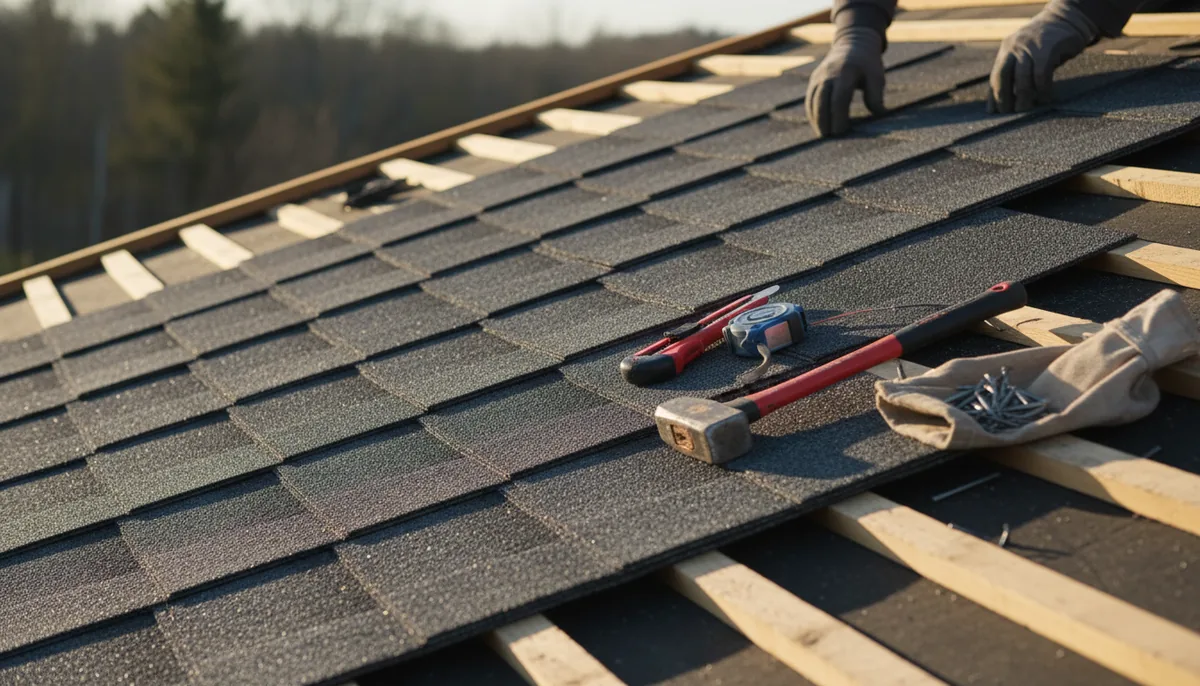
The old 25% rule changed in 2022, and that matters for your roof
Here’s the part that confuses a lot of South Florida property owners. Before the 2022 change, the old rule said that if more than 25% of a roof was repaired or replaced in any 12-month period, the whole roof had to be brought up to current code. That turned many restorations into full replacements on paper, wether the roof actually needed it or not.
SB 4-D (2022) changed that. If your current roof was built, repaired, or replaced under the 2007 Florida Building Code or any later edition, only the portion being worked on has to meet current code. A full replacement is no longer automatically triggered. The 2007 code took effect on March 1, 2009, so a roof completed before that date generally doesn't qualify for the change.
That's why permit history matters before you get bids. If your building has a 2006 roof, the old rules can still bite. If it has a 2012 roof, you have more room to repair and restore without accidentally starting a full roof replacement project.
What I would actually do: Pull the permit history and find out when the current roof system was installed before asking for a restoration price. If it is 2009 or newer, SB 4-D (2022) works in your favor. If it is older, call the local building department and ask how much repair area can be touched before the whole roof has to come up to current code. Write down who told you and when.
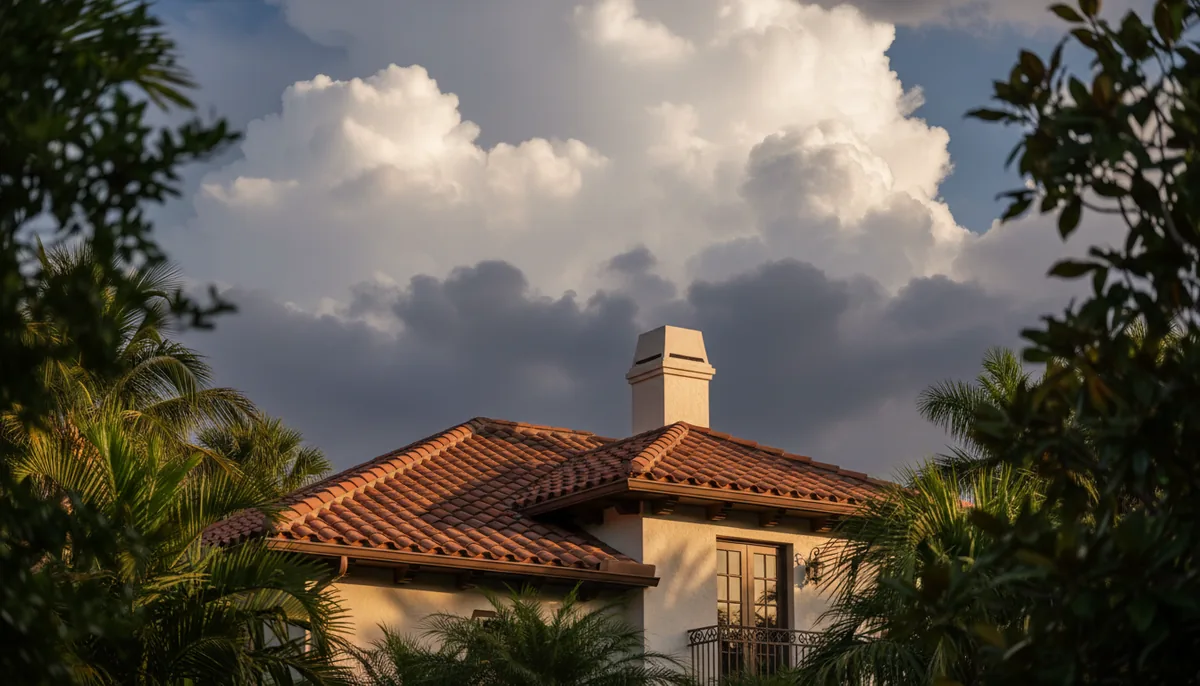
Wind mitigation can be the hidden payoff on a restoration
Wind mitigation inspections are more common on homes than on commercial roofs, which is a mistake. The standard form, OIR-B1-1802, documents roof covering, roof deck attachment, roof-to-wall connection, roof geometry, secondary water resistance, and opening protection. Florida insurers must offer premium discounts for qualifying features. That discount is often less than a new roof payment, but it can be more than the restoration payment, depending on the policy.
This is where restoration gets interesting. If you're replacing a roof covering that didn't rate well, a restoration can change that rating. If you are only coating a tired surface, the inspector may not see an improvement at all. Coverage varies by policy, so I never promise what a specific insurer will do. Read your declarations page and ask your agent to run the numbers.
What I would actually do: Have a wind mitigation inspection done before the restoration work starts. Use someone seperate from the roofing contractor if you can. Then have the inspector update the form after the new roof surface is installed. You are paying for the restoration anyway. You might as well get the credit if the roof qualifies.
Where restoration makes sense — and where it flat-out doesn't
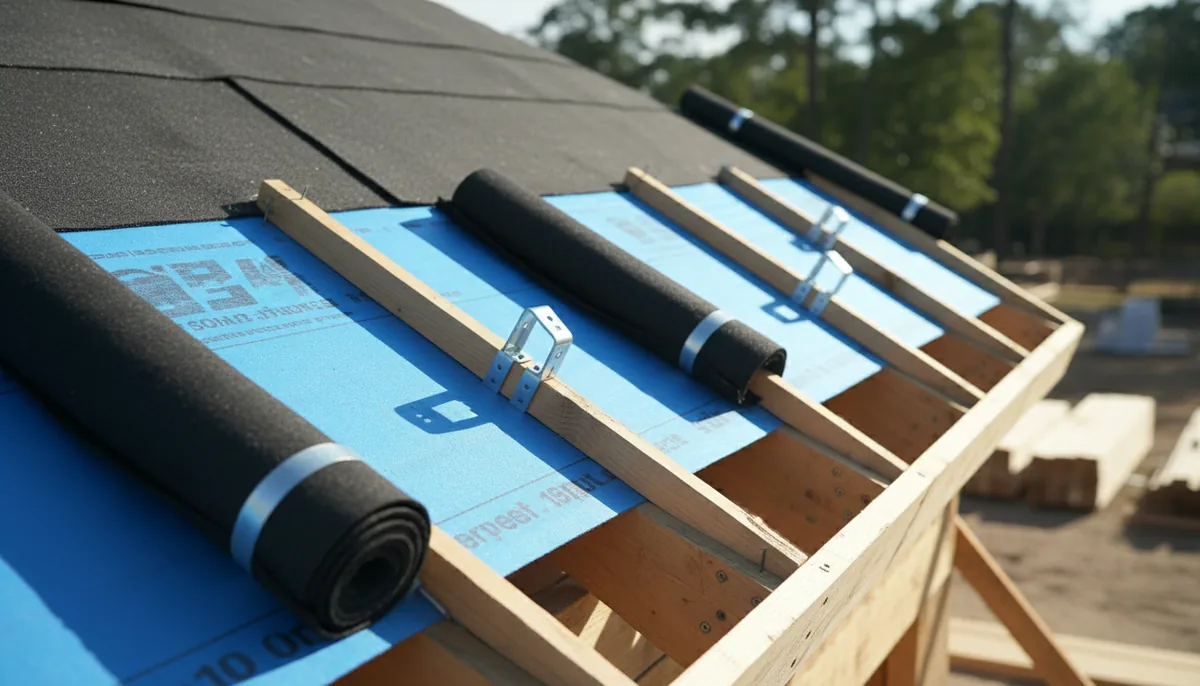
Restoration makes sense when the deck is solid, the insulation is dry, and the membrane failure is in limited areas. It stops making sense when water has already soaked into the roof system. A coating cannot dry out wet insulation. A new membrane over wet insulation will fail from the inside, and no surface product will save it.
One property manager in Fort Lauderdale insisted we could coat a roof with a soft spot the size of a door. He said, “Just put more coating on there and it'll hold.” I have been wrong before, but that wasn't one of those times. What he had was wet insulation and a deck that moved when you walked on it. No coating fixes that.
Restoration work also gets priced differently from replacement. A replacement bid includes tear-off, disposal, deck repairs, new insulation, edge metal, and a new membrane. A restoration bid might only include cleanning, repairs, primer, and coating. If you compare those side by side without reading the scope line by line, you are not comparing the same roof. I tell people to ask for the same line items from both bidders: repairs, prep, surface, flashing, edge metal, and warranty.
Questions I get asked
What's the real difference between a roof restoration and a roof replacement in Florida?
A restoration keeps the existing roof structure in place and renews the surface after repairs. A replacement tears the roof down to the deck and starts over. One is not automatically better than the other; the condition of what's underneath decides.
Is roof restoration in South Florida affected by the old 25% rule?
Not the way it used to be. SB 4-D (2022) means a roof built, repaired, or replaced under the 2007 Florida Building Code or later usually only has to meet current code on the portion being worked on. If your roof was completed before March 1, 2009, the old full-roof trigger can still apply.
Will my insurance company give me a discount for roof restoration?
That depends on your policy, not on the word “restoration.” Insurers look at the wind mitigation form, and Florida insurers must offer premium discounts for qualifying features. Have the form updated after the work is done, then ask your agent what your policy actually allows.
What is a registered roofing contractor and can they work in my city?
In Florida, a registered roofing contractor's license starts with the letters RC and only allows work in the local jurisdiction that issued it. A certified contractor's license starts with CCC and is valid statewide. I always ask for the license and check it against the DBPR roll before I let anyone estimate a project.
How much does commercial roof restoration cost per square?
I can't give an honest number without measuring the roof and seeing what's underneath. In commercial roofing, a square is 100 square feet, and bids are usually quoted that way. The final price depends on pitch, access, drainage, existing layers, and how much repair work shows up after the old surface is cleaned.