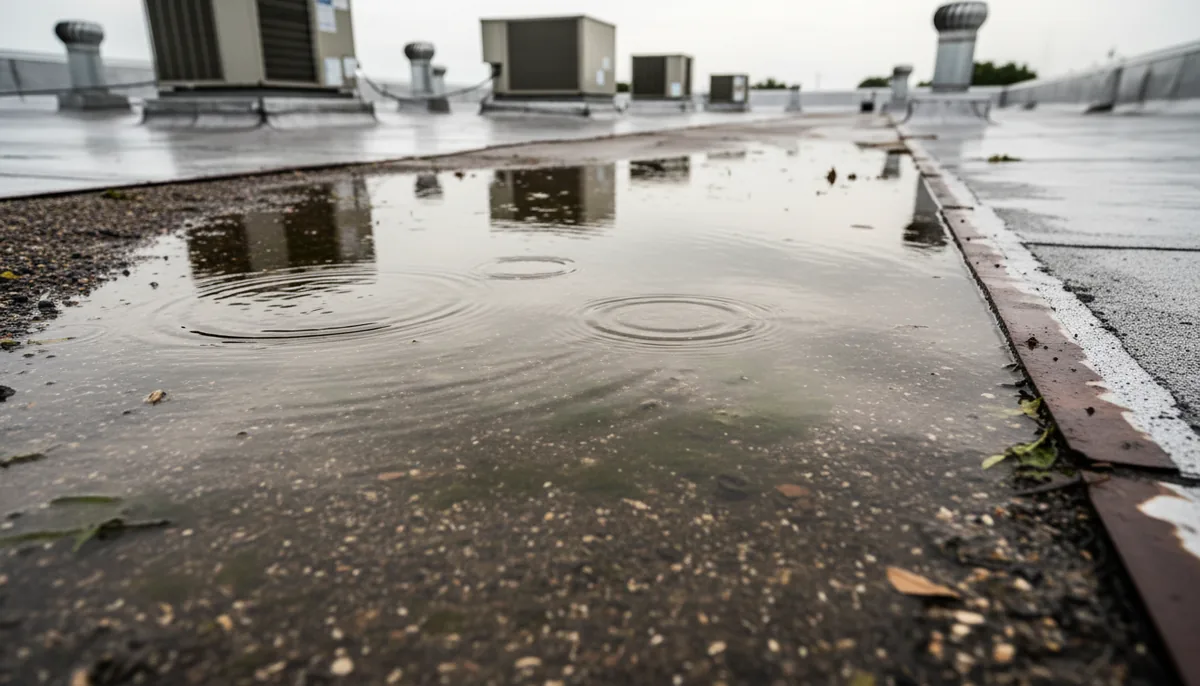
Roof storm damage repair Florida — How Bad Is It, Really?
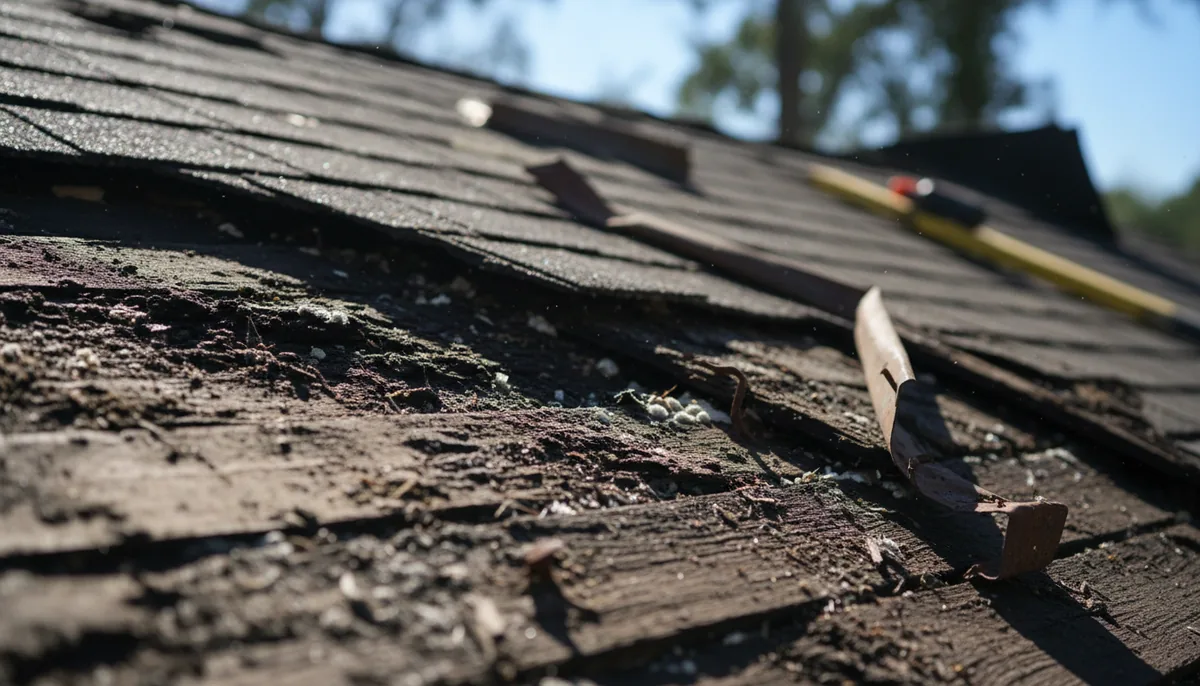
By Dale Prescott, Roofing contractor, Central Florida. Reviewed by Hal Winstead, Editor, licensed roofing contractor. I was standing on a warehouse roof off 17-92 in Winter Park last July, and the afternoon heat was coming off the membrane in waves you could feel throught your boots. We’d stripped back a hail-damaged section of shingle and were laying out the replacement when my foreman called me over. There, in the valley, the decking was mushy. Not damp. Mushy. The wood crumbled under a screwdriver like wet cardboard. The insurance adjuster had approved a small repair, but the real damage had been soaking in for months, hidden under a roof patch some previous owner’s brother-in-law had slapped down. That’s the thing about storm damage. The storm gets the blame, but the rot is usually older, and the repair bill allways finds it.
If you’re staring at a ceiling stain and a pile of shingles in the yard, you need a straight answer, not a sales pitch. The honest starting point is to look at what the last few years of Florida law actualy changed about roof storm damage repair. And before you sign anything with a roofer, check the list of storm damage roofing companies in Florida and then check their license number against the state roll. That’s step one. Step two is understanding that a quote is only half the story, because the code and your insurance company write the other half.
Here is where I of seen more customers get blindsided than on any single roofing defect: the old rules about full roof replacements are gone, but not the way most people think. Florida had this rule for years, call it the 25% rule, where if you repaired or replaced more than a quarter of your roof in a year, you had to bring the whole thing up to current code until it got silly expensive. Then SB 4-D (2022) changed that. If your roof was built under the 2007 Florida Building Code or anything newer, only the section being repaired has to meet current code. A small tar-over leak doesn’t automatically force you into a six-figure full tear-off anymore. But there is a catch big enough to drive a truck through: roofs finished before about March 2009 don’t qualify, and I have been wrong about this before when I didn’t dig far enough into the permit history.
What the 25% rule actually changed for you
The old rule made contractors do math before they gave you a bid. Replace 30% of a roof over a year? The building department wanted the whole slope torn off and re-decked to the 2023 code, turn signals and all. It was a nightmare for a homeowner with a single bad section and a thin savings account. SB 4-D (2024) loosened that, and my interpretation, and I’m a contractor not a lawyer, is that it protects you if the roof was built, repaired, or replaced per the 2007 code or later.
But you need the proof. If the last permit on your roof was pulled in 1998, you’re playing on old soil. The building official in your town will look at the permit history, not at the year the shingles “look” new. I’ve had shingles that looked five years old but were installed over an existing layer in 1998, and the permit said 1998, and the math went out the window. The practical advice is this: know your roof’s birthday before you start filing paperwork, and if you’re right on the edge of a trigger, a good contractor will help you work the angles, but nobody can make the permit official bend.
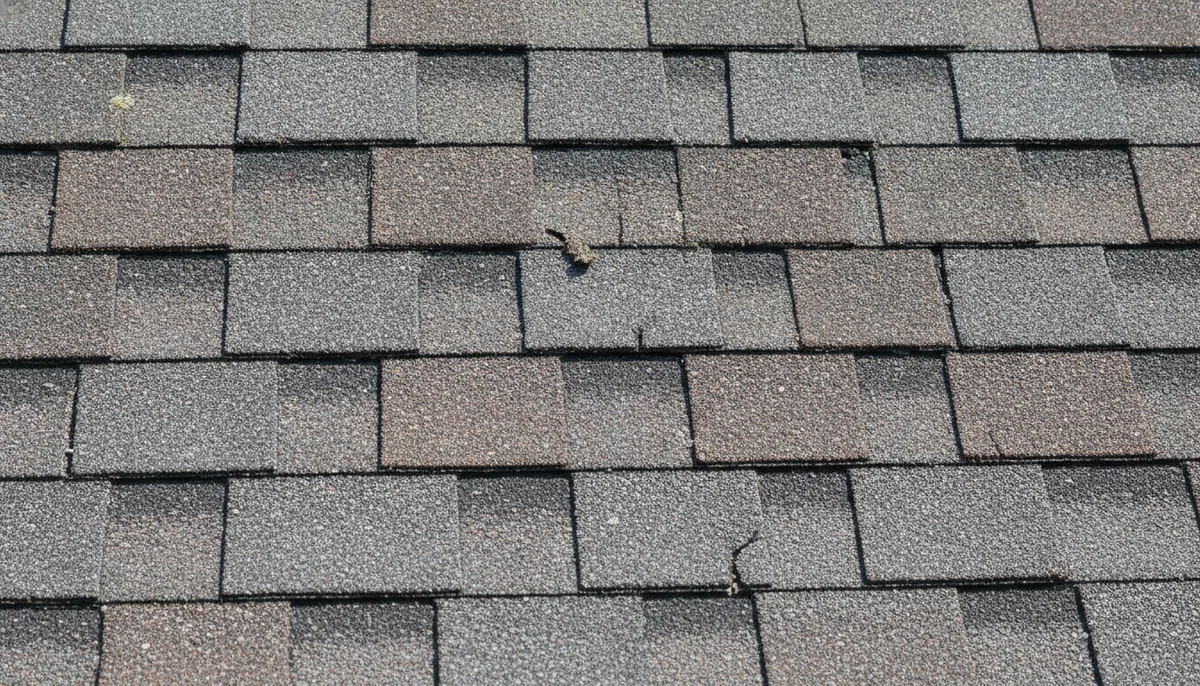
The first thing I do on a storm roof is not what you think
Before I ever walk a roof, I read the loss date on the insurance claim. Under Florida Statute 627.70132, a homeowner has to notify their insurer about an initial or reopened claim within one year of the date of loss. Supplemental claims get 18 months from that original date. And I’ve had grief with this because the clock starts when the damage happened, not when the leak finally showed up. And this deadline does not care that you were out of town for a month.
I had a customer in Orlando, nice guy, worked at a hospital, and his roof leaked after a named storm in September. He didn’t find it until his ceiling stained in December, and by the time he called his carrier it was thirteen months after the storm. He had every intention of filing, but his policy had that statue rule baked into the language, and the insurer kicked it back on the deadline. A complete defence is what the carrier said. Nothing I could do. The roof still needed work, but the insurance money was gone.
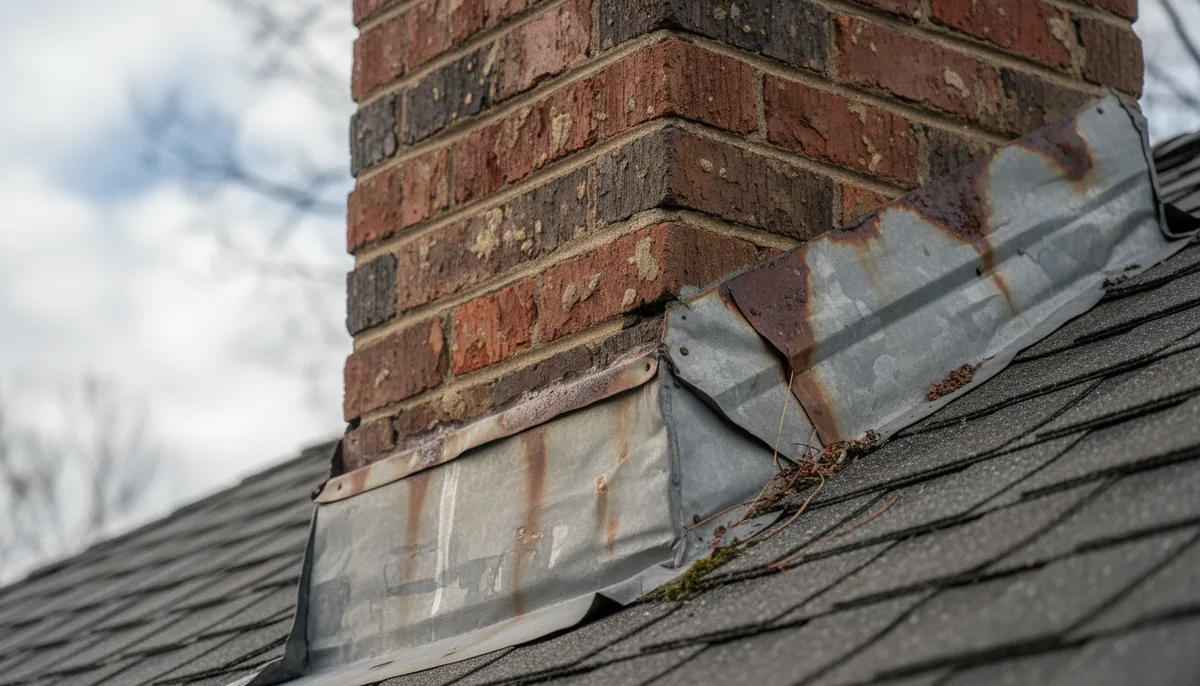
Roof storm damage repair in Florida: the plain homeowner’s test
So how bad is it, really? Sometimes it’s bad enough that I have to talk a homeowner off a ledge when they’re looking at a wet drywall stain the shape of a football. Other times it’s a nail pop or a ridge cap that blew off — a $150 fix and a handshake. The real damage is rarely what you can see from the driveway. The shingles might be torn, but the decking underneath is the part that turns a small problem into a big one.
Here is what I’d tell you to do before you call anybody, just so you understand your own roof’s condition. Look at the ceiling stain and push on the drywall. If it flexes and feels heavy, you have water trapped and the sheetrock needs cutting out. Look at the base of the walls where the roof meets the vertical siding, and check where the flashing has pulled away — that is a silent killer. And look at the attic vent lines. Pushed-up felt or a cracked ridge vent is where the wind starts peeling the whole roof apart. But do not climb up there yourself if you have a two-story with a steep pitch; I am not being dramatic, a normal extension ladder on a hip roof is how roofing contractors end up at Winter Park Memorial.
What I would actually do: before I write any estimate, I’d get on the roof and probe the decking with a screwdriver. Storm claims hinge on what’s underneath, and a visual adjustment from the ground tells you nothing about rot. If the decking is soft, that’s the bill that grows.
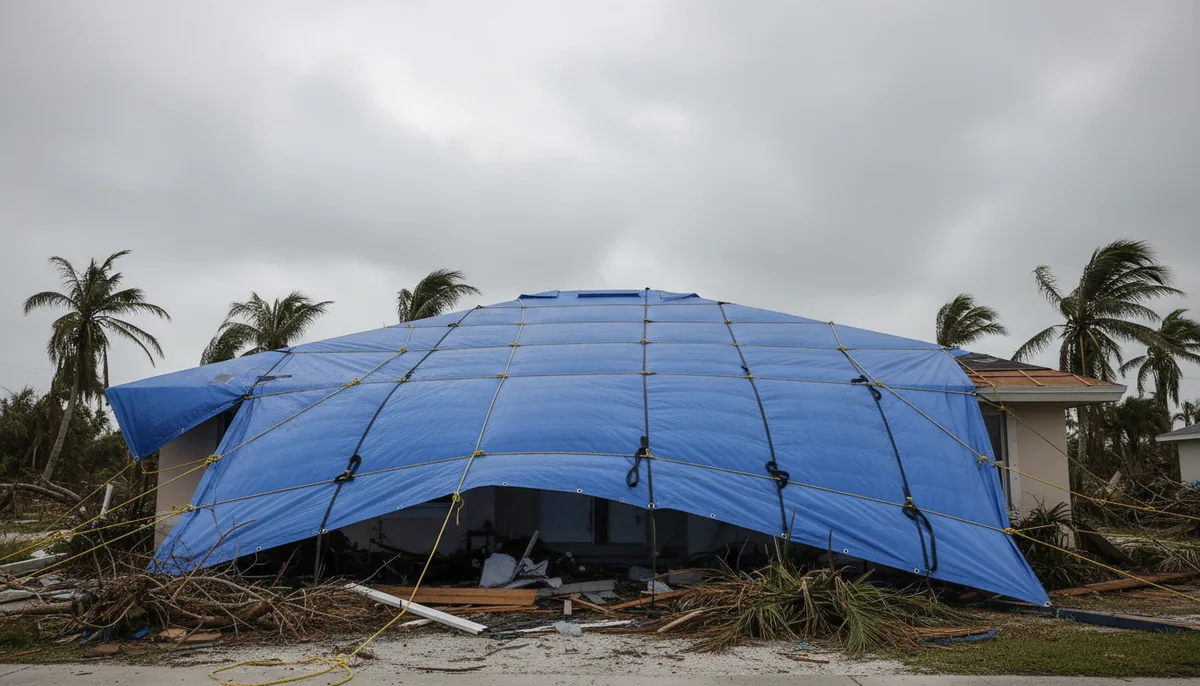
The insurance company’s roofer and your roofer are not the same
Let me get on a soapbox for exactly one digression. I have seen more grief from “the insurance company sent their own inspector” in the last two years than I have in the previous twenty. Their inspector is not necessarily a bad guy, but he is working for the insurer, and his job is to document the claim, not to advocate for your decking. A different inspector from the same carrier will often find different damage. I’m not saying it’s a conspiracy. I’m saying adjusters write down what they can see, and nobody sees soft decking from a drone.
Who exactly is allowed to work on your roof?
This one matters more every year. The Florida Department of Business and Professional Regulation licenses all contractors. A certified contractor has a license prefix of CCC and can pull a permit anywhere in the state. A registered contractor has an RC prefix and can only work in the jurisdiction that licensed them. If you call a roofer from across the state and they show up with an RC license from another county, that’s a problem that costs you time and code violations.
Check the number. Get the license number off the side of the truck, then go to the DBPR roll and look it up yourself. I had a crew from a neighboring county try to pass themselves off as certified two years ago, and their license had expired during the pandemic. And the directory I mentioned earlier verifies these licenses before they list a company, but that still doesn’t mean a given crew has insurance that covers your specific job. I always ask for a certificate of insurance, and if the contractor hesitates, we have a problem.
The permit is not optional, and neither is the inspection
I have to be blunt here. A roof replacement in Florida requires a permit, and the work has to pass an inspection. Any contractor who offers to skip the permit so they can start tomorrow for a lower price is telling you exactly what kind of work they do. Walk away. An unpermitted roof complicates an insurance claim if damage shows up later, and it can sink a home sale when the buyer’s title company asks for the permit history, which they will, because I have never seen a realtor hold a closing without that paperwork.
The permit also gives you a second set of eyes. The building inspector should be checking the nailing pattern, the flashing details, and the ventilation. When I pull a tricky repair on a low-slope commercial roof, I use the inspector as a free consultant. If they flag something, I should of caught it first.
What I would actually do: call your insurance agent before you sign a repair contract, and read your declarations page like it’s a bank statement. Coverage varies by policy, and I am not an adjuster. Just know that the repair might be covered under a different policy section than the full replacement.
One storm, two roofs, two different answers
I did two emergency repairs in the same neighborhood in Oviedo after one bad squall, same kind of wind event, two weeks apart. The first roof was a hip roof, new in 2015, simple ridge line. We patched three shingle tabs that lifted, sealed the ridge vent, and the total claim was under a thousand dollars. The second roof, five streets away, was a gable roof from 2001 with two layers of shingles. The wind blew a section off and exposed the decking, and because the roof was pre-2007 code, the repair trigger snapped on and we had to replace the entire field of the affected slope. The cost difference was not double. It was about five times. Same storm. Same town. Same zip code. The difference was the age of the roof and the code under which it was built.
That is the single most useful thing I can tell you: the damage is not just about the shingles. It is about what the law does to that damage after the storm passes. And a roof that looks like a whisper is usually a shout, financially speaking.
Questions I get asked
Should I call a roofer if the damage is just a few shingles?
Yes, but not for the repair. Call a roofer to document the damage with photos and a written estimate, even before you call the insurance company. The estimate is your evidence that the loss happened. If you don’t have a contractor’s report, the insurer has a harder time accepting that a “minor” wind event actually damaged the roof.
How soon after a hurricane do I have to file a claim?
You have one year from the date of loss for an initial claim under Florida law, and eighteen months for a supplemental. That sounds like a long time, but I can’t tell you how many people wait too long because they think “the damage wasn’t discovered yet” is a valid excuse. The clock starts on the storm, not on your discovery.
My roof is from 2010, but the neighbor’s from 2005. Why does it matter?
You likely fall under the 2007 code or newer, so a repair only triggers an update on the area being fixed. Your neighbor’s 2005 roof might trigger a full replacement if that leak is larger than 25% of the roof. This is why identical storm damage can cost wildly different amounts.
What happens if I file a claim and miss the deadline?
Under Florida Statute 627.70132, the insurer can deny the claim even if the damage is covered, because the law gives them a complete defense. I’ve seen it happen to wonderful people who were just busy or overwhelmed. That’s why I tell every customer to file notice early, even if you’re unsure about the damage’s extent.
How do I find a contractor who won’t disappear?
Start with the DBPR license roll. Look for CCC or RC as described above. Check with your local building department to see what permits they’ve pulled recently. And don’t sign a contract that has a blank line for the total. Always get the price per square in writing, and ask if that price includes dump fees and permit costs.
Can I repair a small area myself to save money?
Maybe you can, but storm damage repair has a way of hiding behind the weatherproofing. If the decking has any softness, or the underlayment is torn, you’re just making the next leak worse. I’ve seen a $50 DIY patch turn into a $4,000 deck replacement because the owner didn’t understand how the water was running under the flashing. That’s the honest math.
More from the site
- Florida storm damage roof — How Bad Is It, Really?
- Storm damage roof restoration in central florida — How Bad Is It, Really?
- Emergency roof repairs in florida — How Bad Is It, Really?
- Florida emergency mobile home roof repairs — How Bad Is It, Really?
- Storm damage roof repairs in central florida — How Bad Is It, Really?