Storm damage roof repairs in central Florida — How Bad Is It, Really?
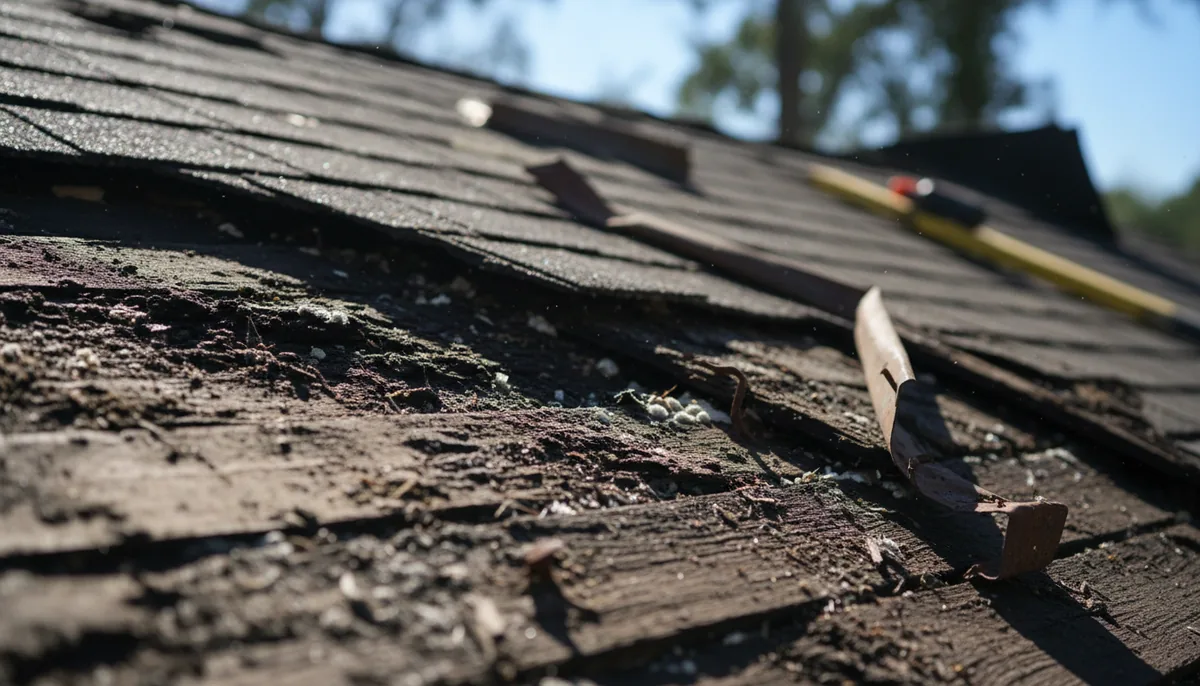
By Dale Prescott, Roofing contractor, Central Florida. Reviewed by Hal Winstead, Editor, licensed roofing contractor. That July afternoon in Winter Haven, I was standing in a customer’s yard with the insurance adjuster, both of us staring up at a roof that looked like someone had taken a giant cheese grater to it. Hail had battered the south slope so hard it had pulverized the granules, leaving bare fiberglass mat showing through in patches the size of dinner plates. The homeowner, a retired schoolteacher, kept asking if we could just patch it. The adjuster kept shaking his head. I’d seen a hundred roofs like it, but that one sticks with me because of what happened next: the homeowner pulled out a contract from another contractor who had promised to “make it work” without pulling a permit. That’s when I knew the conversation was going to get uncomfortable. If you’re looking for honest help, you can find a list of vetted storm damage roofing companies in Florida, but you need to know what you're walking into first.
The truth is, alot of what passes for "storm damage advice" in this state is either panic or salesmanship. I've torn off more roofs than I care to count, and I've been wrong about what I'd find under the decking more times than I like to admit. Sometimes a roof that looks like a total loss from the street is actually fine structurally, just ugly. And sometimes a roof with one little leak has a deck that's rotted out for fifteen feet in every direction. The storm damage itself is rarely the whole story. The rules about what you have to do afterward—that's where things get complicated.
Let's talk about the "25% rule" mess, because everybody gets this wrong
So here’s the deal. For years, Florida had this rule that if you repaired or replaced more than 25% of your roof in any 12-month period, you had to bring the whole roof up to current code. That meant a minor repair could snowball into a full replacement you never planned on. It caused more arguments between homeowners, adjusters, and contractors than I can count.
Then SB 4-D (2022) changed things. Now, if your roof was originally built, repaired, or replaced under the 2007 Florida Building Code or any later edition, only the section you're working on has to meet current code. You don't automatically have to replace the whole roof just because you crossed that 25% threshold. That seems simple enough, right? But the catch is the date. The 2007 code took effect on March 1, 2009. So if your roof was completed before that date, you are probably still stuck with the old rule. I have a friend who does title work, and she tells me people buy houses here without ever checking what code edition the roof was permitted under. Call it an expensive lesson in reading the fine print.
How bad is the storm damage, really, or is the insurance company just cheap?
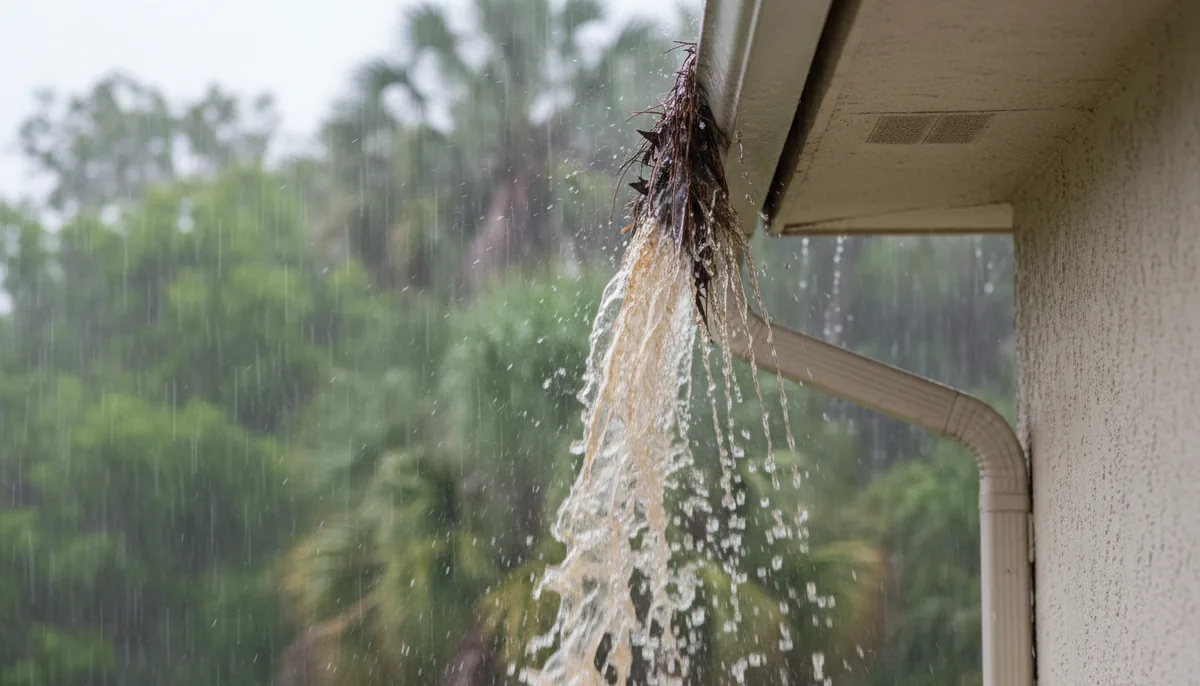
I get this question weekly. A storm blows through Polk County, and suddenly my phone rings off the hook. But the real issue isn't always the wheather. It's the policy. I'm not a licensed adjuster, and I can't tell you what your specific policy covers—that depends entirely on the contract you signed. What I can tell you is that every policy is different, so you need to read your declarations page like it's a map to buried treasure, because if you don't know your deductible, nobody is going to feel sorry for you.
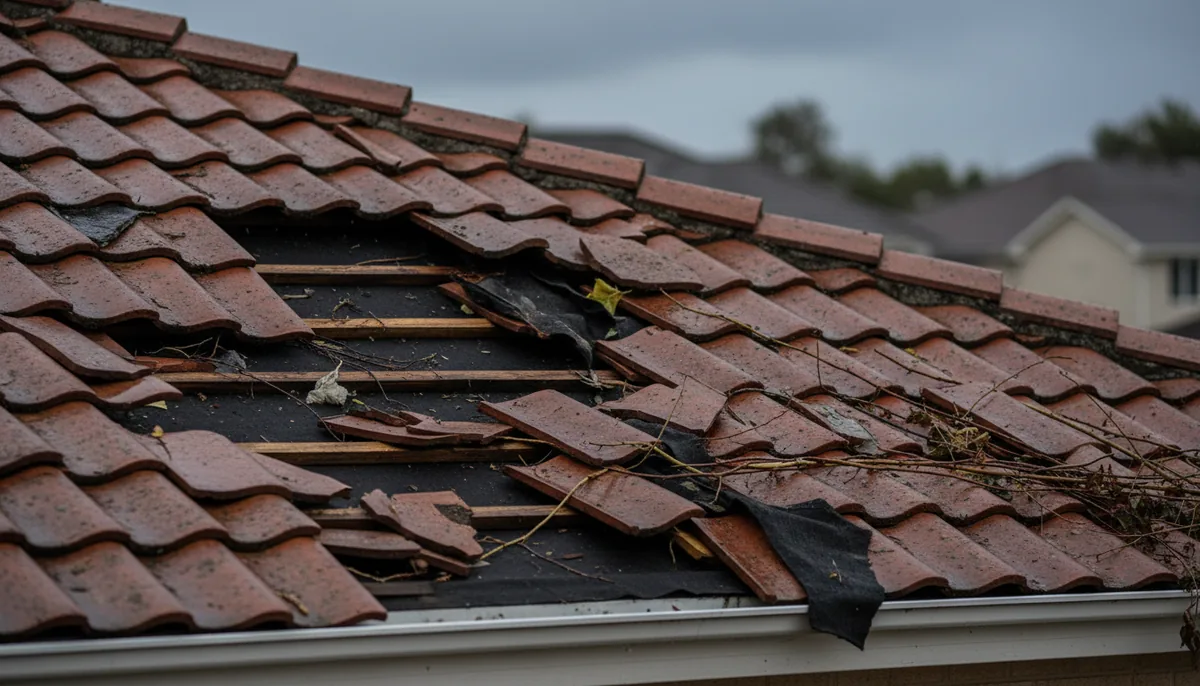
What I see on the ground is this: a lot of damage is cosmetic. Granule loss is ugly, but it doesn't necessarily mean the roof is leaking. It means it's aging faster. A few popped nails and a loose shingle are a thirty-minute repair, not a replacement. But when a tree limb punches a hole and water sits in the decking for a month before someone gets up there, that's when the real rot starts. The damage you can't see from the ground is always worse than the damage you can.
What I would actually do: Get up there yourself if you're able, or pay a contractor you trust to take photos of the decking from the attic. Look for water stains on the rafters. If the wood feels spongy, that's rot. If it's just stained, you might have a few more years left. But don't take my word as gospel—I have been wrong about this before.
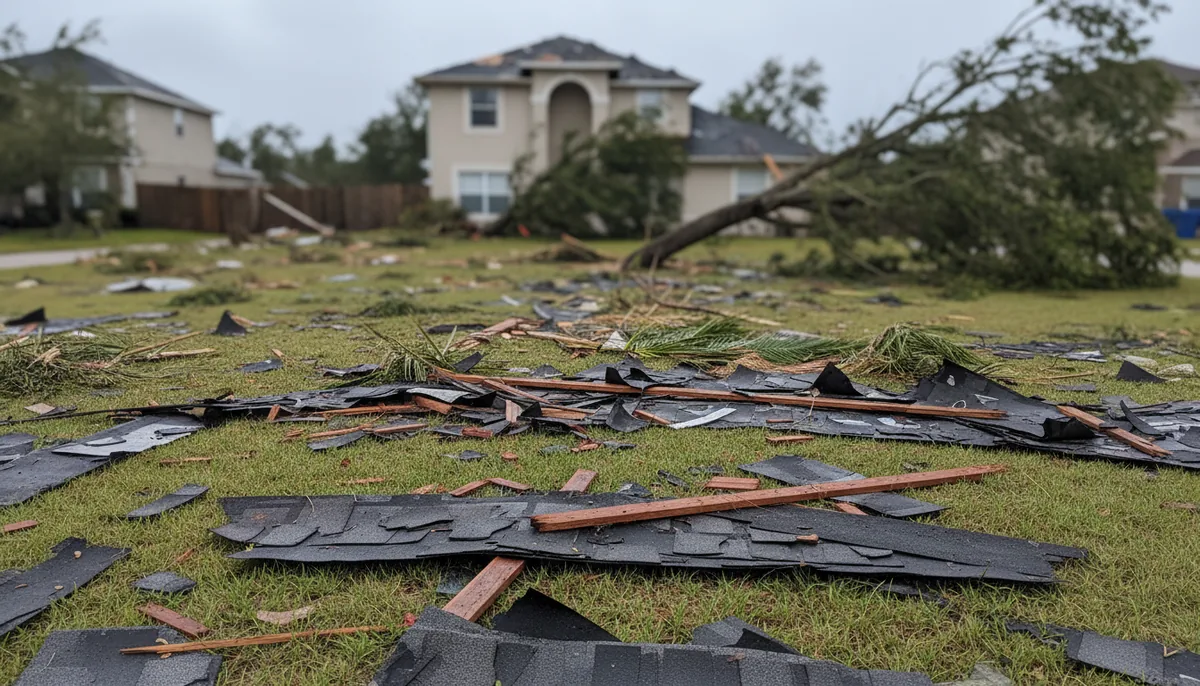
The gut-check on permits, and why I will walk away from a job
A contract that promises to skip the permit is a contract that should go straight in the trash. In Florida, a roof replacement requires a permit from your local building department, and it requires an inspection. That's not the government being nosy; it's the system making sure the roof doesn't fly off in the next hurricane. A contractor who tells you that you don't need a permit, or that it's "too much hassle," is a contractor who is going to cut corners somewhere else. I've seen the work. It's not pretty.
And an unpermitted roof can haunt you when you sell the house. The buyer's inspector will flag it, the title company will get nervous, and you'll be scrambling to get a retroactive permit or paying for a whole new roof just to close the deal. I had a customer in Lakeland who bought a house with a brand new roof that was never permitted. Three years later, a storm damaged it, and the insurance company asked for the permit history. There was nothing on file. That claim turned into a nightmare. Walk away from any contractor who suggests it's no big deal.
What is the one-year rule, and why is everyone so panicked about it?
This is where the state really changed things. Under Florida Statute 627.70132, as amended in 2022, you have to notify your insurer about an initial or reopened claim within one year of the date of loss. For a supplemental claim—say, when the contractor opens up the decking and finds more rot than the adjuster saw—you have 18 months from the date of loss. Notice that it's from the date of the storm, not the date you discovered the damage. That's a huge difference.
Legally, if you miss that deadline, the insurance company can deny the claim entirely, even if it's a covered loss. I used to have customers take their time, wait for the busy season to end, or try to patch things themselves first. You can't do that anymore. The old three-year window is gone. You need to call your agent and file that notice fast. I'm not a lawyer, so don't take my word as official legal advice, but the form you'll need is typically the one the insurer provides, often form OIR-B1-1802, and your agent should walk you through it. Slow is smooth, smooth is fast, but in this case, you need to be fast.
Is the state help actually worth the paperwork?
Occasionaly, a homeowner asks about the My Safe Florida Home program, which offers matching grants for hurricane mitigation work. I tell them it's real, but it can be a slow process with a long waitlist. It’s not a handout; you usually have to pay for an inspection first, and then you get a set amount back after the work is done. It helps if you want to beef up your roof with extra strapping or a secondary water barrier, but it doesn't pay for the whole thing.
What I would actually do: If you’re planning to stay in your house for a while, pay for a wind mitigation inspection from someone who actually knows the roof system, not just a guy with a drone. That report can get you discounts on your insurance, and it tells you exactly where your roof is weak. If you’re just trying to sell, don't bother—the buyer's inspector will find it anyway.
How do I know the contractor I hire isn't going to skip town?
Check the licence. That's the non-negotiable first step. Florida roofing contractors are licensed by the DBPR. A certified contractor has a licence begining with the prefix CCC, which means they can work anywhere in the state. A registered contractor has a licence beginning with RC, which means they can only work in the local jurisdiction that issued it. An RC licensed guy from Orlando can't legally do your roof in Tampa, no matter what he says. Always verify the number is active on the DBPR roll before you sign anything. I don't care if my mother recommends the guy; you check the roll first.
I've seen storm chasers come through Central Florida like locusts after every big blow. They knock on doors, write huge estimates, take a fat deposit, and then the phone number is disconnected by the time the next hurricane season rolls around. Don't pay more than half upfront, and don't let the "we buy materials in bulk" pressure line rush you. A good local roofer has a reputation to protect. The guy from Michigan with a stack of business cards and a rented truck does not.
Questions I get asked
Should I file an insurance claim for a few missing shingles?
If you have actual damage, file the notice. Missing shingles after a named storm usually means the wind lifted them, and that's often covered. But if it's just age-related brittleness from ten Florida summers, that's wear and tear, not storm damage. Filing a claim for a $400 repair could raise your rates, so consider whether it's worth it.
How long does a roof replacement actually take?
A straightforward asphalt shingle roof on a single-story house with a simple pitch can take two or three days, give or take. A tile roof on a two-story with a steep slope takes longer, usually five to seven days. Depends what is under there—if we find rotted decking, that adds a day. If we find two layers of old shingles, that adds time for tear-off.
Can I just put another layer of shingles on top?
You can, in some cases, but I wouldn't. It hides problems, it voids most manufacturer warranties, and it adds weight your structure wasn't designed for. That's how you get a collapsed ceiling, and nobody wants that. Tear it off and start clean.
What is the most common mistake you see homeowners make?
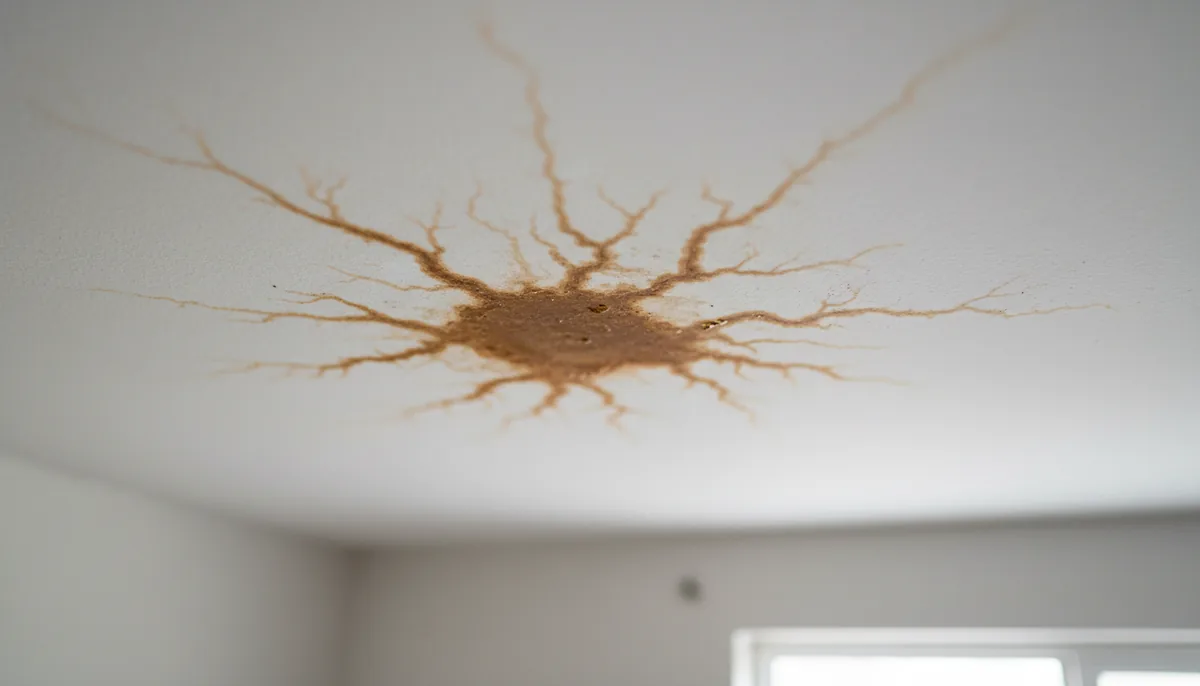
Waiting. They see a leak, put a bucket under it, and call us a month later. By then, the water has wicked up the drywall, soaked the insulation, and started rotting the trusses. A small tarp now is much cheaper than a huge repair later.
Is it true the insurance company will drop me after a claim?
I can't say what your specific insurer will do, but I've seen it happen. That's not insurance advice; that's just observation from my side of the table. Your best bet is to read your policy documents and talk to your agent before you file, so there are no surprises.
What does a roof inspection by a contractor cost?
Most of us do it for free, but we're looking for work, so understand that bias. If you want a purely independent assessment, you might pay a licensed adjuster or a structural engineer a few hundred bucks. That fee is often worth it if you're in a dispute with your insurance company.
Roofing in Florida is not a mystery. It's a headache, but it's a manageable one. Show me a roof that's been nailed down properly with good ventilation, and I'll show you a roof that outlives it's warranty. Show me a roof installed by the lowest bidder in a hurry after a hurricane, and I'll show you a leak waiting for the next big rain. The storm damage is just the spark. The real fire is always in the details.