Roofing insurance claims Florida: What Florida Homeowners Should Know
By Shelly Marchetti, Florida homeowner advocate. Reviewed by Hal Winstead, Editor, licensed roofing contractor.
I sat at a kitchen table in Cape Coral one August afternoon, watching a widow run her finger down a claim denial letter. Her roof had leaked for six months before she called her insurer, and the carrier's position was simple: she waited too long. It hurt to tell her they were legally right. She had coverage for the damage. The wind had peeled back a whole corner of her shingle roof. But Florida's deadline clock had run out while she waited for a contractor friend to "get around to it." I still think about that afternoon when I hear somebody say they'll file the claim later.
I'm Shelly. I read the fine print so you don't have to. And if you're about to call your insurance company about a roof, stop for sixty seconds and read this. If you need a contractor before you do anything else, here's a solid place to find one: residential roofing companies in Florida. That directory checks licenses against the DBPR roll, which is more than most people do before they hand over a deposit.
Let's talk about the deadline that sinks more claims than any storm
Florida Statute 627.70132 says you have one year from the date of loss to notify your insurer about an initial or reopened claim. Supplemental claims? Eighteen months from the date of loss. This used to be three years, and the legislature shrank it in 2022. The clock starts when the damage happens, not when you find it. That leak that stained your ceiling in March? If the tile broke in October, you're already behind.
I of been wrong about this before, and I hate being wrong about it. But the law is the law. If you miss that one-year window, the insurer has a complete defense, even if your policy clearly covers the damage. They don't have to pay a dime. So the second you suspect roof damage, document the date you think it happened and call your agent. Don't wait for the adjuster to call you back. Don't wait for three estimates. Don't wait for your neighbor to tell you which roofer he used. Call.

What I would actually do about that storm damage
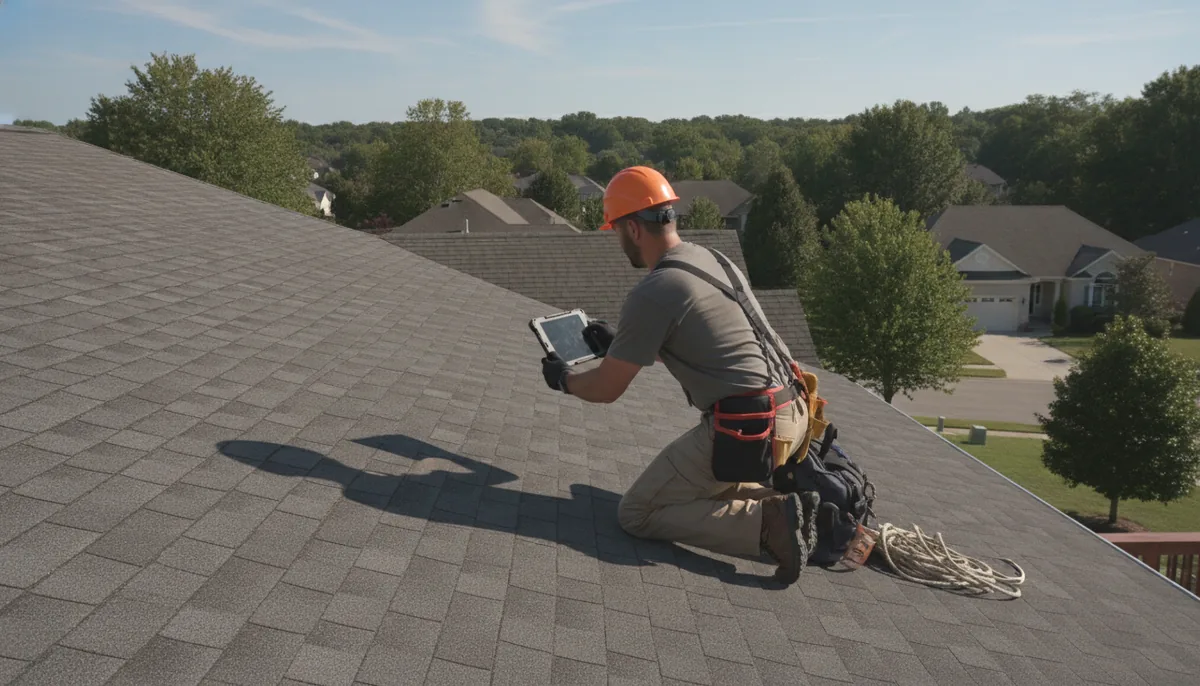
Get a roofer to look at the roof first. A good roofer will climb up, poke around, and tell you if there's real damage. That inspection might cost you a couple hundred bucks, but it's worth it. And while he's up there, ask him to take photos with a timestamp.
What I would actually do: Call your insurance company the same day you find damage. Then call a roofer. In that order. The claim clock is ticking from the date of loss, so speed beats perfection.
Then file your claim. When the adjuster comes, have your roofer meet him on the roof. Roofers and adjusters speak the same language, mostly. They'll argue about shingle tabs and decking while you stand in the yard wondering if you should have bought that second umbrella policy.

The 25% rule changed, and a lot of roofers still haven't caught up
Here's the old rule: if more than 25% of your roof was damaged, the whole roof had to be brought up to current code. That meant a small leak could trigger a full replacement. Insurance companies hated it. They paid for entire roofs when only a section was blown off.
Then SB 4-D (2022) changed the game. Now, if your roof was built, repaired, or replaced under the 2007 Florida Building Code or anything newer, only the part being worked on has to meet current code. Full replacement is no longer automatically triggered. The 2007 code took effect on March 1, 2009. So if your roof is from before that date, the old 25% rule generally still applies. If it's newer, you might only need a repair instead of a full roof.
Don't let a contractor tell you the whole roof has to go just because the adjuster approved one section. Ask what code your roof was built under. Ask to see the permit. And get the answer in writing before you sign anything.
Wind mitigation inspections can pay for themselves in one season
A wind mitigation inspection checks specific things: roof covering, roof deck attachment, roof-to-wall connection, roof geometry, secondary water resistance, and opening protection. If your roof qualifies, Florida insurers must offer premium discounts. The standard form is OIR-B1-1802. The inspection costs less than the annual discount it can open up, usually.
Here's a weird quirk of Florida life. I have a customer in Port Charlotte who paid for one of these inspections and got a discount so large that the inspection paid for itself in eleven months. He showed me the premium difference on his renewal notice. I nearly fell off my chair. But the opposite can happen too. If the inspector finds problems, you might lose a discount you were already getting. Call it a gamble with good odds.
And if you can't get private coverage at all, there's Citizens Property Insurance Corporation, the state-backed insurer of last resort. It's not a charity and it's not cheap. But it exists for a reason.
What I would actually do: Ask your agent if the current premium already includes every wind mitigation discount you qualify for. If they hesitate, pay for a fresh inspection. It depends on your roof, but a few hundred bucks can save thousands over time.
My Safe Florida Home might pay for some of your hardening
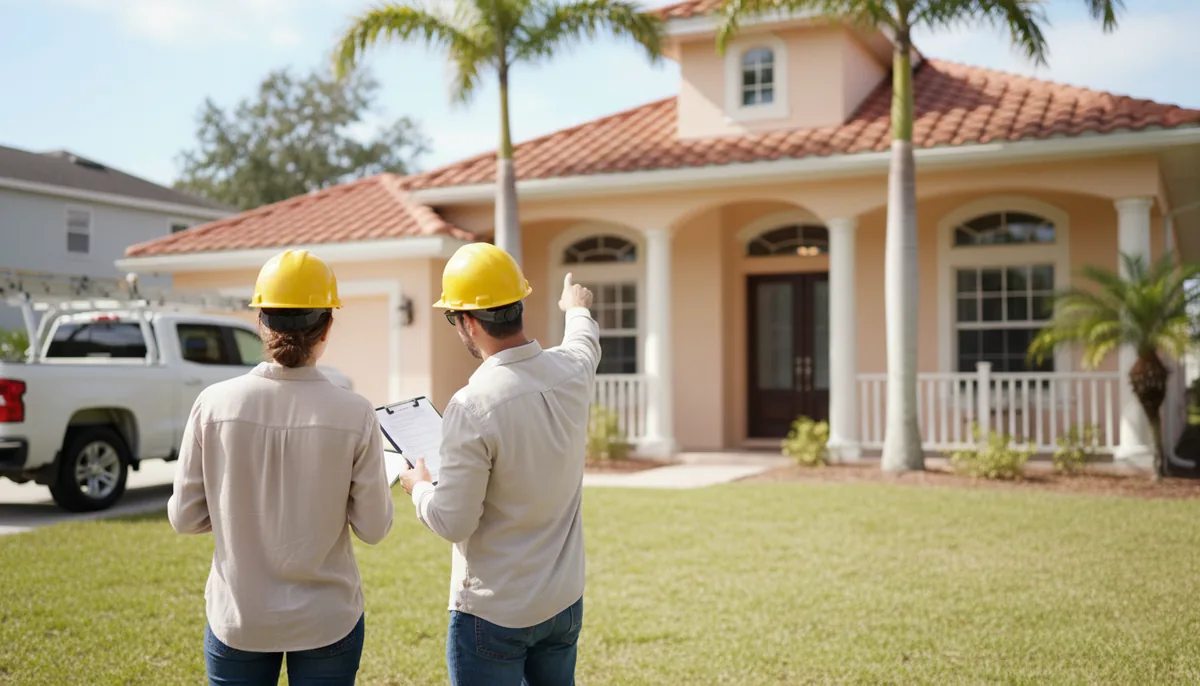
If you own a home and meet the criteria, the My Safe Florida Home program offers free wind mitigation inspections and matching grants for hurricane-hardening improvements. Funding is appropriated per cycle and can run out. Don't call me and ask if it's open right now, because I genuinely cannot tell you without checking. It's worth checking wether the program is currently accepting applications.
The free inspection alone is worth it. The grant money? That's a bonus. A lot of people apply and never hear back. Some people apply and get a check. It depends on the cycle and how many people are in line ahead of you.
Check the license before you let anybody on your roof
Florida roofing contractors are licensed by the Department of Business and Professional Regulation, the DBPR. A certified roofing contractor has a license starting with CCC and can work anywhere in the state. A registered roofing contractor has a license starting with RC and can only work in the local jurisdiction that licensed them.
I say this because I once met a homeowner in Fort Myers who hired a guy with an RC license to do work two counties away. The guy did fine work, honestly. But when the roof leaked three months later, the local authorities couldn't touch him. He wasn't licensed to work there in the first place.
Always verify the license is active before you hire. You can check the DBPR roll online. It takes two minutes. It saves you a headache that lasts years. The directory I linked earlier does this verification for you, which is exactly why I point people there.
Questions I get asked
My insurance company denied my claim because I filed too late. Is there anything I can do?
That depends on the facts and the policy language. Missing the deadline in Florida Statute 627.70132 gives the insurer a complete defense, even on a covered loss. If the damage just happened and you filed within a year, you should not be denied on those grounds. If you genuinely missed the window, you need to talk to a lawyer who handles insurance disputes. I'm not one, and I can't tell you otherwise.
Do I really need a wind mitigation inspection to get a discount?
No, you need the inspection to qualify for a discount you might already be owed. Many policies already have credits applied from a previous inspection. If you bought the home recently, you might not have one on file at all. It costs a little money and takes under an hour. The premium reduction can be substantial, but it varies by carrier and policy.
Can I fix one small section of my roof without replacing the whole thing?
If your roof was built to the 2007 Florida Building Code or later, SB 4-D (2022) generally says yes, only the part being repaired needs to meet current code. If your roof predates that, the old 25% rule might force a full replacement. You need to find out what code your roof was built under before you commit to anything.
What exactly does a wind mitigation inspector look at?
They look at six things: roof covering, roof deck attachment, roof-to-wall connection, roof geometry, secondary water resistance, and opening protection. It's all about how well your roof stays on during a storm. The resultes go on form OIR-B1-1802, and your insurer uses that form to calculate your discount.
My roof is old but not leaking. Should I file a claim anyway?
No. Filing a claim for no damage can raise your rates or get you dropped. A claim is for damage that happened, not for preventative maintainance. If your roof is old and you're worried, pay for an inspection out of pocket. Don't invite the insurance company into your life unless you have a real loss.
How fast do I need to call my insurance company after a storm?
Call as soon as you notice damage, and put the date of loss in writing. The law gives you one year from the date the damage happened, not from the day you found it. If you're not sure when it happened, say so on the claim. The insurance company will investigate and make it's own determination. Just don't sit on it.
I've seen too many people lose legitimate claims because they waited. It's hot. It's raining. The roof doesn't look that bad. Then a hurricane comes through and suddenly that minor leak is a major hole. By then, the deadline has passed and your policy is a stack of paper with no power.
Call your agent. Call a roofer. Get it in writing. Then get on with your life. The roof is the only thing between you and the Florida sky, and the sky doesn't care about your deductible.
More from the site
- Roof insurance claims help florida: What Florida Homeowners Should Know
- Roof damage insurance claim florida: What Florida Homeowners Should Know
- Florida insurance roof replacement law: What Florida Homeowners Should Know
- Florida roof age requirement insurance: What Florida Homeowners Should Know
- Hail damage roof claim florida: What Florida Homeowners Should Know