Roofing maintenance florida
By Shelly Marchetti, Florida homeowner advocate. Reviewed by Hal Winstead, Editor, licensed roofing contractor.
That afternoon in Port St. Lucie, I was standing in a customer's driveway watching a contractor explain why his crew had to "breathe life back into" a twenty-year-old tile roof with a pressure washer. The homeowner was nodding along. I was staring at the granules from the older asphalt sections collecting in the gutters like coffee grounds. That was the day I learned that in Florida, someone will always try to sell you maintenance you don't need, right before they skip the maintenance you actually do.
I'm Shelly. I've spent years helping Florida homeowners read the fine print on quotes, contracts, and insurance denials before they sign away their rights or give up on a legitimate claim. When I need to find a contractor for a client, I start with the roofing companies in Florida directory, but I never stop there. The directory verifies licences against the DBPR roll, which is a solid starting point. But the real work happens in the details of your specific roof, your specific policy, and your specific problem.
Let's talk about roofing maintenance Florida style. It is not what most contractors will tell you when they knock on your door after a thunderstorm. It is not about sealants and magic coatings. It is about making sure the things you can't see are actually doing their job, so the things you can see don't ruin your week.
What counts as roofing maintenance in Florida, really?
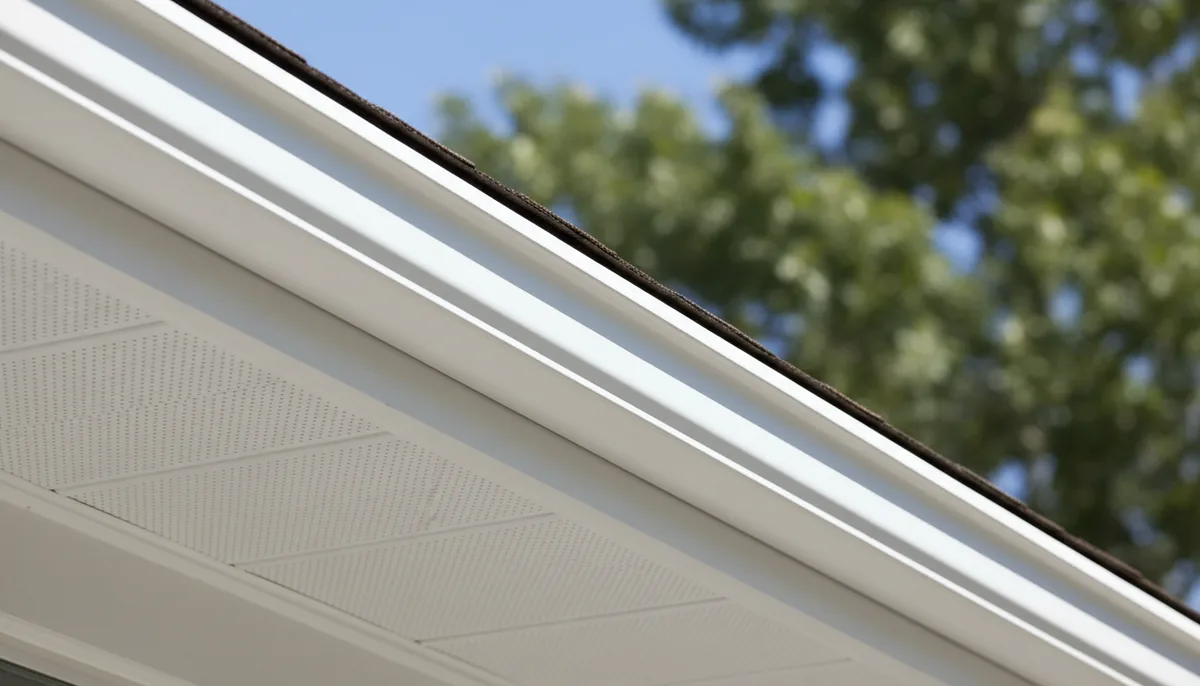
Florida's version of roofing maintenance is all about the seasons. You have hurricane season, which officially runs from June through November. Then you have the rest of the year, which is when the sun tries to cook your roof like a rotisserie chicken. Maintenance means checking for damage after a big storm, not just before one. It means looking at the flashing around your chimney and your plumbing vents, because that thin metal is where water finds a way in. It means cutting back tree limbs that hang over the roof, because in a tropical storm those limbs become projectiles. And it means cleaning your gutters, even though it is the most boring chore on the planet. A clogged gutter in a Florida downpour can send water under your eaves and into your attic faster than a bad patch job.
The hard truth is that most of the maintenance depends on what is under there. A flat roof on a commercial building in Miami is a totally different animal than a steep asphalt shingle roof in Tallahassee. The age of your roof matters, too. A lot of the shingle roofs installed after the 2005 hurricanes are reaching the end of their expected life right about now. If your roof is older than fifteen years, you are not in maintenance mode anymore. You are in replacement planning mode. Call it what you want, but don't pretend regular maintenance is going to fix deteriorating shingles. I have been wrong about this before, but I'd rather be honest than sell you a bill of goods.
Why a permit isn't paperwork — it's your only protection
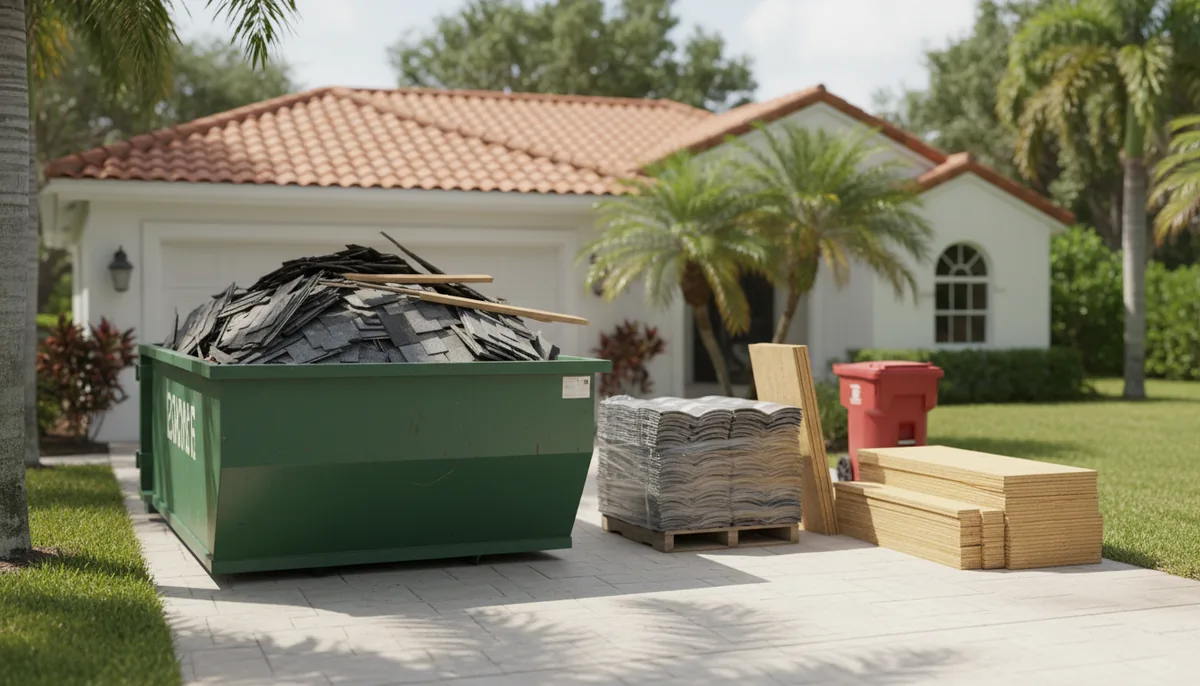
Here is the thing I tell every homeowner who calls me with a sob story: a roof replacement in Florida requires a permit pulled from the local building department. That means there will be an inspection. If a contractor offers to skip the permit so the job is cheaper or faster, that is your cue to walk away. I don't care how charming he is or what kind of truck he drives. An unpermitted roof can complicate both an insurance claim and a future sale. Ask me how I know. Actually, don't. I have a whole file folder of how I know.
The permit requirement is not just bureaucracy for the fun of it. It is how the county makes sure the roof can actually handle the wind loads in your area. It is how the building inspector catches things like missing hurricane straps or wrong nails. And it is how you prove to your insurance company that the work was done to code. If you skip the permit to save a few bucks, you might save a few bucks. But you could also lose your entire claim later when a tree goes through your living room and the adjuster finds out there's no record of that new roof. I have seen it happen. It is not pretty.
There is also a state law, SB 4-D (2022), that changed some rules about how roofing contracts work in Florida. It requires contractors to have a written contract that includes specific language about insurance deductibles. It is designed to stop the scam where a contractor offers to waive your deductible or "eat" it, which is actually insurance fraud. If a roofer starts talking about paying your deductible for you, get them out of your house. That is not a good deal. That is a felony waiting to happen.

The wind mitigation inspection is the cheapest hour you'll spend
Here is where I get to give you some good news. Florida insurers must offer premium discounts for qualifying features on your roof. They are required to do it. But they won't do it unless you ask, and you have to have a wind mitigation inspection to prove the features exist. The standard form is OIR-B1-1802. That inspection documents six things: roof covering, roof deck attachment, roof-to-wall connection, roof geometry, secondary water resistance, and opening protection. That last one means things like impact-resistant windows and garage doors. The inspection typically costs far less than the annual discount it can open up, especially if you are in a high-risk part of the state.
I have seen homeowners get a wind mitigation inspection and discover their roof already has features that give them a significant discount. They just never knew. They had been overpaying for years because nobody told them the form existed. That makes me angry. The insurance companies aren't going to remind you to ask for a discount. That's not how they make money.
What I would actually do: Call a licensed inspector or a roofer who offers wind mitigation inspections and ask them to run the form OIR-B1-1802 on your house before you renew your policy. Then send the completed form to your insurance agent. Don't let the agent sit on it. Make sure it gets attached to your file. If you have older windows, the inspection might not give you the opening protection credit, but you might still qualify for secondary water resistance if your roof deck has the right underlayment.
And for the love of all that is holy, do not let the same contractor who is trying to sell you a new roof do the wind mitigation inspection unless you trust them completely. I have seen inspectors "find" problems that magically require a full replacement. There is a name for that. It is called a sales tactic. A legitimate wind mitigation inspection is an objective document. If the same guy who inspects the roof is the same guy who bids on the replacement, you have a conflict of interest staring you right in the face.

What to do when your insurance company says no
Look, I am not a lawyer and I am not a licensed adjuster. I am a homeowner advocate who has read alot of denial letters. When you get a denial, the first thing you need to do is calm down. The second thing you need to do is read the letter carefully. Many denials are based on a lack of documentation, not a lack of coverage. The insurance company might say they can't determine the cause of loss, or they might say the damage is excluded because of wear and tear. Florida Statute 627.70132 has some teeth in it about how insurers handle claims and what they have to tell you about your rights. But every policy is different. I cannot state what a specific policy covers because I haven't read yours. Neither has the adjuster until you give them a reason to.
What you should do is pull out your declarations page. That is the one that lists your coverage limits and your deductible. Then look at the exclusions section of your policy. If you don't understand it, ask your agent to explain it in plain English. If the denial says the damage was pre-existing, and you have photos from before the storm, now is the time to use them. Documentation wins claims. I tell all my clients to take photos of their roof once a year, on a sunny day, just for this reason. You are creating a baseline. You are giving yourself evidence.
What I would actually do: If you get a denial, do not call the contractor first. Call your agent and ask them to walk you through the exact language of the denial. Then ask a licensed public adjuster or an attorney who handles first-party property claims to review it. Many of them offer a free consultation. Do not give up on a claim just because the first letter says no. That letter is a negotiation, not a verdict. I have seen claims get paid after three denials. Not often, but it happens.

The Citizens question and My Safe Florida Home
In Florida, if you can't get coverage in the private market, you might end up with Citizens Property Insurance Corporation. That is the state-backed insurer of last resort. They have been raising rates and changing policies, which is a whole other conversation. But if you are with Citizens, they have stricter underwriting rules than private insurers. They might require you to have a newer roof or make specific repairs before they renew your policy. This is where a wind mitigation inspection becomes even more importent, because it gives you a documented picture of what your roof actually looks like.
There is also a grant program called My Safe Florida Home. It provides free wind inspections and matching grants for homeowners who want to harden their homes against hurricanes. That means things like reinforcing your roof-to-wall connections or upgrading your garage door. The website has changed a few times and the funding runs out quickly, so do not expect to call and get a grant next week. But if you live in a hurricane-prone area, it is worth checking to see if the program is open. The grants are funded by the state and they disappear fast when a hurricane threatens.
Questions I get asked
How often should I have my roof inspected in Florida?
After every major storm and at least once a year. If you live in a part of the state that got hit by a hurricane or a bad hail storm, get an inspection afterwards. If you have a tile roof, pay attention to the ridge caps. If you have a shingle roof, look for curling or missing granules. The cost of a routine inspection is small compared to the cost of a leak that destroys your ceiling and insulation.
Is it worth repairing a small leak or should I just replace the whole roof?
That depends on the age of the roof, the extent of the damage, and what the rest of the roof looks like. A leak around a pipe boot in a five-year-old roof is a repair. A leak in a twenty-year-old roof with blistering shingles and rusted flashing is a sign. You can patch a hole, but you cannot patch thirty years of sun exposure. A good contractor will give you an honest assessment. A bad contractor will tell you that every leak means a full replacement. You need a second opinion if the first guy is that eager.
What does the DBPR licence number actually tell me?
The Department of Business and Professional Regulation is who licenses roofing contractors in Florida. A certified contractor has a licence begining with CCC and may work anywhere in the state. A registered contractor has a licence beginning with RC and may only work in the local jurisdiction that licensed them. You should of always verify the number is active before hiring. You can do that on the DBPR website. Do not just look at a business card. Look up the actual licence number. If the number doesn't come back active, hire someone else.
Should I try to fix my roof myself?
No. Flat out, no. I have seen homeowners climb up on their roof with a tube of caulk and a YouTube video. I have seen the resultes. Florida roofs are steep, the sun is brutal, and the materials are designed to be installed by professionals in specific ways. You might save a few hundred dollars on the repair and then spend thousands on the water damage when the repair fails. Also, if you get hurt on your own roof, your health insurance might not cover it. It is not worth it.
How do I choose between the contractors who knocked on my door after the storm?
Storm chasers are real. They come from out of state, they knock on your door, they promise you a new roof, they take a deposit, and then they disappear. If someone shows up unsolicited after a storm, tell them no thank you. If you need a roofer, find them through a directory that verifies licences, ask your neighbors for referrals, and get at least three written estimates. Then check the licence number and make sure the company has a physical address in your area. A local contractor has a reputation to protect. A storm chaser does not.
The contract is where the conversation ends
The final thing I want to say about roofing maintenance florida homeowners ignore is the contract. When you get a quote, read the entire document before you sign. Look for the permit clause. Look for the insurance certificate language. Look for the payment schedule. A huge red flag is a contractor who demands a large down payment before any work starts. Florida has specific restrictions on down payments, and a contractor who wants 50 percent up front is probably going to walk. I have seen contracts that looked fine until you read the arbitration clause in tiny print. I have seen contracts where the contractor listed the wrong licence number. Read the contract like a detective, because if something goes wrong, that contract is what a judge will read.