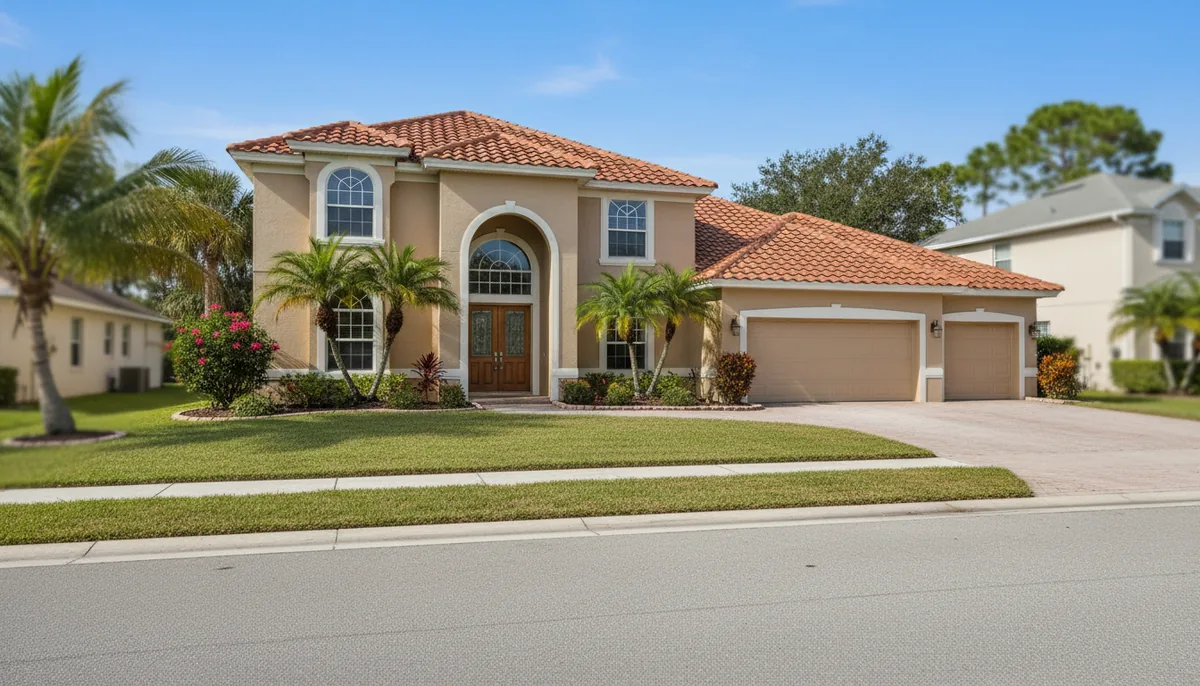
South florida residential roofing: The Florida Guide
By Marcy Doleman, Commercial roofing estimator. Reviewed by Hal Winstead, Editor, licensed roofing contractor.
One hot May afternoon in Fort Myers, I was standing on a warehouse roof, measuring a TPO patch, when the condo manager next door asked me to look at a tile ridge. Water was weeping through the ridge vent, which is not a sentence you hear on commercial low-slope work. I found nails backed out of half the ridge caps and a valley flashing that stopped three inches short. I don't install residential roofs. But when someone asks where to find residential roofing companies in Florida, I point to the directory and then give them the same talk I'd give my own cousin.
I estimate commercial flat and low-slope roofs — TPO, modified bitumen, coatings on warehouses, retail plazas, and schools. That means I spend my days looking at failures instead of celebrations. South Florida residential roofing is a different animal with the same instincts: sun cooks it, rain tests it, and shortcuts show up early. The worst part is nobody can see what's under the top layer until it's too late.
Gripe from the road: a homeowner once argued that his roof had more square footage than my estimate because his drone measured it bigger. His drone measured the outside of the parapet walls. It couldn't see the three layers hiding underneath. I don't estimate from drone photos anymore.
Why South Florida residential roofing follows me even on commercial jobs
Every job has the same pattern. I walk a school roof, and a teacher asks about her own ceiling stain. I measure a strip center, and the store owner asks wether the insurance company can force a reroof. I'm not a claims adjuster. But I can tell you what makes one roof survive and another one fail.
Roofing is priced per square, and the cost of ignoring a leak is usually the cost of a bigger roof. If the deck is wet, call it a replacement. If the problem is a failed boot around a pipe, a patch done right can outlast the rest of the roof. I've been wrong about this before, which is why I say the same thing to every homeowner: find the cause first. You're not buying shingles. You're buying a dry building.
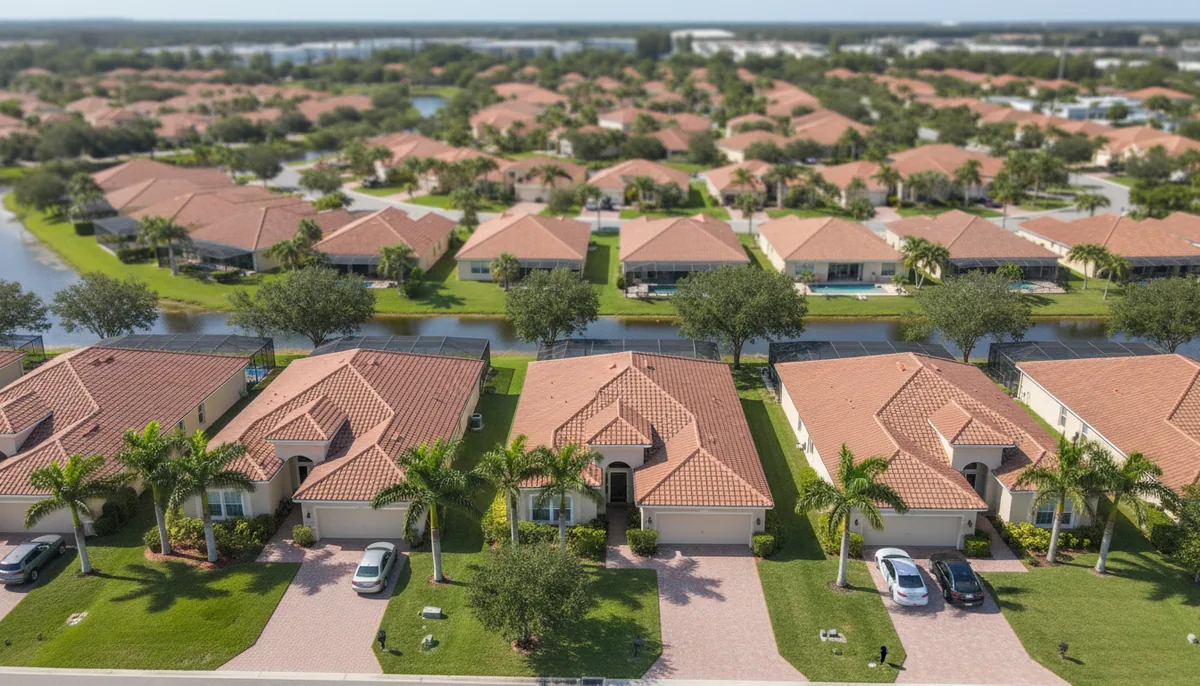
Check the licence before you let anybody near your roof
Florida roofing contractors are licensed by DBPR. Don't let anyone talk over you with alphabet soup. The DBPR licence prefixes CCC and RC mean different things. CCC means certified, so that contractor can work anywhere in Florida. RC means registered, and registered means local only — the jurisdiction that issued the licence. A Broward RC contractor should not assume they can roof in Miami-Dade. The DBPR roll also tells you whether the licence is active. If it isn't, move on.
What I would actually do: Ask for the licence number before the estimate and check the DBPR roll with my own thumbs. I don't take their word for it. I don't take my own memory for it either.
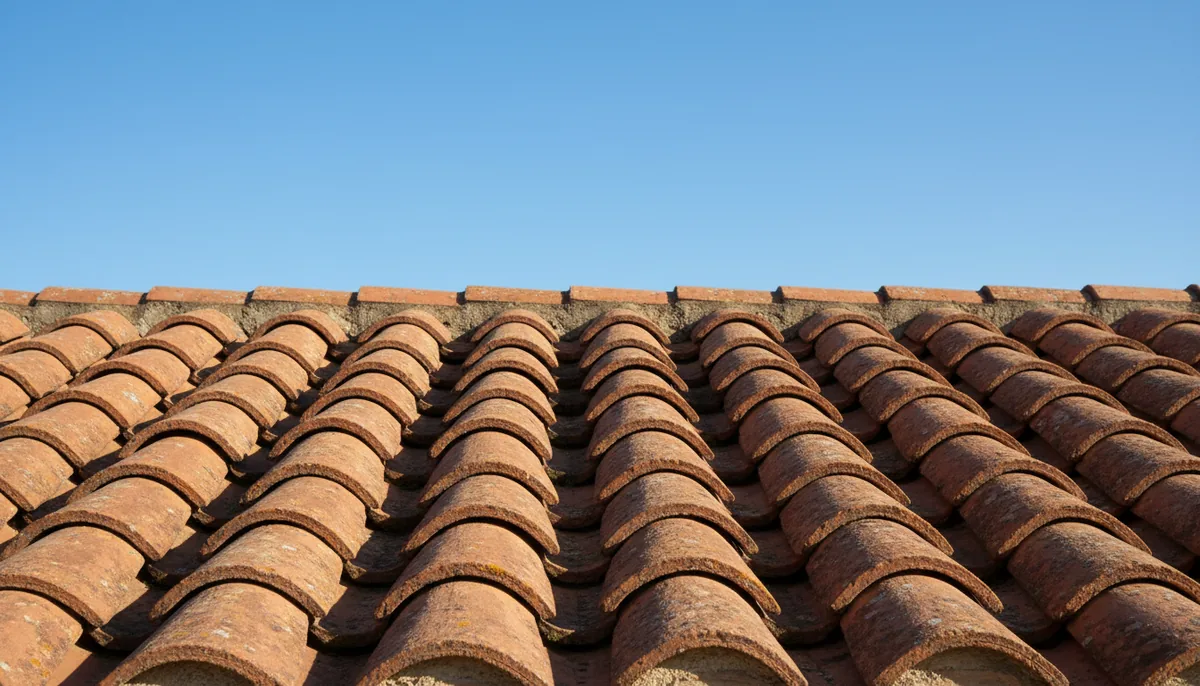
Pull the permit. Get the inspection. Walk away if they skip it.
A roof replacement in Florida requires a permit from the local building department and an inspection. That's not a suggestion, and it's not a fee the contractor should "save" you. Some repairs don't need permits depending on your town, but a full replacement always does. If a contractor offers to skip it, they are telling you who they are. Beleive them. An unpermitted roof can complicate an insurance claim and a future sale. It might also have no inspection record, which means you'll pay for someone else's gamble.
Keep the permit paperwork like it's a title deed. It matters more than the color of the shingle.
What I would actually do: Write the permit number into the contract and ask for the inspection date before the first check gets cashed. If they can't provide it, that tells you everything.
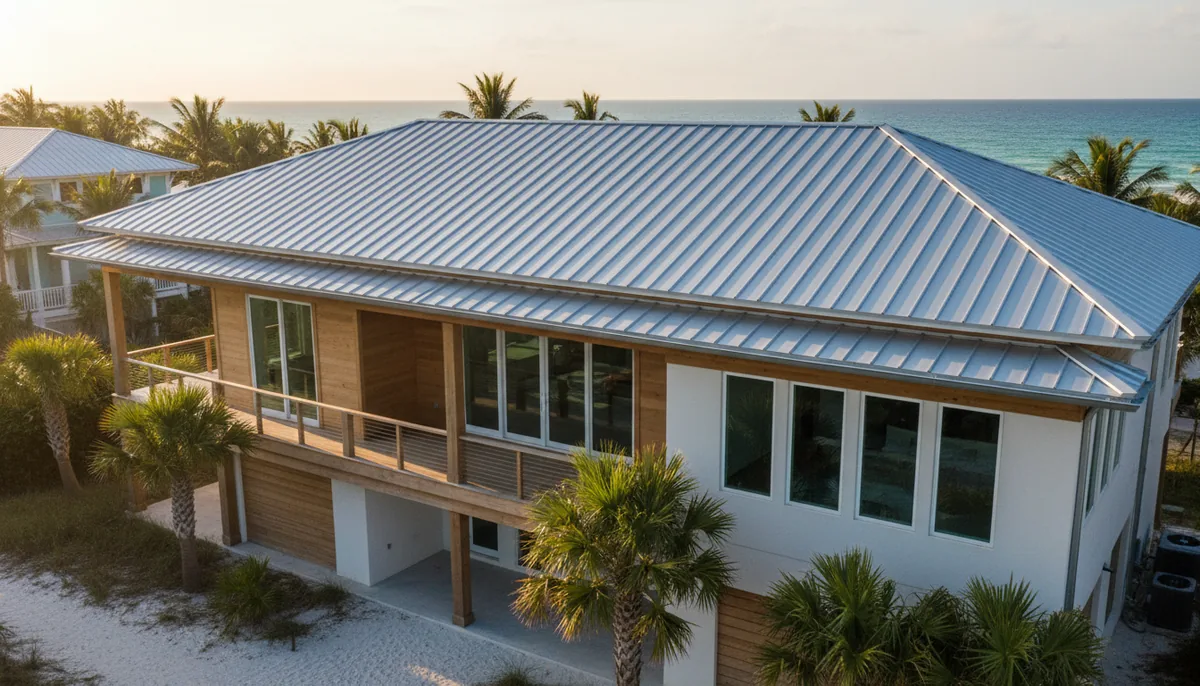
The 25% rule changed under SB 4-D (2022), and that changes your decision
The 25% rule gets quoted so often my eyes glaze over. Here's the shortened version. For years, if more than a quarter of a roof got repaired or replaced in twelve months, the whole roof could be pulled up to current code. Then the state changed it with SB 4-D (2022). If your roof was built, repaired, or replaced under the 2007 standards or anything newer, only the section being worked on must meet current code. No more automatic full-roof replacement just because you crossed a percentage line. But roofs that went on before March 1, 2009 don't usually qualify for that change.
I'm not a lawyer and I'm not a building official. Building departments read their own rules. If a roofer brings up the 25% rule to scare you into signing, ask them to show you the exact wording from your local building department. The phone call to that department is free, and it's more reliable than a sales pitch.
What I would actually do: Call the local building department myself and ask, "If I repair this roof, are you requiring the whole roof to meet current code?" Then I'd get the answer in writing.
A wind mitigation inspection is the best cheap roof homework you'll do
If you own a house in South Florida, you've probably heard about wind mitigation. It's not a scam. The inspector documents roof covering, roof deck attachment, roof-to-wall connection, roof geometry, secondary water resistance, and opening protection. The end product is the standard form OIR-B1-1802. That form is the ticket to discounts your insurer must offer for qualifying features. Florida Statute 627.70132 backs up the requirement. The inspection costs far less than the annual discount it usually produces, so treat it as part of the roof process.
Now read your own declarations page before you assume anything. Coverage varies from policy to policy. The insurer's website might say yes, your agent might say sure, but the policy is the thing that matters.
What I would actually do: Order the wind mitigation inspection before choosing the roofing material, not after. If the roof deck attachment isn't up to standard, a pretty shingle won't fix it. Knowing that upfront changes the bid.
Questions I get asked
Is the roofer's free inspection actually free?
Yes, it's free in dollars, but it's not free of motive. A roofer inspecting your roof is looking for work. That doesn't make them dishonest — it makes them human. Ask for the report in writing and get a second opinion before you sign.
Can I patch the bad spot before a hurricane?
You can, if the roof still has structural life and the leak source is small. But a patch only counts if it's tied into the existing roof correctly. A loose patch in a storm is a bigger missile than a loose shingle.
What's the difference between a certified and a registered roofing contractor?
A certified contractor has a licence begining with CCC and can work anywhere in Florida. A registered contractor has a licence beginning with RC and can only work in the jurisdiction where they are registered. I keep repeating this because I've seen RC contractors bid across county lines. It happens all the time.
Do I need a new roof just because my insurer says my roof is too old?
That depends on what their letter actually says. Read your declarations page and their letter together before you agree to anything. If they're asking for a roof inspection, a licensed contractor can look and tell you whether the roof has enough life left. If they're demanding a replacement, get the roof's age, it's installation quality, and the wind mitigation inspection in front of them before you sign a contract.
How do I find a decent roofer without getting burned?
You don't find them by looking at trucks. You find them by checking the DBPR roll, asking for a written scope of work, and confirming the permit with the building department. The directory will help you build a list of candidates. The homework is still yours.