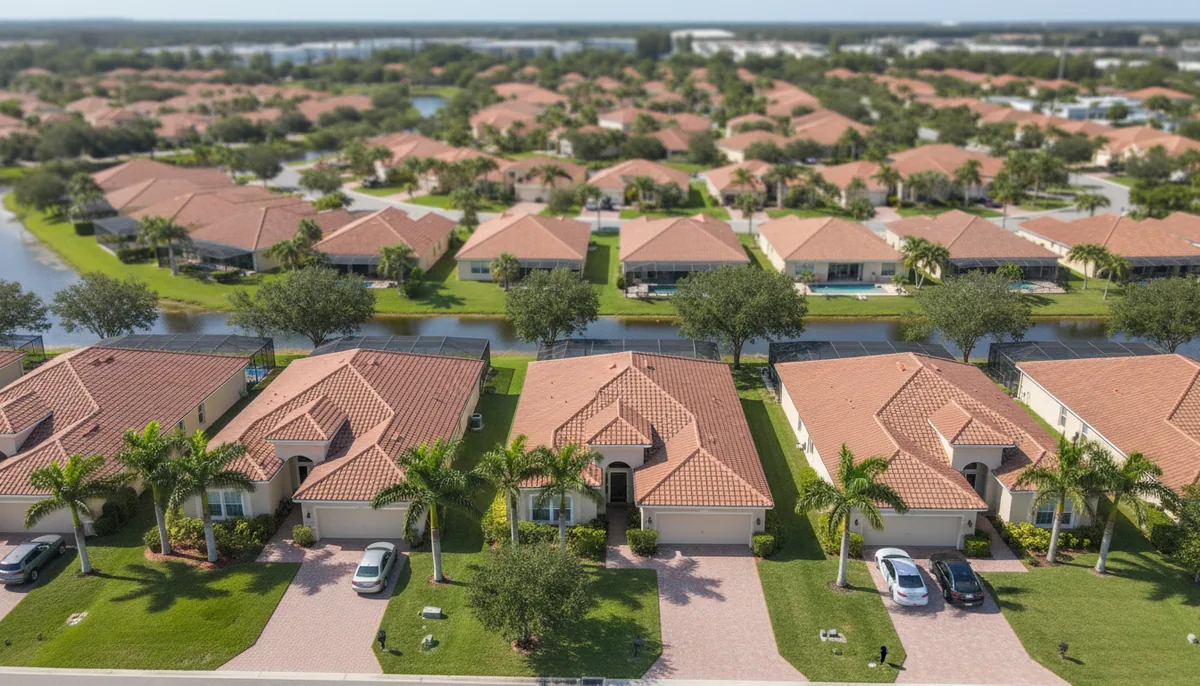
Stone coated steel roofing florida: The Florida Guide
By Marcy Doleman, Commercial roofing estimator. Reviewed by Hal Winstead, Editor, licensed roofing contractor.
I was up on a flat TPO roof in Cape Coral last March, measuring for a re-cover, when I noticed a brand new stone-coated steel roof going on a strip mall across the street. It was a Friday afternoon, and the crew was fighting the breeze, trying to keep overlapping shingles from blowing off the deck before they could get a screw in. I had to respect the hustle. I also had to wonder if they had pulled a permit, because I knew the building department there had been cracking down. It got me thinking how often I see these roofs going down across the state, and how much confusion owners have about them, especially when they call me asking if a coating will stick to the old panels.
That is why I put this guide together—not as a sales pitch, but as a working estimator's view on stone coated steel roofing florida property owners and contractors deal with. If you are comparing bids, remember that there are plenty of roofing companies in Florida who can install this product, but the real test is wether they understand the code, the inspections, and what the insurance company will actually want to see when they are done.
Stone-coated steel shows up everywhere down here. I estimate alot of flat commercial work, but I get calls from warehouse owners and school boards who have a sloped office portion or an entrance canopy that was shingled with the stuff. It is a good product when it is installed right. The thing that makes it tricky in Florida is not the material—it is the paperwork that has to go with it. Let me walk you through what I actually think about when I look at one of these jobs.
Why I keep telling people it is not a shingle and not a metal panel
Stone coated steel roofing florida owners often think they are getting a product that acts like an asphalt shingle because it has that granular look, but it also has the durability of a standing seam roof. Installers treat it like a metal roof fastening, but they have to follow the shingle manufacturer's layout patterns. That mismatch causes mistakes. I of seen crews install the panels too tight, leaving no room for thermal expansion, and then the coatings on the fasteners start to fail because the metal is working against itself.
The best way I can explain it to a customer is to call it a hybrid. The base is steel, and the stone coating is the wheather surface. It is not a structural standing seam panel, so you still need a solid deck under it. And it is not an asphalt shingle, so you cannot just nail it anywhere you feel like it. You have to hit the nailing zone. If a contractor does not know those zones, walk away.
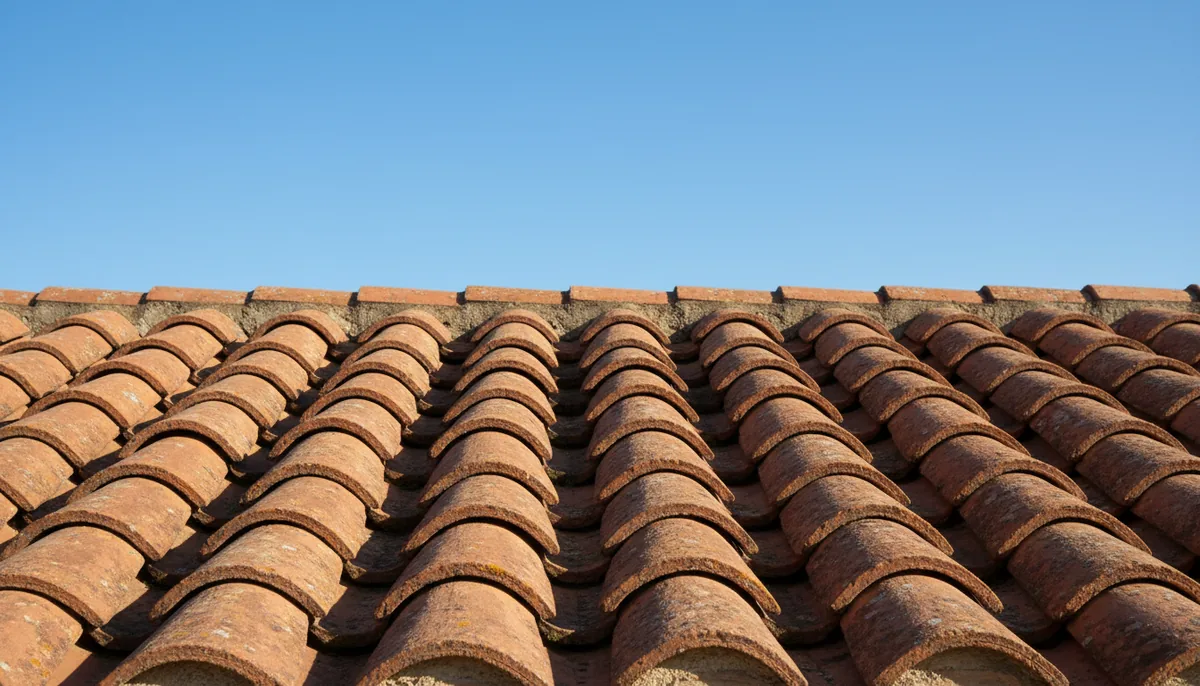
What I check before I ever quote a repair
Every repair on this stuff is different, and that is the honest answer. If a Category 5 storm rolled through and you have panels lifted in one corner of the roof, I am looking to see if we can replace just those panels or if the damage went all the way through to the underlayment. You have to get up there and look. I have been wrong about this before, and I have learned to take a second look at the decking from inside the attic or the ceiling cavity before I give a number.
What I would actually do: Get a copy of the original roof permit if it exists. That tells me what underlayment and fasteners were required, and it saves everybody a lot of guessing.
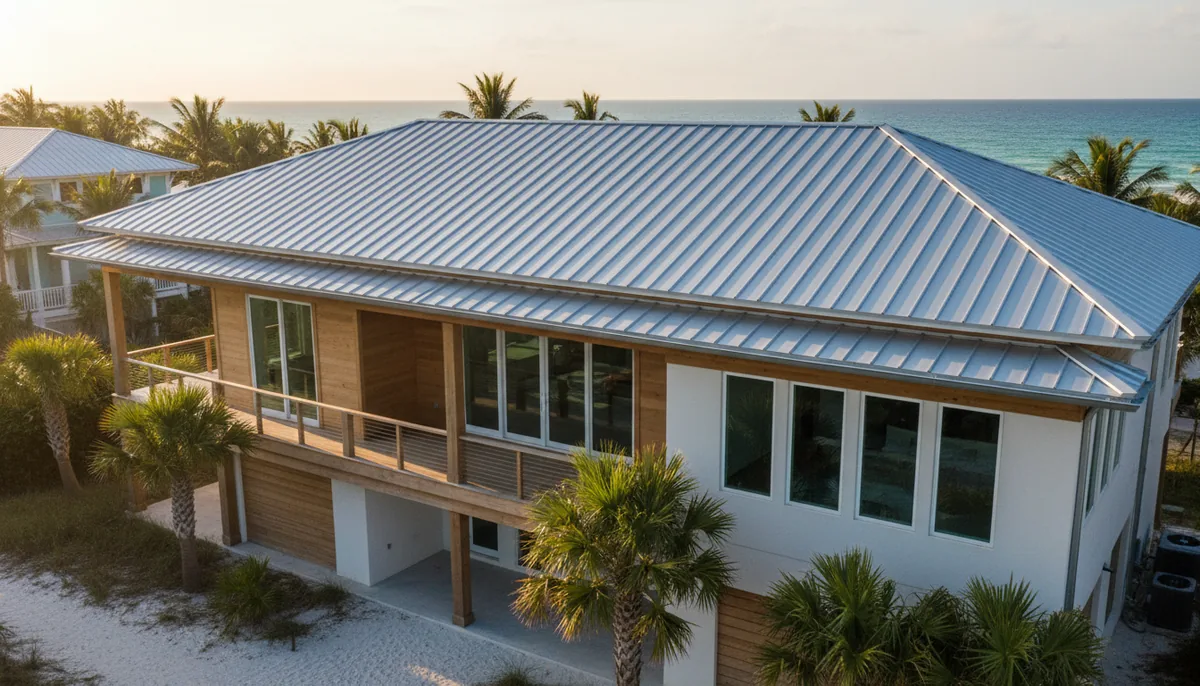
The license thing is not optional
Florida roofing contractors are licensed by the Department of Business and Professional Regulation, what we just call the DBPR. You will see two kinds of licenses, and the difference matters. A CERTIFIED roofing contractor holds a licence begining with the prefix CCC, and they can work anywhere in the state because they passed a statewide exam. A REGISTERED roofing contractor holds a licence beginning RC, and they have a local license that only lets them work in the jurisdiction that issued it.
Every time someone sits across from me and tells me they have a crew ready to go, I walk them through this. Verify the number is active on the DBPR roll before you sign anything. Do not take the card at face value. I have had customers hand me a contractor's card with a license number on it that came back invalid, and the worst part was the contractor had no idea, or said he did not know, and was furious when I told him the job would not pass inspection. It is a five minute check online, and it protects you from a huge headache.
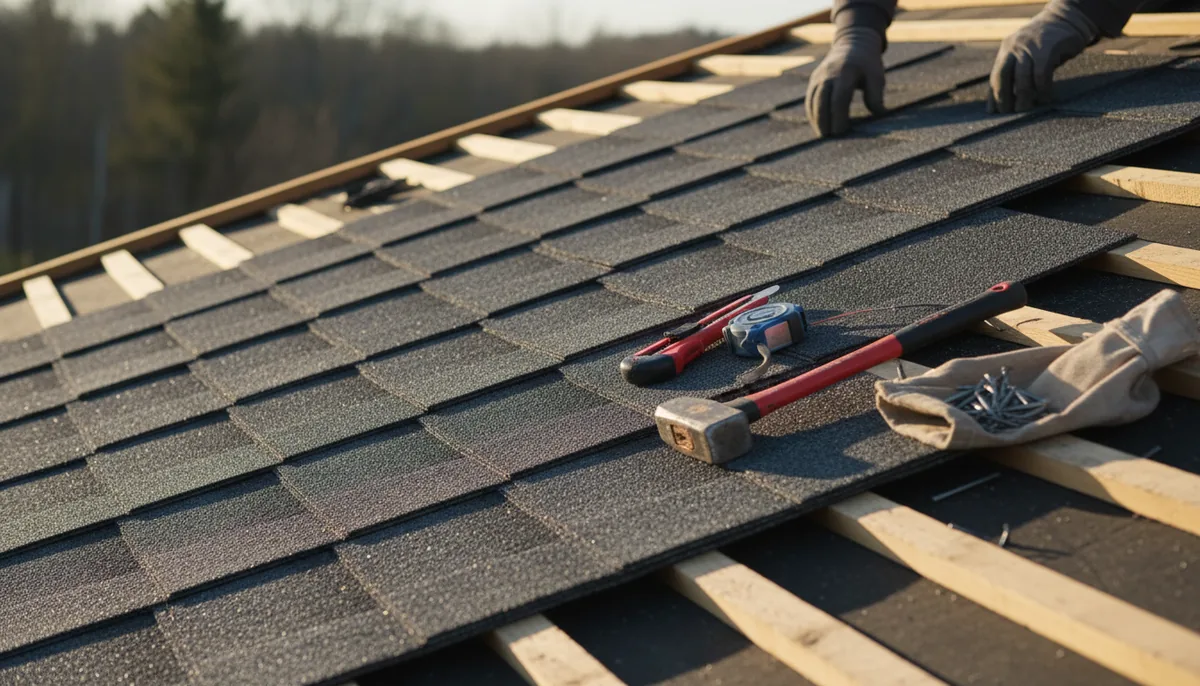
Permits and inspections are where the roof lives or dies
A roof replacement in Florida requires a permit pulled from the local building department, and it requires an inspection. There is no way around that, and any contractor who offers to skip the permit is a contractor to walk away from. An unpermitted roof is a real problem. It complicates an insurance claim if the wind takes it off because there is no record that it was installed to code. And when you go to sell the building, the buyer's attorney will find it, and the deal can fall apart.
I have seen registered contractors get away with pulling permits in one city and trying to work in another county, and it never ends well. The inspection process is there to protect you. Do not skip it.
The 25 percent rule changed, and a lot of people missed it
If you have an older roof, you have probably heard the old rule that you could not repair more than 25% of the roof in a year without being forced to replace the whole thing. That rule came from the Florida Building Code. It was a real drag for business owners with a small leak, because they wanted to patch a damaged corner and the code said the entire roof had to come up.
SB 4-D (2022), which took effect on May 26 of that year, changed the deal for roofs built under the newer codes. If the roof was built, repaired or replaced to the 2007 Florida Building Code or any later edition, then only the portion you are working on has to meet the current code. That means a full replacement is not automatically triggered just because you fixed a leak. But be careful: the 2007 code took effect on March 1, 2009, so if the roof was finished before that date, it does not qualify for the exemption. I always check the permit history before I tell someone they can make a localized repair on a stone-coated steel roof.
Wind mitigation is worth more than the inspection cost
This is where I earn my keep, to be honest. A wind mitigation inspection documents a list of things about the roof structure: the roof covering type, the roof deck attachment, the roof-to-wall connection, the roof geometry, whether there is secondary water resistance, and what the opening protection looks like on the windows and doors.
That inspection is performed on a standard form, which is form OIR-B1-1802. Florida insurers must offer premium discounts for qualifying features, and the discount is often larger than you would think. The inspection itself costs far less than the annual discount it can open up, in a lot of cases.
What I would actually do: When you hire a contractor for a stone-coated steel roof, ask them to schedule the wind mitigation inspection at the same time as the final building inspection. The insulation is in, the panels are installed, and the inspector can see everything they need to see. If you wait until later, you cannot see the deck attachment anymore.
The stone-coated steel panels themselves usually do well in a wind mitigation inspection because the profile tends to break up the wind better than a big flat membrane. But the discount depends on how the whole building is tied together, not just the covering.
Questions I get asked
What is the actual lifespan of stone coated steel?
Call it fifty years, give or take, if the coating is not damaged and the fasteners are stainless steel. In south Florida, the salt air can eat a cheap fastener prematurely. I have seen twenty-year-old roofs that look great and ten-year-old roofs that are rusting from poor installation. It depends what is under there and who put it on.
Can you coat over an old stone coated steel roof?
Sometimes. The coating has to adhere to the granules, and if the panels are too rusted at the fastener lines, a coating job is a waste of money. A silicone coating on a metal roof can work on the right substrate, but you have to prep it hard. It is not a cheap fix, and it does not fix structural rust.
Will my insurance company force me to replace it after a small leak?
Coverage varies by policy, so I cannot tell you exactly what yours says. What I can tell you is the SB 4-D change helps if the roof was built under the 2007 code or later. Read your declarations page and talk to your agent before you agree to a full tear-off that an adjuster may not pay for.
How much does a stone coated steel roof cost?
That is a hard no on numbers from me, because it depends on pitch, access, and what is under the old roof. The material itself costs more than a flat TPO roof but less than standing seam in most cases. Get three line item bids and compare the fasteners.
Does the state have any incentive for hardening?
The My Safe Florida Home program has existed for homesteaded properties, but note that it is for the home, not a commercial building. A warehouse owner or school board would not qualify for that specific one. Check with your local county to see if there are any grants, but do not hold your breath.
What should I look for on an existing roof I bought?
Look at the eave and ridge caps. If they are loose at the edges, the wind will get under them. Also look for rust around the fastener washers, especially if the building is within a few miles of the coast. That rust is where leaks start.
I have seen stone-coated steel roofs perform very well in Florida, and I have seen them fail early because someone cut corners on the underlayment or the fasteners. It is a system, not just a skin. The panels are only as good as the deck under them and the permit on the wall. If you are getting a quote, ask the contractor to walk you through the wind mitigation checklist before they ever climb the ladder. If they cannot tell you what the inspector will be looking for, keep calling, because this product does not hide mistakes well. It just hides them until the first big storm.