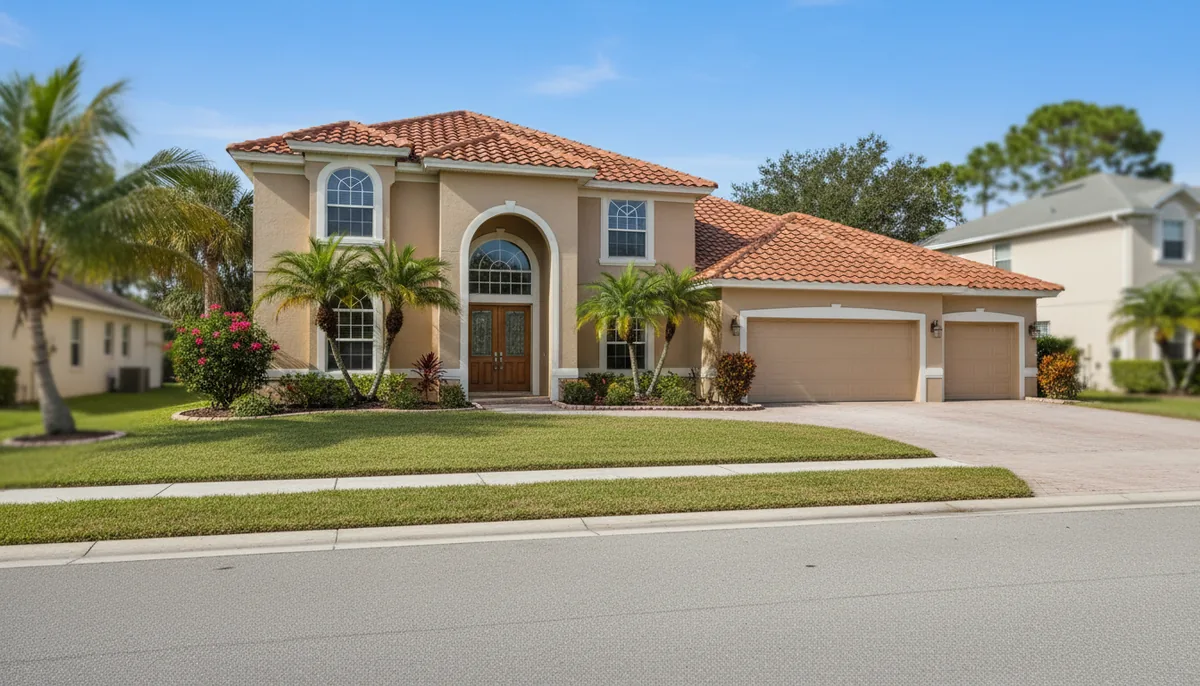
Top Florida roofing: The Florida Guide
By Dale Prescott, Roofing contractor, Central Florida. Reviewed by Hal Winstead, Editor, licensed roofing contractor.
Looking for Top Florida Roofing? They are listed in this directory, in Cutler Bay, with their Florida DBPR licence number and whether that licence is currently active. See the Top Florida Roofing listing.
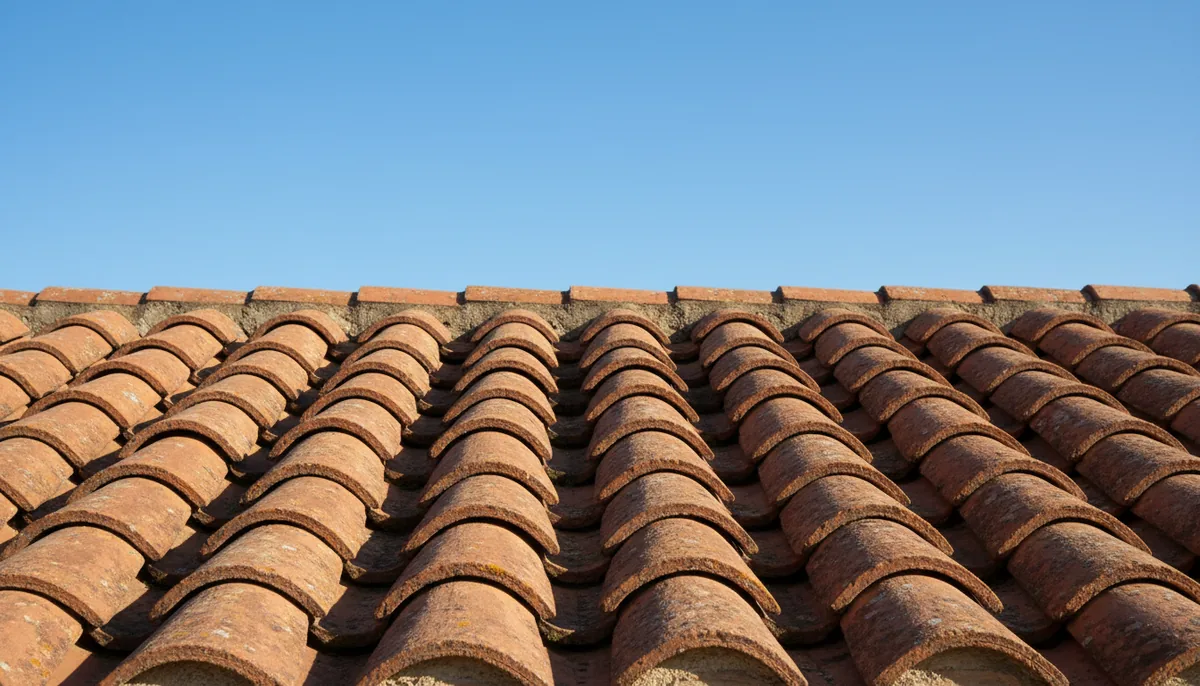
I remember a Tuesday afternoon in Winter Haven, March of 2005, when a brand new barrel tile roof we'd hung the week before started shedding tiles like a mangy dog. Not the whole roof. Just the hip ridge, where a mule-kick return met the main slope. The mortar had skinned over before we finished the next run, the temps spiked, and we didn't get the hip and ridge set fast enough. Homeowner stood in the yard with his arms crossed while I picked Spanish tile out of his rose bushes. I've been wrong about this before, but that day taught me more about Florida roofing than any classroom ever did. You learn the hard way that the sun, the humidity, and the sheer violence of our afternoon storms will find every shortcut you take.
That's the thing about hiring someone for top Florida roofing work. It ain't about finding a guy with a truck and a magnetic sign. It's about finding a crew that knows what happens when the afternoon sky turns green, and a contractor who's done this long enough to know his own weak spots. If you're starting from scratch, a decent place to look is a directory that checks these things for you, like the one listing roofing companies in Florida. But a directory is just a starting point. You still gotta do your homework, and I'm gonna tell you what that homework looks like from where I sit.
When I started running crews in the late nineties, things were looser. A man with a hammer and a pulse could call himself a roofer. That's changed, mostly for the better. But the rules have gotten more complicated, and the stakes are higher. The insurance companies are tighter with a dollar than any homeowner I've ever met, and the building codes have teeth now. So let me walk you through the stuff I actually check, the stuff I tell my own sister to check, and the stuff that'll keep you from getting burned.
The first thing I do is check your license myself
Florida roofing contractors are licensed by the state, through the Department of Business and Professional Regulation. The DBPR roll is public. You can look anyone up. Now, here's the catch that trips people up: there are two kinds of licenses. A certified roofing contractor has a license number that starts with CCC, and that means they can work anywhere in the state. A registered roofing contractor has a number starting with RC, and that license only lets them work in the local jurisdiction that issued it. I've seen guys with an RC license from Dade County trying to sell roofs in Volusia. That's a problem.
So you ask for the license number. Then you go verify it's active. Don't just take their word for it. And don't take my word for it either, go pull the roll up on the DBPR site and check. If someone tells you they're fully licensed and insured but can't produce a number that checks out, that's your cue to shake hands and walk away. I of walked away from jobs that would've paid good money because the homeowner didn't want to pull a permit. That's a non-negotiable for me.
A permit is not a suggestion, it's the law
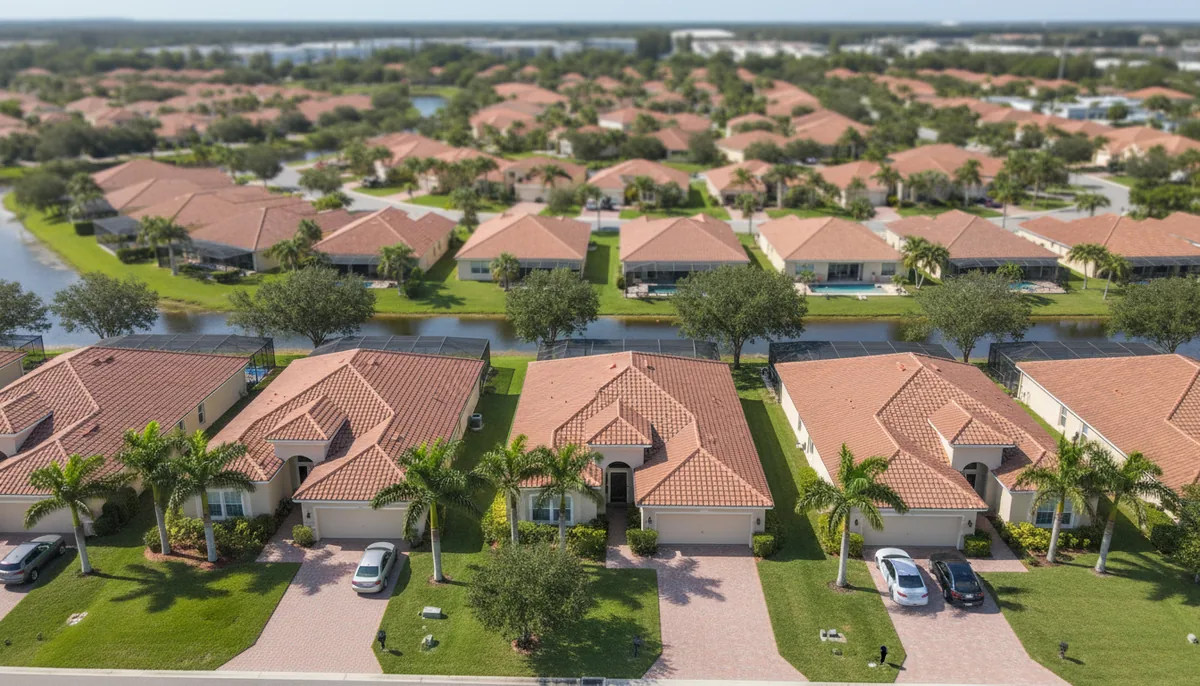
In Florida, a roof replacement requires a permit from your local building department. That means an inspection. It's a pain in the neck, sure. It takes time. But if a contractor tells you that you don't need a permit, or that he can do it cheaper if you skip the inspection, he is telling you he's going to do work you can't see and then disappear. An unpermitted roof is a nightmare. If your house floods and the insurance adjuster sees a roof that was put on without a permit, they are going to ask some very pointed questions. If you go to sell the house, the buyer's inspector will find it. And you'll be the one paying to fix it, not him.
The permit is a layer of protection for you. It means an inspector who isn't getting paid by the contractor is going to look at the nail pattern, the underlayment, the flashings. It's not a guarantee, but it's a whole lot better than a handshake. And a roofing contractor worth his salt will pull the permit before he even sets a ladder up. He should be able to show you the permit number. If he can't, or he makes excuses, walk.
What changed with the 25% rule
This is the one that confuses everybody, including some roofers who should know better. For years, the rule was simple: if you repaired or replaced more than 25% of your roof in a twelve-month period, you had to bring the entire roof up to current code. That meant a full replacement, wether you wanted it or not. That was the old Florida Building Code.
Then the state legislature passed SB 4-D, which took effect in May of 2022. That law changed the game. Now, if your roof was built, repaired, or replaced under the 2007 Florida Building Code or any later edition, you only have to bring the section you're working on up to current code. You don't automatically trigger a full replacement. The 2007 code took effect on March 1st, 2009. So roofs completed before that date generally don't qualify for this break. The math depends on when your roof went on, and what code it was built under.
I am not a lawyer, and I'm not a code official. I'm just a guy who's torn off a few thousand roofs. But I've seen this save homeowners a pile of money. A guy with a leak over his garage, where the roof is from 2010, doesn't necessarily have to re-roof his whole house to fix a section. That was never the intent, it was about storm repairs, about not forcing people to replace a whole roof when a hurricane ripped off one slope. The law is complex, and the details matter, but the mechanism is clear: the age and code version of your roof dictate how much of it has to come off.
Wind mitigation inspections and the premium discount
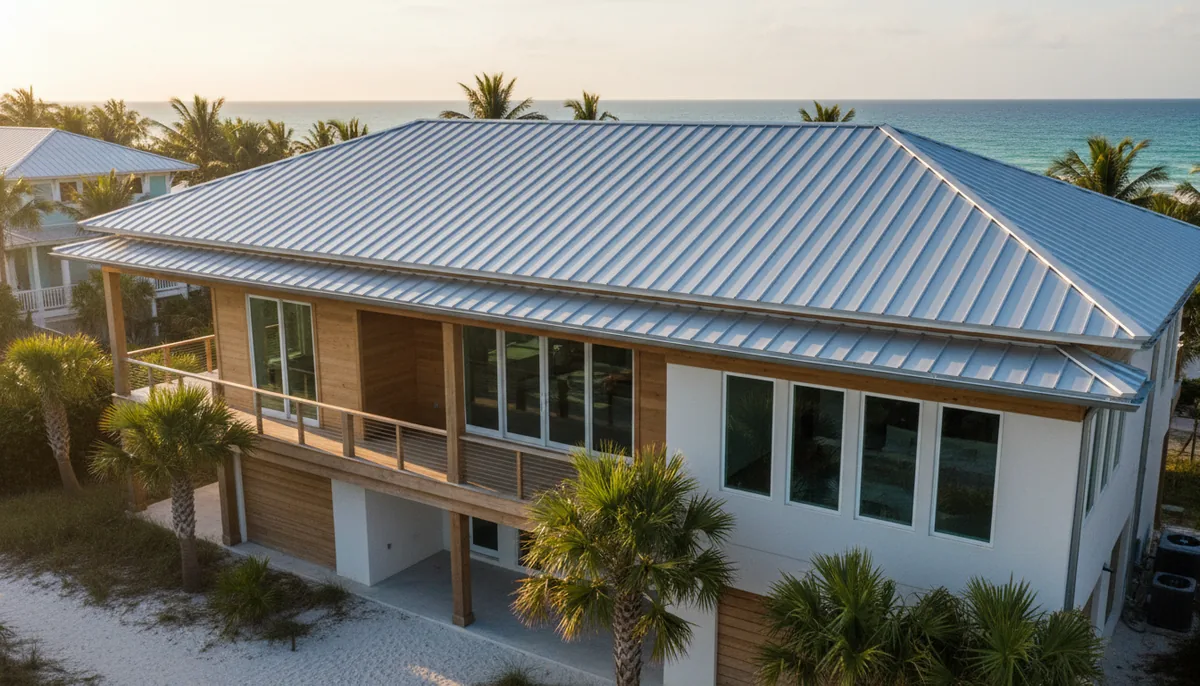
If you're going to replace a roof in Florida, you are leaving money on the table if you don't get a wind mitigation inspection done. That's a documented inspection that looks at six specific things: the roof covering, the roof deck attachment, the roof-to-wall connections, the roof geometry, the secondary water resistance, and the opening protection on things like windows and doors. The standard form is called OIR-B1-1802.
Here's why you care: Florida law says insurers have to offer premium discounts for houses that have these qualifying features. The discount depends on what the inspection finds. If you have a roof deck fastened with ring shank nails instead of smooth shanks, if you have hurricane straps instead of toe-nailed rafters, you're going to get a better rate. It can be a substantial discount, and the inspection typically costs less than what you'll save in the first year alone.
I always tell people to get it done after the roof is installed but before the insurance company gets wind of the new roof. Actually, get it done as part of the replacement proccess. The mitigation inspector should be there to see the deck before the underlayment goes down, so they can document the attachment. I've heard of homeowners getting a new roof, telling their insurance, and then the insurance company asks for a mitigation inspection after the fact, when it's too late to see the actual nailing pattern. That's a missed opportunity. Make sure your contractor knows you want the mitigation inspection done, and coordinate it so the inspector can see the importent stuff before it's covered up.
Questions I get asked
How much does a new roof cost?
It depends. I know that's not the answer you want, but it's the truth. Roofing is priced per square, which is a 10-foot by 10-foot area. The cost depends on the material, the pitch of your roof, the access, and what's under the existing shingles or tile. I've seen tear-offs reveal two layers of old shingles, or rotting decking that has to be replaced. I have been wrong about this before, so I always pad my time estimate when I quote a job. Get three bids, but don't just take the cheapest one.
Will my insurance company cover the whole cost of a new roof?
Coverage varies by policy. I can't tell you what your specific policy covers, because I'm not an adjuster and I don't know your declarations page. What I can tell you is that a permit and a wind mitigation inspection make the claim process go smoother. If the roof is damaged by a storm, you need to file a claim. If the roof is just old and leaking, that's typically a maintenance issue, not a storm claim. Read your policy. Talk to your agent. But don't assume the insurance company is your friend in this process. They are a business.
Can you just patch the leak instead of replacing the whole roof?
Sometimes. If the leak is localized and the roof is relatively young, a repair makes sense. But if the roof is old, or the shingles are brittle, or the decking is rotten, a patch is just a temporary fix. I call it putting a band-aid on a bullet wound. You'll pay me to patch it, and then you'll pay me again in six months to replace it. That's not me trying to upsell you. That's physics. Water finds the lowest point, and it will keep finding ways in if the roof is shot.
How do I know if you're actually licensed and insured?
Ask me for my license number. Then go look it up on the DBPR website. That's what I do when I hire a sub. It takes two minutes. Ask for a certificate of insurance, not just an insurance policy. You want to see that the roofer has general liability and workers' compensation. If he doesn't have workers' comp and one of his guys falls off your roof, that medical bill could come back on you. Don't hire anyone who can't produce both. It's that simple.
Is my old roof grandfathered in regarding the code?
That's the question that's worth a phone call to your local building department. The SB 4-D change is recent, and it's specific. If your roof was put on in 2008, it might be under an older code and might not qualify for the partial repair rule. If it was put on in 2010, it probably does. But the only way to be sure is to ask the building department. Bring your permit records if you have them. They'll tell you what code your roof was built to.
What I would actually do if it was my house
What I would actually do: I'd get three written bids from contractors whose licenses I checked on the DBPR roll. I'd tell each one I want to see his permit before he starts, and I'd call the building department to confirm it was pulled. I'd budget for the wind mitigation inspection out of my own pocket and schedule it so the inspector could see the deck after the tear-off but before the new underlayment went down.
What I would actually do: If my roof was older than 2009 and I had a big storm claim, I'd be prepared for the insurance company to say the whole roof needs to come off to meet code. That's a negotiation. I'd get my own public adjuster involved if I felt like I was getting the runaround. And I wouldn't sign anything with a roofer who showed up at my door with a contract after a storm. Those storm chasers are the reason I have a job tearing off their bad work. You want a local address, a local license, and a local reputation. The guy with the Alabama plate driving a truck with a tarp over a load of shingles is not your guy.
I've been doing this for over two decades, and I still see the same mistakes. Folks get in a hurry. They trust a smooth talker. They think a permit is optional. The houses that get it right are the ones where the homeowner does their homework. That's the whole secret. It ain't sexy. It's just due diligence. You check the license, you demand a permit, you get the inspection, and you read your own insurance policy like you're reading the fine print on a used car loan. Do that, and you'll be fine. Skip it, and you're gambling against a stacked deck. And in this heat, with these storms, the house usually wins, but the homeowner pays the price. I'd rather you not have to learn that lesson the hard way. I've seen enough sad roofs to last me a lifetime.