
Best metal roof for Florida
By Bud Kettering, Roof consultant and inspector. Reviewed by Hal Winstead, Editor, licensed roofing contractor.
I was standing in a Cape Coral attic in June, sweat running down my back, and I could hear the drip before I even saw it. The homeowner had paid top dollar for a "hurricane-rated" metal roof two years earlier, and it was leaking right through the screw heads along the ridge. Not a bad roof, necessarily—just the wrong one for that house in that place, installed without the respect the Florida sun demands. If you are shopping for your house, do not start with the color chart. Start with the fasteners and the coating, and then check whoever is doing the work against the metal roofing companies in Florida list so you know the licence is real and active.
People ask me all the time what the best metal roof for Florida is, and I understand why. They want one answer, one product, one name they can write on a check. The real answer is more annoying. It depends on your elevation, your roof pitch, wether you are a block house or a frame house with trusses, and what is already under there. A standing seam panel with a hidden fastener system is what I'd pick for most of Florida, especially near the coast. But I have seen perfectly good through-fastened roofs do just fine in inland counties like Polk or Lake. The problem with metal here is rarely the panel itself. It is the failure points—the screws, the sealant, the flashings, the places where a roofer decided to save twenty cents a square.
What is the best metal roof for Florida, really?
The best metal roof for Florida is the one that keeps the water out after the installer has packed up and gone home. That means the roof-to-wall connections have to be flashed right, and the deck has to be solid underneath. I have been wrong about this before, so trust me when I say you cannot tell a good metal roof from the driveway. You need to see the underside, or at least know what the deck looked like before they covered it. If the contractor skipped replacing rotten plywood and just screwed panels over it, you have a shiny new roof with a built-in expiration date.
In practical terms, for a Florida house I lean toward a standing seam panel with a concealed fastener clip and a double-lock seam. That system lets the metal expand and contract with the heat. The panels are not screwed down tight to the deck; they float. On a hot August afternoon, a long metal panel can move more than you would think. If you screw it down too tight, the metal will try to tear itself loose at the fasteners, and that is how you get the little tears and stress cracks that start leaks a decade down the road.
For the coating, you want something that is not going to chalk and fade in five years. The sun down here is brutal. Bare galvanized steel will not last, and I have seen cheap painted panels where the color just burns off and starts rusting within a few years. A good quality PVDF or Kynar-style finish, call it what you want, is worth the extra money. Galvalume is a solid substrate. Aluminum is nice in the salt air near the water because it does not rust at the cut edges. It is softer, though, and more expensive. It depends what is under there and what your budget can handle. I have inspected metal roofs that are thirty years old and just fine, and I have inspected five-year-old metal roofs that looked like a dead truck. The difference is almost always the panel gauge and the coating, not the name on the box.

Why I poke around in your attic with a moisture meter
I spend most of my working life in attics, and I will tell you why. A metal roof does not fail in the middle of a panel. It fails at the penetration, the valley, the pipe boot, the flashing edge, or the place where the previous roofer drove a screw into a low spot that now ponds water. And by the time you see the stain on your ceiling, the water has been running down the inside of a purlin and rotting out a rafter end that you cannot see from the living room.
That moisture meter in my hand is not some high-tech wizardry. It measures the moisture content in the wood decking after a storm. A normal roof should read under twelve percent, give or take. When I hit a reading of twenty percent or higher near a chimney, I know there is a slow leak that has been working on that spot for months. I had one customer in Jacksonville tell me her roof was "perfectly fine" because she had never seen a drop of rain come through. The moisture meter showed three truss ends that were spongy and dark. The metal roof was sound, but the flashing around the old satellite dish mount had never been sealed properly on a Tuesday afternoon when the crew was in a hurry.

What to check before you sign a contract
Before you pick out a panel color, you need to pick out a contractor the right way. Florida roofing contractors are licensed by the Department of Business and Professional Regulation, and that number is public. A certified roofing contractor has a licence prefix that starts with CCC, and that means they can work anywhere in the state. A registered roofing contractor starts with RC and is limited to the local jurisdiction that issued the licence. Do not let a smooth talker tell you they are "fully licensed and insured" and then hand you an RC number when you live forty miles away. Look it up yourself on the DBPR roll while they are standing in your kitchen. It takes two minutes.
A roof replacement in Florida requires a permit. Period. The local building department has to be involved, and there has to be an inspection. If a contractor offers to skip the permit to save you time or money, you should walk away. That is not me being a bureaucrat. It is practical advice. An unpermitted roof can delay an insurance claim after a storm, and it can be a real headache when you try to sell the house and the buyer's inspector pulls the permit history. The permit also protects you, because a licensed contractor is not going to tempt their own licence over one job. If they are willing to skip the red tape, you have to wonder what else they are willing to skip.
What I would actually do: Call your local building department, ask for the permit history on your address, and then ask the contractor for their licence number and their insurance certificate before you let them on the roof. Confirm the number is active on the DBPR roll. It costs nothing and it takes less time than arguing with an adjuster later.
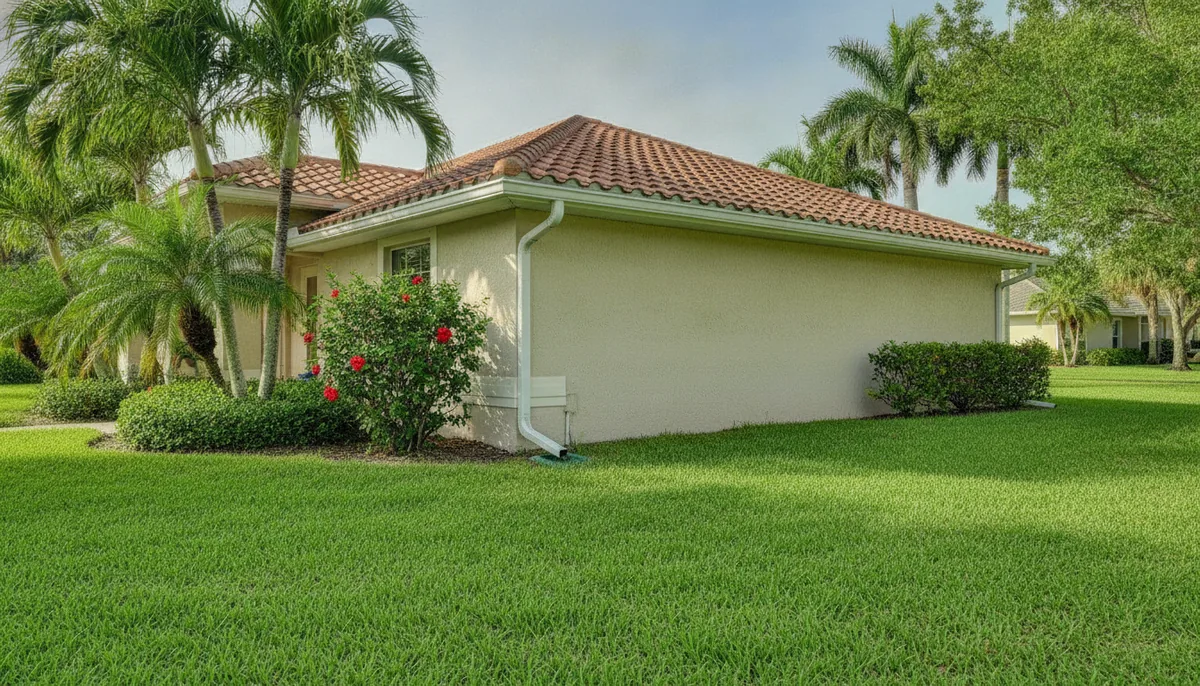
Wind mitigation, insurance discounts, and why a metal roof helps
Here is the part where a metal roof can genuinely pay you back, beyond just not leaking. Florida insurers are required to offer premium discounts for features that reduce wind damage, and the standard inspection form is OIR-B1-1802. A wind mitigation inspection documents the roof covering, the roof deck attachment, the roof-to-wall connection, the roof geometry, whether there is secondary water resistance, and the opening protection on your windows and doors. If you have a metal roof that is installed to the right standards, it can score better than a shingle roof in some of those categories, especially if the deck attachment is strong.
The inspection usually costs far less than the annual discount it can open up, assuming your insurer gives you credit for it. But do not assume your policy covers everything or gives you a specific credit just because you have metal. Coverage varies by policy, full stop. Read your declarations page. Understand your windstorm deductible. A metal roof is not a magic shield that makes an insurance company love you. It is a feature that might qualify for a discount, and it might not, depending on your exact situation and your specific carrier. The form is the form, but the aplication is always individual.
You should of also know that this state has been through the ringer on property insurance, and the rules have been changing. There was a big legislative push after the storms, call it SB 4-D (2022), that changed how roofs are valued and how claims are handled. What I have seen on the ground is that older roofs are getting scrutinized hard, and a roof that is near the end of it's life can be a real problem. A new metal roof with proper approvals and that wind mitigation report in hand makes your home a much more attractive risk.
What I would actually do: Before you buy a house with a metal roof, or before you replace your own roof, pay a licensed inspector for a wind mitigation report, even if your insurer has not asked for it yet. Then send it to your insurance agent. If the report comes back strong, you have use. If it comes back weak, you know what to fix while the scaffolding is still up.
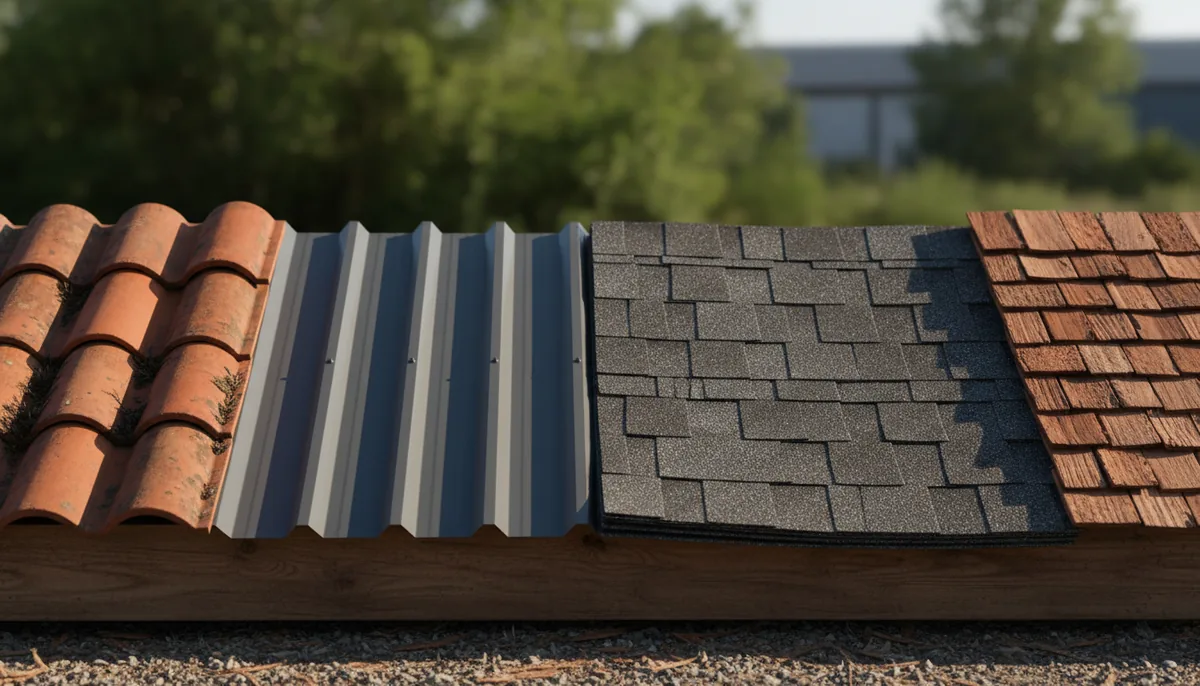
A few things nobody tells you about metal roofs in Florida
Let me gripe for a second. Metal roofs are loud inside when it rains hard. I know the salespeople say the insulation and attic noise is not that bad, but during a tropical downpour with a low ceiling deck above your bedroom, you will hear it. Some people love it. My brother-in-law says it sounds like money. My wife would have killed me if we had put one on our place without a serious layer of insulation and an air gap to kill the drumming.
Also, do not walk on a standing seam roof without knowing what you are doing. The seams can crush under the wrong shoe, and then you have created a dent that holds water and a place where the finish is compromised. Walk in the flat pans. Use the walk pads if the installer left them. And if you are getting the roof cleaned or serviced, make sure they know which panels are the access panels. A qualified metal roof installer will detail that at a service call, and if the sun has been beating down on an unvented attic, the panels will be hot enough to cook an egg. I am not kidding about that.
How to tell if your existing metal roof is in trouble
If you already have a metal roof and you are wondering whether it is healthy, there are a few things you can check yourself before you call someone like me. Look at the fasteners on a through-fastened roof. Are the screw heads rusted or the rubber washers cracked and dried out? You cannot rely on the rubber washer color. A black or aged washer that is brittle is a failure waiting for the next big rain. Look at the end laps. Metal roof panels leak at the laps more than anywhere else. If you can see daylight under a raised seam, call a pro. Do not try to caulk it yourself from a ladder. That is a recipe for a bigger mess.
Check the underside in your attic with a flashlight. Look for streaks of rust staining on the bottom side where water has been running. Look for water stains on the deck. Look for areas where the screws have backed out slightly and are catching the light. If you see any of that, it is not a catastrophic failure, but it is a sign the roof needs attention sooner rather than later. A little maintainance on a metal roof early beats a major replacement after the leak has rotted the deck and you are paying for structural repair. I have seen that happen, and it is not cheap. The roof is the cheapest thing you will ever put on the top of your house, and it protects everything under it.
Questions I get asked
Is a metal roof actually worth the higher upfront cost?
Yes, for the right house, and it depends on your situation. If you are on the coast, if you plan to stay in the house for the next twenty years, or if you have an insurance premium that is eating you alive, the math shifts in favor of metal. If you are flipping a house or likely to move in five years, a shingle roof might make more practical sense because your buyer is not going to pay you back for the full value of the metal. I have been wrong about this before, so do your own math.
Will my insurance company definitely lower my rate if I install a metal roof?
I cannot promise you that, because coverage and discounts vary by policy and by carrier. What I can tell you is that a wind mitigation inspection must be accepted for consideration of discounts, and the form is OIR-B1-1802. If you have a strong roof, you want that report in your insurer's hands. If the report reveals weaknesses, you have a chance to fix them before your next renewal. Read your declarations page to understand what you have and what you are paying for wind certification.
What about galvanized steel versus aluminum versus galvalume?
For the Florida environment, a quality galvanized steel panel with a good factory finish is fine for most inland homes. Aluminum does not rust, so it is a strong choice when you are close to saltwater where the air will eat steel at any cut edge. Galvalume is somewhere in between, and it is very popular because it handles the heat and the edges well. The substrate matters, but the gauge matters more. A thin panel will dent, a thick panel will cost you money. Get at least a 24-gauge panel for a standing seam roof if you can afford it, and a 26-gauge as the minimum I would accept on a house.
How long should a metal roof last in Florida?
The right metal roof, with the right coating and proper installation, can outlive you. Fifty years is possible, but that is a statement about the product, not the workmanship. What kills these roofs is poor flashing details, skipped sealant, and the corrosive mix of salt and humidity attacking the cut edges. A roof installed by a crew that knows what they are doing and one that has regular inspections can hit forty years, give or take. A roof installed by a crew that is rushing to get to the next job might not make it to twenty. The difference is not the metal. The difference is who was standing on it.
Should I ever paint a metal roof in Florida?
If the roof is rusting and leaking, painting it is a waste of your money. You are basically painting a structurally compromised surface. If the roof is faded but sound, painting can restore some reflectivity and a little life, but it is a maintenance task, not a repair. The factory finish is always superior to a field-applied coat. Your money is better spent on making sure the roof is sealed and the flashings are sound first. Curb appeal matters, but a leak matters more.
Is the My Safe Florida Home program worth looking into?
That program is a real thing for Florida homeowners, and it was set up to help with wind mitigation improvements like roof-to-wall connections and opening protection. You should look at it directly to see if it is active and if you qualify, because funding and rules can change. A metal roof alone may not trigger a grant, but the improvements that make a metal roof work best, like a stronger deck attachment and better roof-to-wall connections, are often the kind of thing these programs were designed for. Go look at the official site, and do not pay anyone to "help you apply" unless you are desperate. The application is usually straightforward, and there are plenty of scammy middlemen out there.
What does a roof inspection actually cost and what will you do?
This is priced per square, depends on pitch and access, and varies a lot around the state. The inspector should go in the attic, check the underside of the deck, document the roof covering and the deck attachment if they can see it, and check the roof-to-wall connection. That last one matters more than people think. I charge a flat fee that is usually less than the cost of a minor repair, and I give you a written report. That report is often the best bargaining chip you have, whether you are buying, selling, or trying to talk sense into an insurance company.