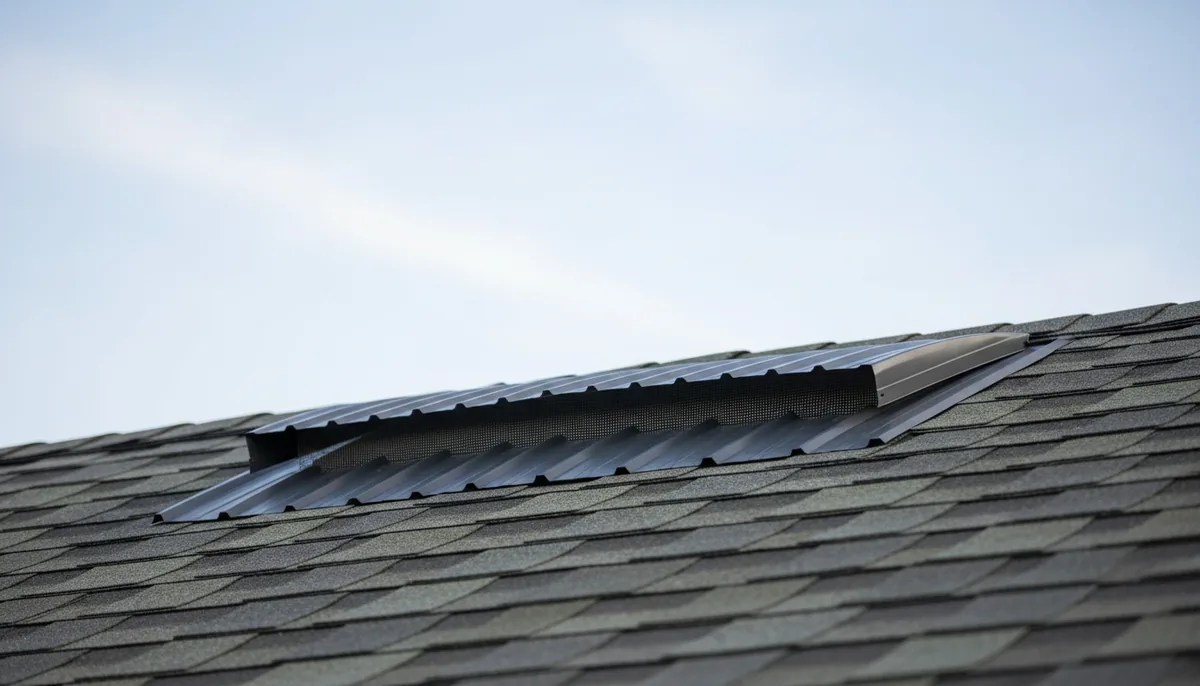
Bone dry roofing florida: The Florida Guide
By Marcy Doleman, Commercial roofing estimator. Reviewed by Hal Winstead, Editor, licensed roofing contractor.
Looking for BONE DRY ROOFING FLORIDA, INC.? They are listed in this directory, in Sarasota, with their Florida DBPR licence number and whether that licence is currently active. See the BONE DRY ROOFING FLORIDA, INC. listing.
Last July, I was up on a warehouse roof in Ocala watching a "minor" leak drip straight onto a server rack. The property manager had patched a TPO seam with silicone and duct tape a month earlier. It held for a week. Then it rained like it does in Florida, and the seam let go. That's when they called me. I spend my days running numbers for roofing companies in Florida, but I spend my afternoons figuring out why roofs leak in the first place.
That roof didn't need replacing. It needed an honest estimator and a crew that knew how to prep a seam. A lot of this job is telling people what they don't need to pay for. Nobody calls me when the sun is out and everything is fine. But it's also telling them when they can't put it off anymore.
I hear facility managers searching for "bone dry roofing florida" on their phones while the bucket fills up. Bone dry is the goal. Not just dry today, but dry next August when the afternoon storm rolls through and the water sits for an hour before it drains. So this is my guide for facility managers, school board folks, and owners trying to get there.
Start with the DBPR roll before you let anyone near your roof
Florida roofing contractors are licensed by the Department of Business and Professional Regulation. They fall into two buckets. A certified contractor holds a license begining with the prefix CCC and can work anywhere in the state. A registered contractor starts with RC and can only work in the local jurisdiction that licensed them. That distinction matters.
The RC guy who does great work down in Dade County can't legally jump up to Duval and start ripping off decks. And the number has to be active. Not just printed on a business card. Active on the DBPR roll. It's public. You don't need me to do it for you.
What I would actually do: Get the company's legal name, go to the DBPR roll, and look up the number myself. Not take their card. Not ask the office. Type in the number. If it's inactive or the owner has a stack of complaints, I keep looking.
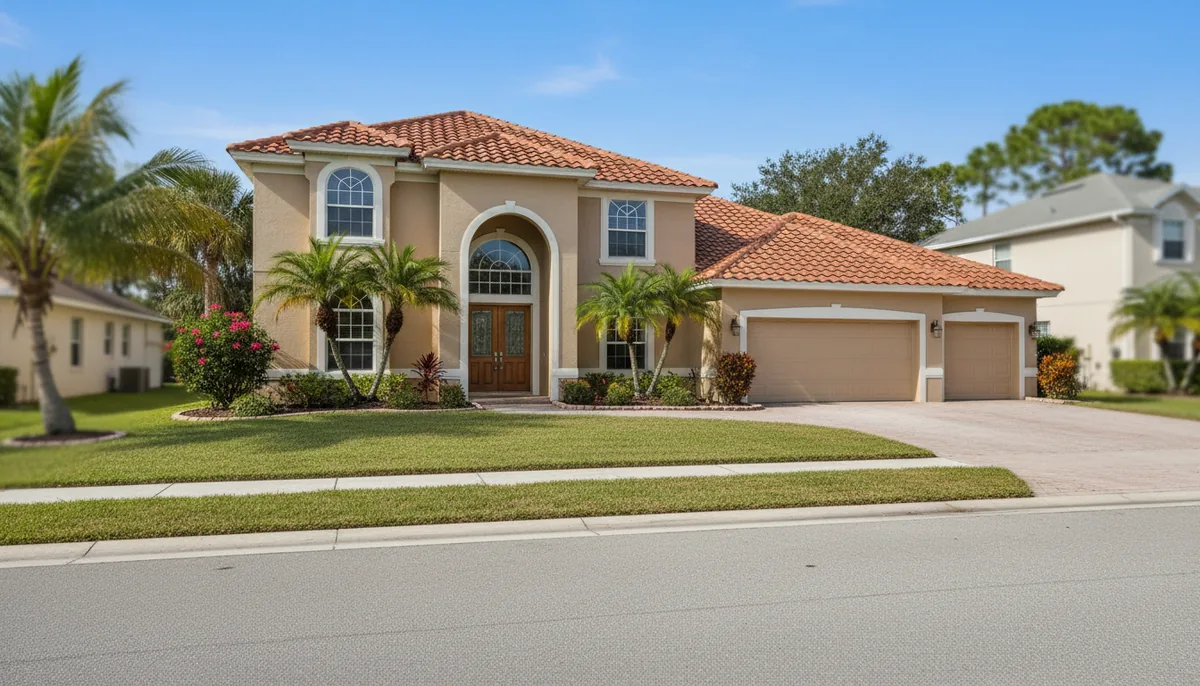
SB 4-D (2022) changed the old 25% rule
The old 25% rule made everyone nervous. If you repaired more than a quarter of the roof in a 12-month period, the code could force you to bring the entire roof up to current standards. That was a nightmare for school boards with a tight calendar and a single leak. Then came SB 4-D (2022). It changed the game for any roof built to the 2007 Florida Building Code or a later edition. For those roofs, only the section you're actually working on must meet current code.
The catch is the date. That 2007 code took effect on March 1, 2009. If your commercial property's roof was completed before that date, the old trigger can still bite you. I've seen a simple repair balloon into a full tear-off because the building was built in 2005. Know your roof's birthday before you budget.
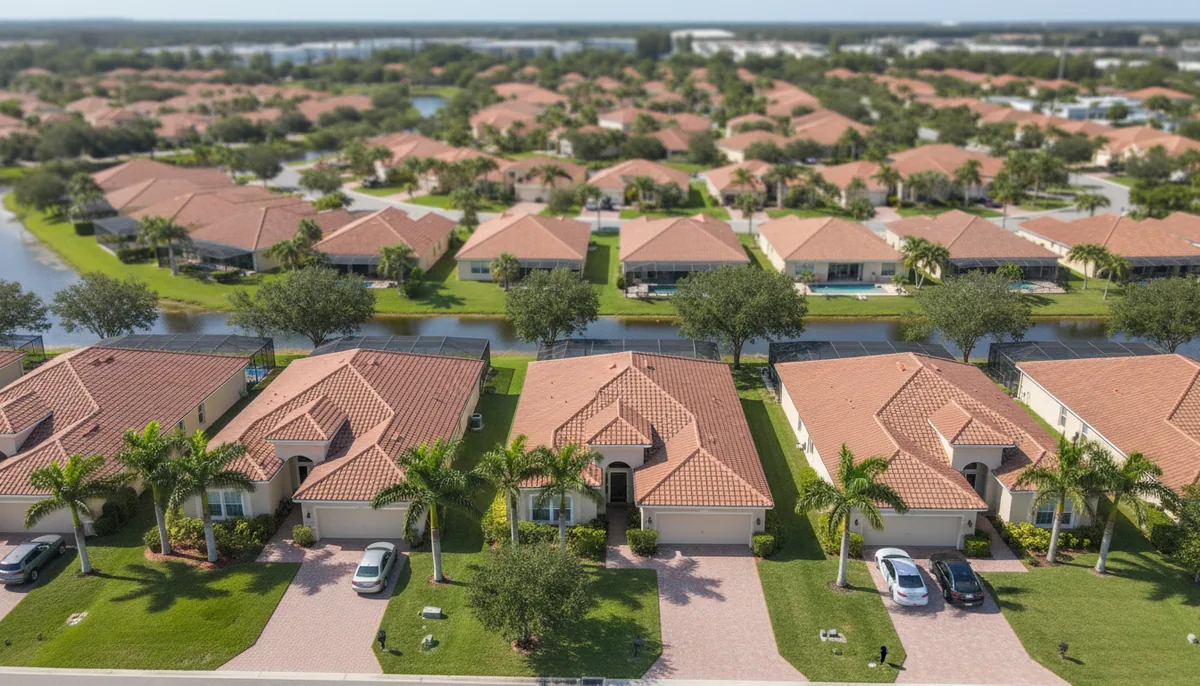
Pull the permit. Let the inspector come.
I hear this all the time: "Hey, it's just a repair. We don't need a permit." No. A roof replacement in Florida requires a permit pulled from the local building department, and an inspection. So does a repair that touches the envelope. A contractor who offers to skip the permit is a contractor to walk away from. An unpermitted roof can complicate an insurance claim and it will complicate a future sale. That's not me being precious. That's the paper trail.
What I would actually do: Call the local building department myself and ask if a permit has been pulled for my property address. If the roofer shrugs and says "we don't need one," I thank him nicely. Then I keep calling.
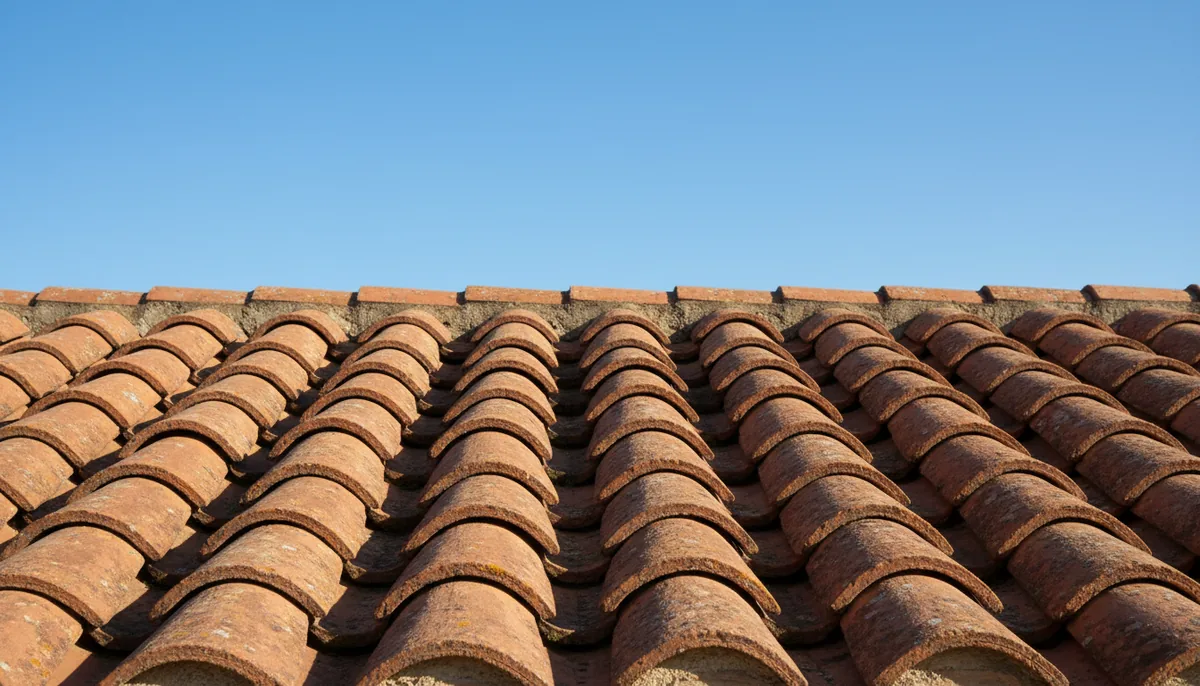
Wind mitigation work is the cheapest repair you'll never make
For a commercial building, the best value you can buy is a wind mitigation inspection. The official form is OIR-B1-1802. It documents roof covering, roof deck attachment, roof-to-wall connection, roof geometry, secondary water resistance, and opening protection. Florida insurers must offer premium discounts for qualifying features. The inspection costs far less than the annual discount it can open up, so I tell clients to run it once and leave it on file. If you own a condo association or a residential rental, look into My Safe Florida Home. For commercial, OIR-B1-1802 is the one your carrier wants.
What I would actually do: Ask my insurance agent in writing if they've run the OIR-B1-1802. If they haven't, I'd have an independent inspector do it, then email the form straight to the underwriting department. The check is the discount, not the paperwork.
TPO, modified bitumen, or coatings? Depends what's under there.
I estimate flat and low-slope commercial. Warehouses, retail plazas, schools. The three big systems are TPO, modified bitumen, and coatings. TPO is that big white membrane you see from the highway, seams welded together. Modified bitumen is layered down, often torched or peeled-and-sticked. Coatings can add years to a solid substrate.
But a coating over a wet substrate just hides the leak until the water wins. And I of been wrong about this before, but I'd rather you pay me to fix the deck than pay me to paint over rot. There is a guy in Tallahassee who tried to fix a ponding spot with a water-based roof coating. Just painted right over the puddle. I drove up there, looked at the water blister bubbling under the dried paint, and drove straight back. Some things you can't put a number on.
Why I tell clients to read their own policy
Coverage varies by policy. I don't know yours. If you're asking "is this covered?", the honest answer is "read your declarations page." I can tell you if the damage looks like wind or old age. I can tell you what the code requires. But I am not a lawyer and I am not a licensed adjuster. If you're wondering how your deductible behaves under a claim, look up Florida Statute 627.70132 and read the policy language. The paperwork wins claims, not phone calls.
Questions I get asked
Why does my roof leak every time it rains?
Your roof doesn't leak when it rains. It leaks after it rains. Water gets in at a flashing detail upstream, travels along the structural deck, and drips on the server rack far away from the actual hole. That's why the first step is always tracing the water inside.
How long will a commercial roof last?
Call it 20 years for fully adhered TPO, give or take. Modified bitumen is similiar. But the membrane is only half the story. The insulation and deck underneath determine if that roof dies young. A roof with wet insulation is a roof being replaced early, no matter what the surface looks like.
Do I really need a permit for a repair?
Yes. Pull the permit from the local building department and let the inspector do the job. An unpermitted roof can complicate an insurance claim and it will complicate a future sale. Don't let anyone convince you otherwise.
Is a coating cheaper than a replacement?
Upfront, yes. But coatings only work when the substrate is dry and sound. I would rather price fixing the substrate honestly than hand you a low number for a coating that bubbles up over a wet board. If water is ponding on the roof, a coating won't fix that either. You're just painting a swimming pool.
What's the deal with that 25% rule I keep reading about?
SB 4-D (2022) changed it. If your roof was built to the 2007 Florida Building Code or later, only the portion being worked on must meet current code. Roofs completed before March 1, 2009 generally do not qualify for that relief, and the old rule can still force a full replacement if you patch too much.
Can you make the insurance company pay for my roof?
I'm not a licensed adjuster, so I can't negotiate for you. What I can do is document the roof condition, seperate wind damage from old age, and give you a code-compliant scope. Then you read your declarations page before you file. The paperwork wins claims, not phone calls.