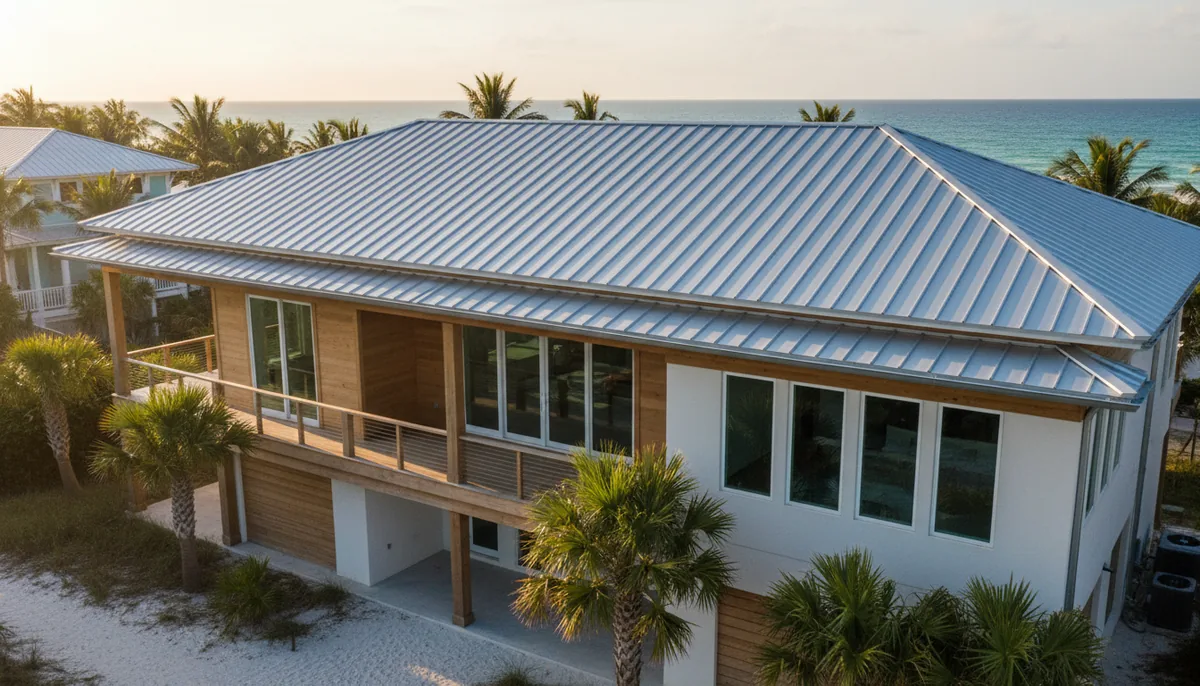
Florida roof tiles: The Florida Guide
By Dale Prescott, Roofing contractor, Central Florida. Reviewed by Hal Winstead, Editor, licensed roofing contractor.
An afternoon in 2014, a tile roof in DeLand. The homeowner had hired someone to chase a leak, and that someone had decided the fix was a can of spray foam and a prayer. By the time I got there the underlayment had turned to paper and the clay tiles were sliding off in sheets. I've got no patience for that kind of work, but I do keep a folder of contractors who do it right, and you can find the same sort of list in the tile roofing companies in Florida directory. That folder has saved my tail more than once.
Twenty-two years running tile and shingle crews between Orlando and the coast. I've torn off more storm-damaged roofs than I care to count, and I've watched the rules change under my boots. Some of that change made the work better. Some of it just made the paperwork thicker. Either way, if you're looking at a Florida tile roof, there's alot you need to know before you sign anything or hand over a deposit. Let me walk you through the parts that actualy matter.
First thing I tell anyone: Florida roofing contractors are licensed by the DBPR. That's the Department of Business and Professional Regulation. You'll see two licence prefixes: CCC for certified and RC for registered. A certified contractor can work anywhere in the state. A registered one can only work in the local jurisdiction that licensed them. I've been both. Verifying the number is active takes two minutes on the DBPR roll, and you should do it before you even have a conversation. Not after. Before. It saves you from the guys who'll tell you a permit is "optional."
What a tile roof in Florida actually goes through
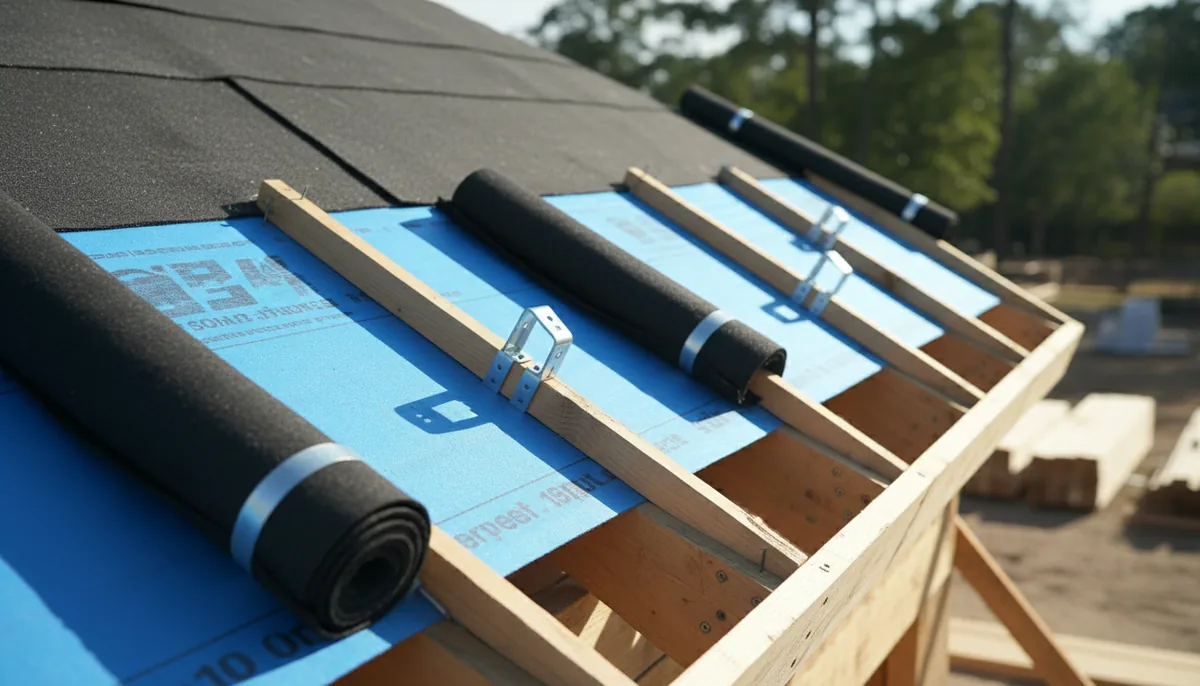
Tile roof in Florida is not the same as tile roof in Arizona. I've worked in both. Out west, tile is mostly about beating the sun. Down here, it's about punching through a hurricane. That means the tile itself matters less than what's under it. The underlayment, the decking, the fasteners, the flashings. Call it the unsung heroes. A beautifull barrel tile sitting on cheap underlayment is just a roof waiting to fail.
I've seen homeowners fall in love with a tile's color and forget that the real battles happen at the edges and the valleys. Florida rain comes sideways. Wind drives water up under the tile, not down onto it. So the tile's job is to shed water for a while. The underlayment's job is to save your ceiling when the tile loses that battle. That's why code requires so many layers of protection. And that's why I get cranky when someone wants to save money by skipping the Florida Building Code requirements for high-velocity hurricane zones. Don't. Just don't.
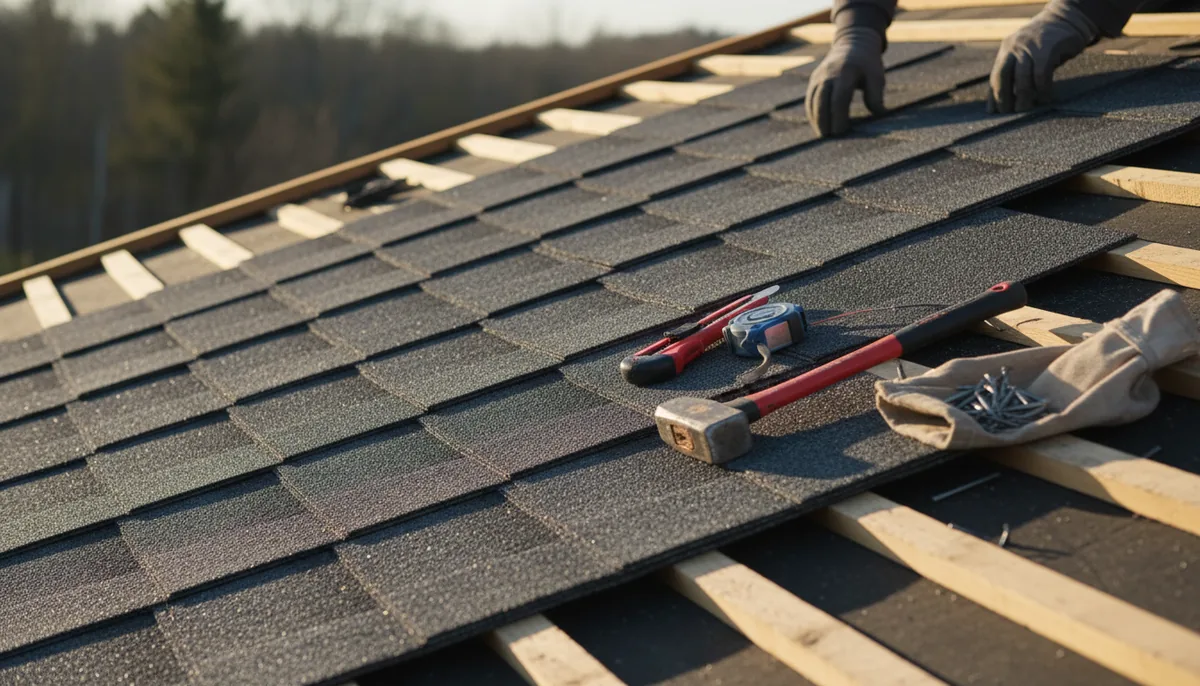
Florida tile roof code changes that caught everyone off guard
Here's the big one, and it still confuses people. For years, Florida had something we called the 25% rule. If you repaired or replaced more than 25% of your roof in any 12-month period, you had to bring the whole roof up to current code. A regular repair could trigger a full replacement. It was a nasty surprise for a lot of homeowners.
Then SB 4-D came along in 2022. The effective date was May 26 of that year. What changed is this: if your roof was built, repaired, or replaced to the 2007 Florida Building Code or any later edition, then only the portion being worked on has to meet current code. No more automatic full-roof trigger. But here's the catch. The 2007 code took effect on March 1, 2009. So roofs built before that date generally don't qualify. I have been wrong about this before, so I always tell homeowners to check the permit history and the building code edition on their house before they assume SB 4-D covers them. It depends on what's under there and when it went in.
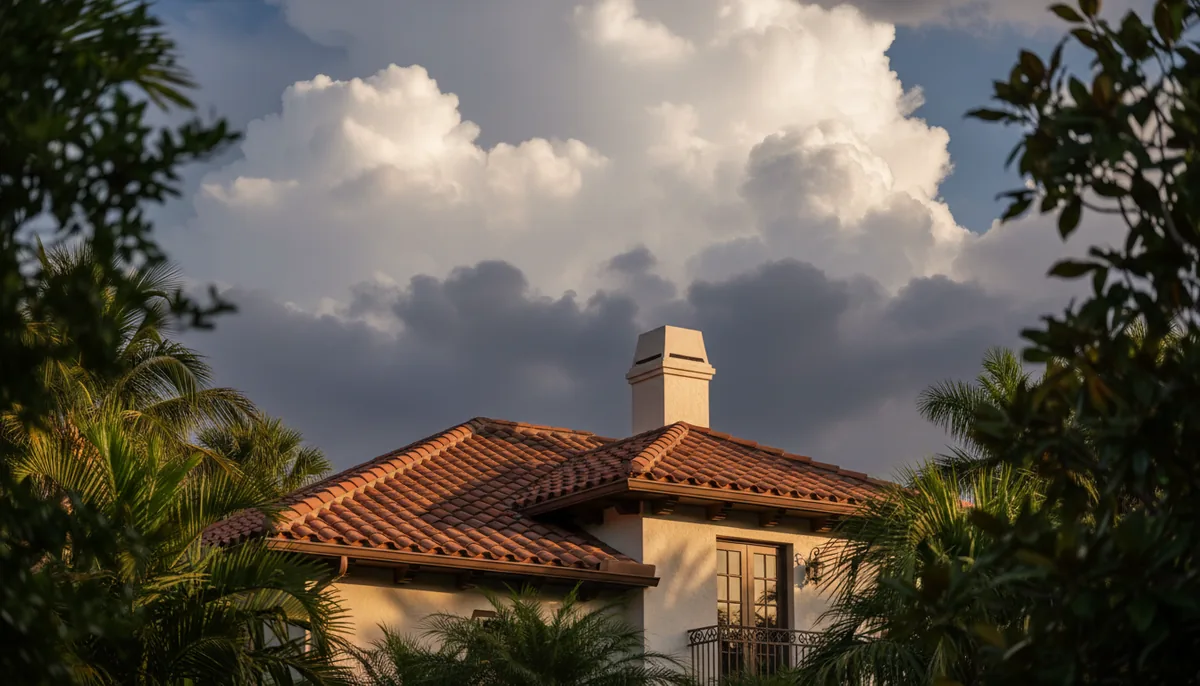
Concrete roof tile manufacturers Florida homeowners ask about
Concrete roof tile manufacturers Florida has plenty of. You'll see names on dumpsters and truck beds, but I won't vouch for any specific brand because every plant has a bad batch now and then. What I can tell you is the difference. Concrete tile is heavy. Call it 900 to 1,200 pounds per square, give or take. Clay tile is lighter but more brittle. Concrete is more common in Florida because it stands up to the hail and the salt air better, and it's cheaper per square.
But the manufacturer matters less than the installation. I've torn off brand new roofs that were installed wrong by crews who treated tile like big shingles. And I've seen 40-year-old concrete roofs still going strong because the original roofer knew how to set the pitch and breathe the system. That's the word I use: breathe. Tile roofs need airflow underneath. If a manufacturer's installation manual calls for a certain batten or counter-batten, follow it. Don't let a crew talk you into shortcuts because "it's been fine for years."
That leads me to something specific. When you're shopping roof tile manufacturers in Florida, ask for the product's wind rating and it's installation manual. A good contractor will show you the manual. A bad one will tell you they've done it a thousand times. I know. I've been the bad one when I was young and dumb. Then I had to redo a roof in Ocala on my own dime. That'll teach you humility real fast.
The licence and permit questions you can't skip
Florida roof tile work requires a permit from your local building department. No exceptions. And the permit requires an inspection. A contractor who offers to skip the permit? Walk away. I don't care how good a deal they're offering. An unpermitted roof can complicate an insurance claim and a future sale. I've seen both happen. A house in Sanford went into contract, and the buyer's inspector found a roof with no permit history. The sale stalled. The seller had to pay for a full tear-off and then wait for inspections. That's thousands of dollars and months of stress. For what? To save a little on the install? Not worth it.
Now, about those inspections. A wind mitigation inspection is different from a regular roof inspection. It documents six things: roof covering, roof deck attachment, roof-to-wall connection, roof geometry, secondary water resistance, and opening protection. The standard form is OIR-B1-1802. Florida insurers have to offer premium discounts for qualifying features, and this inspection is what unlocks them. I've had homeowners pay 150 bucks for the inspection and save three times that on their annual premium. But coverage varies by policy. I keep saying this because people don't listen: read your declarations page. Don't trust me. Don't trust your neighbor. Read your policy.
What I would actually do: Get the wind mitigation inspection before you shop for insurance. Not after. And don't let the roofer do it unless they're also a licensed inspector. Most roofers aren't. I'm not. I'll tell you flat out who to call, but verify their credentials yourself.
What I would actually do: When you're replacing a tile roof, ask for the exact Florida Building Code edition that applies to your house. Then ask the contractor to write the code edition and the permit number on the contract. If they refuse, that's your answer.
Questions I get asked
How long does a Florida tile roof last?
Concrete tile can last 50 years or more, but the underlayment won't. Expect to replace the underlayment at least once during the tile's life. That's a job called "lift and relay," and it costs a fraction of a full replacement.
Can I walk on my tile roof to clean the gutters?
Not unless you know exactly where to step. Tile cracks under point loads, and a cracked tile means a leak. I've seen grown adults punch holes clean through barrel tile. Use a ladder and stay off the roof. If you have to get up there, hire a roofer.
What's the deal with the 25% rule? Is it still around?
It changed with SB 4-D in 2022. For roofs built to the 2007 code or later, only the area being repaired has to meet current code. Older roofs can still trigger a full replacement if you repair more than a quarter of the surface. Check your roof's permit history before you plan a repair.
Does insurance pay for a full tile roof replacement after a hurricane?
It depends on your policy. Don't let anyone tell you different. Some policies pay replacement cost, some pay actual cash value, and some have special deductibles for wind and hail. Read your declarations page. If you don't understand it, ask an adjuster. Not me, I'm not one.
How do I find a real contractor?
Start with the directory I linked above. Then check the DBPR roll for a CCC or RC prefix and make sure it's active. Ask for their certificate of insurance directly from the insurance company, not from the contractor. And call the local building department to verify they pull permits regularly.
What is My Safe Florida Home?
It's a state program that offers free wind mitigation inspections and grants for hardening your home. It's seperate from your insurance company's discount. The program has funding limits, but it's worth checking. Also look up Citizens Property Insurance Corporation if you can't find coverage on the open market. Both are legitimate resources. I've seen them help a lot of people. But the rules change, so check the current requirements.
One more thing, because I can't help myself. The most daft customer I ever had asked me to install tile over a leaky flat roof because "the tile would look nice from the pool." I told him the pool would get a lot closer to the house after that. He found someone else. That someone else tore it off twice and finally walked away. The homeowner called me back, humbled, and we did it right. It cost him double what it would have up front. That's the Florida roof tile story in a nutshell. Do it right the first time, verify everything, and don't let a pretty barrel confuse you about what holds up the sky. The tile is the skin. The system underneath is the bones. Pay for the bones.