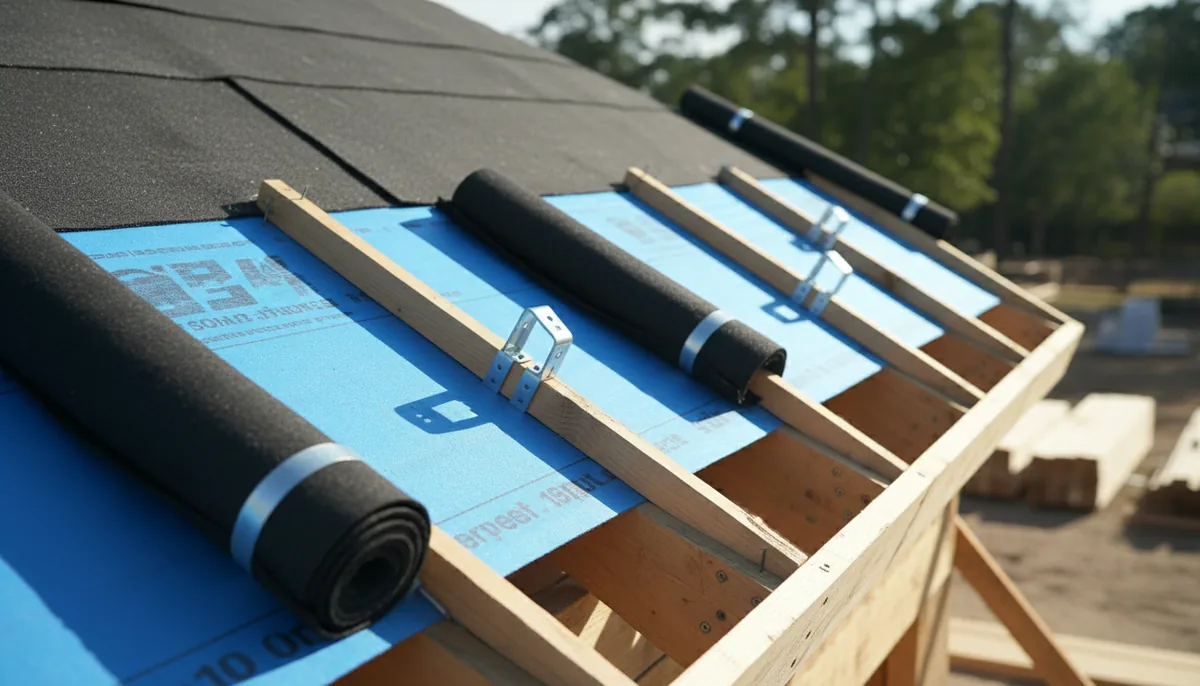
Coastal roofing of south florida: The Florida Guide
By Marcy Doleman, Commercial roofing estimator. Reviewed by Hal Winstead, Editor, licensed roofing contractor.
Looking for Coastal Roofing of South Florida? They are listed in this directory, in West Palm Beach, with their Florida DBPR licence number and whether that licence is currently active. See the Coastal Roofing of South Florida listing.
I spent a Tuesday morning last spring on a school roof in Punta Gorda, watching a repair crew peel back three layers of old modified bitumen that somebody had just kept roofing over, and the deck underneath was wetter than a sponge in a sink. The county inspector showed up before lunch, took one look at the new work going down over a deck we hadn't fully dried out, and red-tagged the whole job. That was a forty-thousand-dollar lesson in why you don't rush a low-slope replacement in southwest Florida, and it's the kind of thing that makes me want to write down a few notes for anyone searching for roofing companies in Florida. We get hammered by sun, salt, and sideways rain, and the rules for fixing a roof down here changed pretty significantly a couple of years back. For the shortlist itself, roofing companies in Florida is where I send people.
Most people call my office because their warehouse ceiling is stained or their retail plaza is leaking into the stockroom, and they think they need a patch. Sometimes they do. Sometimes what they need is a whole new roof, and they don't know that Florida's old replacement rule got overhauled in 2022. You also wouldn't beleive how many property managers don't know the difference between a certified and a registered contractor until their permit gets rejected at the county desk. I've been estimating flat and low-slope commercial work for over fifteen years, from TPO to modified bitumen to sprayed polyurethane foam, and I've made most of the mistakes you can make. Let me walk you through what actually matters.
Call it the coastal wheather problem. The salt air eats fasteners, the UV cooks the membrane, and the afternoon thunderstorms find every puncture you didn't seal. But the real issue I see on the ground isn't the weather, it's the paperwork that gets skipped when a storm's coming and somebody wants a quick fix.
First, check the licence before you check the shingles
Florida roofing contractors answer to the Department of Business and Professional Regulation, and the DBPR roll is public. A certified contractor holds a licence that starts with CCC, and that means they can work anywhere in the state. A registered contractor holds a licence that starts with RC, and they're only allowed to work in the local jurisdiction that issued it. I've had customers in Naples hand me a business card from a guy licensed in Jacksonville, and that card is worthless down here unless he holds a CCC. Always verify the number is active before you hire. I do it for every job, even referrals from old clients, because licences lapse and people get sloppy.
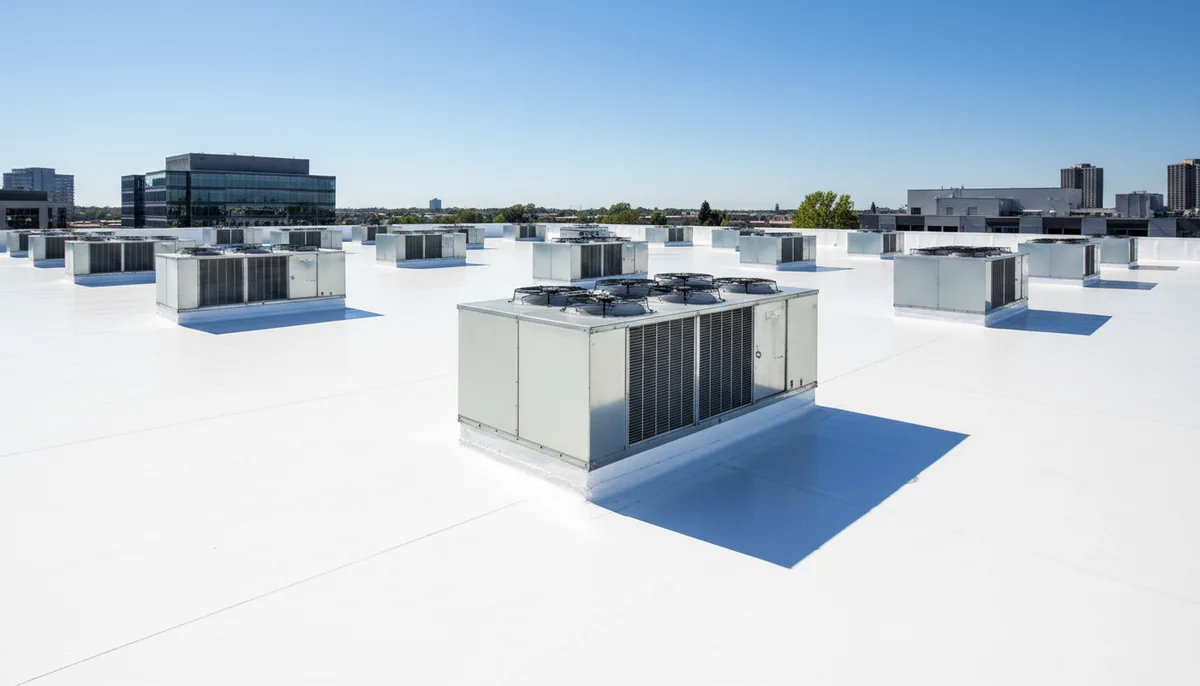
What happens when a roof gets replaced in Florida?
Every roof replacement in Florida requires a permit from the local building department, and the work gets inspected. This is not optional, and a contractor who offers to skip the permit is a contractor you walk away from. An unpermitted roof will complicate an insurance claim, and it can sabotage a future sale when the title search turns up unpermitted work. I've been wrong about this before, but I of never had a commercial building owner regret pulling a permit. It's a headache on the front end and a lifesaver on the back end.
What I would actually do: Before you sign anything, call your local building department and ask what a roof replacement requires in your zone. Then check the contractor's DBPR licence online. Takes ten minutes and saves you from a world of hurt.
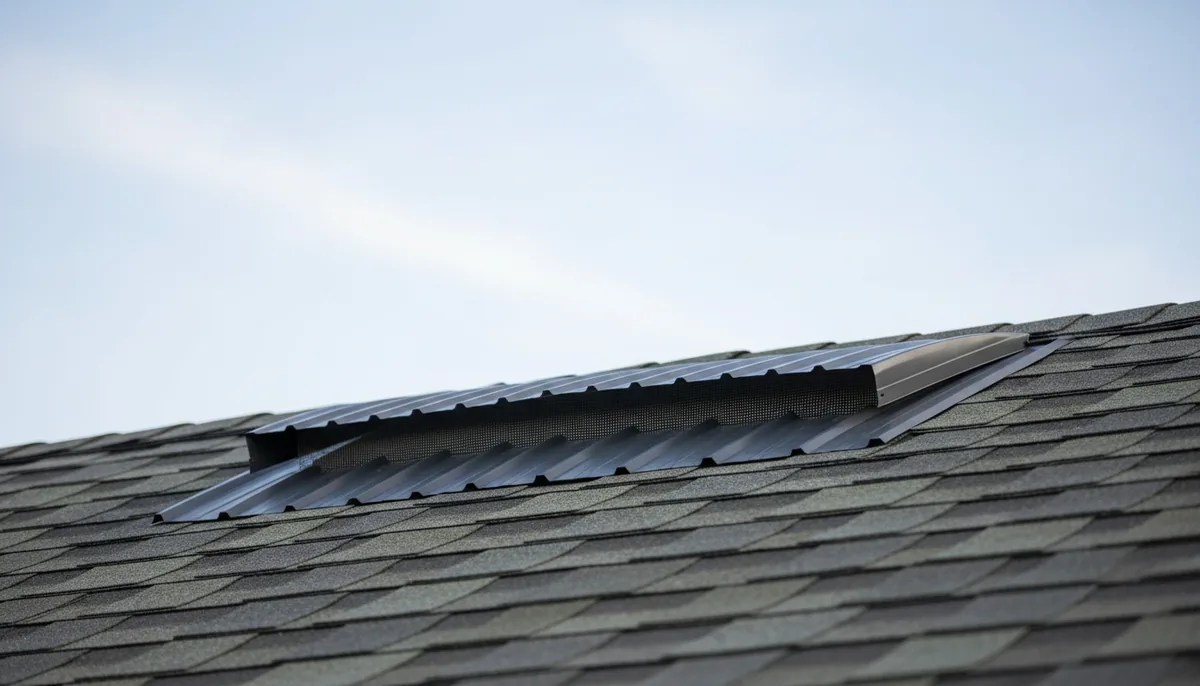
The old 25% rule and what changed with SB 4-D (2022)
Here's where it gets confusing. For years, Florida had a rule commonly called the 25% rule. It basicly said you couldn't repair or replace more than a quarter of your roof in any twelve-month period without having to bring the whole roof up to current code. That triggered alot of full replacements people didn't expect. But the state legislature passed SB 4-D, effective May 26, 2022, and that changed the math. If your roof was built, repaired, or replaced under the 2007 Florida Building Code or any later edition, then only the portion you're working on has to meet current code. A full replacement is no longer automatically triggered just because you crossed some percentage threshold.
The catch is the date. The 2007 code took effect on March 1, 2009, so a roof completed before that date generally does not qualify for the relaxed rule. Those older roofs can still trigger a full replacement if the work exceeds certain limits. I run into this all the time with older school buildings and strip malls built in the nineties. The owner thinks they're just patching a corner, and then the building official tells them the whole roof needs to come off because of the age of the original installation. It depends on what is under there, and the only way to know is to pull the permit history on the building.
What I would actually do: If a roof is from before 2009 and you're planning more than a small repair, budget for the possibility of a full replacement. I tell every client to ask their building official that question before we bid, not after we've already torn off half the deck.
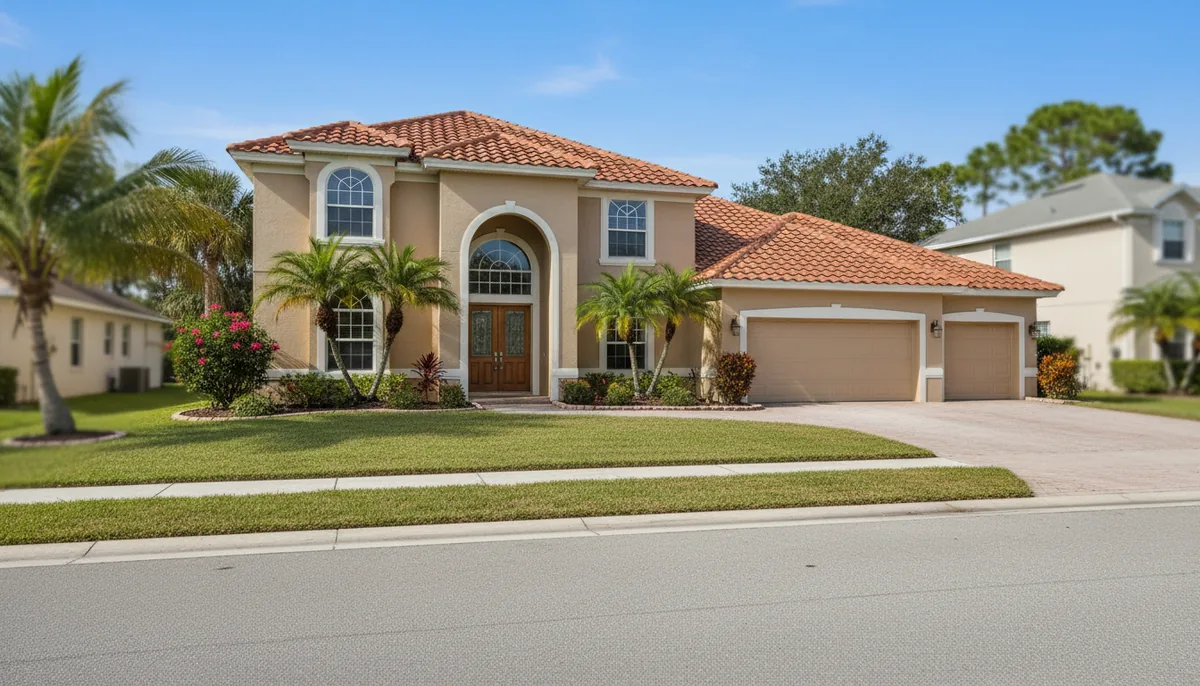
Wind mitigation inspections are worth your time
A wind mitigation inspection is a different thing from a code inspection. It documents six specific things: the roof covering, the roof deck attachment, the roof-to-wall connection, the roof geometry, the secondary water resistance, and the opening protection. That report gets filed on the standard form, which is form OIR-B1-1802, and Florida insurers are required to offer premium discounts for qualifying features. It's not a gimmick. The inspection typically costs far less than the annual discount it can open up, especially for a commercial building with a hip roof and proper deck fastening.
Here's my gripe, though. I've walked buildings where the adjuster's wind mitigation report was done by somebody who never got on the roof. They guessed the deck attachment from the attic access. You get what you pay for. A proper wind mitigation inspector gets up there and verifies the actual fasteners.
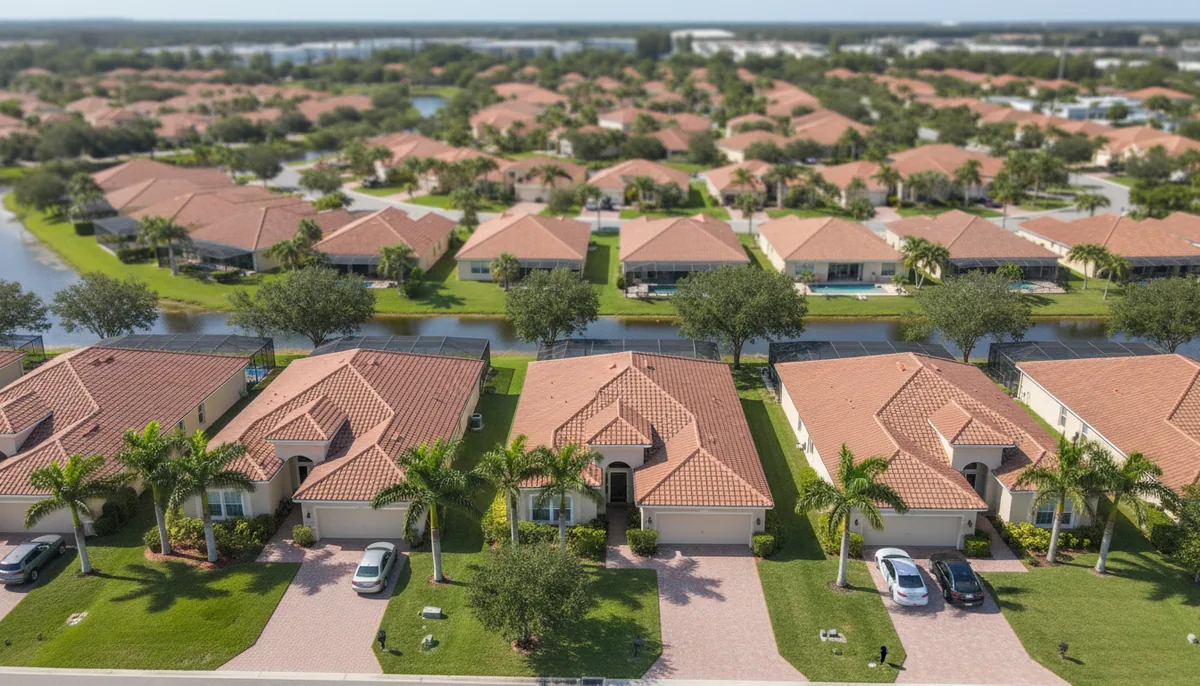
Coastal roofing of south florida has its own rhythm
The phrase coastal roofing of south florida gets used a lot in marketing, but to me it means something specific. It means a low-slope roof getting hammered by two distinct seasons, a wet season that runs from May through October and a dry season where the sun is relentless. TPO handles the UV exposure well, and it's my default for a lot of warehouse work. Modified bitumen gives you a tougher surface for foot traffic, but it absorbs more heat. Coatings, including acrylic and silicone, can extend the life of an existing roof that isn't leaking yet, but they only work if the substrate is sound and properly cleaned. The right choice depends on the building's use, the deck condition, and how much the owner wants to spend per square.
Questions I get asked
How long does a commercial roof last down here?
For TPO and modified bitumen, call it fifteen to twenty years if the installation is done right and the deck is dry. Coastal salt air cuts that down. A roofing system rated for twenty years in Ohio might only give you fifteen in Key West because of the UV and the storm exposure.
What does a roof replacement cost in Florida?
It's priced per square, which is a ten-foot by ten-foot area, but the actual number depends on pitch, access, deck condition, and how many layers have to be torn off. I never quote a square foot price over the phone because it's misleading. If I can't see the job, I'm guessing.
Do I need a permit for a small repair?
If you're replacing fewer than a certain number of shingles or doing a small patch, you might not need one, but a full replacement absolutely requires a permit from your local building department and an inspection. When in doubt, call the building department. It's free to ask.
Why does my insurer care about the roof age?
Because a policy is a contract, and the coverage varies by policy. Read your declarations page and talk to your agent. Florida law has some specific structures around wind coverage, and there are considerations involving Florida Statute 627.70132 that affect how claims for roofs are handled, but your specific coverage depends entirely on what you bought.
Who inspects my roof for the wind mitigation discount?
A certified inspector does it, and they file form OIR-B1-1802 with your insurer. Sometimes it's the insurance company's own inspector, sometimes it's an independent. Citizens Property Insurance Corporation and other carriers all use that same form.
What about programs like My Safe Florida Home?
That program is primarily aimed at homeowners, not commercial property owners, but it's worth checking if you own a residential rental. My Safe Florida Home can provide matching funds for certain hardening improvements. It doesn't cover my kind of work, but I get asked about it a lot.
One last thing. If you're looking at a roof and the contractor says you don't need a permit, or the adjuster says you need a whole new roof and the contractor says you just need a patch, get a second opinion. I have been wrong about this before, and I've changed my mind after seeing a deck opened up. A roof is a system, not a single membrane, and the guy who tells you he knows everything without looking under the old layers is guessing. Get three bids, check the DBPR roll, and read your own policy until you understand it. You don't need a lawyer to ask basic questions, but you do need to be informed enough to know when you're being told what you want to hear. That Punta Gorda school roof got fixed eventually, properly, with the permit pulled first and the deck dried out all the way to the metal. It took longer and cost more than the patch the principal wanted. But it happened once, and it's not leaking.