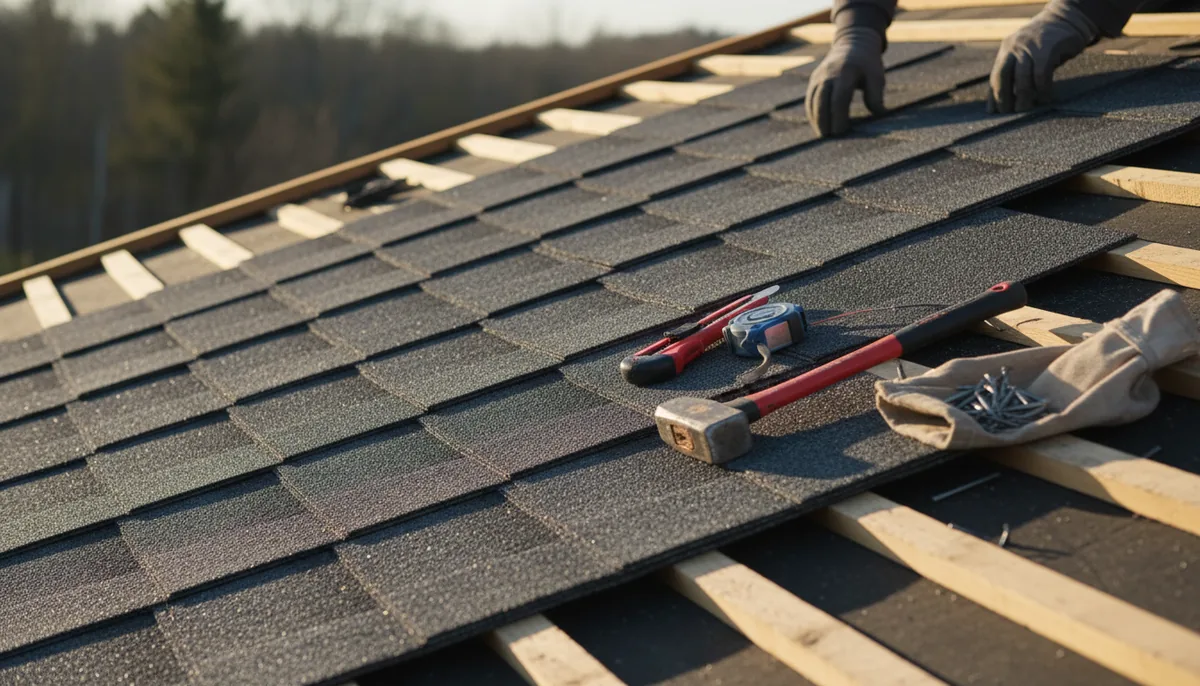
Florida roofing exam books: The Florida Guide
By Dale Prescott, Roofing contractor, Central Florida. Reviewed by Hal Winstead, Editor, licensed roofing contractor.
The last time I stripped a barrel-tile roof in DeLand, the ridge caps came off in my hands. The tile wasn’t old—call it six years—but somebody had set it on soupy mortar over dusty clay, so it looked fine from the road and gave up in my first pull. If you’re comparing roofing companies in Florida by price, keep that picture in your head, and verify the license number before you hand over a deposit.
I’ve been running tile and shingle crews between Orlando and the coast for twenty-two years. I’ve torn off more storm-damaged roofs than I care to count. The biggest money pit isn’t allways the storm, either. It’s the roof that passed because the person installing it skipped a step and banked on nobody noticing.
That’s why I still keep Florida roofing exam books in the truck. Not to pass a test. They’re my reference when a salesman says something that doesn’t sound right, and they’re the reason I can usually tell when a code change is real and when it’s just a rumor.
Why I still keep Florida roofing exam books in the truck
Most people think the Florida roofing exam books are something you read once and sell online. I use the updated ones like a field manual. They cover permit rules, contract terms, definitions, and all the code references that turn a disagreement into a lawsuit. Paper gets coffee rings, but paper doesn’t quietly update itself.
Exam prep tells you a roof system should shed water. The hard part is learning that a roof can shed water for years while it slowly rots from the inside. Books can’t tell you what is under the underlayment. That part I of to go look at myself.
The other thing keeping the books in the cab is this: I have been wrong abotu this before. I quoted a repair rule from memory once and had to eat the cost. Now I’d rather look it up than defend a bad call.
The CCC and RC on a license are different worlds
Florida roofing contractor licenses come in two stripes, and the DBPR licence prefixes CCC and RC are the first thing I check. A certified contractor starts with CCC and may work anywhere in the state. A registered contractor starts with RC and may only work in the local jurisdiction that licensed them.
Before you hire, check the DBPR roll and make sure the number is active. Don’t trust the logo on the truck. Don’t trust me. Run the number yourself. A certificate that looks good in a frame means nothing if it’s been revoked.
What I would actually do: Ask the roofer for their license number before you get a bid, then run it on the DBPR roll yourself. Active, name matches, prefix matches the jurisdiction where the work will happen. That takes a few minutes and saves a pile of regret.
The 25% rule changed. Make sure your roofer knows it
The old Florida saying went like this: once you repair more than 25% of a roof in a twelve-month period, you have to bring the whole roof up to current code. That rule sent more than a few homeowners into a full replacement they didn’t expect.
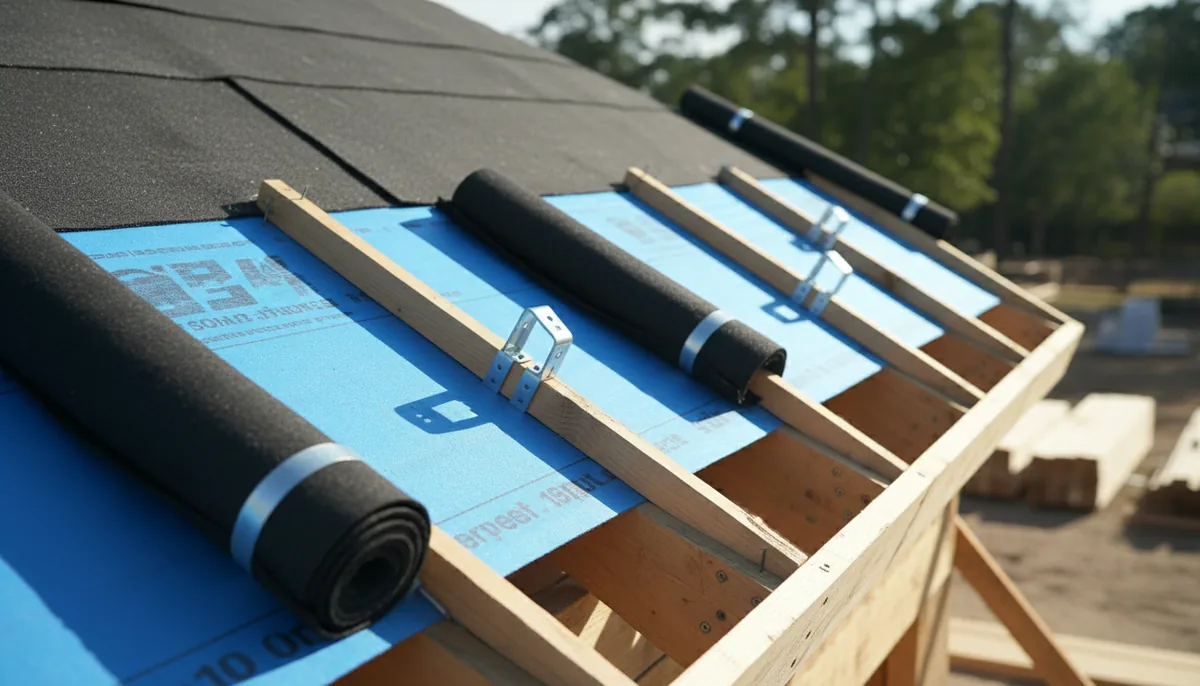
SB 4-D (2022) changed the deal for newer roofs. If the roof was built, repaired, or replaced under the 2007 Florida Building Code or any later edition, then only the portion being worked on has to meet current code. The rest of the roof is no longer automatically dragged in. The 2007 code took effect on 1 March 2009, so roofs completed before that date generally don’t qualify.
That difference matters on insurance claims and repair bids. Ask which rule your roofer is using. If they quote the old rule without asking about the roof’s age, they’re working from habit, not from the current books.
A permit still hasn’t gone anywhere. A roof replacement in Florida requires a permit pulled from the local building department and an inspection. A contractor who offers to skip the permit is a contractor to walk away from. An unpermitted roof can complicate an insurance claim and a future sale.
What I would actually do: If someone hands me a contract that says “owner to pull permit,” I don’t sign. If I were the homeowner, I’d ask the contractor to send me the permit number the day it’s pulled and then confirm it with the local building office.
Florida roofing exam books cannot show you a bad roof
Books show details the way they’re supposed to be installed. They don’t show what happens when somebody gets creative on a hot afternoon. That DeLand roof is a good example. It looked tight from the street. It took twenty minutes to realize the whole run was a fake.
I’ve seen the same thing on shingle roofs, tile roofs, and flat roofs. Water finds the hidden detail. Sometimes it takes a dry spell and then a big storm to expose it. By then I’m tearing off layers and the homeowner is wondering how a six-year-old roof got that rotten.
Roofing is priced by the square, but I’ve never met a square that told me the truth about the wood underneath. The honest answer about how bad a repair is always depends on what is under there. The only way to know is to pull some material away.
Ask your roofer for photos of the deck during tear-off. If they won’t show you, that’s your answer.
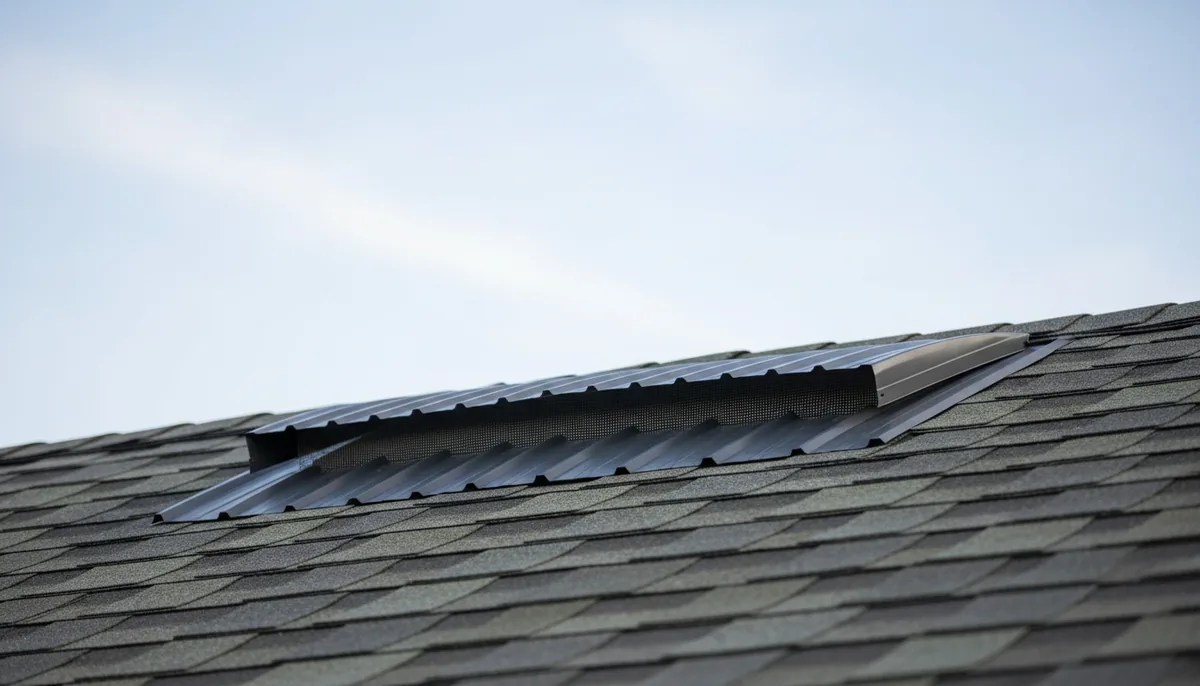
A wind mitigation inspection can save money every year
This is the closest thing to a discount you already earned but forgot to claim. A wind mitigation inspection documents the roof covering, roof deck attachment, roof-to-wall connection, roof geometry, secondary water resistance, and opening protection. The inspector puts the findings on form OIR-B1-1802. Florida insurers must offer premium discounts for qualifying features.
Coverage still varies by policy, and I’m not an adjuster. Read your declarations page. Ask your agent wether an OIR-B1-1802 on file would change your premium. The inspection can cost far less than the first year’s discount, so it’s worth asking about even on an older roof.
Program details change. If you want a place to start reading on your own, search My Safe Florida Home and Citizens Property Insurance Corporation, but get current details before you bank on anything you read.
What I would actually do: If I owned the house, I’d get a wind mitigation inspection before I called a roofing salesman. Keep that form OIR-B1-1802 with your policy papers. You save more by handing the insurer the completed form than by arguing over the phone.
Questions I get asked
Do I need to replace my whole roof if more than 25% is damaged?
Not automatically. If the roof was built, repaired, or replaced under the 2007 Florida Building Code or later, SB 4-D (2022) only requires the part you’re working on to meet current code. If the roof is older than that, a full replacement can still be on the table. It depends on what is under there.
What do CCC and RC mean?
CCC stands for certified roofing contractor, and RC stands for registered roofing contractor. A CCC holder may work anywhere in Florida, while an RC holder may only work in the local jurisdiction that licensed them. Check the prefix, then verify the number is active on the DBPR roll.
Can I ask a roofer to leave out the permit to save money?
No, and you don’t want that roof. A roof replacement in Florida requires a permit from the local building department and an inspection. A contractor who offers to skip the permit is a contractor to walk away from, because an unpermitted roof can complicate an insurance claim and a future sale.
Will a wind mitigation inspection lower my homeowners insurance?
It can, but it depends on your policy and your insurer. Florida insurers must offer premium discounts for qualifying features documented on form OIR-B1-1802. What that discount looks like is between you and your company, so read your declarations page and ask before you pay for anything.
Are Florida roofing exam books worth buying after I pass?
If you’re still working on roofs, yes. The rules keep changing, and an old edition can cost you money. Keep a current set in the truck and use it. Nobody remembers every code change from memory, no matter how many roofs they’ve torn off.