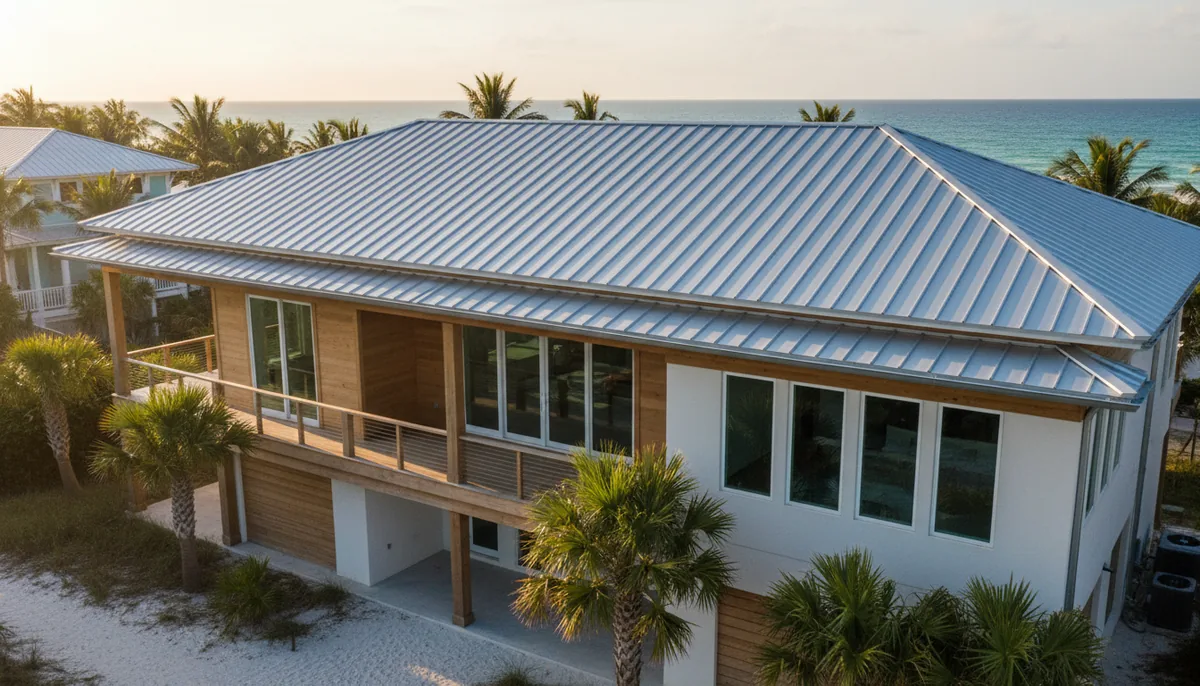
Commercial roofing florida: The Florida Guide
By Marcy Doleman, Commercial roofing estimator. Reviewed by Hal Winstead, Editor, licensed roofing contractor.
One sticky August afternoon in Fort Lauderdale, I climbed a low-slope warehouse roof to price a "small repair" that someone had already fixed twice. The patch had bubbled, the caulk was still soft, and the puddle around the second RTU had turned black enough that I knew the deck below had been wet for a long time. I found a screw hole from a cable installer, a nail that had backed out of a flashing, and a seam peeling like a sunburn. That single roof is why my first piece of advice is usually this: use the commercial roofing companies in Florida directory and make every candidate show you what they found before they talk price.
Commercial roofing Florida is less about the product than about the water. TPO, modified bitumen, and coatings all work fine when they are installed dry, flashed tight, and maintained. The failures come at seams, curbs, penetrations, terminations, and the places where somebody stepped through a membrane and called it a day. I run numbers for flat and low-slope work across the state: warehouses, retail plazas, schools, the occasional church with a roof that has no business leaking. The pattern is always the same. First leak. First patch. Second, bigger leak. Then a call to someone like me.
That call is not the begining of the process. It is around the halfway mark.
What Florida commercial roofing actually takes
Florida commercial roofing starts the same way every time: with an active licence. Roofing contractors in Florida are licensed by DBPR, and DBPR licence prefixes CCC and RC are not interchangeable. A CCC licence means the contractor can work anywhere in the state. An RC licence is registered to one local jurisdiction. I do not care how many hats they wear—"roof adviser," "restoration specialist," "re-roofer" —the number in front of me has to be active.
And the licence has to be paired with a permit. In Florida, a roof replacement requires a permit pulled through the local building department and an inspection before the work is called done. A contractor who offers to skip the permit is a contractor to walk away from. I have seen what unpermitted roofs do to insurance claims and sales. It is not a favor someone is doing you. It is a risk you get to carry.
Some of the worst commercial roofs I have priced were installed by someone who was licensed, bonded, and completely wrong for the building. That is why I still walk every roof like it is trying to hide something from me. Usually it is.
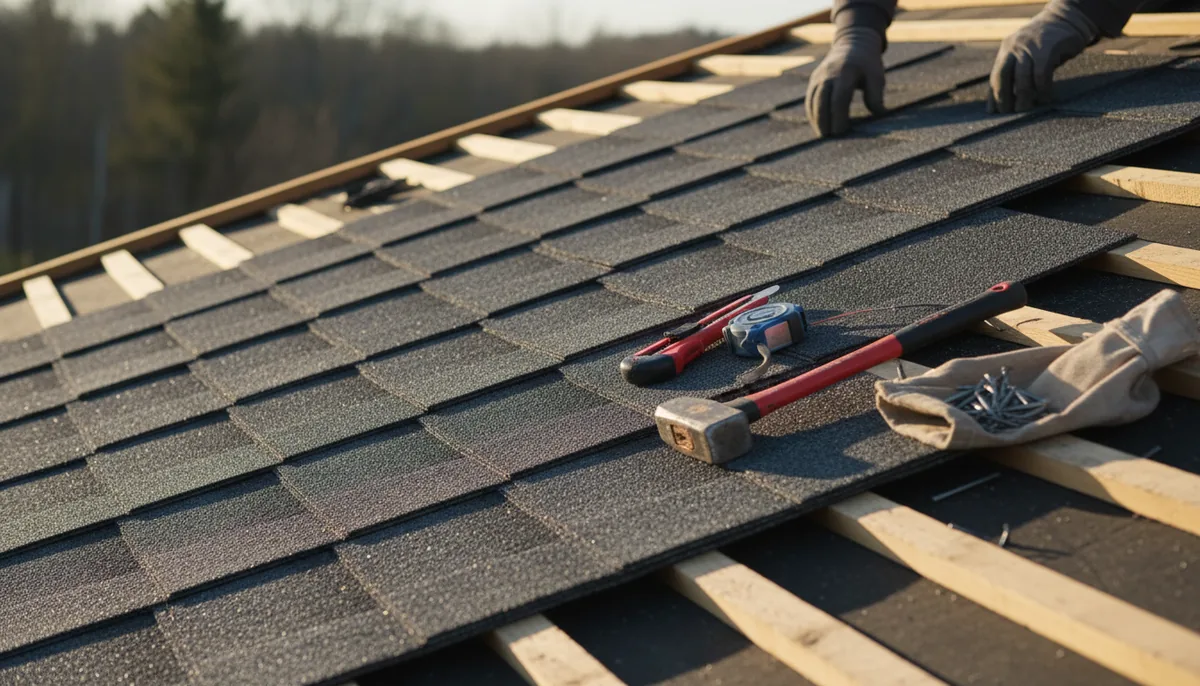
Florida commercial roof repairs are never just the leak
Half my calls begin with "it's a small leak by the AC unit." By the time I arrive, it is not small. The stain on the ceiling tiles is usually a foot away from the actual breach. Water runs along the top of the deck, drops at a joint, and then soaks into whatever is below. Florida commercial roof repairs are roof detective work, and the evidence is rarely at the crime scene. The visible spot only tells you where the water stopped.
A repair estimate that makes sense on one roof can be wasted money on another. If the membrane is old modified bitumen with alligator cracks around every termination, no patch will stick for long. If it is a single-ply TPO roof with a puncture at a seam, a patch might buy you years. It depends what is under there. It depends how many times the roof has been patched before. It depends who is going to stand behind the work when the next thunderstorm comes through.
This is Florida. It rains sideways, then it stops, then it does it again before the ladder is down. A roof can look dry at noon and be flooded by the time a crew grabs lunch.
What I would actually do: I go inside and look for the stain trail on the deck before I price a repair, and then I expect the roof to leak again during a water test so I can watch the actual path instead of guessing.
A roofer who quotes a permanent repair over the phone has either seen the exact same roof before or he has a very expensive imagination. The good commercial roofers ask to go inside, ask about the last repair, and then take their time at the parapet. That is not a waste of money. That is the report.
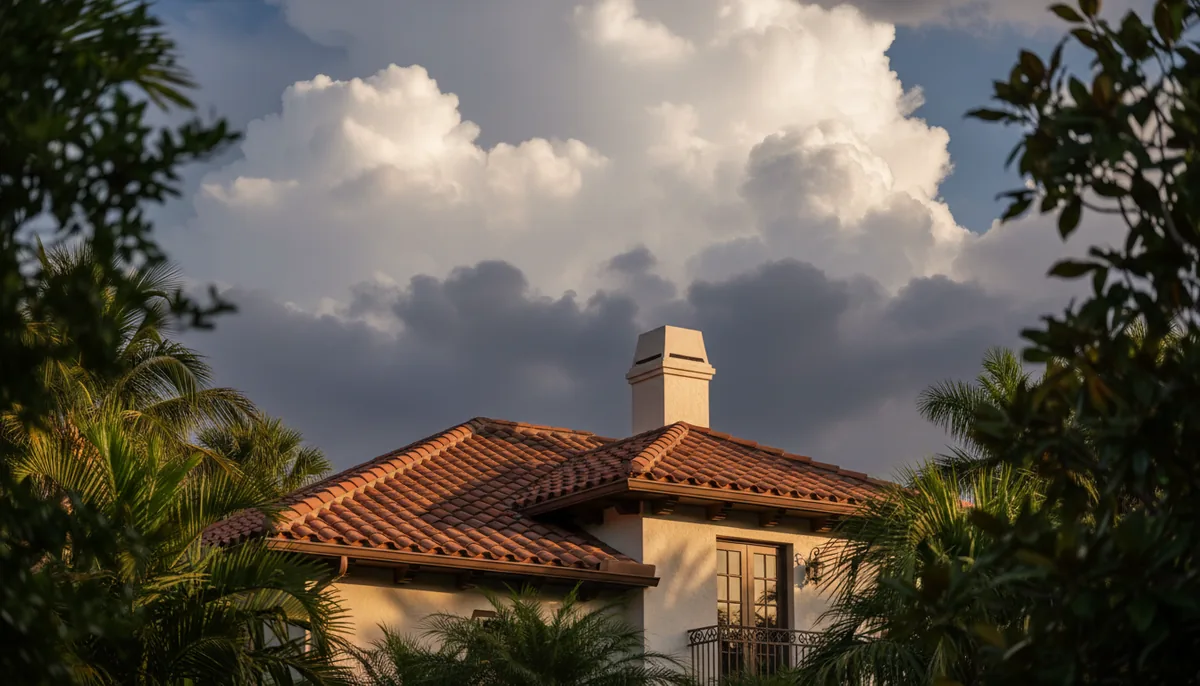
Commercial roof replacement services Florida: the trigger and the permit
Commercial roof replacement services Florida owners actually need are not something you shop for like flooring. You shop for the crew, then the system. When I price a tear-off, I assume there is wet insulation somewhere. Even if the top sheet looks dry, the cover board might be crumbled and the deck stained. Remove it down to the deck, let the building official look, fix what the roof has been hiding, then install the new layer.
Permit first. A roof replacement in Florida requires a permit pulled through the local building department and an inspection. If someone tells you they can "save you the permit," they are not saving you anything. An unpermitted roof can complicate an insurance claim, and it will come up when the building changes hands. It is one of those things that feels fine until it does not.
The code rule catches alot of owners. For years, no more than 25% of a roof could be repaired or replaced in any 12-month period without bringing the whole roof up to current code. That used to force a full replacement once you crossed the line. SB 4-D (2022), effective May 26, 2022, changed it for roofs that were built, repaired, or replaced under the code generation that began on March 1, 2009. For those roofs, only the section being worked on has to meet today's code. If your roof was completed before that date, you generally do not get the pass. Then the old 25% trigger can do what it always did: turn a repair quote into a full re-roof.
What I would actually do: If the roof is older than the code change on March 1, 2009, I budget for a full tear-off and let the local building department tell me I can do less.
The building official, not a salesperson, has the final word. Ask that question in writing before you sign anything.
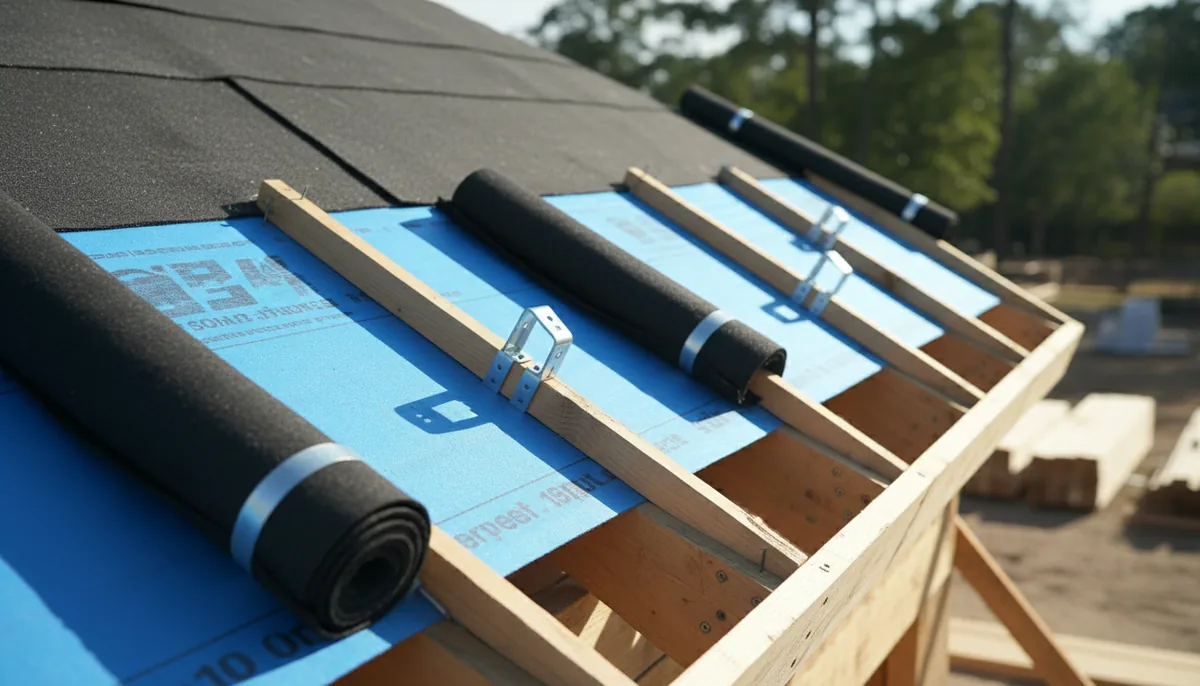
How wind mitigation changes the math
Some roof replacements are tied to insurance, and that is where wind mitigation enters the conversation. A wind mitigation inspection documents six things: roof covering, roof deck attachment, roof-to-wall connection, roof geometry, secondary water resistance, and opening protection. The standard form is OIR-B1-1802. Florida insurers must offer premium discounts for features that reduce wind damage. That is the law. Wether your particular policy takes advantage of it is another question.
I tell customers to run the inspection before the replacement, not after. If the deck attachment is weak, a beautifull new membrane does not fix it. If the roof-to-wall connection is suspect, that is a structural conversation, not a roofing estimate. The inspection costs far less than a year of potential discounts, but I am not an adjuster and I do not know what your policy says. Read your declarations page. Ask your agent what the new roof actually changes. Coverage varies by policy, and anyone who promises otherwise is guessing with your money.
Questions I get asked
If a roofer offers to skip the permit, is that a deal?
No, it is a problem with a ladder on it. A roof replacement in Florida needs a permit and an inspection. An unpermitted roof can complicate an insurance claim and show up later as a headache at closing. A permit might cost time and money. It is cheaper than a roof that becomes your problem forever.
Does more than 25% damage force a full roof replacement?
Not anymore for many roofs. SB 4-D (2022) changed the rule for roofs built, repaired, or replaced under the code generation that began on March 1, 2009. Those roofs only need the section being worked on to meet current code. Older roofs do not get that pass, and the building department may still have it's own opinion.
What should a commercial roof estimate include?
It should include the roof system, the underlying deck work, the flashing details, the permit, and the final inspection. It should also say what the estimator found on the roof walk, not just what they plan to sell. If two numbers are wildly different, ask what one left out. Usually it is not the price that is low. It is the scope.
Will a wind mitigation inspection pay off?
Usually, but I cannot promise it for your building. The form OIR-B1-1802 documents the roof covering, deck attachment, roof-to-wall ties, geometry, secondary water resistance, and opening protection. Florida insurers must offer discounts for qualifying features, and the inspection can cost far less than the discount. Whether your carrier uses it depends on your policy.
Can you just give me a price over the phone?
No, because I have not seen the roof. I have been wrong before about roofs, and I hate being wrong more than I hate driving across the state. A price without a roof walk is not an estimate. It is a guess with a comma in it. Ask any commercial roofer to walk the roof first. The good ones will insist.