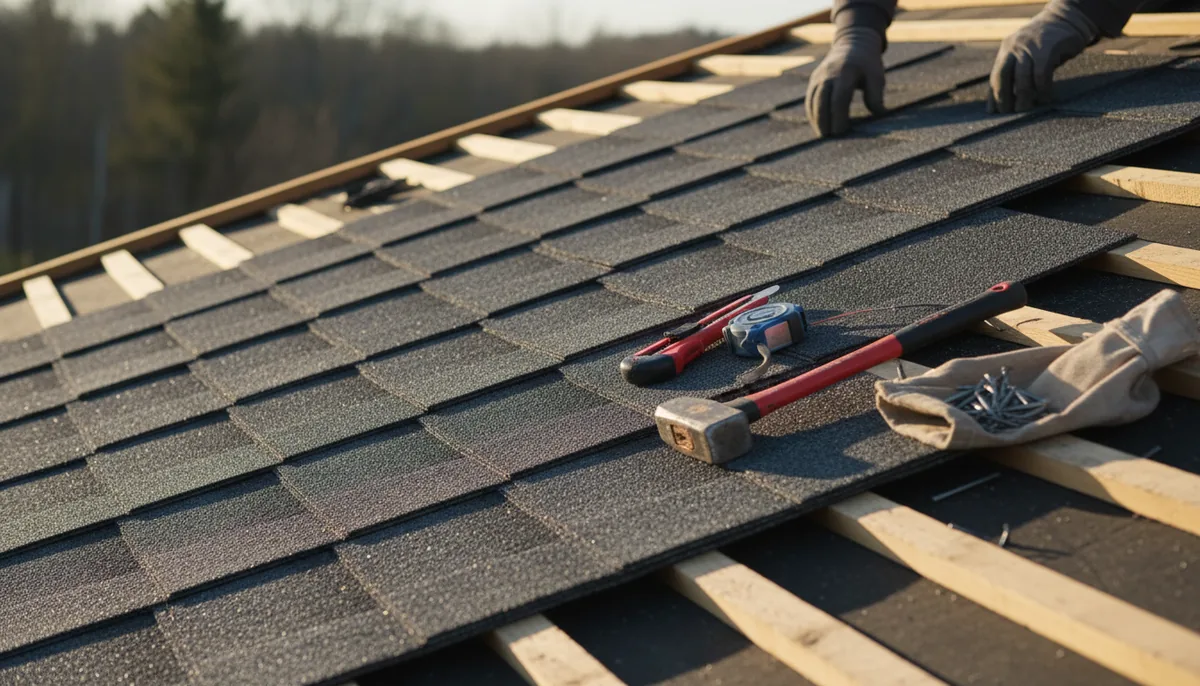
Compañías de roofing solicitando personal en florida: The Florida Guide
By Dale Prescott, Roofing contractor, Central Florida. Reviewed by Hal Winstead, Editor, licensed roofing contractor.
About one on a July afternoon in Sanford, I ran my hand under the bottom edge of a ridge cap and felt six nails poking throught the plywood. That roof was barely two years old. The homeowner found the crew through one of those pages that lists compañías de roofing solicitando personal en Florida, and now he wanted me to patch the ridge and keep his insurance company out of it. Instead of answering, I opened the roofing companies in Florida directory and showed him where the real questions start.
People type that Spanish phrase for different reasons. Some folks type it because they’re Spanish-speaking homeowners trying to find an honest roofer. Others type it because they’re looking for their next day’s work. I got into this trade twenty-two years ago with a hammer and a broken-down truck, and I know what a five-in-the-morning job lead feels like. I also know a roofing company is not a Facebook page. It is a license, a permit, a crew, and a pile of insurance paperwork. You don’t have to love the paperwork, but you have to respect it.
This post is not a list of my buddies. I’m Dale Prescott, I run tile and shingle crews between Orlando and the coast, and I’m not a lawyer or an adjuster. What I know is what pays on a hot roof: the company behind the ad matters more than the price on the estimate. The state gives you a way to check that company, and you should use it every single time.
If you typed “compañías de roofing solicitando personal en Florida,” you’re ahead of the game
“Solicitando personal” means “hiring personnel.” In roofing, I’ve seen that phrase mean two different things. One is a legitimate shop with more work than it's current crew can handle. The other is a crew mill that needs warm bodies and doesn’t want to answer questions. Call it what it is. The difference shows up early if you ask the right questions.
Ask for the roofing contractor license number first. Ask whose name goes on the permit. Ask wether the local building department will inspect the finished job. A good crew answers those before they earn a dollar. A bad one acts like you insulted their mother.
I’ll get my one gripe out of the way here: every summer, some guy in a polo shirt shows up after a storm and tells a homeowner their roof is destroyed before he’s even on the ladder. He is not a roofer. He is a sales route. The people who lose are the homeowners who sign before they search. The directory at the top is one way to start that search. The DBPR roll is the one I actualy trust, and it’s free.
The CCC and RC letters on a DBPR license are the first filter
Florida roofing contractors are licensed by the Department of Business and Professional Regulation. Go to the DBPR roll and search the business name. The license number will tell you more than the company’s logo ever will.
A certified roofing contractor’s number starts with CCC. That license can work anywhere in the state. A registered roofing contractor’s number starts with RC. That license only works in the local jurisdiction that issued it. Before I get in the truck, I look for the DBPR licence prefixes CCC and RC. Then I check that the number is active and that the name on the license matches the name on the estimate.
Now, the person swinging the hammer doesn’t have to be that licensed qualifier. If you’re hired as an employee doing labor under a licensed roofing contractor, you’re not the one signing permits. But the company offering the work has to have a qualifier, and you should know that name. You’re trusting it with your back.
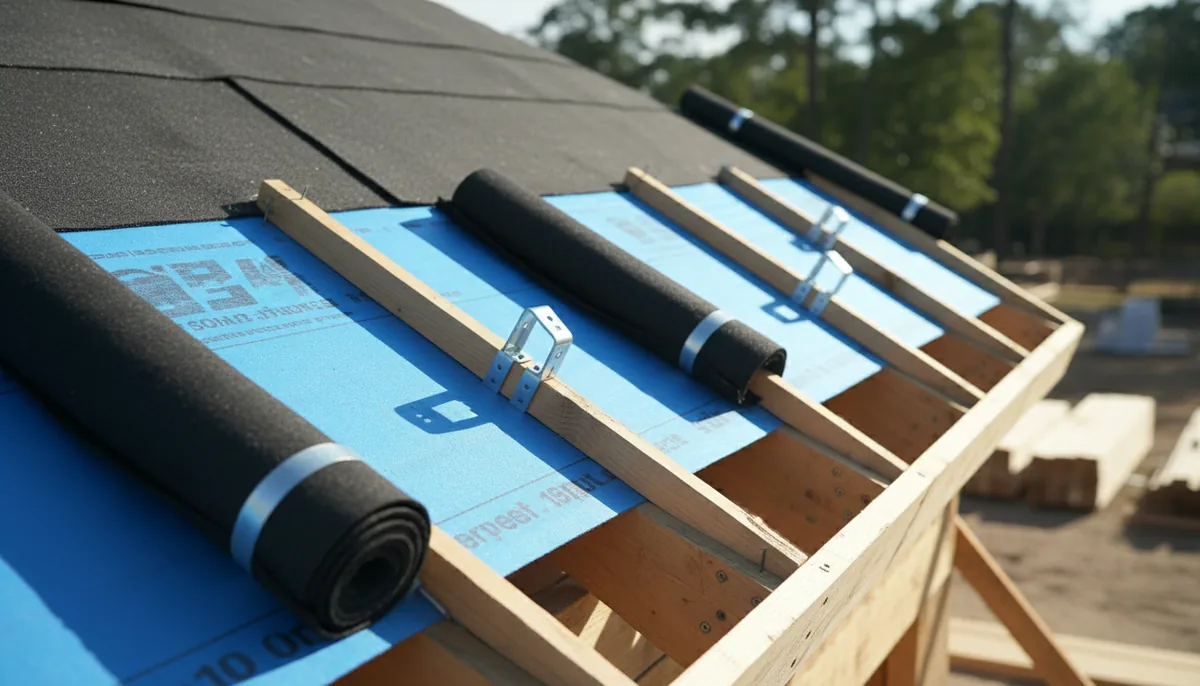
Permits, inspections, and the contractor who says to skip both
A roof replacement in Florida requires a permit pulled from the local building department. It also requires an inspection. Every time. That’s not the city being nosy. That’s the system catching the mistake I made at the end of a long day before it becomes your leak.
So if a contractor says he can do it cheaper without pulling a permit, walk away. Walk away slow, and take your wallet with you. The reason isn’t paperwork. The reason is record: no permit means no inspection, no inspection means nobody checked what’s under the shingles. I have torn off plenty of roofs where the “cheap repair” was just another layer of shingles over wet decking. The second price always depends on what is under there. Under there is often mold.
What I would actually do: call the local building department with the address and ask for permit history before I ever scheduled a tear-off. If I found unpermitted work, I would want to know before I priced the job.
Job seekers, this one matters to you too. If a company asks you to help install a roof without a permit, you’re not helping the customer. You’re absorbing a risk that belongs to the company. There are roofing jobs that pay less and let you sleep.
The 25% rule everyone still quotes, even after SB 4-D (2022)
You’re going to hear an old roofer or a smart sales guy say the words “25% rule.” I’ve quoted it myself more times than I can count. It came from the Florida Building Code: no more than 25% of a roof could be repaired or replaced in any 12-month period without bringing the whole roof up to current code. That sent alot of homeowners into full replacements they didn’t plan for.
Then SB 4-D (2022) changed it. If the roof was built, repaired, or replaced to the 2007 Florida Building Code or any later edition, only the portion being worked on has to meet current code. A full replacement is no longer automatically triggered.
The 2007 edition took effect on 1 March 2009, which matters. Roofs completed before that date generally do not qualify for the new rule. I have been wrong about this before, and I don’t own the final call. When the code question comes up, ask the local building official which edition applies to that address. Don’t let a guy with a tarp in his truck quote it as gospel.
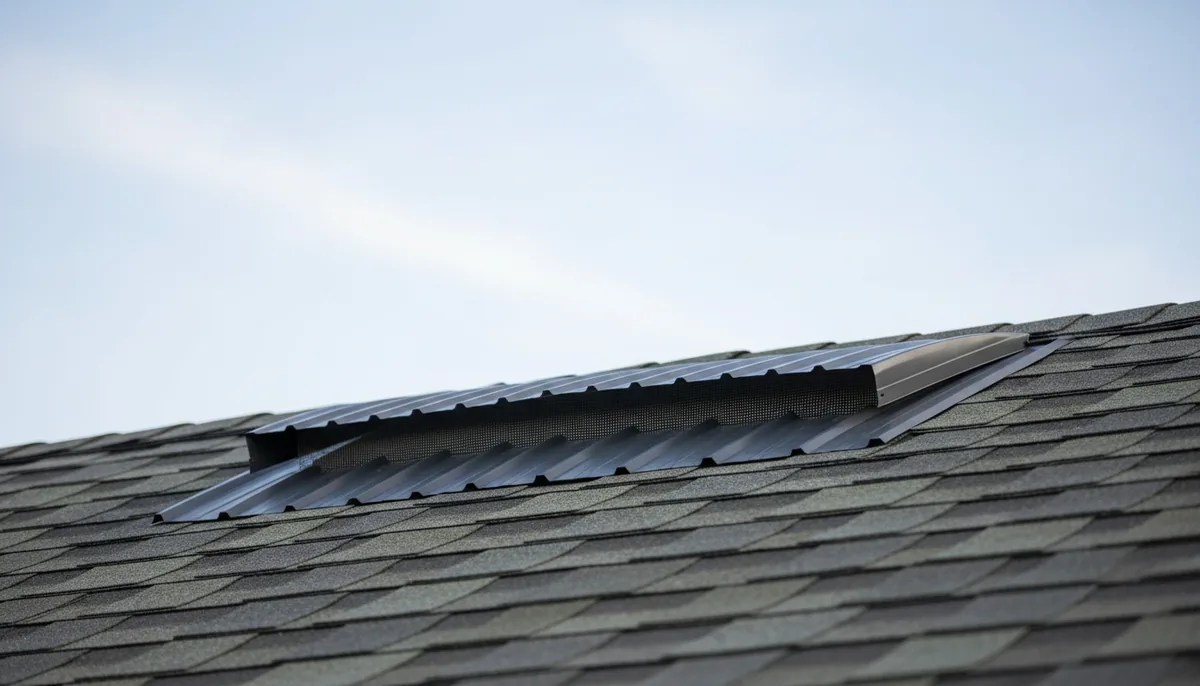
Wind mitigation: form OIR-B1-1802 and the discount hiding in your insurance bill
If you own a Florida house, this one can pay you back. A wind mitigation inspection documents the roof covering, roof deck attachment, roof-to-wall connection, roof geometry, secondary water resistance, and opening protection. All of that gets written onto the standard form: OIR-B1-1802.
Florida insurers must offer premium discounts for qualifying features. The inspection typically costs far less than the annual discount it can open up. I’m not saying your specific policy