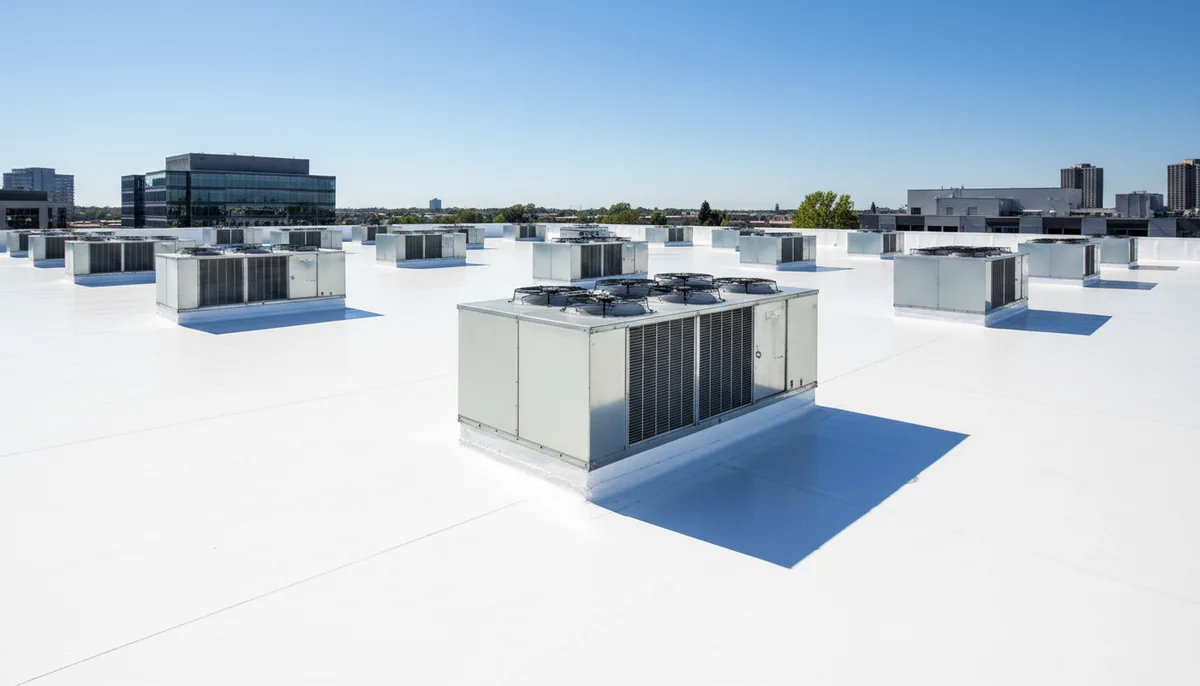
Commercial roofing north florida: The Florida Guide
By Dale Prescott, Roofing contractor, Central Florida. Reviewed by Hal Winstead, Editor, licensed roofing contractor.
That steel deck in Palatka looked fine at 9 a.m. By noon my boot punched through a rusted spot the size of a dinner plate, and we spent the afternoon cutting back two bays of decking on a roof that was supposed to get a coating. The building owner was furious mainly at the last roofer, who had painted over the rust and sent him a bill. That's the thing you only learn by tearing old work off: what a roof looks like from the top has little to do with what it does at the deck. If you're picking among commercial roofing companies in Florida, make them tell you how they'll check the deck—a new membrane over a rusted deck is just an expensive delay.
I've run tile and shingle crews between Orlando and the coast for twenty-two years. Commercial roofing north Florida has it's own rules. Low-slope roofs soak heat all day, there's no attic bubble to slow it, and when a serious storm moves in, uplift forces do things to metal that make you question your career. Call it a different trade from slapping shingles on a ranch house.
I'm not a lawyer and I'm not a licensed adjuster. I've been wrong before, and this post is not a substitute for your own policy or a building official. But I've torn off more storm-damaged roofs than I care to count, and I can tell you what questions actualy matter.
Commercial roofing north Florida is not a bigger shingle roof
Mechanically, it's the same sandwich: deck, underlayment or membrane, flashing. The expectations are different. A house roof keeps a few people dry. A commercial roof keeps twenty thousand dollars of inventory dry, along with the people who have to make payroll under it.
The big difference north of Orlando is the temprature swing and the pine needles and the way a north Florida thunderstorm can come sideways at 70 mph. So fastener pattern matters. The flashings matter. The pitch, give or take, matters less than how the edges are tied down. I'd rather see a flat commercial roof with clean edge metal than a fancy steep-slope church roof with nails in the wrong place. And don't get me started on the owners who park their trailer under the only pine on the lot and then blame me for the clogged drain.
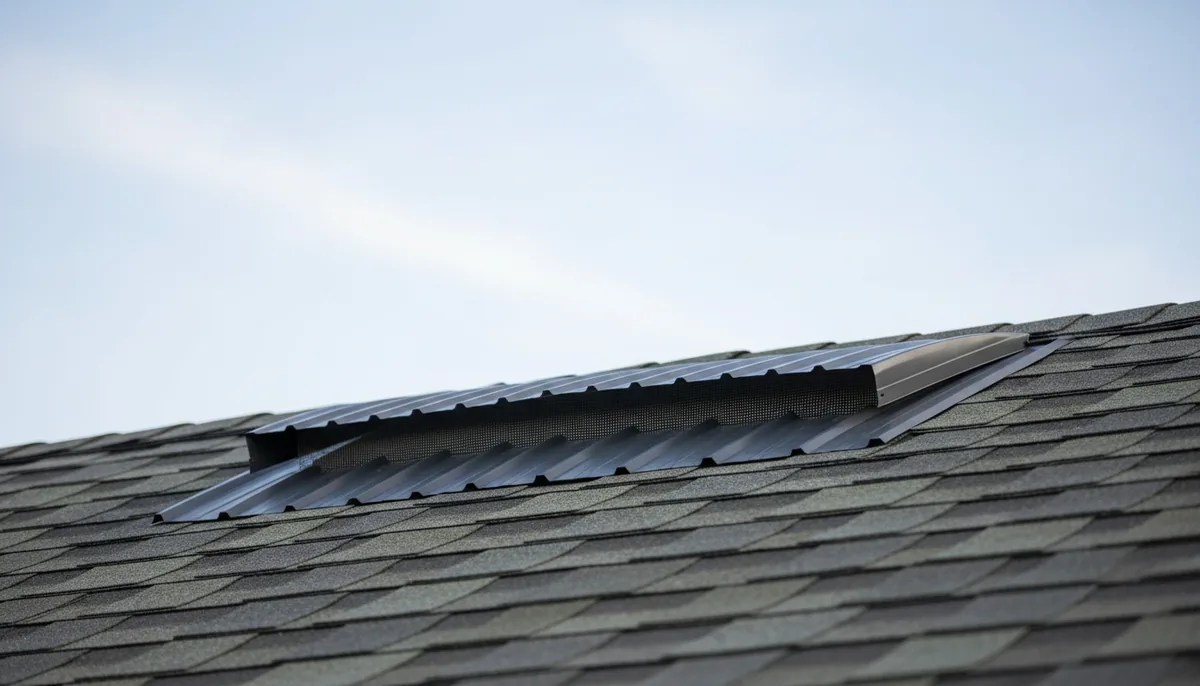
Show me a licence, not a business card
Florida roofing contractors get their licence from DBPR, and the system is simple once you know it. A certified contractor's licence starts with CCC and they can work anywhere in the state. A registered contractor's licence starts with RC and they are tied to the local jurisdiction that licensed them.
What I would actually do: Look up the licence number on the DBPR roll right in front of the guy. Active, with the right prefix, named exactly like the contract? Good. If it's an RC and the job is two counties away, that's not a little paperwork problem. That's the wrong roofer.
I have lost count of the out-of-town crews that show up after a hurricane with a card from someone else. Don't take their word. Don't take my word. Take thirty seconds and run the number.
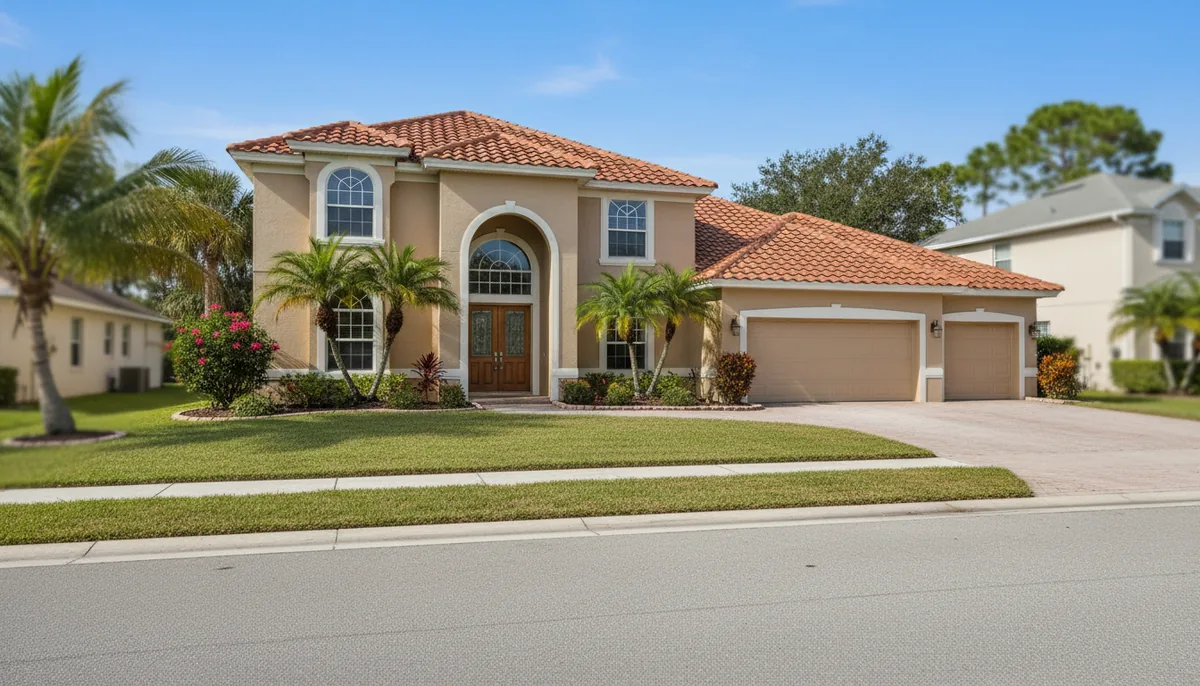
The permit office has saved my back before
A roof replacement in Florida requires a permit from the local building department and an inspection. Contractors who offer to skip it are doing you no favors. An unpermitted roof can complicate an insurance claim and a future sale, and it usually means no one ever looked at the fasteners or the deck before the warranty ran out.
I know, the permit office feels like an extra cost. Then the inspector finds the rake detail that pops in wind and saves you a headache in October. It's a feature, not a fine.
What I would actually do: Ask for the permit number before I hand over a deposit. Then I'd call the building department and make sure the inspection is on the schedual. No permit, no work. That simple.
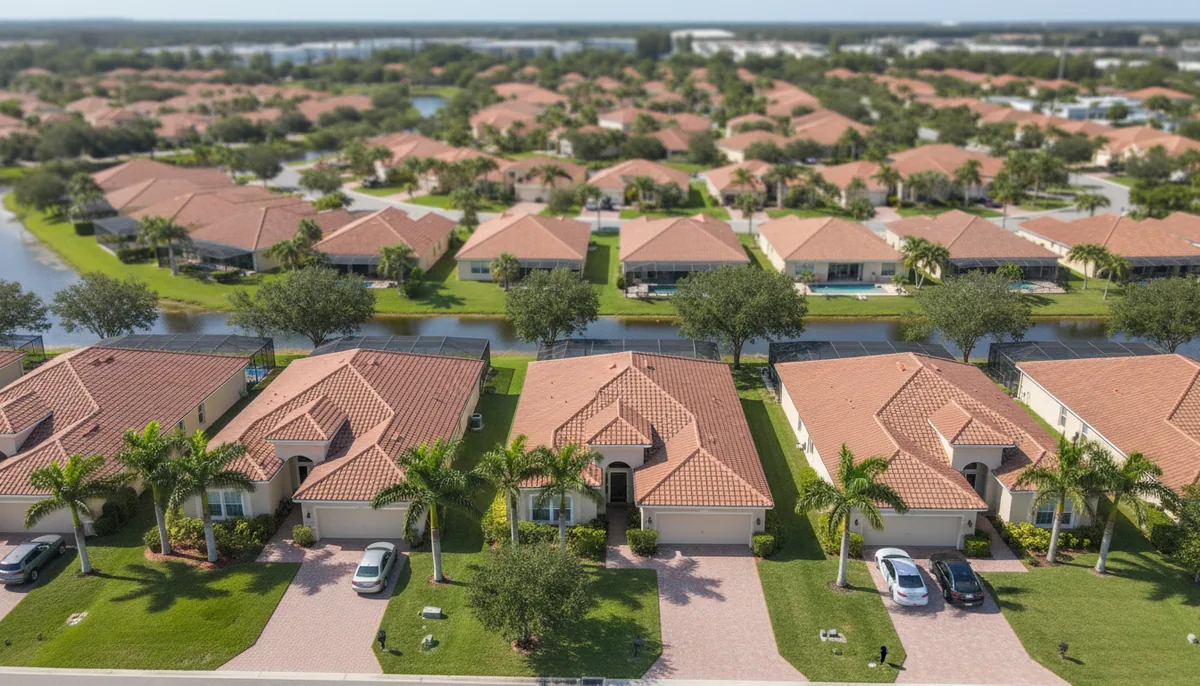
The old 25% rule is only half the story
Here comes the part people argue about. Florida used to have a rule that said you couldn't repair or replace more than 25% of a roof in twelve months without bringing the whole roof up to current code. That sent alot of building owners to full replacement, and a lot of them didn't need it.
Then SB 4-D (2022) changed the rule. If your roof was built, repaired, or replaced under the 2007 Florida Building Code or any later edition, only the part being worked on has to meet current code. Full replacement is no longer automatically triggered just because you pass a quarter of the roof. The 2007 code took effect on March 1, 2009, so older roofs generally don't get the break.
I don't decide that. The building official does. My job is to tell you what I found and let the permit office set the scope.
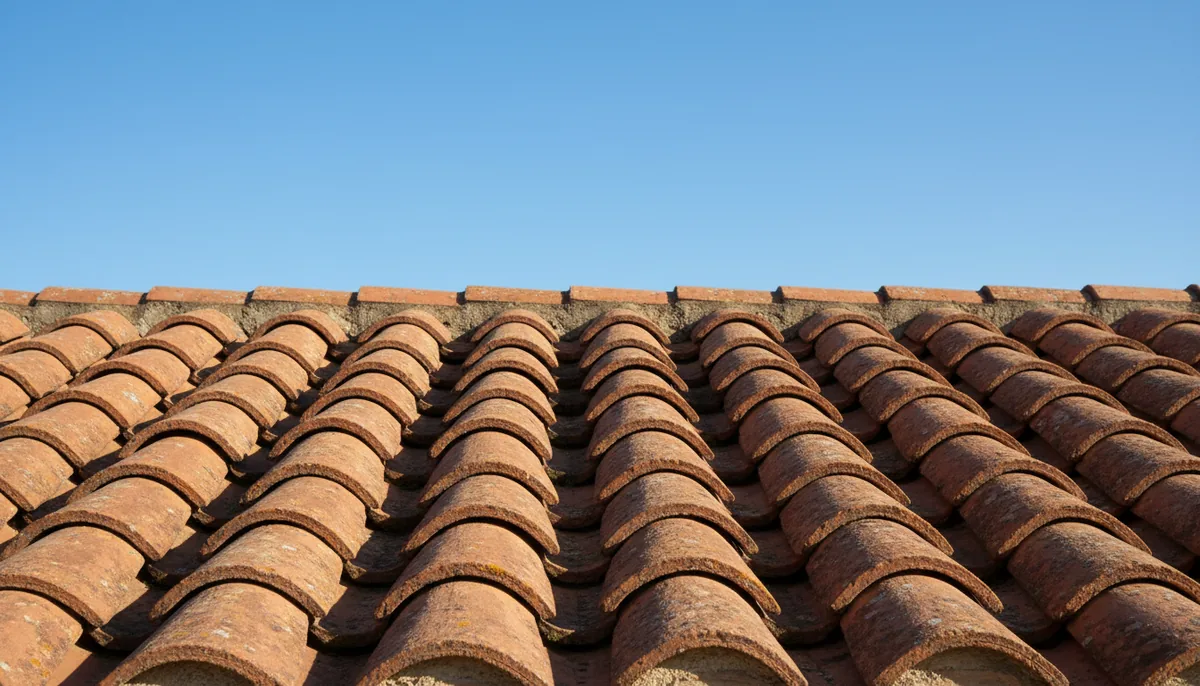
Wind mitigation discounts are money left on the table
Florida law requires insurers to offer a discount if your roof has features that make it stand up to wind. To get the discount, you need a wind mitigation inspection. That form is OIR-B1-1802. It documents the roof covering, roof deck attachment, roof-to-wall connection, roof geometry, secondary water resistance, and opening protection.
Do not assume your policy gives the same credit as your neighbor's. Insurance coverage varies by policy, so read your declarations page. Ask your agent which discount items they underwrite for. If they accept the OIR-B1-1802, the inspection can pay for itself in one season. Skip the roofer who tells you he can just "fill out the form" without looking under the old layers. I have been wrong about wind ratings before, but I know that.
Questions I get asked
Does my insurance policy cover this?
I can't answer that, and any roofer who answers it for you is guessing. Coverage varies by policy. Read your declarations page and talk to your agent before you sign anything, not after.
Should I replace the whole roof or just the leak?
I don't know until I open it up. If your roof was put down under the 2007 code or later, SB 4-D (2022) may let you repair only the damaged section. Older roofs can be a different story. Let the building department decide the scope with your contractor.
What does a permit actually cost?
Depends where in Florida and what the roof is. It's not the biggest line item in a commercial roofing north Florida job, but it buys an inspection that protects you.
How do I check a roofer's licence?
Search the DBPR roll for the number they give you. A certified licence starts with CCC and works statewide. A registered licence starts with RC and is limited to the local jurisdiction. If the number doesn't come back active, move on.
Why did my last roofer say my whole roof needed replacing?
Some honest roofers thought the old 25% rule forced a full replacement. Some dishonest roofers just wanted the bigger job. Under SB 4-D (2022), the answer depends on the code edition your roof was built to. Ask for the code cycle, not a sales pitch.