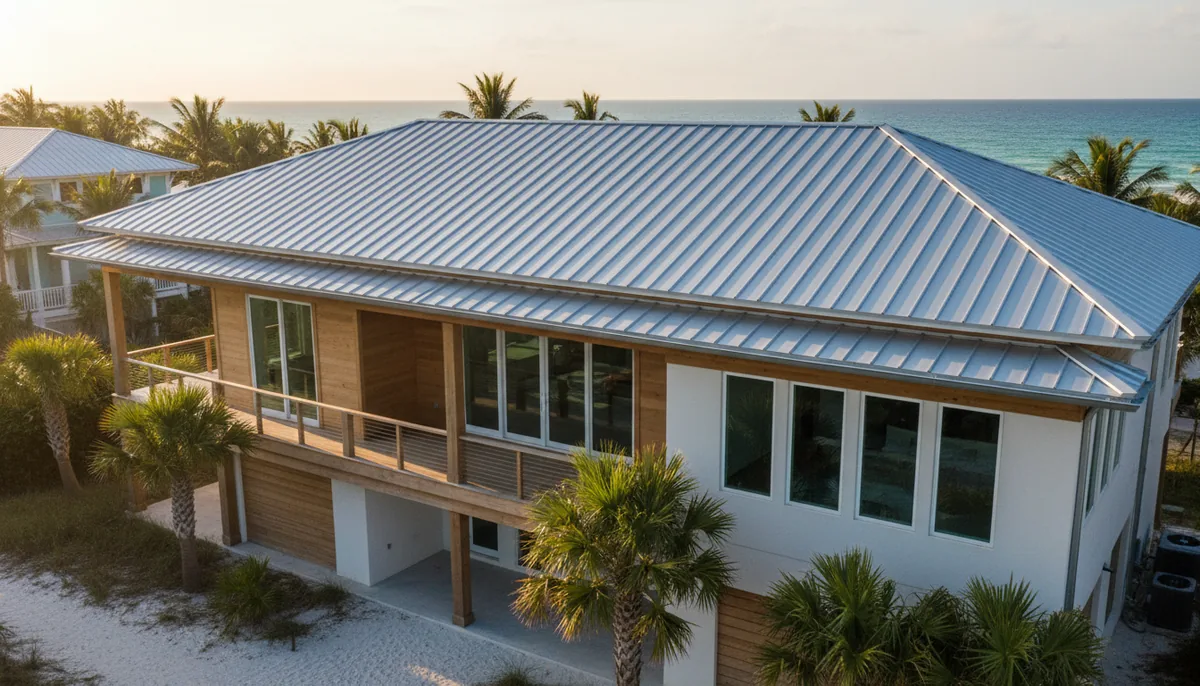
Compania de roofing en florida: The Florida Guide
By Marcy Doleman, Commercial roofing estimator. Reviewed by Hal Winstead, Editor, licensed roofing contractor.
Last March I was standing on a TPO roof in Ocala, watching a repair crew spread adhesive over a wet wood fiber deck. The membrane was the least of their problems. By 3 PM the patch had already delaminated — a pile of money bubbling up like a blister. That failed patch is why I tell people searching for roofing companies in Florida to hire someone who understands the substrate, not just the membrane. The roof is a system. If the deck underneath is wet or rotten, the new cover is just an expensive band-aid.
I'm Marcy Doleman, a commercial roofing estimator. I estimate flat and low-slope work — TPO, modified bitumen, coatings — for warehouses, retail plazas, and schools across Florida. My whole job is figuring out what's really up there before you spend six figures on a new roof.
What a good compania de roofing en Florida does first
The first thing I tell anyone is to check the two DBPR licence prefixes CCC and RC on the state's public roll. CCC means the roofer is certified to work anywhere in Florida. RC means they are registered to work only in the county that licensed them. I of seen an RC contractor from Duval County try to bid a school job in Polk County. It doesn't work that way. Verify the number is active before you let anyone on a ladder.
The roofing permit isn't optional
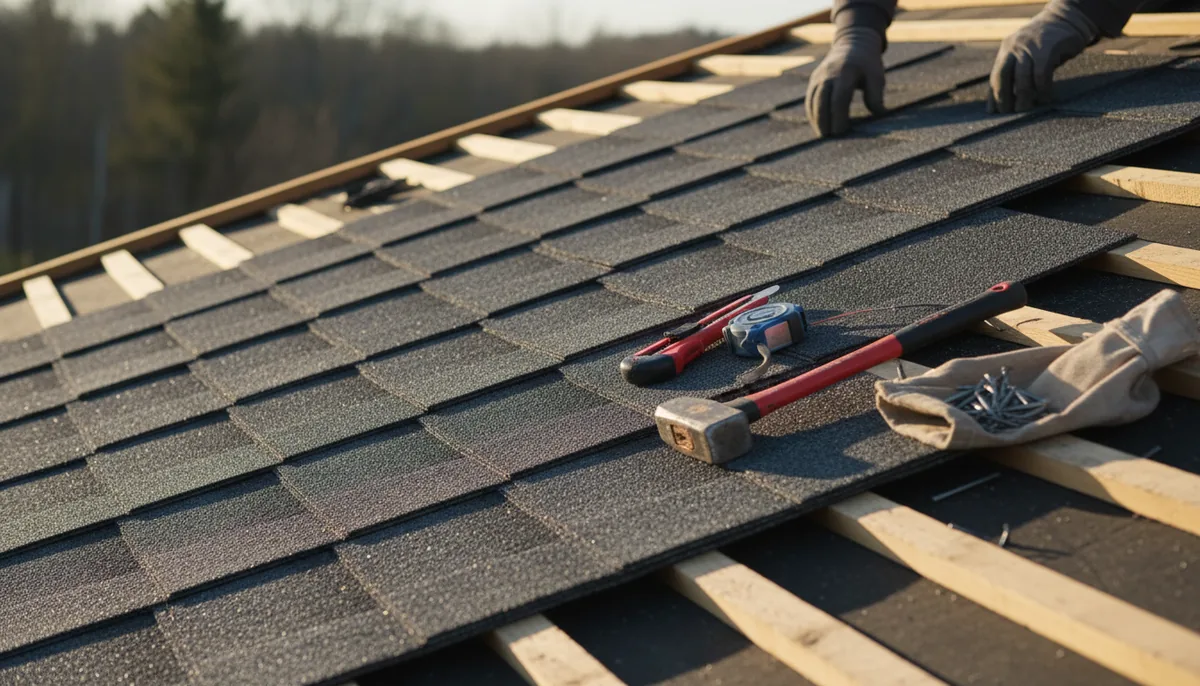
A roof replacement in Florida requires a permit pulled from the local building department, and an inspection. A contractor who offers to skip the permit is a contractor to walk away from. I don't care if it's a quick repair or a maintainance coating — if it ties into the deck or the flashing, it gets permitted. An unpermitted roof can complicate an insurance claim and it can absolutely torpedo a future sale. I have been wrong about this before, but not because of the permit. I once missed the building department's inspection deadline because I was up on another roof and watched my phone ring.
The old 25% rule changed, and that matters
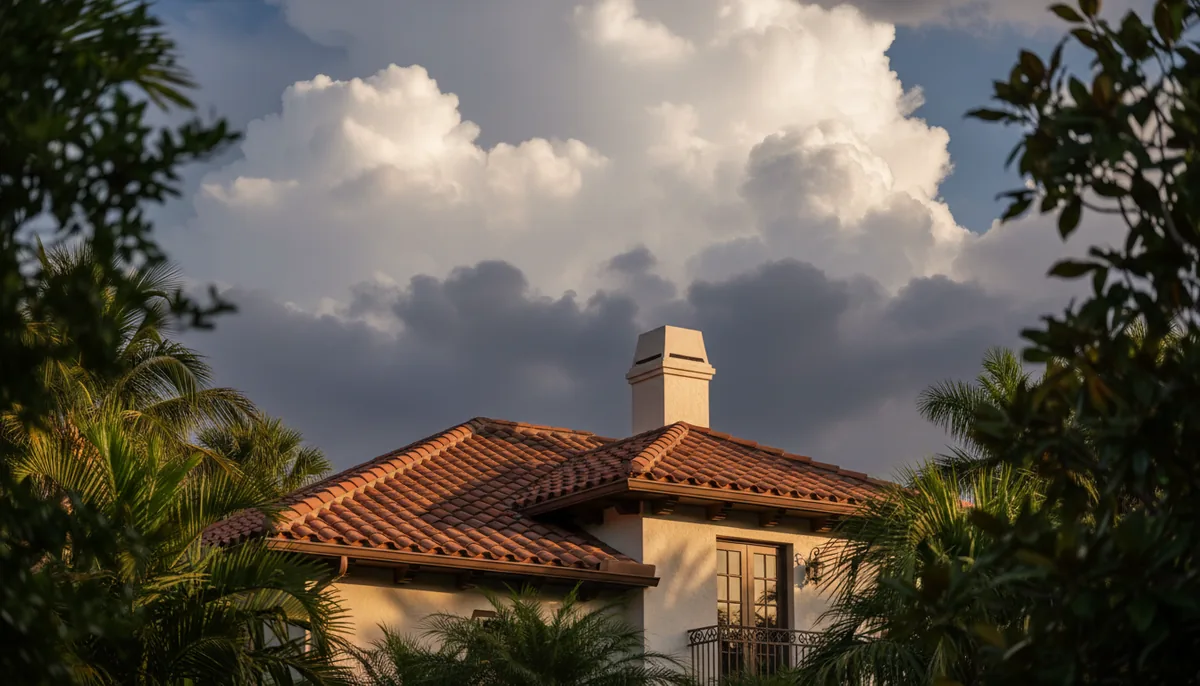
The Florida Building Code used to have a brutal trigger. If you repaired more than 25% of a roof in a 12-month period, you had to bring the entire roof up to code. That stopped alot of small repairs from ever happening. But SB 4-D (2022) changed the math. If the roof was built, repaired, or replaced under the 2007 Florida Building Code or any later edition, then only the portion being worked on has to meet current code. A full replacement is no longer automatically triggered. The 2007 code took effect on March 1, 2009. Older roofs can still get pulled into the old 25% rule. Depends on what the building department is having for breakfast that day, so call them before you write the first check.
Wind mitigation inspections are where the money hides
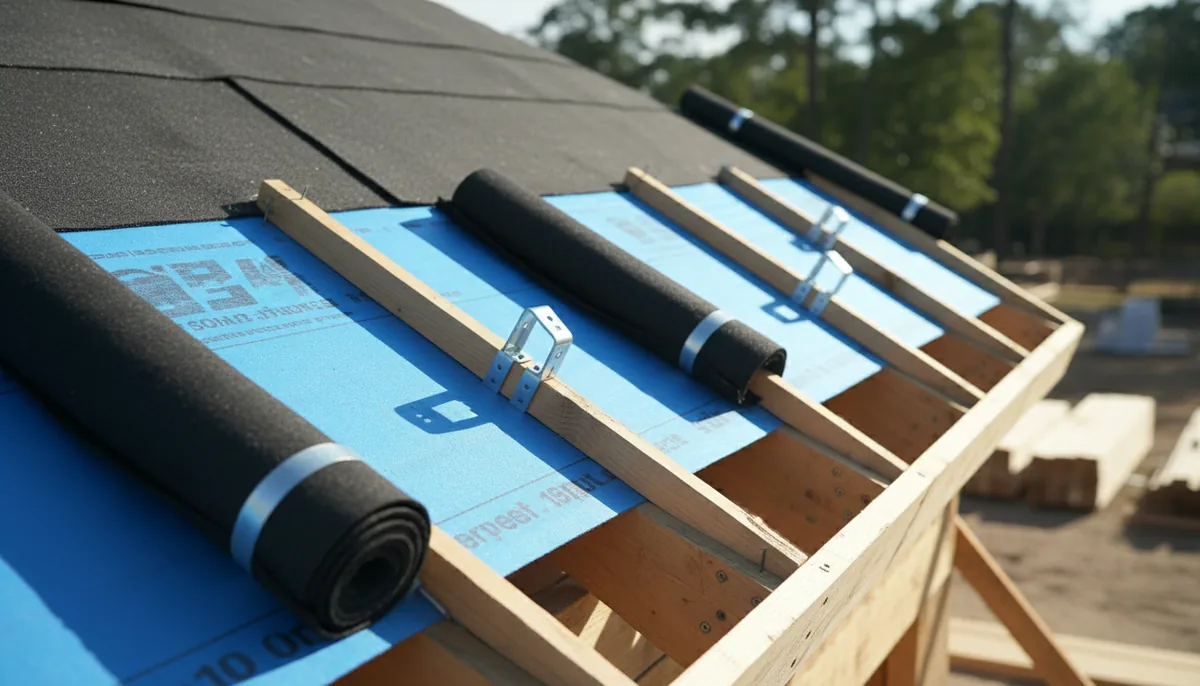
If you own a commercial building in Florida and haven't had a wind mitigation inspection, you might be sitting on a discount you don't know about. The inspection documents six things: roof covering, roof deck attachment, roof-to-wall connection, roof geometry, secondary water resistance, and opening protection. Florida insurers must offer premium discounts for qualifying features. The standard form is OIR-B1-1802. I can't tell you exactly what your policy will do, because coverage varies by policy — read the declarations page. But I've seen discounts from everyone including Citizens Property Insurance Corporation that made the inspection fee look like a rounding error.
What I would actually do: Before I authorize a tear-off, I cut test patches into the existing roof. Not just one. A single dry core can make a roof look perfect while the insulation two feet away is holding water like a sponge. Core samples cost nothing compared to the lawsuit you'll face if the new roof goes on over a rotten deck.
TPO, modified bitumen, or a coating over the old roof
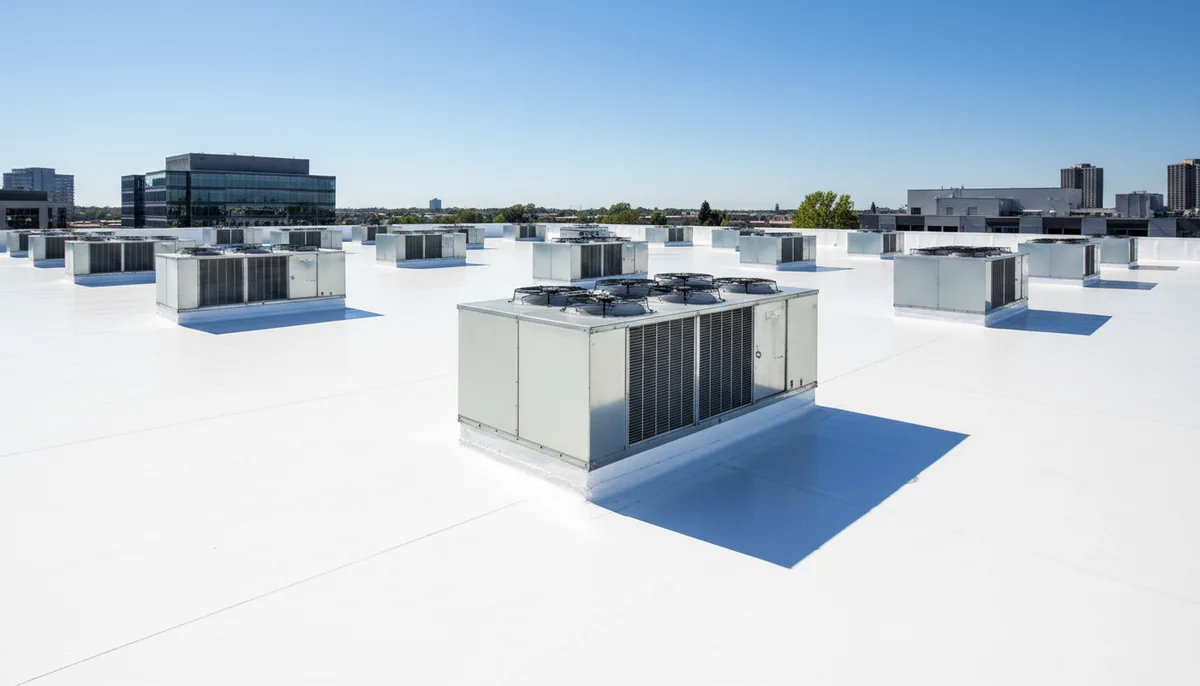
TPO is my default for big warehouses. Call it a solid all-arround choice for the Florida sun. It's light on the structure and lays down fast. Modified bitumen is a workhorse for retail plazas and schools where the roof takes constant foot traffic. It's tough, but it's dark, and it gets hot. Coatings are a different animal entirely. You can lay a silicone or acrylic coating over an existing metal or foam roof and buy yourself a decade, but the surface prep is everything. Dirt, old sealant, standing water — it will all find a way to ruin your coating. I estimate based on core samples because the last thing I want is to price a job over a deck that's rotten.
What I would actually do: If an adjuster tells you the roof deck is fine but the roofer says it's rotten, bring in a structural engineer before you sign the big check. The engineer's report costs a fraction of the replacement and it settles the argument with actual data. An estimate is an opinion. A deck replacement is a fact.
The stuff I can't unsee
A property manager in Jacksonville once argued with me that his roof wasn't leaking. We stood in a breakroom with four buckets catching brown water. He pointed up and said, "That's just condensation." The roof had a lake on it. I sent the drone up, showed him the lake, and he still argued. Some people just want to argue with the math.
Questions I get asked
Can I use a registered roofing contractor from another county?
No. An RC license is restricted to the local jurisdiction that issued it, so you need a local RC contractor or a licensed CCC contractor who can work statewide.
If I fix 25% of my roof, will the state force a full replacement?
Not if your roof was built to the 2007 Florida Building Code or later. SB 4-D (2022) changed the law so only the portion being worked on has to meet current code. If your roof is older than that, the previous 25% rule can still apply.
Do I need a permit for a small roof leak repair?
You need a permit if the repair goes beyond the membrane into the deck or flashing. Pulling one protects you and keeps the work inspectable. Skipping it can complicate an insurance claim and a future property sale.
What does a wind mitigation inspection cover?
It documents the roof covering, roof deck attachment, roof-to-wall connection, roof geometry, secondary water resistance, and opening protection. Florida insurers must offer premium discounts for qualifying features, and the standard inspection form is OIR-B1-1802.
Is TPO the best commercial roofing material for hot weather?
Not allways. TPO is excellent for heat reflection on flat warehouses, but modified bitumen handles foot traffic better. Coatings can stretch the life of an older metal or foam roof if the prep work is done right. The right answer depends on your exact building, your deck, and your maintenance crew.