
Concrete roofing installation in florida: The Florida Guide
By Dale Prescott, Roofing contractor, Central Florida. Reviewed by Hal Winstead, Editor, licensed roofing contractor.
About eleven years ago I climbed onto a concrete tile roof in Edgewater on a Tuesday afternoon that turned into a salvage operation. The roof looked fine from the road—mortar ridge was sharp, gutters were clean—then I put a hand on the parapet and felt the whole cap move. The crew before me had set cap tile with mortar onto rotten wood blocking and never flashed the roof-to-wall tie. We stripped that wall down to the deck before I trusted anything else on the house. When people ask me how to find a contractor who won’t hand them that same headache, I send them to a roofing companies in Florida directory and tell them to verify the licence before they ever talk price.
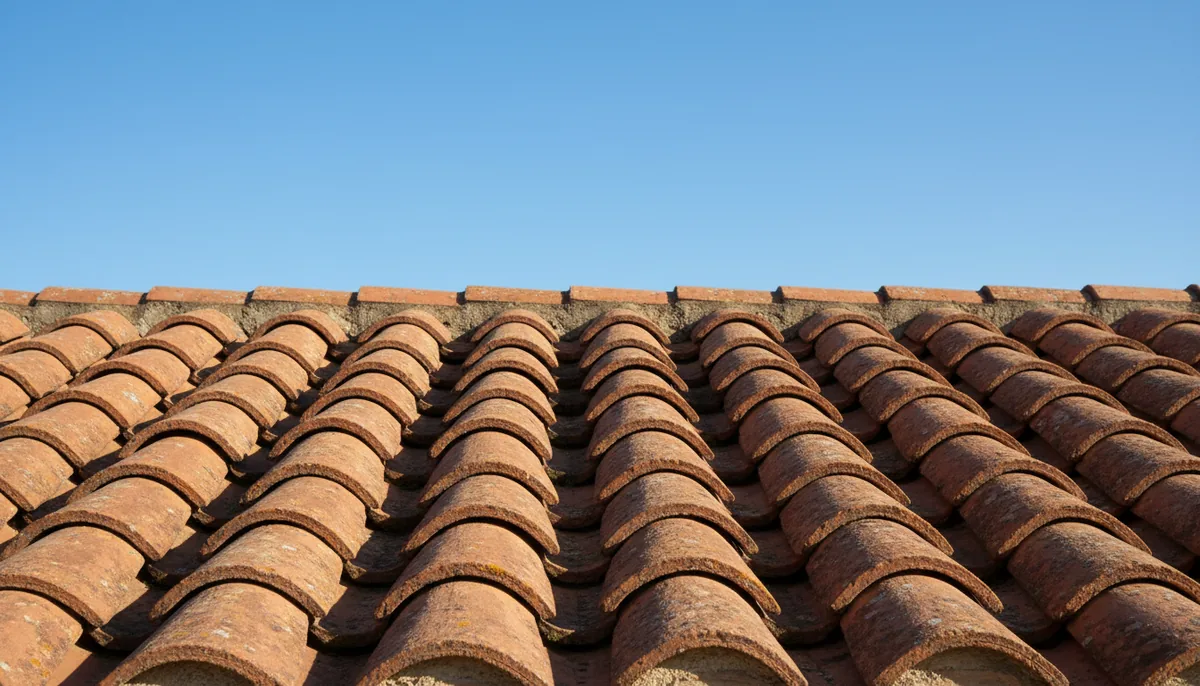
Concrete tile is a forgiving roof when it’s installed right. It handles heat, sheds water, and cracked pieces can be swapped without tearing off the whole slope. But concrete roofing installation in Florida is not a shingle job with bigger pieces. It’s heavier. The fasteners and flashing have to be correct before the first tile is set, because once that armor is on, the mistakes are hard to see and easy to blame.
I’ve torn off more storm-damaged roofs than I care to count in the last twenty-two years. The scariest ones are always the tile roofs that never actualy failed in a storm—they just hid rot for ten years until a storm found it. Before any of my crews set concrete tile on a replacement, I walk the attic with a flashlight and ask the homeowner where the old roof always looked suspicious. The tile is the last thing that matters. What’s underneath is what earns the callbacks.
Why Concrete Roofing Installation in Florida Is a Waterproofing Job
People hear “concrete roof” and picture somebody stacking barrel tile in the sun. It’s not that. Concrete roofing installation in Florida starts with a structural check and ends with a hundred small decisions about water. The tile is armor; the waterproofing is everything below it.
Before any concrete tile goes down, I walk the deck. I look at where trusses bear, where old plumbing jacks have been moved, and wether the plywood has a soft spot near the eaves. Depends what is under there. On a tear-off, I study the old underlayment’s history—every wrinkle, every patch, every place a previous roofer thought nobody would ever look.
I of been wrong about this before. I once looked at a deck that seemed solid until I stepped on a low spot and heard drywood termites before I felt them. After that, I stopped trusting my eyes and started carrying a small pry bar. The sound a deck makes when you tap it tells you more than the surface ever will.
And yes, I have a running argument with central Florida summer afternoons. The sky can be clear at eight in the morning, and by one o’clock a cell is parked over an open roof deck. That’s why the wheather-days line in a concrete tile contract is not optional. A wet underlayment has to dry before you close it up, and no schedule can rush it.
A contractor who treats the tile as the roof is going to get my phone call in three years. The roof is an assembly. The tile is just the part you see from the street.
Permits, Roof Inspections, and the Rule Everyone Misquotes
Somebody has to pull a permit from the local building department before a roof replacement in Florida begins. Then somebody has to be there for the inspection. That isn’t red tape. That’s the paper trail that protects you when a storm comes through. An unpermitted roof can complicate an insurance claim and can show up again at the closing table. A contractor who offers to skip the permit is telling you they’d rather make both of those harder. Walk away.
The old rule said no more than 25 percent of a roof could be repaired or replaced in any 12-month period without bringing the whole roof up to current code. For years that made honest repairs almost impossible on concrete tile roofs. Then SB 4-D (2022) changed it. If your roof was built, repaired, or replaced under the building code edition that took effect in March 2009, or any later edition, then only the portion being worked on has to meet the current code. A repair no longer automatically forces a full replacement. If the roof is older, the building department gets a vote.
I’m not a lawyer, and I don’t play one on a ladder. But I have learned the hard way to ask the local building department what a roof’s age triggers before I bid a repair. Nobody wants to quote a small repair and then get a stop-work order because the whole roof has to come off.
What I would actually do: Before I signed a repair contract on an older concrete roof, I would call the local building department and ask whether that roof’s age triggers a full replacement under the current code. Then I