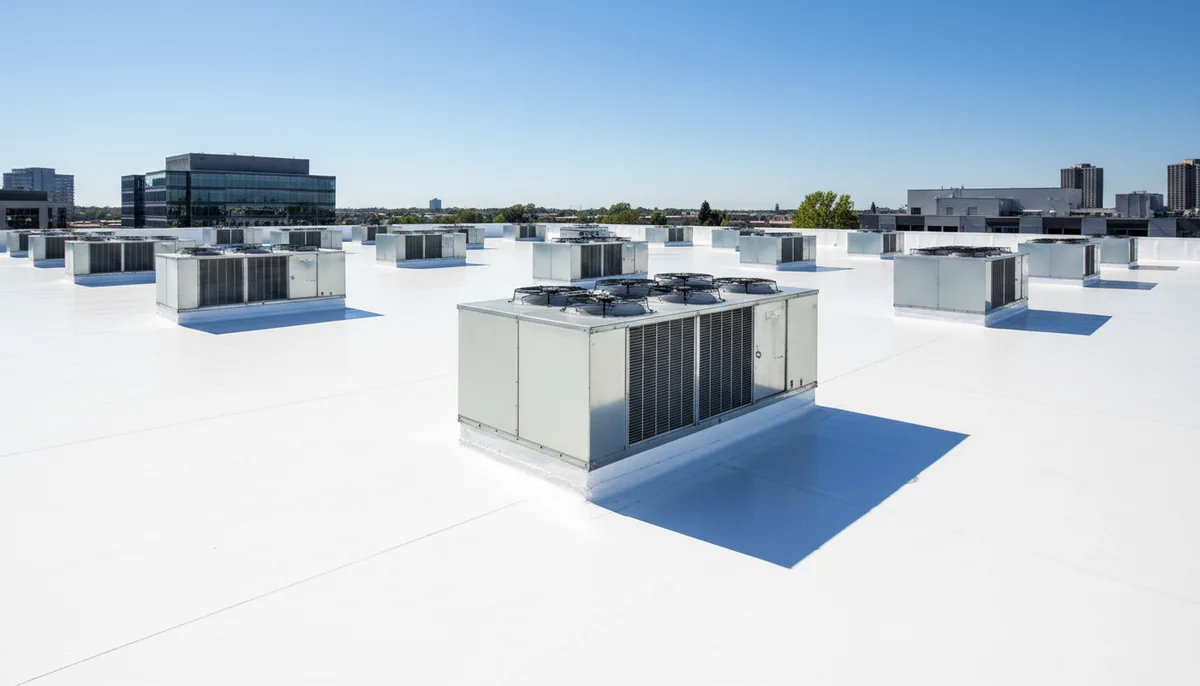
Florida roof styles: The Florida Guide
By Marcy Doleman, Commercial roofing estimator. Reviewed by Hal Winstead, Editor, licensed roofing contractor.
That afternoon in Fort Myers I was standing on a warehouse roof, checking a re-cover spec for an old modified bitumen system after a hard week of thunderstorms. The property manager pointed at a low spot full of ponding water and asked, “Can’t we just spray a coating over that?” We cut a test patch. Wet fiberboard, two blisters, and fasteners that came out in my palm. I’ve been wrong about this before, but coating over a wet substrate just buys you a delay, not a fix. If you’re starting a search for someone who will do the investigation instead of the guess, the practical first click is a directory like roofing companies in Florida, where licences get checked against the DBPR roll.
Most of my life, right now, is spent on low-slope roofs from Pensacola to the Keys. So when people ask me about Florida roof styles, I don’t start with colors. I start with pitch. Wether a roof is flat, low-slope, or steep determines the materials, the price, the permit, and the insurance discount. A house with a steep asphalt shingle roof and a school with a flat TPO roof are both shedding water, but they follow completely different rules.
I’m not a lawyer or a licensed adjuster. I measure roofs and pull test cuts, and the only thing I’m licensed to do is tell you what I would and wouldn’t bid. The state rules below are the ones sitting on my desk right now, and they apply no matter which roof style you own.
Florida roof styles are split by pitch
True flat roofs don’t drain. I say that because people forget it. What we call flat in Florida actually has a slight slope built into the insulation or the deck, usually a 1/4-inch or 1/8-inch per foot, just enough to move water toward a drain or scupper. Low-slope means anything under about 2/12, which is still walkable for an experienced roofer. Steep slope is above 2/12 — that’s where shingle, tile, and metal start making sense.
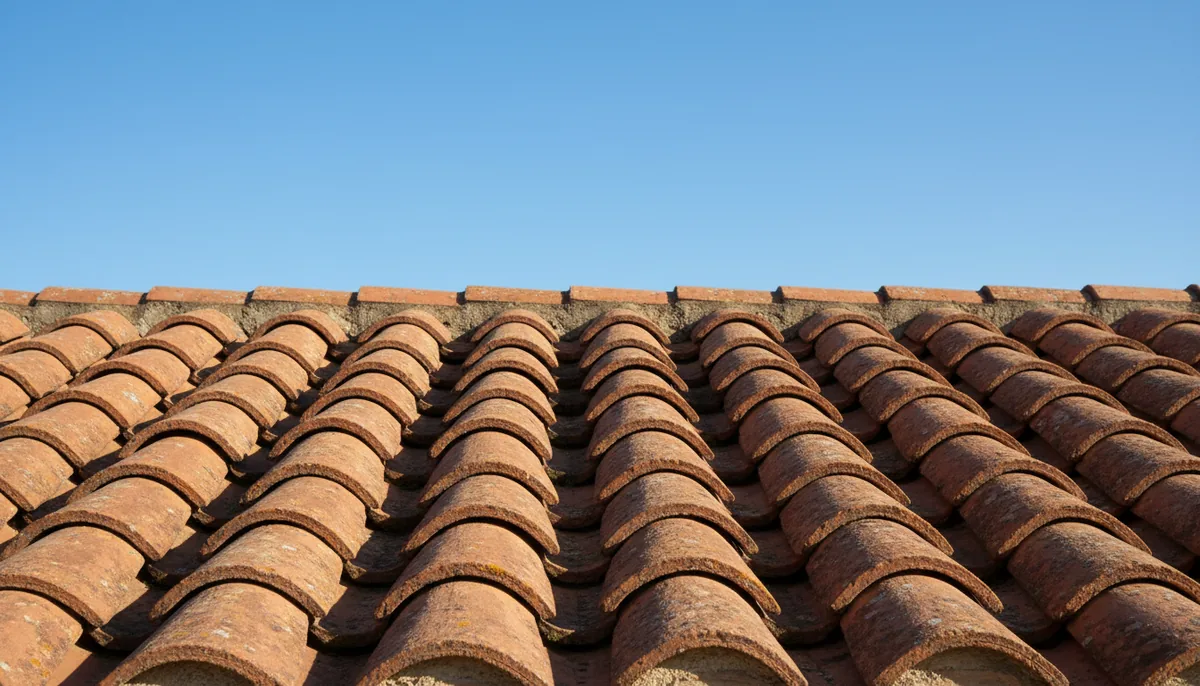
The commercial Florida roof styles you’ll see on warehouses, retail plazas, and schools are almost all in that low-slope category. TPO and modified bitumen dominate. Coatings show up when someone wants to stretch an existing roof another decade. On the steep side, Florida roof styles include concrete or clay barrel tile, which is heavy, and standing-seam metal, which is lighter but noisier in a hailstorm. I don’t price many of those, but I see them on the strip shop buildings that used to be anything else.
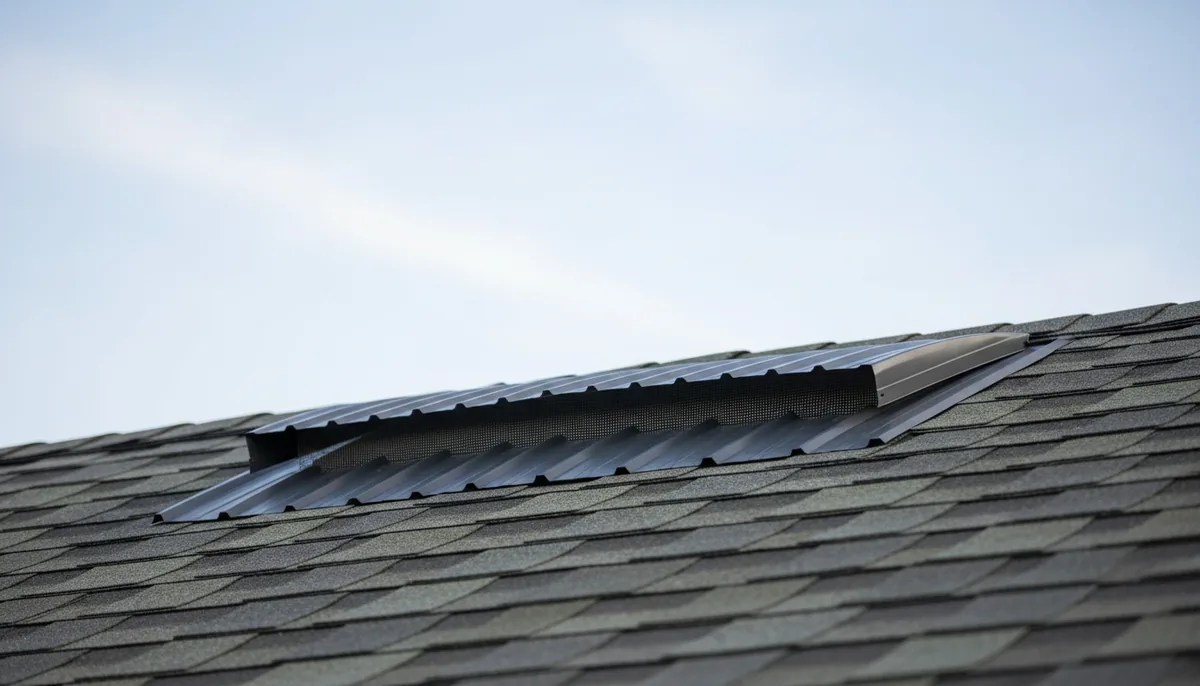
The Florida roof styles I price daily: TPO, modified bitumen, and coatings
TPO is the white membrane you see on newer warehouses. It comes in big rolls, the seams are welded with a hot air machine, and it reflects sun better than dark roofs, which helps the air conditioning bill. TPO is my default for schools because it’s easy to detail around the curbs and pipes that litter a school roof.
Modified bitumen is the older, darker cousin. It’s built like a series of layers, often with fiberglass or polyester reinforcement, and the top layer is usually granulated like a shingle. It’s tough against punctures and hot asphalt, so you see it on alot of 1990s-era retail plazas. The problem with modified bitumen in Florida is heat. It gets so hot on a July afternoon that your boots leave marks, and the membrane degrades faster than white TPO unless it’s coated.
Honestley, on the commercial side, I’d call modern TPO the value pick and good modified bitumen the toughness pick. Each has a place, and the brand name matters less than who’s running the seams.
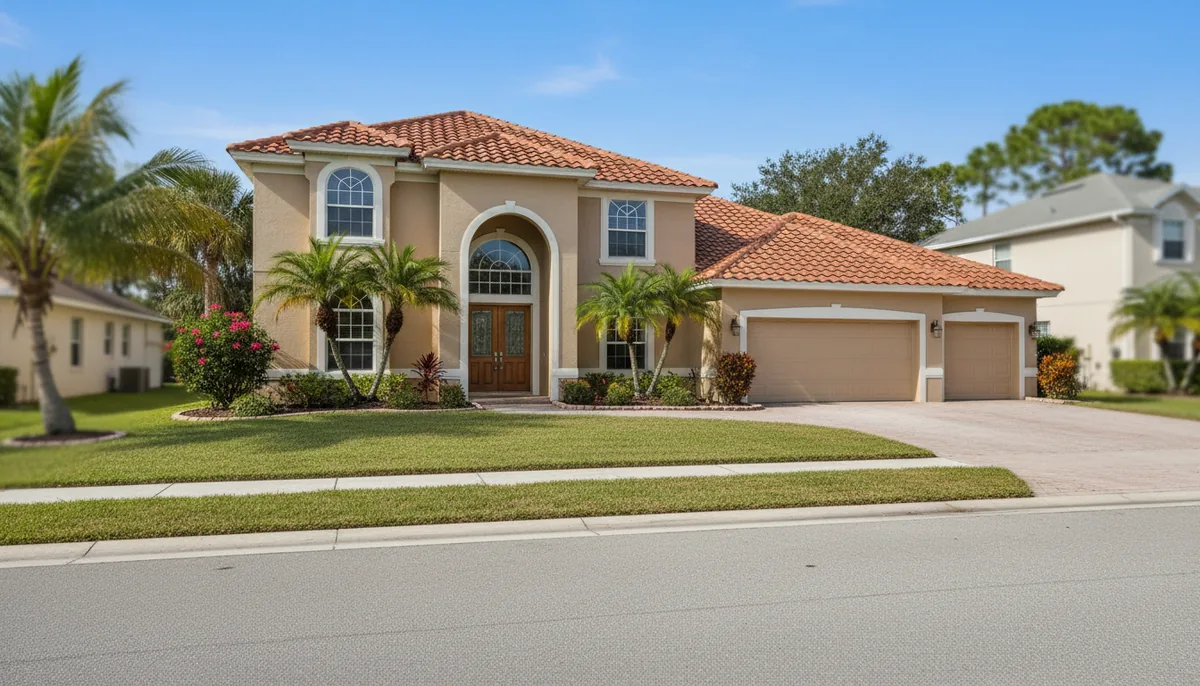
The coating temptation: when saving half the price costs you double
Every other phone call I get starts with someone saying their roof is leaking and they heard a coating can fix it. Look, I’ve bid hundreds of coating jobs in Florida. Silicone and acrylic coatings do a real job over a sound membrane. They can buy you five to ten good years, and for a tight budget that can be the difference between keeping and selling the building.
But here’s the part that never makes it into the brochure: if the substrate is wet, coating is just a band-aid with a Michelin star. I cut test patches for a living. That’s the boring thing I do that prevents the expensive phone call eighteen months later.
One customer walked a roof with me in running shoes, stepped on a soft spot, and said, “My cousin checked that, it’s fine.” His cousin was the same guy who had measured the roof by counting his paces and declared it fourteen squares. My tape and I measured twenty-one and a half. That roof needed a deck repair before it needed a coating. We quoted accordingly, and he hired someone cheaper. That same spring, I was back on that building quoting the full replacement.
In a coastal climate, ponding water is the enemy of every coating. Water sits on a coating, and ultraviolet and algae don’t matter nearly as much as the water itself. So if I see blisters, alligatoring, or wet insulation, I’m not going to recomend a coating no matter how good the price is.
What I would actually do: Cut at least one test patch per roof elevation and check the existing membrane’s thickness with a pin gauge. Take a moisture meter over the deck and look for high readings around every drain and parapet. If there’s one thing I’ve learned in twenty years, it’s that the leak you can see is rarely the leak that matters.
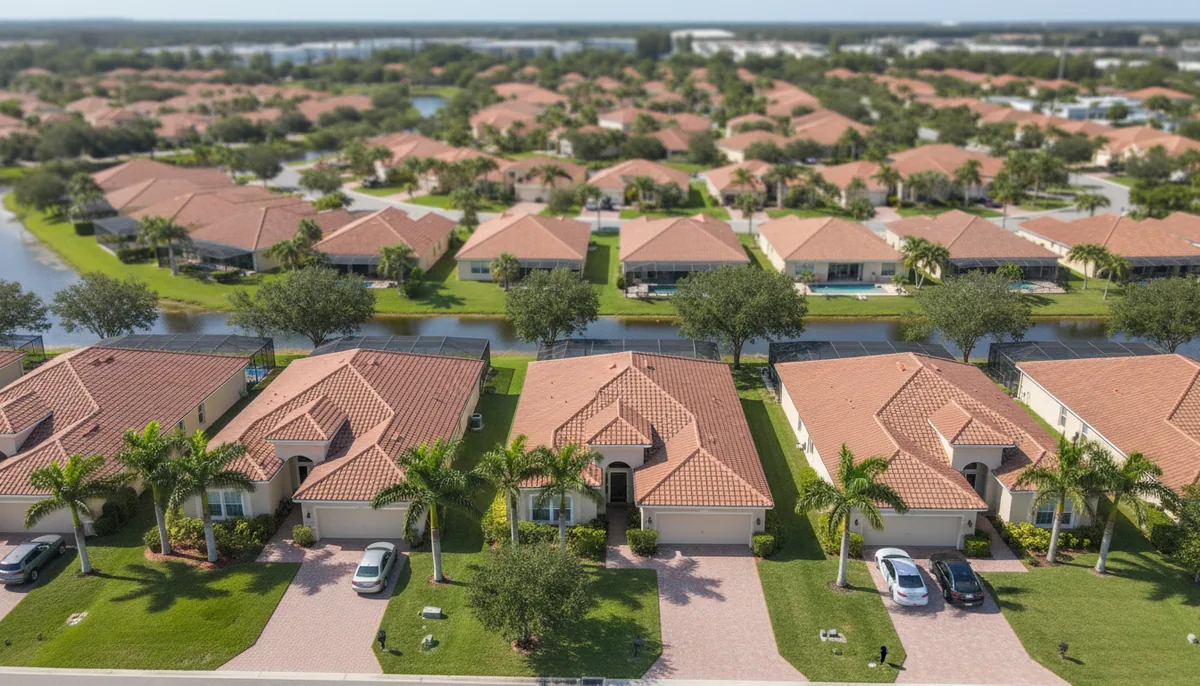
What SB 4-D changed about the old 25% rule
If you own an older building, you’ve probably heard the phrase “25% rule” from your roofer. Florida’s building code used to say that repairing or replacing more than a quarter of a roof in any 12-month period forced the whole roof up to current code. That made a lot of owners limp along with patches. Then SB 4-D (2022) changed it.
Under the new reading, if your roof was built, repaired, or replaced to the 2007 Florida Building Code or any later edition — which generally means any roof completed after 1 March 2009 — then only the portion you’re actually working on has to meet the current code. The rest of the roof can keep it's old rating. That’s a huge difference for a warehouse that just needs a new front edge and not a full teardown.
However, your roof has to qualify by date. If a roof went on before the 2007 edition took effect, the old full-upgrade rule normally still applies. And even on a qualifying roof, the local building inspector gets to define “the portion.” I’ve seen an inspector accept a 200-foot-long leaking area as one portion, and another insist that a single tear on one membrane panel means the whole row has to go. That’s why I always check with the building department before I write an estimate, not after.
A wind mitigation inspection can pay for itself
No matter which Florida roof style you own, this inspection is worth a look. A wind mitigation inspection is not a repair or a retrofit. It documents the wind-resistant features that are already on your roof, and it uses a standard state form, OIR-B1-1802. The inspector records the roof covering type, how the roof deck is attached to the framing, how the roof wall is connected to the floor below it, the roof’s shape (gable, hip, flat), whether there’s a secondary water barrier, and whether your windows and doors have impact protection.
Florida insurers are required to offer premium discounts for qualifying wind mitigation features. That requirement comes through Florida Statute 627.70132, and it applies to policies from private carriers and from the state-backed Citizens Property Insurance Corporation. I’m not going to tell you your specific policy will drop a certain amount, because coverage varies by policy and by carrier. Read your declarations page and ask your agent. But on a commercial warehouse, the annual discount is often larger than the one-time cost of the inspection. I’ve seen that happen so many times that I include the inspection line item on every TPO spec I write.
Homeowners have their own route, too. The My Safe Florida Home program has been the well-known path toward mitigation grants for houses. I’m a commercial guy and I don’t want to pretend to be your grant advisor, but it’s worth knowing the name.
Check the DBPR licence and the permit before you hire
Do not hire a roofer before you verify the licence number on the DBPR roll. Florida roofing contractors are licensed by the Department of Business and Professional Regulation. A CERTIFIED roofing contractor’s licence starts with CCC and they can work anywhere in the state. A REGISTERED roofing contractor’s licence starts with RC and they’re limited to the local jurisdiction that licensed them. That’s a fact that has saved more than one owner from a traveling sales crew.
Roof replacement in Florida needs a permit from your local building department, and it needs an inspection when the work is done. Any contractor who offers to skip the permit is telling you to skip the protection. I’ve seen an unpermitted roof hold up an insurance claim and then a sale. It isn’t worth the small amount of money you think you’re saving.
What I would actually do: Ask for a copy of the contractor’s DBPR licence before anyone climbs a ladder. Time it takes: thirty seconds. Then call the local building department and ask them what they require for a re-cover versus a replacement. That phone call has caught more than one bad surprise.
Questions I get asked
How long should a TPO roof last in Florida?
TPO systems last a couple of decades if they’re installed with enough insulation and the seams are done right. Sun is brutal, but the white membrane reflects a lot of it. I’ve inspected TPO roofs from the 2000s that are still in good shape, and some newer ones that failed because the roof deck wasn’t dry before installation.
Is a coating ever a real option instead of replacement?
Yes, when the existing membrane is sound and the moisture is out. I’ve coated modified bitumen roofs with fifteen years of service left in the membrane. But you have to be brutally honest about what’s under the coating. If in doubt, cut a patch.
Do I need a new roof to sell my building?
Not automatically. The buyer’s inspector will flag it, and the bank might require a certificate for a wind mitigation inspection. But there’s no law that says every old roof must be replaced before a sale. What a sale requires is disclosure of known defects, plus a permit history that holds up.
What does a roof replacement cost per square?
It’s priced per square — that’s a 10-foot by 10-foot area, or 100 square feet. Prices depend on pitch, access, deck condition, insulation, and the membrane you choose. I won’t fake a number here because I’ve been wrong about this before without a site visit.
Is it hard to get a permit in Florida?
It can be, if the building department wants to see wind calculations. That’s a good thing. Bring your plans, a site plan showing the roof slope, and the active licence number. The inspector is checking that your roof will stay on the building in a storm, not whether he likes your color.