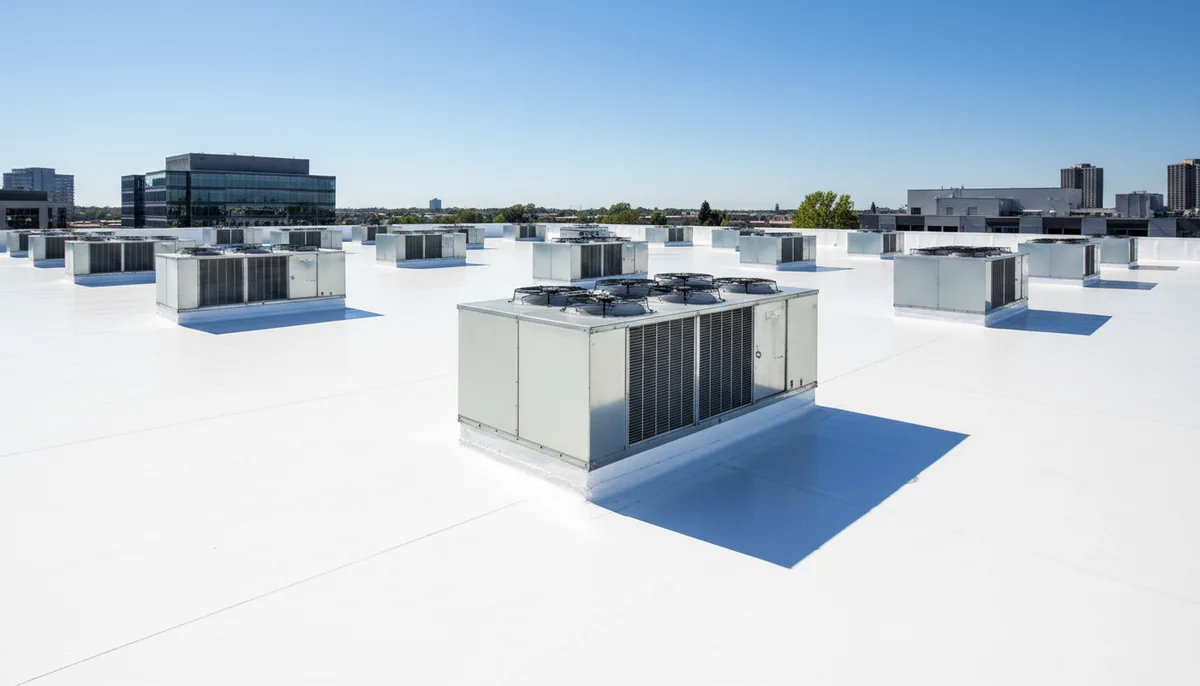
Benefits of a metal roof in florida: The Florida Guide
By Dale Prescott, Roofing contractor, Central Florida. Reviewed by Hal Winstead, Editor, licensed roofing contractor.
I remember the afternoon we tore the last of that old tile roof off a house in DeLand, back in 2017. The homeowner had called us because the tile was fine, but the felt underneath was shot—the decking was wet and rotting right along the soffits, and when we started pulling tile, we found where a leak had been running behind the fascia for so long that the wood crumbled in my hand like sand. It wasn't the storm that season that got him. It was the storm three seasons earlier that he'd patched. Tile is heavy and pretty. It hides what is happening under it until the whole thing is a problem.
I tell that story alot when people ask me about the metal roofing companies in Florida. Because the truth about roofing down here is that the sun and the wind are always working against you, and what you can't see will cost you. I've been running tile and shingle crews between Orlando and the coast for twenty-two years, and I have torn off more storm-damaged roofs than I care to count. Metal is not a magic bullet. But it answers a lot of the specific dumb things Florida does to a roof.
The first thing you should know is that I'm not here to sell you a roof today. I'm here to explain how metal behaves in this climate and where it makes sense. The second thing is that I have been wrong about this before. The wind does weird stuff.
What a metal roof actually costs in Florida
Metal roofing in Florida is priced per square. That means per hundred square feet of roof. Call it double or a little more than what you'd pay for architectural shingles, give or take. But that number is only the begining, because what is under the metal matters more than the metal itself. A standing seam roof on a properly decked cavity with a good underlayment is a different animal than corrugated panels slapped over old shingles.
I watch homeowners make the mistake of comparing the sticker price per square without thinking about the lifetime cost. Shingles around here last maybe fifteen to twenty years if you're lucky and the tree branches are trimmed. The sun cooks them. Moss grows on them in the shade. By year twelve, a serious storm can turn a decent roof into a problem. And when you replace shingles in Florida, the old ones have to go somewhere. We fill dumpsters. We pay disposal fees. We do this all over again in two decades.
Metal sits up there differently. The sun beats on it, sure. But a good painted metal panel with a proper coating is not going to dry out and crack the way asphalt does. The joints are designed to move with the heat. I've seen standing seam roofs last forty years up north, and while our sun is harsher, the mechanism is the same. The upfront money buys decades.
Why your insurance company sends a stranger with a clipboard
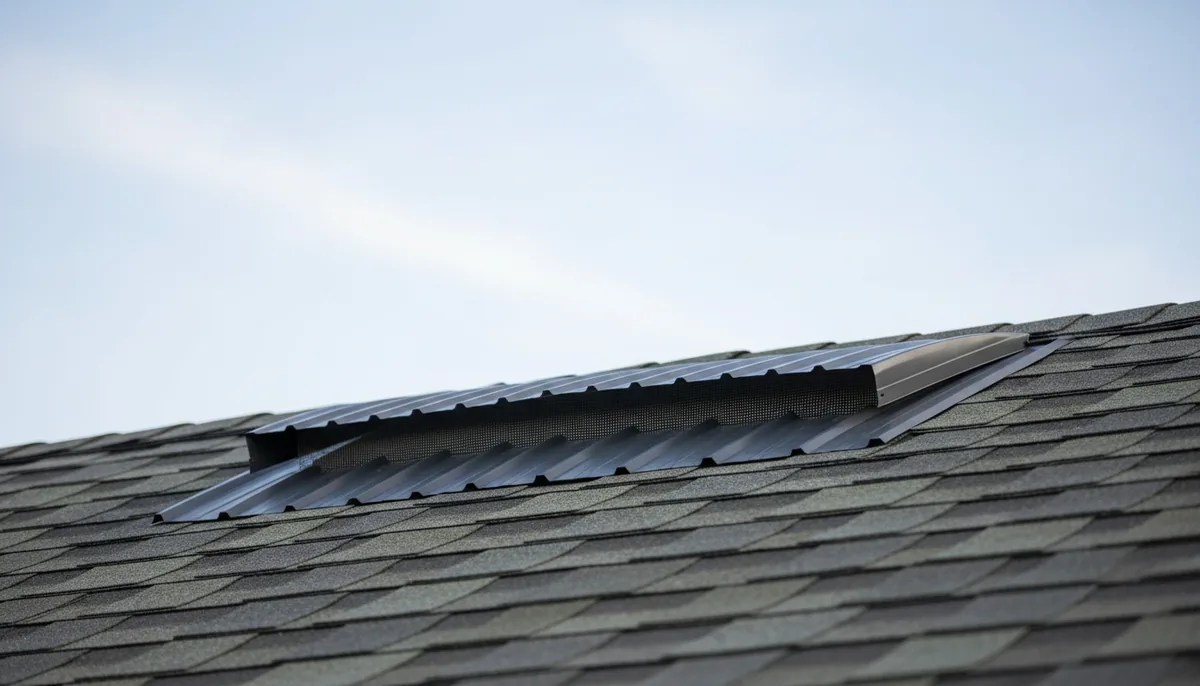
A wind mitigation inspection is the reason a metal roof can pay for part of itself. The inspector looks at the roof covering, the roof deck attachment, how the roof ties to the walls, the shape of the roof, wether there is a secondary water barrier, and what the windows and doors are doing. They fill out a form—the standard one is form OIR-B1-1802—and your insurer is supposed to offer you a discount if the features qualify. I've seen the discount beat the inspection cost in the first year.
Metal roofs do well on these inspections because they are light and the fasteners are strong. A shingle roof often needs a special underlayment to get the secondary water resistance credit. A metal roof can also get it, but more importantly, the wind rating test for metal panels is brutal and a properly installed panel passes it. Tile does too, for the record, but tile is a lot of weight on the walls. Metal is not.
You should of know that I'm not a licensed adjuster and I don't play one. What your specific policy covers is written on your declarations page. Read it. Coverage varies by policy. But I can tell you that a metal roof is rarely the reason an inspection comes back weak, and that is a fact you can take to the bank.
The 25% rule thing is not what it used to be
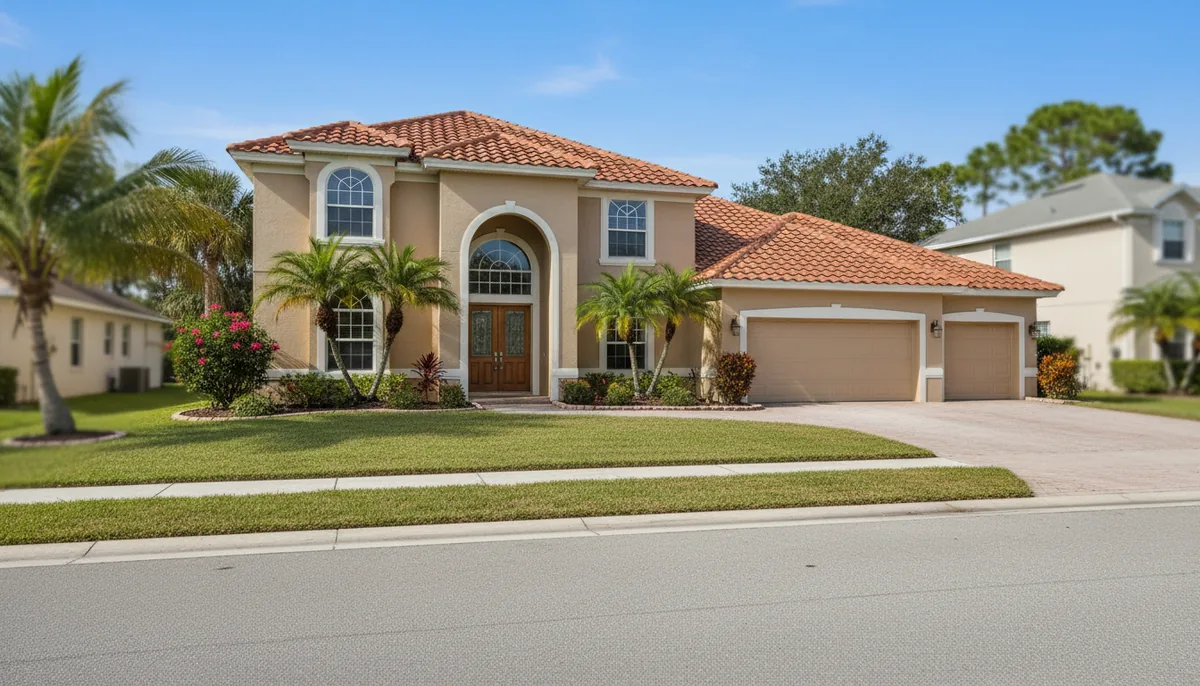
Ask five people about Florida's roof replacement laws and you will get six different answers. The old rule was that if you repaired more than 25% of your roof in any twelve months, the whole thing had to be brought up to code. That rule came from the Florida Building Code, and it made people nervous about patching leaks. It also made some contractors a lot of money on roofs that could have been repaired.
SB 4-D changed this in May of 2022. If your roof was built, repaired, or replaced under the 2007 Florida Building Code or anything newer, then only the section you're working on has to meet current code. You don't automatically trigger a full replacement. There is a catch, though. The 2007 code took effect in March of 2009, so roofs finished before then generally do not qualify for the relaxed rule. If your roof is old enough to remember the housing crash, the old rule can still bite you.
I bring this up because a metal roof changes how you think about repairs. With shingles, a patch looks bad and often is bad. With metal, if a tree limb tags one panel, you can sometimes replace just that panel. The labor is different. The skill is different. But it is a more surgical material when something does go wrong.
Your roof permit is not optional
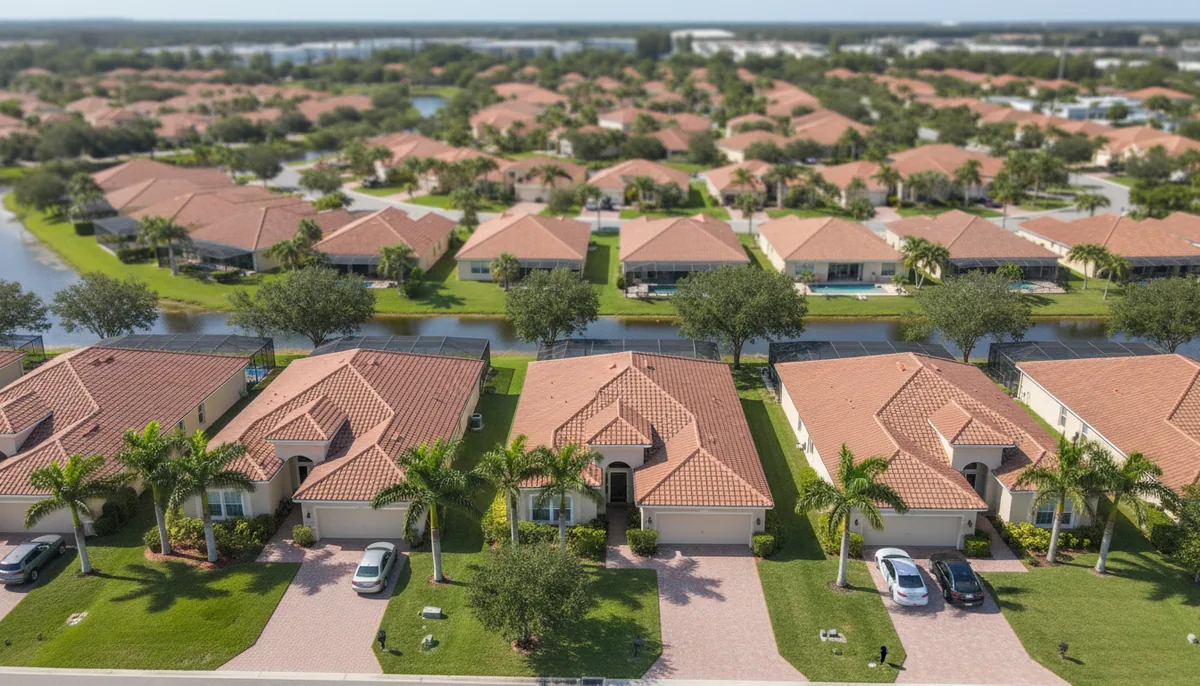
A roof replacement in Florida requires a permit from your local building department and an inspection. That is true whether you spend eight grand on shingles or forty grand on metal. A contractor who offers to skip the permit is a contractor to walk away from. An unpermitted roof can complicate an insurance claim down the road, and when you go to sell the house, you will have a problem that eats any money you saved.
What I would actually do: Before I let a single truck show up to my house, I'd ask the contractor for their DBPR licence number and verify it on the state roll. Certified roofing contractor licences start with the prefix CCC and they can work anywhere in Florida. Registered contractor licences start with the prefix RC and they are only supposed to work in the jurisdiction that licensed them. That RC licence is fine if you live in that jurisdiction. It's not fine if you don't. A contractor who hesitates to give you their number is telling you something about how they operate.
The inspection is not the contractor's enemy. The inspector is the person who stops the crew from making a stupid mistake that costs you ten times more than the inspection fee. I've been inspected dozens of times and I can tell you the good inspectors have saved me from myself more than once. They've made me put in an extra clip on a high wind panel. They've made me re-do a flashing detail that was going to leak in five years. You want that.
The real cost of a storm is the waiting
If you have ever filed an insurance claim after a hurricane, you know that the worst part is not the immediate damage. It's the blue tarp waiting. It is the supply chain and the labor shortage and the time it takes to get a crew when every contractor on the I-4 corridor is booked solid for months. A shingle roof that gets shredded by a Cat 3 will have water inside your walls before the storm is even over, and then you get to deal with mold while you wait for the adjuster.
A metal roof does something different in a storm. I have seen roofs with standing seam panels that kept the water out when the houses around them lost their shingles. The panels are long and the seams are mechanical. The wind cannot get under them the way it gets under a single tab. The material is too smooth for debris to grab onto. I am not saying metal is hurricane-proof. I am saying that in a storm where shingle roofs fail, metal roofs often do not. And that means you are not sitting in a hot house with buckets on the floor waiting for a contractor to call you back.
Noise, dents, and the other things people bring up
Everybody asks about the rain noise. My answer is that you should stand under a metal roof during a downpour before you decide. Modern houses with attic insulation and a proper deck under the metal do not sound like a drum solo. The noise is different from shingles, sure, but it is not deafening. And if you have a foam or insulated panel system, rain is a patter, not a roar. It depends on what is under the metal.
Hail is not the enemy of metal in Florida the way it is in Oklahoma. The dents are a cosmetic issue, not a leak issue. A big enough hailstorm can dent a metal roof, and if you care about the perfectly flat look, that will annoy you. But a hailstone that leaves a dent in metal is the same hailstone that destroys a shingle roof entirely. I know which one I want over my head.
What I would actually do: If you're on the coast, do not let anyone talk you into a metal roof that is not designed for high wind. There is a difference in clip spacing and panel gauge and the local building department knows the wind load map. A contractor who says he installs "the same roof everywhere" is not listening to your house. The wind load in Orlando is not the wind load in Daytona Beach Shores. What works ten miles inland can fail at the coast.
The sun is the bigger killer in Central Florida. A metal roof reflects a lot of solar heat that shingles absorb. Your attic runs cooler. Your air conditioner runs less. That is a benefit that shows up in the electric bill every month, not just in a storm.
Questions I get asked
Will a metal roof make my house look like a barn?
No, not anymore. There are standing seam panels in colors and profiles that look clean and residential. I install a lot of them on colonial and Mediterranean style houses where the metal is barely visible from the street. You can get a metal roof that reads as a shingle profile if you want that look.
Does a metal roof increase my home value?
It can help with resale because buyers know they are not going to need a roof replacement in the next ten years. The wind mitigation discount is something a buyer's agent will point out. But the value depends on the market and the neighborhood. A metal roof on a house that is otherwise the most expensive house on the street is not going to double your sale price.
How long does installation take?
A shingle roof on a typical ranch house can be done in two or three days. A metal roof takes longer, call it a week or more depending on the pitch and the access. The crew has to be more carefull because you cannot walk on metal panels the way you walk on shingles without denting them. Good crews use walk boards and that takes time.
Should I file an insurance claim for my old roof before switching to metal?
That is a question for you and your agent. What I will say is that insurance companies in Florida are wary of roofs that are clearly at the end of their life. If your roof is old and you file a claim, the adjuster may write you a check for actual cash value, not replacement cost. Many policies have provisions that affect old roofs. Read your declarations page and talk to your agent before you file.
Can I install metal over my existing shingles?
You can, and I have done it, but I do not love it. The shingles underneath will keep sweating and outgassing. The new roof needs to be fastened through to the decking, and if you do not know what the decking is like under all those old layers, you are gambling. I have been wrong about this before. When we strip a roof and find rotted decking, the homeowner is always glad we did. When we install over old shingles, it is because the budget demanded it, and both of us hold our breath.
Will a metal roof get hot in the Florida sun?
The surface will get hot, but the heat does not transfer down to the attic as much as it does with shingles. A lot of my customers say their upstairs rooms are noticeably cooler after switching to metal. The paint coating is designed to reflect solar radiation. Compare that to dark shingles, which absorb it and bake your house all afternoon.
A roof is a long-term relationship with your house. I have replaced roofs that were installed by a "friend of a friend" four years earlier, and I have climbed up on roofs from the 1980s that were still sound because somebody did the job right. Metal is a material that rewards proper installation more than most. Find a crew that knows what they are doing, verify their licence with the DBPR, pull the permit, and get the wind mitigation inspection. Do that, and the metal will likely outlast the mortgage.