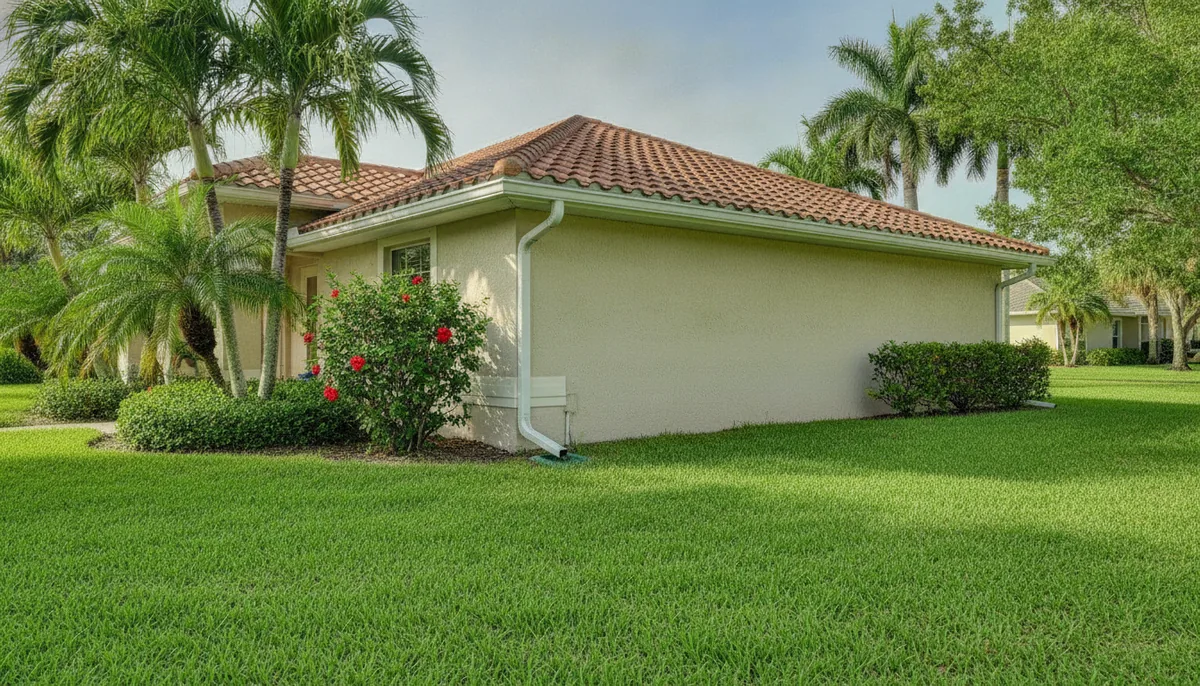
Concrete tile roof maintenance florida
By Shelly Marchetti, Florida homeowner advocate. Reviewed by Hal Winstead, Editor, licensed roofing contractor.
That afternoon in Fort Myers, I was standing on a roof that was only seven years old, watching water pour through a ceiling in the master bedroom below. The homeowner had a beautifull barrel tile roof, the kind that makes the neighbors envious. And somewhere under all that beautiful concrete, a single cracked tile had let water in, and the rot had been working quietly for months. The homeowner was crying, not because of the leak, but because her insurance company had just denied the claim, and she had no idea what to do next.
That's why I do what I do. I help Florida homeowners read the fine print on quotes, contracts, and denial letters before they sign their name or give up in frustration. Concrete tile is some of the best roofing material you can put on a Florida home, but it isn't maintenance-free, and it has it's own particular ways of breaking your heart if you ignore it. Before you spend a dime on repairs, you need to know who you're actually dealing with. Florida roofing contractors are licensed by the Department of Business and Professional Regulation, and the difference between a certified contractor and a registered one matters more than you think. If you need to find someone to climb up there and look, start with tile roofing companies in Florida and then verify their licence number yourself.
The problem with concrete tile is that it looks so permanent. It doesn't peel like a shingle roof, it doesn't rot like a wood shake, and it doesn't dent like a metal panel. You can't tell by standing on the ground that a tile is cracked, or that the foam under the ridge is drying out, or that the flashing around your chimney has rusted through. The maintenance issue is that all the important stuff is invisible until water is already inside your house. The tiles themselves are just the armor; they take the beating from the sun and the rain and the falling branches, but the waterproofing layer under them is what actually keeps you dry, and that layer has a much shorter life expectancy than the pretty concrete sitting on top.
Let's talk about walking on the roof
I've watched contractors walk across concrete tile like it was a sidewalk. It is not a sidewalk. Concrete tile is heavy and brittle, and a single misplaced footstep can crack a tile that has been curing and weakening under the Florida sun for a decade. A cracked tile doesn't always leak immediately, but it breaks the protection, and water will find the gap. That's the slow leak, the one that shows up as a brown stain on a ceiling three months after the last big storm. And the worst part? The person who cracked the tile is long gone, and you have no idea who to blame.
If you must have someone on the roof, make sure they know what they're doing. A good roofer will use walk pads and will step on the overlap of the tiles, not the exposed end where they're most fragile. They'll also tell you what they found, not just what they think you want to hear. If someone comes to your door after a hurricane and says you need a full replacement without ever getting on the roof, that's a red flag you can see from the driveway.
The part nobody wants to think about, the fasteners
Here is where concrete tile gets complicated. The tile itself might be in perfect shape, but the nails or screws holding it down are rusting, or the clips have failed, or the batten system underneath is rotting. I have seen roofs where the tiles looked brand new and the entire structural framing under them was mush. It depends what is under there, and you cannot know without taking a tile up and looking.
This matters for a few reasons. If your fasteners are failing, your roof is vulnerable to uplift in a strong storm. A wind mitigation inspection will document this stuff, and that's where things get interesting for your wallet. Florida law says insurers have to offer premium discounts for certain features, and the standard inspection form is OIR-B1-1802. That inspection typically costs less than the annual discount it can open up. So even if you just bought the house, paying for a wind mitigation report yourself can put money back in your pocket every year.
What I would actually do: Before hurricane season, walk the perimeter of your house and inspect the tiles at the eaves and gable ends with a pair of binoculars. Cracks, missing pieces, popped nails, or granules in your gutters are your first clue. Then get a licensed contractor to do a more thorough look. You will pay a service fee, but it's nothing compared to the surprise of a leak during a storm.
A quick word about permits and insurance
Here's the thing that makes Florida special: a roof replacement requires a permit from your local building department, and that means an inspection. I can't tell you how many calls I get from people whose contractor promised to "save them the hassle" by skipping the permit. Walk away from that person. An unpermitted roof can complicate an insurance claim, and it will absolutely come up the day you try to sell your house. The buyer's inspector will find it, the title company will find it, and your sale will fall apart. It is not worth the "savings."
That's not just my opinion, either. After the last round of legislative changes, including SB 4-D from a few years back, the rules around roofing solicitation got alot stricter. Insurers are looking at roofs with a skeptical eye. They want proof of work, and a permit is the only proof that matters. And if you have a roof that's over fifteen years old, read your policy carefully. Some policies won't pay for a full replacement; they'll pay actual cash value, which is a fraction of what a new roof costs. Coverage varies from policy to policy, so read your declarations page and know exactly what you bought.
The insurance wording is a minefield
When you file a claim for a tile roof, the adjuster may not be a roofer. They might look at a few cracked tiles and call it cosmetic. They might say your roof is "old" and "weathered" and deny the claim because it's a maintenance issue. That's the keyword that kills claims: "maintenance." If you didn't have a recent inspection showing the roof was sound before the storm, the insurance company has room to argue it was already falling apart.
Do not give up at the denial letter. Ask for the specific policy language they're relying on. Florida Statute 627.70132 has something to say about this, but you should never take my word as legal advice. Read the letter, look up the statute if you want, and then talk to a public adjuster or an attorney if you think you're being treated unfairly. Remember, your roof has to withstand an ordinary windstorm. The question is wether the damage was caused by a single storm event or by age and neglect.
What I would actually do: If you get a denial, call your agent first. Ask them to walk you through the letter line by line. Most people don't do this, and it's amazing how often a simple phone call clears up a misunderstanding. If that doesn't work, you still have options, but start with the person who sold you the policy.
How often should you really climb up there?
People ask me all the time, "Shelly, how often do I need to maintain my concrete tile roof?" And the honest answer is, it depends. In Central Florida, where the sun cooks the shingles all summer and the afternoon thunderstorms hit like clockwork, you want a professional look at the roof at least once a year. On the coast, where the salt air attacks the fasteners and the flashing, maybe twice a year. And after any named storm, you want a look even if your neighbor's roof lost a few tiles and yours didn't.
But don't just let anyone go up there. Check the DBPR licence. A certified roofing contractor has a CCC prefix and can work anywhere in the state. A registered contractor has an RC prefix and can only work in the jurisdiction that licensed them. I have seen people hire an RC contractor who was licensed in Miami to do work in Tampa, and that's a problem. The licence number has to be active, and the contractor has to be legal in your county. It takes two minutes to verify online, and it saves you a world of hurt.
A quick seasonal checklist
If you want a routine, here is what I tell my clients to think about, but I'm not a contractor, so run anything major past a licensed pro first. After the last freeze of the winter, which we barely have, so call it January. That's a good time to check for cracked tiles from the ground. In the spring, clean out the gutters and make sure the downspouts are clear. In the summer, watch for algae and moss growing in the shaded areas, that holds moisture against the tile. And in the fall, trim back any tree limbs that hang over the roof. Branches scraping against concrete tile will wear down the protective coating and create little grooves where water collects.
The biggest thing I see homeowners do wrong is buying a leaf blower or a pressure washer and trying to clean the roof themselves. A pressure washer at full blast will blast the coating right off your tile and force water up under the overlaps. It's a terrible idea. If you have algae or mildew, there are soft washing methods that use low pressure and chemicals to kill the growth without damaging the roof. Or you can leave it alone. A little green algae on the north side of the roof won't hurt anything, and in some neighborhoods, it makes the house look like it belongs there.
Questions I get asked
Can I just paint my concrete tile roof? It looks faded.
You can, and sometimes dying the tile makes sense, but it's not a maintenance shortcut. The paint or dye has to be breathable, and if it traps moisture inside the tile, you will get spalling, which is when the face of the tile flakes off. I have seen painted roofs that looked great for two summers and then looked worse than the original fade. Do not paint over efflorescence, which is that white chalky powder you sometimes see. That means the tile has been getting wet.
How can I tell if my roof is still under warranty?
Most concrete tile roofs have a warranty from the manufacturer that lasts decades, but here's the catch: the warranty is often void if the roof wasn't installed by a licensed contractor or if it wasn't maintained properly. You will also need to prove you've had regular inspections. That's another reason to keep any paperwork from your annual checks in a file. The warranty usually covers the tile itself, not the labor to replace it, and it definately doesn't cover labor for the waterproofing underlayment.
Should I file a claim for a single cracked tile?
My honest advice is probably no. If you have one cracked tile from a falling branch and the underlayment is intact, you're looking at a small repair. Paying a roofer a couple hundred dollars out of pocket is almost always cheaper than making a claim on your insurance and risking a premium increase or a policy non-renewal. A single claim for a minor repair can haunt you for years. Save the insurance for the big stuff, like when a whole section of the roof is missing after a hurricane.
Is a concrete tile roof fireproof?
Yes, a concrete tile roof is non-combustible, and it will give you a great fire rating. That's one of the reasons it's so popular in Florida, beyond how it looks. But the roof deck underneath, the plywood or OSB, is still wood, and a wildfire or a house fire can still burn through the structure even if the tiles themselves don't catch. The tiles just mean you won't get burning brands from a neighboring house landing on your roof and setting it ablaze.
What is the one thing you wish every homeowner knew?
You are going to hate this, but it's true. Most roof leaks don't happen because the roof is old. They happen because someone installed something on the roof and did a bad job flashing it. A new solar panel, a new satellite dish, a new skylight, a new plumbing vent. The penetration is never sealed right, and water creeps in over time. If you have a leak that you can't trace, look at every single thing that pokes through the roof before you blame the tile field itself. I have been wrong about this before, but nine times out of ten, it's the flashing.