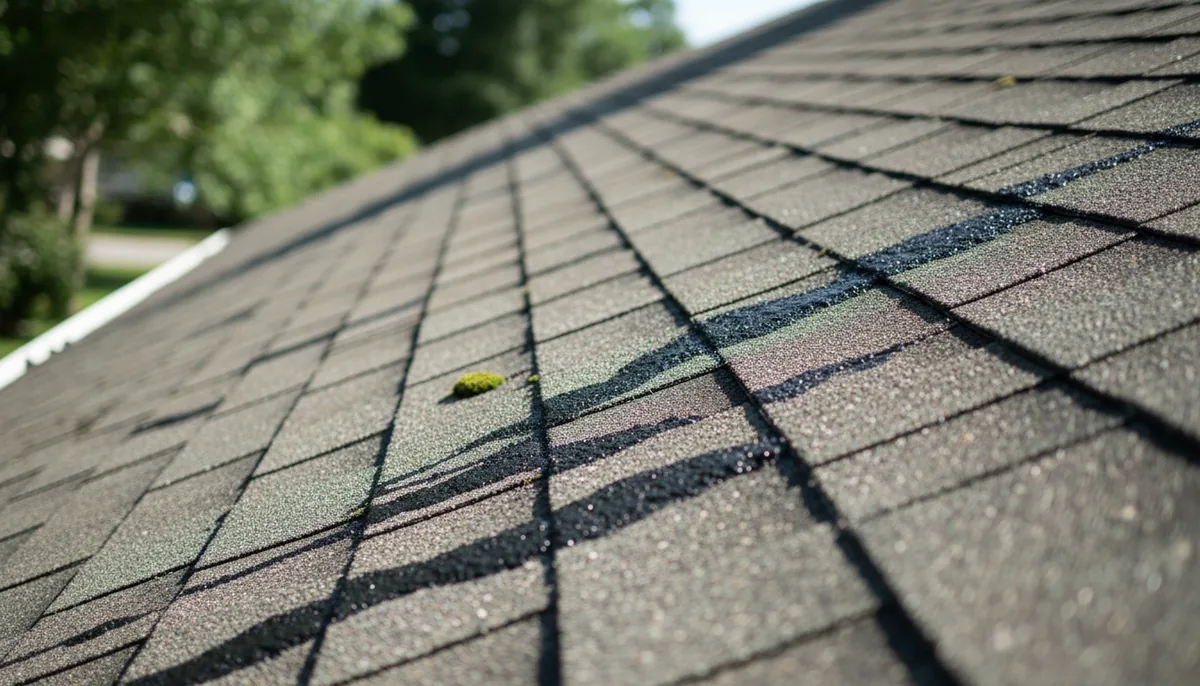
Best silicone roof coating for florida homes
By Shelly Marchetti, Florida homeowner advocate. Reviewed by Hal Winstead, Editor, licensed roofing contractor.
One muggy August afternoon in Cape Coral, I climbed up to a low-slope roof and watched fresh silicone bubble and wrinkle before it cured. The coat went on over a damp patch of old acrylic, and nobody caught the moisture before the truck pulled away. The homeowner paid twice for the same square feet. You can avoid that scene by doing one simple thing first: checking roof coating companies in Florida and making sure they know how to inspect, not just spray.
Silicone can be the right answer for alot of Florida roofs. It handles sunshine, stands up to pooling water better than acrylic, and can stretch with the membrane underneath. But “best” is not a color on a swatch card. Best means the right product, the right prep, and the right dry-film thickness written into a contract by somebody who knows what that roof has already been through.
The roof doesn't care how much the can costs. The roof cares what is under the film, what the wheather does next, and who is willing to come back.
Best silicone roof coating for Florida homes—there is no single winner
Ask me “which silicone?” and I turn the question around. What is your roof deck? Is this going over asphalt, modified bitumen, EPDM, metal, or an older coating? Does the roof hold water in low spots after every storm? From there, the shortlist picks itself.
In Florida, silicone tends to do well on low-slope and flat roofs because standing water doesn't eat it the way it eats acrylic. It reflects a lot of the sun, and it keeps working in heat that makes other coatings go soft. But price is not a shortcut. I have peeled off coatings that looked expensive because the roofer skipped primer and left the old surface dirty. Call it the polyester version: smooth outside, no strength.
What I would actually do: Ask the applicator for the exact product name, the manufacturer's data sheet, and the installed dry mil thickness. Put it in the contract. If they say “we've always done it this way,” find the next crew.
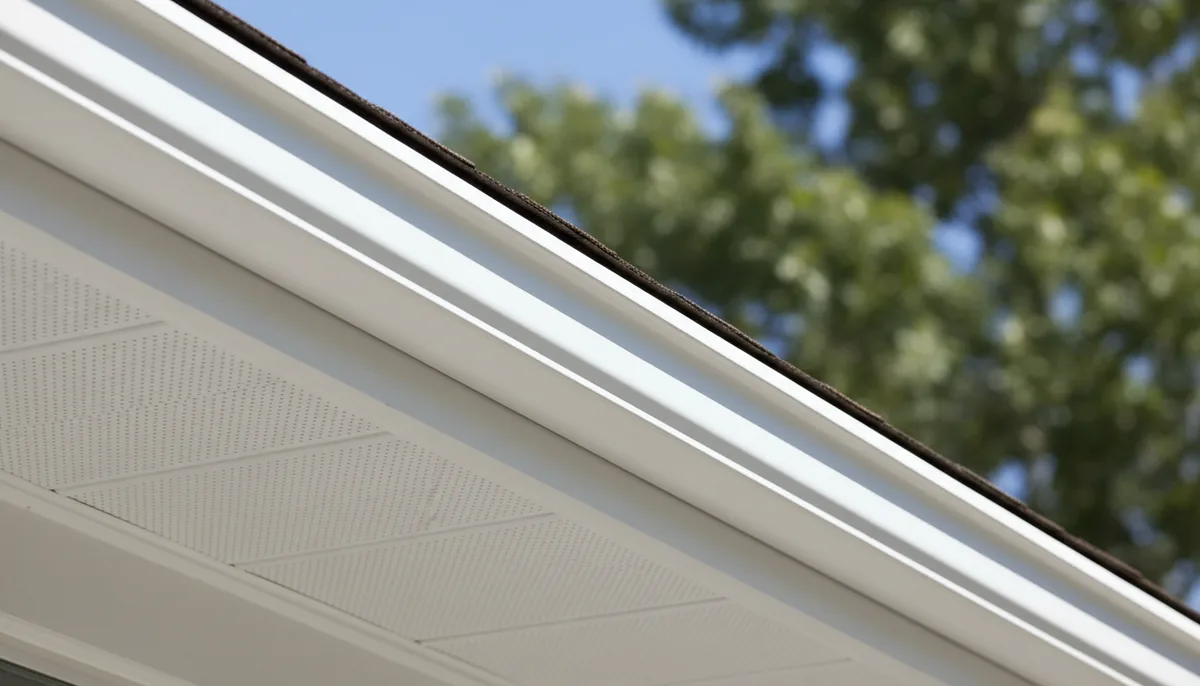
Wait, what is already on my roof?
Your old coating decides everything. Silicone will not stick well to a failing acrylic coating. It will not fill in a roof that is already slipping or delaminating. And if there's moisture trapped under the existing coating, you might not know until the new silicone blisters.
By the way, a bright sunny day does not mean the roof is dry enough to coat. Dew point and surface temperature matter more than the glare. I have watched a crew roll silicone the moment the clouds passed, and the job blistered before lunch. You cannot “feel” humidity. Measure it.
So before the quote, somebody should actualy walk the field, check the flashings, look at the old coating, and maybe do a moisture survey if the substrate is porous. A company that quotes over the phone without seeing your roof is not doing the job yet. The job starts with the inspection.
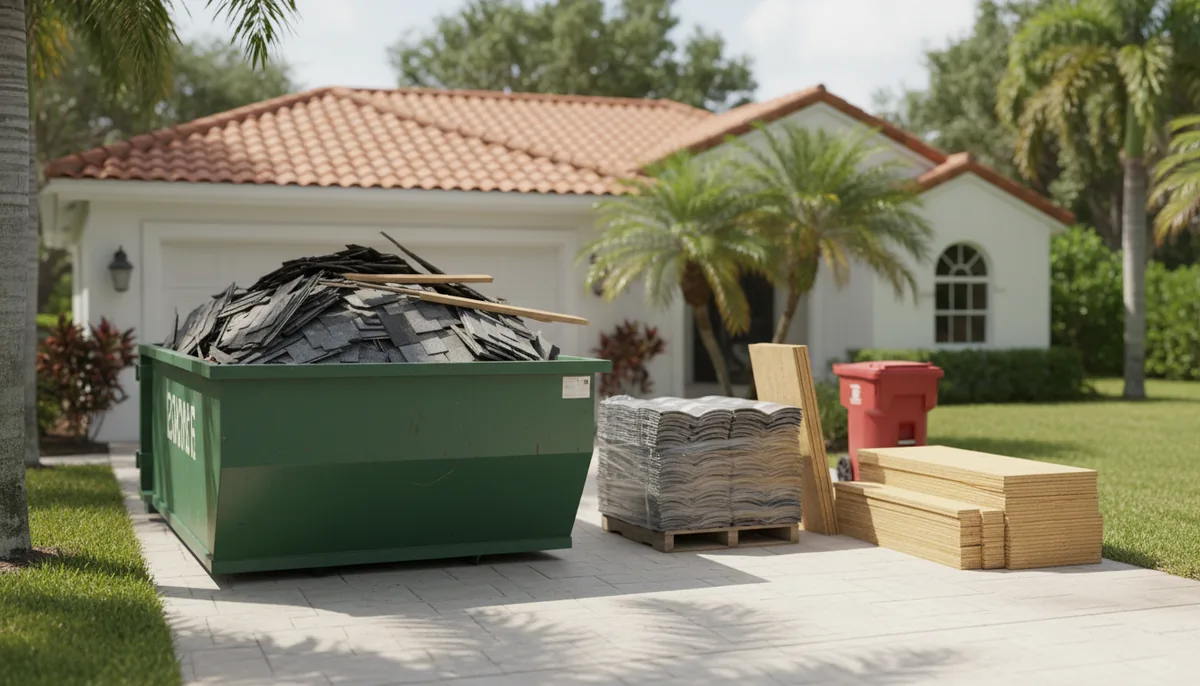
Wind mitigation inspections pay you back better than a coating
Here is the part most coating salesmen don't mention. A silicone coating might protect the roof surface, but the biggest insurance discounts usually come from things you already have and never documented.
A wind mitigation inspection documents your roof covering, roof deck attachment, roof-to-wall connection, roof geometry, secondary water resistance, and opening protection. The inspector fills out form OIR-B1-1802. Florida insurers are required to offer premium discounts for qualifying wind-resistance features. If your roof already qualifies and nobody ever put that on paper, you're leaving money on the table.
That inspection usually costs less than the discount it can open up for a year. I have said this to homeowners sitting in their kitchens with a coating quote in their hand: spend the money on the inspection first. The coating will still be there next week.
What I would actually do: Pay for the wind mitigation inspection before I let anyone sell me a coating. If the roof already qualifies, form OIR-B1-1802 is worth money every year. If it doesn't qualify, at least I know what I actually need. My Safe Florida Home is also worth checking, since program rules change.

Read the quote like you are looking for a lie
The worst quote I see in Florida is not the most expensive one. It is the one page with a line for the total and a blank space where the scope should be.
I want the contract to name the product, the number of coats, the wet film thickness, the dry film thickness, and the primer. I want to know when they will start and what happens if rain lands in the middle. I want the names of the flashings, penetrations, and edge metal they plan to address. If the quote says “miscellaneous,” you are paying for somebody else's vacation.
I also ask about two warranties. One comes from the manufacturer and is usually tied to the product being installed by the book. The other comes from the contractor and covers workmanship. You can have the best silicone in Florida sitting on a roof where the crew didn't clean the surface. The manufacturer is not coming out to hold your hand.

Don't let a contractor talk you out of a permit
I hear it all the time. “It's just a coating, so we don't need a permit.” Maybe that is true in your city. Maybe not. But a full roof replacement in Florida requires a permit pulled from the local building department, plus an inspection. If someone is tearing off old roofing down to the deck, that is not a coating project. That is a roof replacement. A contractor who offers to skip that permit is a contractor to walk away from. An unpermitted roof can complicate an insurance claim and a future sale.
Florida roofing contractors are licensed by the Department of Business and Professional Regulation, and that roll matters. Look for DBPR licence prefixes CCC and RC. CCC means certified, which lets the contractor work anywhere in the state. RC means registered, which only allows work in the local jurisdiction that issued the license. Verify the number is active before you sign. That takes two minutes and can save you a year.
Insurance letters can make you give up too early
If you've got a denial letter on the counter, don't let the roof caulk decide what it means. And don't let a salesman translate it for you either. I am not a lawyer or a licensed adjuster. I'm just the person who reads those letters with you, word by word.
Your policy is what governs. Florida has seen changes around roof claims, including SB 4-D (2022), and Florida Statute 627.70132 comes up in roof claim conversations. But I won't pretend to know which parts apply to your specific policy without reading it. Coverage varies by policy, so read your declarations page. If your policy is through Citizens Property Insurance Corporation, start with their documents and deadlines. Then call an agent whose name is on your paperwork, not a person who knocked on your door.
The insurance conversation should never be: “The roofer said it's covered.” It should be: “What does the policy say caused the damage?” That is a different question.
Questions I get asked
Do I need a new roof, or can I get away with a silicone coating?
It depends on wether the roof cover is actually failing or just weathered. If the shingles are curling or the membrane is slipping, coating will not glue an old roof back together. If the cover is intact and compatible, a good silicone coating can stretch it's life. Let somebody show you the condition of the membrane before you make that call.
Does silicone work on steep shingle roofs?
Not usually, and I would not use it just because the product can be sprayed. Silicone coatings are at their best on low-slope and flat roofs where water sits. On a steep asphalt shingle roof, the shingles need to breathe, and the coating isn't made to fix a system designed to shed water fast. Hire a contractor who does your roof type, not the coating they happen to have in the truck.
Will a silicone coating help my insurance premium?
Not by itself. Florida insurers have to offer premium discounts for qualifying wind-resistance features documented on form OIR-B1-1802. A coating can be part of your roof system, but the discount depends on what is actually on your roof and how your insurer rates it. Ask your agent before you assume a new coating will change the bill.
How do I check a roofer's license without feeling stupid?
Go to the DBPR website and search the roofing contractor roll. You want an active license record and “certified” if the work is anywhere in Florida. Remember the prefixes: CCC for certified, RC for registered. It takes two minutes and makes you look less stupid than the contractor who said not to worry about it.
How much should a silicone roof coating cost?
I won't quote a number because I have not walked your roof, and anyone who does without seeing it is guessing. Price depends on square footage, pitch, access, the condition of the old coating, and the number of coats. A real estimate should be priced by the square after an inspection. If that number comes over the phone, ask what it includes. Then run.