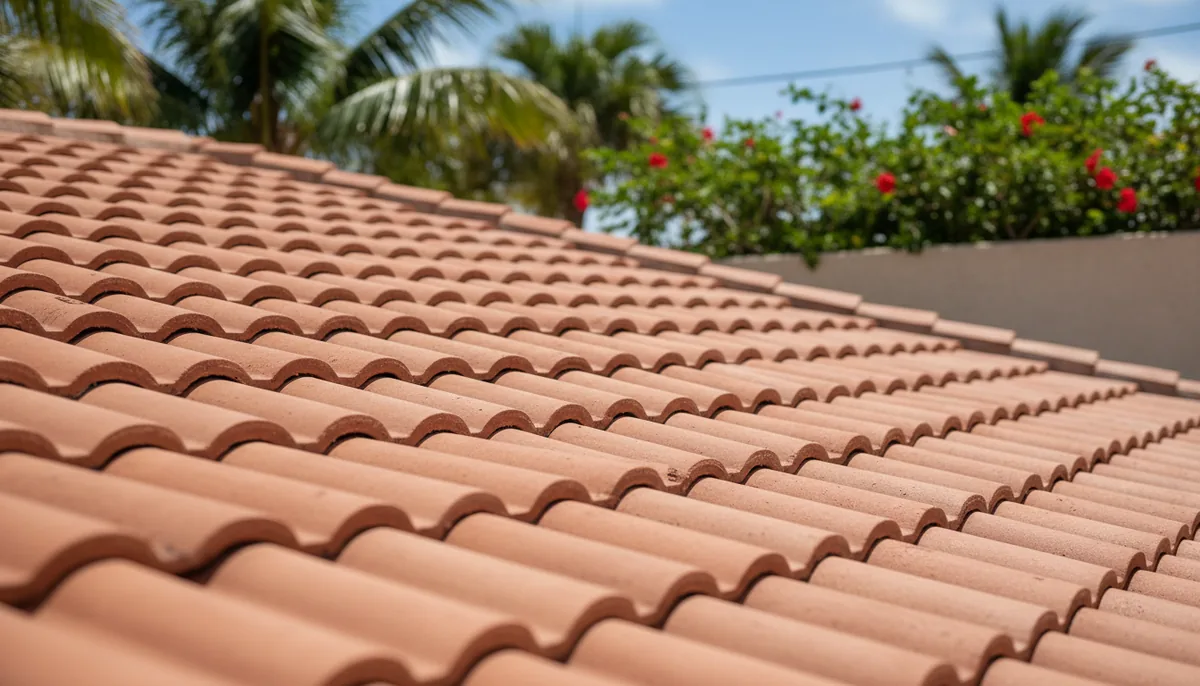
Concrete tile roof lifespan florida
By Shelly Marchetti, Florida homeowner advocate. Reviewed by Hal Winstead, Editor, licensed roofing contractor.
I was standing in a Cape Coral driveway in June, sweating through my shirt before nine in the morning. The homeowner had called me because her insurance company threatened to drop her over "roof deterioration." She had a beautifull concrete tile roof, maybe fifteen years old. And I had to break it to her that the tiles looked fine from the street. The problem was the flashing around the chimney. The problem was the way the underlayment had baked. The problem was that nobody had ever been up there to look. That afternoon I pulled up the DBPR licence prefixes CCC and RC and started making calls to tile roofing companies in Florida to get someone qualified out there before hurricane season really got going. She kept saying, "But the roof is only fifteen years old." And she was right. It was. The roof was fifteen years old. The roof was also failing.
That is the thing about concrete tile in Florida. The tile itself is practically immortal. I have walked on hundred-year-old barrel tile in St. Augustine that was still structurally sound. But the roof is not just the tile. Concrete tile roof lifespan florida depends on the whole system, and the tile is usually the last thing to quit on you. The underlayment underneath, the flashing, the way the deck was built, the soffit vents that got painted shut, that is where roofs go to die in this state. You have got to think about it like a marriage, the tile and the deck and the waterproofing are all in it together, and if one of them stops doing it's job, you are headed for a very expensive divorce.
So what is the honest answer on concrete tile roof lifespan florida? Call it forty to fifty years for the tiles themselves. But the roof system, the part that actually keeps water out of your house, is probably looking at twenty-five to thirty years before you need major work. You will hear people say "lifetime roof" and that is true if you define lifetime as the life of the tile. The problem is your house has a shorter attention span. The plywood deck underneath, the felt or synthetic underlayment, that is the stuff that matters. And a lot of that depends on the quality of the original installation and wether a hurricane has ever lifted a corner of a tile and let water sneak in. A concrete tile roof in Miami that got hit by a Cat 3 storm might need an entirely new underlayment system even though the tiles look pristine. I have been wrong about this before, thinking a roof had years left when the underlayment underneath was crumbling like a stale cookie.
A lot of folks ask me why their neighbor's concrete tile roof failed at twenty years while another house down the street has the same roof from the 1980s and never leaks. The answer usually comes down to three things. The pitch of the roof. A steep pitch sheds water better than a shallow one, and a shallow one puts a lot more stress on the underlayment. The second thing is the quality of the original underlayment. A lot of contractors in the 1990s used a thin felt that just disintegrates in this heat. And the third thing is just plain maintenance. Nobody cleans the gutters. Nobody checks the ridge. Nobody notices the little rust spot on a flashing until the ceiling is sagging. I had a customer in Pensacola who panic-called me because a single tile slipped off during a thunderstorm. She was certain she needed a whole new roof. I had to explain that the tile had probably just never been nailed down properly in the first place, which is an installation issue, not an age issue. She thought I was trying to up-sell her. I told her to call her home insurance agent. The tile cost twelve dollars to replace. I am not making that up.
What I would actually do: If your concrete tile roof is over fifteen years old, find out what was used for underlayment and ask a licensed contractor to inspect the condition of the deck and flashing before you assume the tile has decades left. The tile's lifespan and the roof's lifespan are two different questions.
The other major factor nobody talks about is the initial installation quality. A concrete tile roof is heavy. I mean, genuinely heavy, about nine to twelve pounds per square foot, depending on the profile and what is under there. If the framing was not engineered for that load, you can have sagging, which messes up your water shedding, which ruins your underlayment, which leads to leaks. The best tile in the world cannot save a roof deck that is flexing underneath it. Also, the nailing pattern matters. Tiles that are face-nailed instead of concealed-fastened are more likely to crack and loosen over time. And this is where Florida roofing contractors get a bad name, because a fast, sloppy install looks fine for a year or two and then starts shedding tiles in a stiff breeze. The DBPR roll will show you if a contractor is active, but it will not tell you if the guy is a perfectionist. You have to ask questions about how they handle the eaves, the valleys, the pipe penetrations.
Insurance is the other big conversation I have with homeowners. A concrete tile roof that is 25 years old is going to be treated very differently by an insurer than a shingle roof of the same age. Florida Statute 627.70132 is a real piece of law that says insurers have to offer a credit or discount for a roof that meets certain windstorm building code standards. You hear about the "roof age" rules for asphalt shingles, but tile roofs have a longer expected life, so carriers often apply different guidelines. That does not mean you automatically get a discount. It means you have to prove your roof is in good shape, and that usually means a wind mitigation inspection. That inspection documents the roof covering, the deck attachment, the roof-to-wall connection, the geometry, the secondary water resistance, and the opening protection. The standard form is OIR-B1-1802.
A wind mitigation inspector is going to crawl through your attic and look at how your roof sheathing is nailed or screwed to the trusses. They are going to look at how your roof is strapped to the walls. They are going to check whether you have a secondary waterproofing membrane underneath the tile. In an older house, that check often resultes in a shrug and a "no." In a newer house, it can open up discounts for years. I have seen premiums drop by a couple hundred dollars a year because of one inspection. The inspection costs a fraction of that. Please, for the love of everything holy, read your policy's declarations page before you call anyone. Insurance coverage varies wildly. Do not rely on what your brother-in-law says his policy covers. And never, ever, let a contractor tell you they will "handle the insurance claim" for you. That is an adjuster's job, and you need to be the one on the phone with them.
The other program that comes up constantly is My Safe Florida Home. That is a state program that funds wind mitigation improvements for certain homeowners. It used to be focused on the big-ticket items like opening protection and roof upgrades. I mention it because if you want to harden your concrete tile roof for the long haul, look at what the state is endorsing, but the funding runs hot and cold. You should of check the program's status yourself. Do not take a contractor's word for it that you are "approved." That should go without saying.
What I would actually do: Before any contractor shows up, grab a copy of your current homeowners policy and your last wind mitigation inspection report. Then you know what you are working with. A lot of the panic I see is people who have no idea what their own policy says.
Okay, one quick digression, because I have to get this off my chest. I had an inspector in Fort Myers tell me, with a straight face, that a concrete tile roof "never needs maintenance." This is a grown man who gets paid to inspect roofs. I asked him about the rusty flashing he was standing under. He said, "Oh, that's just flashing." Yes. That is the point. If the flashing goes, the water goes straight into the wall cavity. I cannot with this industry sometimes. But that is my problem, not yours.
Signs your concrete tile roof is aging faster than it should
Step one is look at the tiles from the ground. Take a pair of binoculars and walk around your house. Look for cracked, broken, or displaced tiles. You are looking for hairline cracks that run all the way across a tile. Those are often caused by someone walking on the roof, thermal expansion, or a tree limb that looked closer than it was. A single cracked tile is not an emergency, but a cluster of them tells you a storm tossed debris around and you should get it checked before the underlayment gets exposed. Step two is get in the attic on a dry day. Look for water stains on the underside of the deck. Look for daylight coming through nail holes. If you see stains, your underlayment has already failed somewhere. Step three is the one nobody does, check the age of your roof like a detective. If you do not have the original permit paperwork, go to the local building department.
What actually shortens a concrete tile roof's life
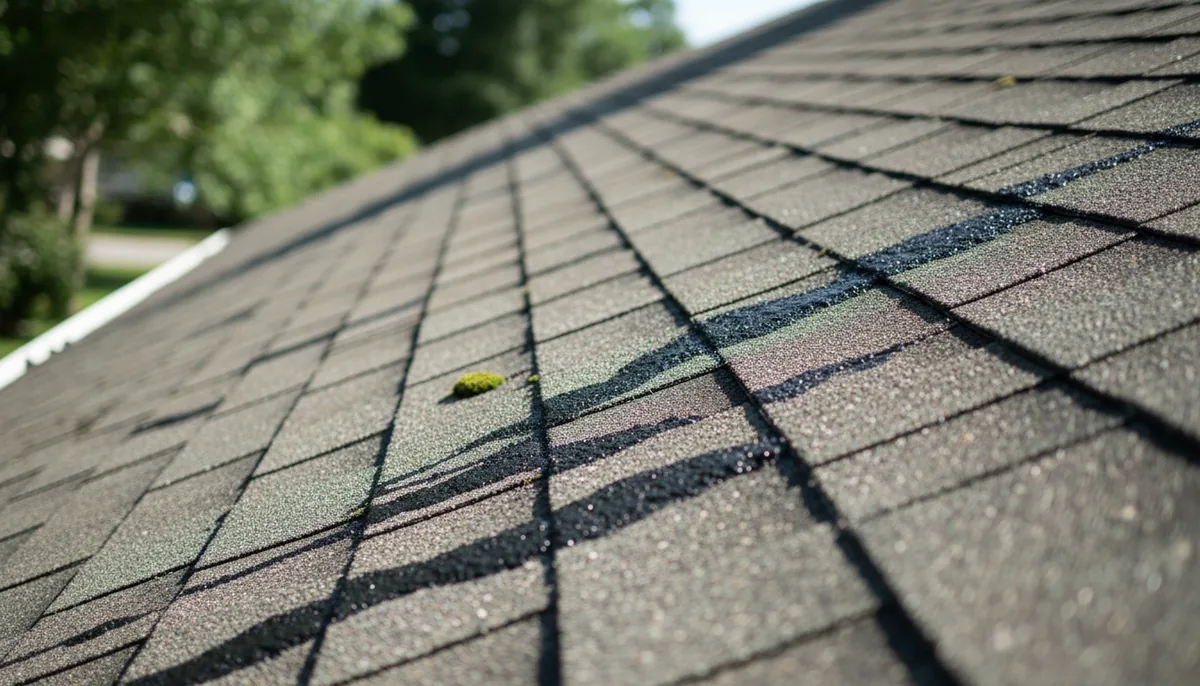
The biggest killer is not the sun. It is water backing up. Ice dams are not a Florida problem, thank goodness, but we have our own version. Wind-driven rain pushing water up under the overlapping shingles because a tile has lifted is a classic failure. If the tile is not clipped down or nailed correctly, a 90-mile-per-hour gust will lift the edge of a tile like a wing, and then drive the rain right into the gap. That is how you get rot in the deck, which is how you get a sagging roofline, which is how your roof starts looking like the letter V. The second killer is the Florida heat cycling. The tile expands and contracts. The underlayment expands and contracts at a different rate. Over time, the fasteners work loose. Add in a few hurricanes and some salt-laden air if you are near the coast, and you have a roof that is biologically alive, for better or worse. And the third killer is simply human error. People install satellite dishes directly into the tile. They walk on the ridge to adjust the Christmas lights. They hire a guy to "fix" a leak who trowels a gallon of tar over everything. Tar traps moisture, and moisture is the enemy.
What a permit and a good inspection actually mean for you
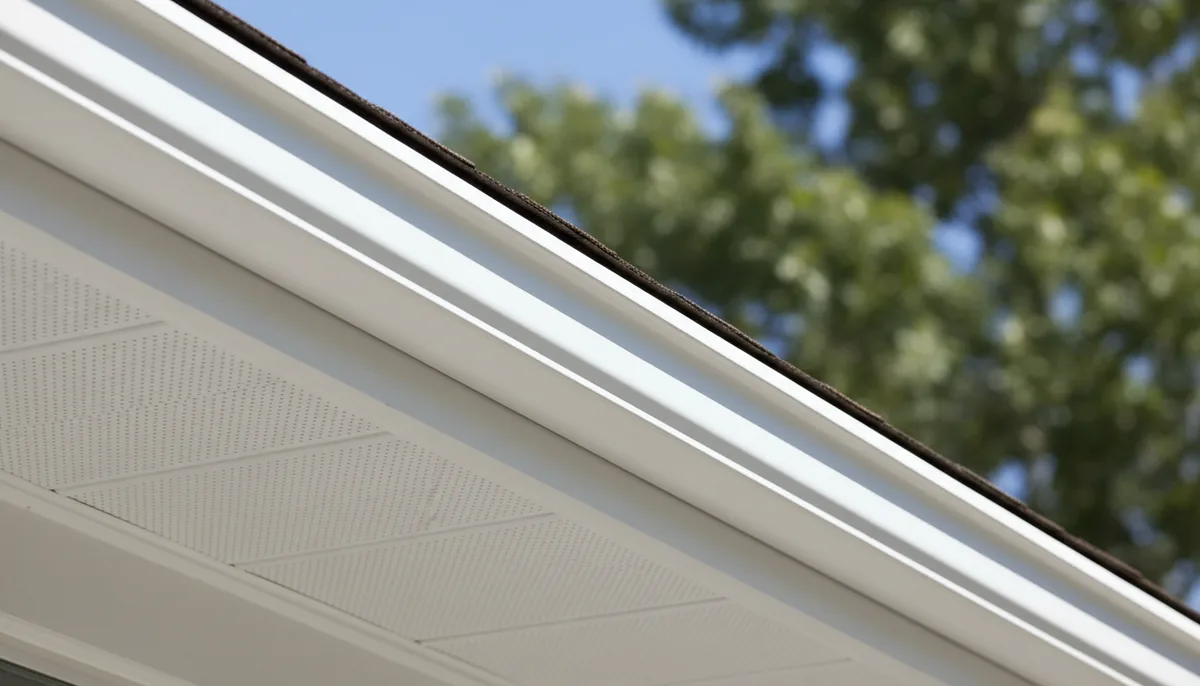
Let me be very clear. Getting a roof replacement is not like getting a haircut. In Florida, you have to pull a permit from your local building department, and you have to have an inspection. A contractor who wants to skip that, who tells you it's just a patch or it will be fine, that is a contractor you walk away from. An unpermitted roof can complicate an insurance claim and it can absolutely torpedo a home sale. Imagine trying to sell your house and the buyer's title company says, "Hey, where's the permit for that new roof?" And your contractor has disappeared. That is a very expensive problem. A certified roofing contractor with a CCC licence can work anywhere in the state. A registered one with an RC prefix can only work in the local jurisdiction that licensed them. Verify that number is active on the DBPR roll. Not from the card in his wallet. Look it up yourself.
Should you replace a concrete tile roof or just the tiles
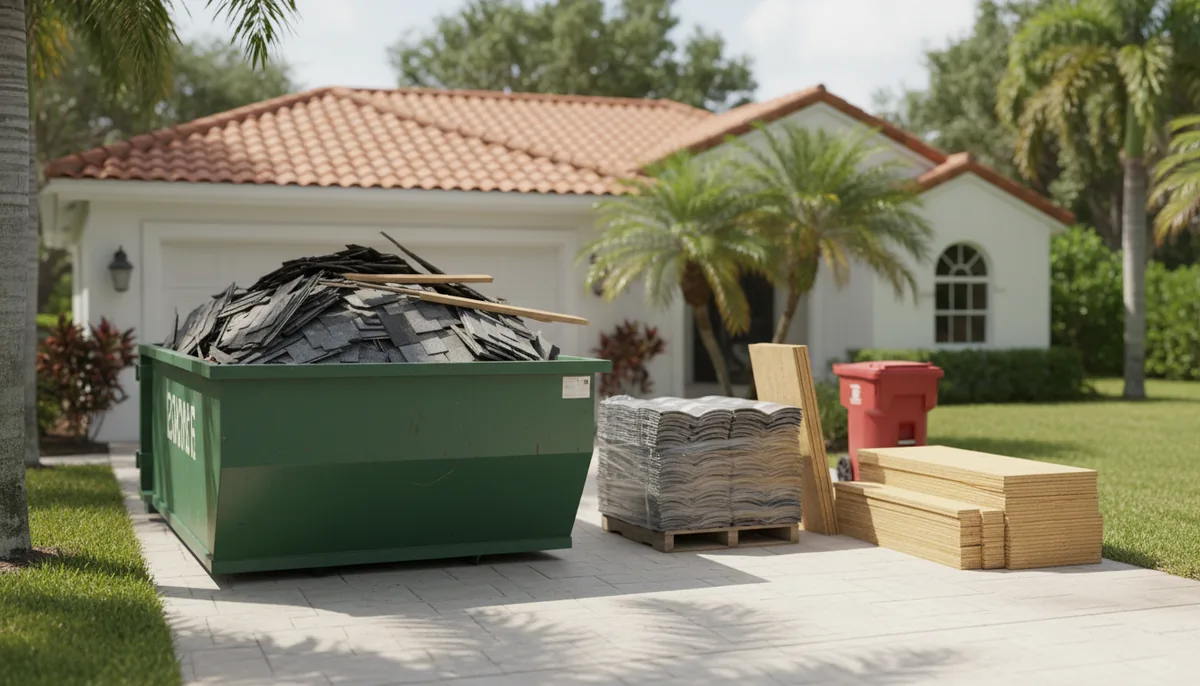
This is the million-dollar question. The answer depends on what is under the tiles. If your underlayment is failing and the deck is wet, you are looking at a full replacement. Hot-mopping the deck and laying new tile is a big job. If your underlayment is in decent shape, you might get away with just replacing broken tiles and re-bedding some of the ridge caps. The key is having someone who is actually willing to crawl around on the roof and look, not just tell you what you want to hear. I have seen contractors tell homeowners a perfectly good concrete tile roof needs to be torn off just because they wanted the job. And I have seen the flip side, a guy who said a roof was fine when the deck underneath was mush. Get two opinions. Maybe three.
Questions I get asked
Does my concrete tile roof have a set expiration date for insurance?
There is no single date that kills every tile roof on the state calendar. Insurance companies look at the age and condition. A roof that has been maintained and inspected will get a much better reception than a roof that is 25 years old and has never had a single maintenance visit.
What is a wind mitigation inspection worth?
A wind mitigation inspection documents roof covering, deck attachment, roof-to-wall connection, roof geometry, secondary water resistance, and opening protection. Those are exactly the things that make your home stand up better in a storm. Since Florida insurers must offer discounts for qualifying features, your insurance premium can go down. The inspection typically costs a fraction of the yearly savings it can open up.
Can I walk on my own concrete tile roof?
You can, but you probably should not. Concrete tile is unforgiving. A lot of cracked corners and broken tiles I see are from homeowner boots, not from hail. The tile is brittle and it will crack if you hit it wrong. And the last thing you need is to crack a tile, not realize it, and then have water find its way in a month later. Leave the walking to the people with the right shoes.
What happens if my roof is older and my insurance renews anyway?
You may get a non-renewal notice or you may get a letter saying you have to get an inspection. That is where Florida Statute 627.70132 and Citizens Property Insurance Corporation come into play, depending on who your carrier is. The mechanics can vary, but the response is the same, document the roof's real condition and get a signed report from a licensed contractor.
Is My Safe Florida Home worth waiting for?
It can be worth a lot of money, but it depends on your income and your home's specific needs. The program has rules and it is not a blank check. Do your research and see if you qualify. Anyone who promises to "get you approved" for a state grant is selling something.
When is it smarter to just replace the whole roof?
When the deck is compromised. If the plywood is rotted out, if the framing is sagging, then putting new tile on top is just polishing a turd. Once you get moisture into the deck, the structural integrity is gone. You need a structural repair. Honestly, if you can stand in the attic and see daylight through any spot other than a vent, you are at the replacement threshold.
A concrete tile roof is a big investment. It can genuinely last a half-century or more if you treat it right. But the roof over your head is only doing its job if the entire system, tile, underlayment, flashing, deck, and ventilation, is working together. If you are buying a house with an older tile roof, get a specialist up there before you sign. If you are staying in your house, put a maintenance reminder in your calendar. And if you are staring at a denial letter from your insurance company, do not give up at the first page. There is often a path forward.