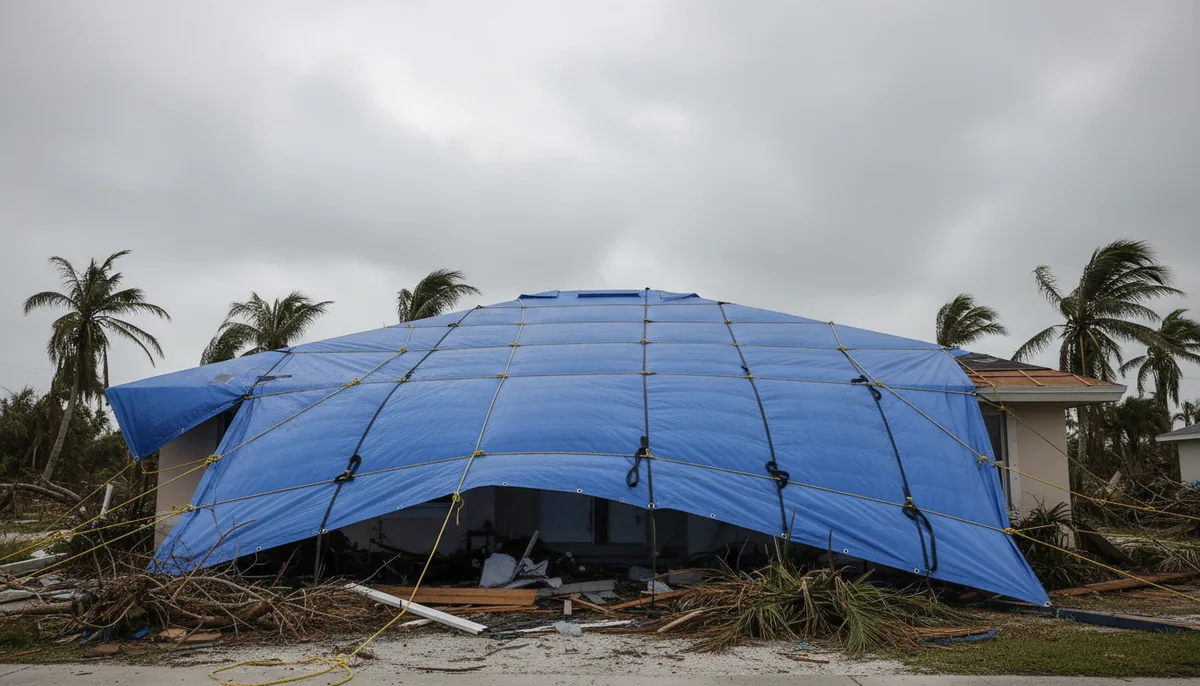
Emergency roof repair central Florida — How Bad Is It, Really?
By Dale Prescott, Roofing contractor, Central Florida. Reviewed by Hal Winstead, Editor, licensed roofing contractor.
On a Tuesday in DeLand I was standing on a clay tile roof that was supposed to be one broken tile. The sheet under my boot let go, the valley came apart, and I grabbed the ridge before I rode a load of barrel tile into the driveway. If you're reading this because you just typed "emergency roof repair central florida" into a phone at midnight with a plastic bin under a drip, you're not after my war stories—you need a short list of people who answer, so start with the emergency roofing companies in Florida directory and call from there.
I'm Dale Prescott. Twenty-two years running tile and shingle crews between Orlando and the coast, and I've torn off more storm-damaged roofs than I care to count. I'm not a lawyer or a licensed adjuster. I'm the guy who shows up the next morning and tells you wether you're looking at a repair, a replacement, or an insurance conversation.
The roof doesn't care what you paid for it, what the last inspector said, or how much you don't want to spend this month. It cares about the next storm. So let's talk about how bad it really is.
What sends people searching for "emergency roof repair central florida"?
Usually it's one of three things: water coming through a ceiling, a tree branch punched a hole, or the guy on the next block had a roofer at the door and now everyone is scared. I answer the phone the same way every time. Where's the water, and when did it start?
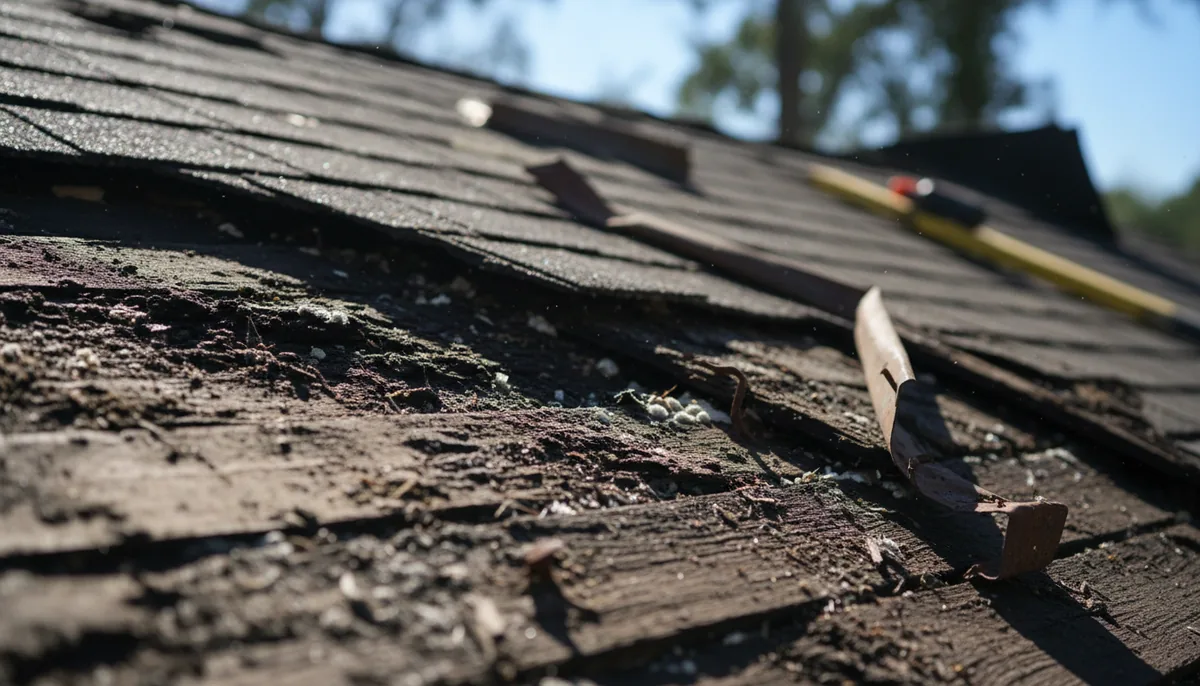
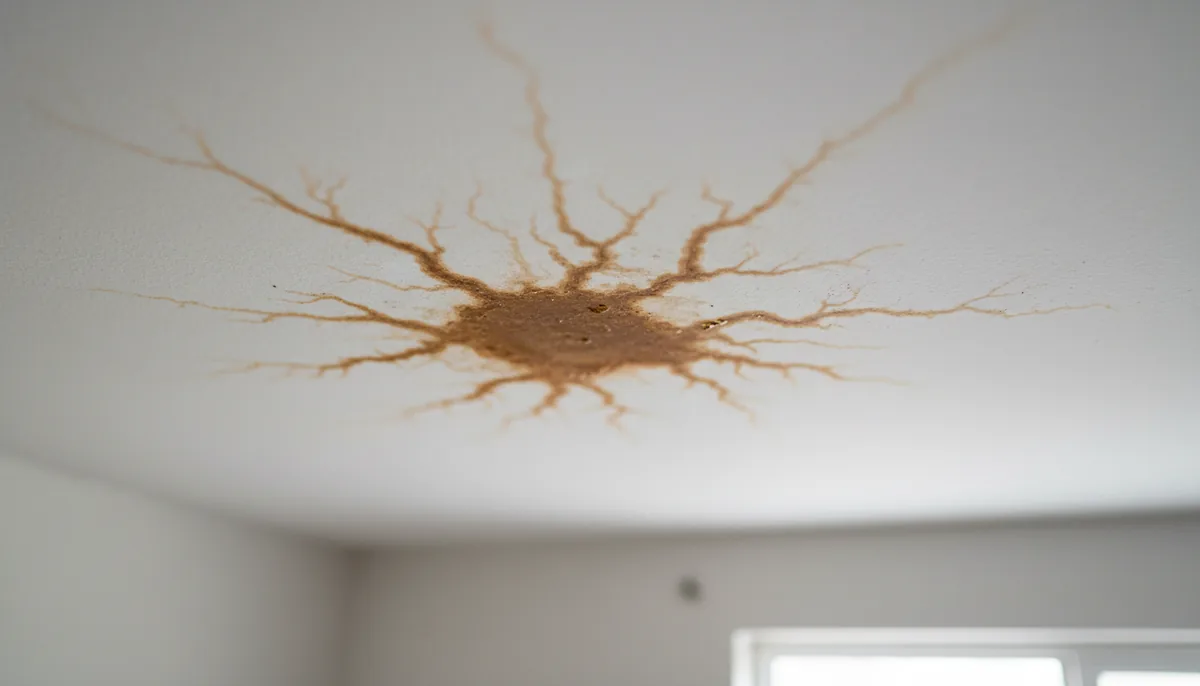
Water inside the living space is an emergency. Open decking with rain on the radar is an emergency. A few lifted shingles after a thunderstorm? That's a repair, not a panic. Call it urgent if there's a direct path for water into the house. It also depends on what's under there. A roof can look bad and still be dry, or look fine with rotted decking underneath. I've opened up what looked like a one-tile fix and found four sheets of plywood that belonged in a landfill. Some are. Some are not. But you don't know which one you're dealing with until somebody pulls back the shingles.
The 25% rule everybody quotes is not the rule anymore
Every storm season I meet a homeowner whose neighbor is already telling them the county will force a whole new roof. That comes from the old 25% rule. Under that rule, if you repaired or replaced more than a quarter of a roof in any 12-month period, you had to bring the whole roof up to current code. It made sense for it's time. A lot of roofers still quote it because it sells roofs.
Then Florida changed it with SB 4-D (2022). If the roof was built, repaired, or replaced to the 2007 Florida Building Code or any later edition, only the portion being worked on has to meet current code. A full replacement is no longer automatically triggered by a repair. But there's a catch: the 2007 code didn't take effect until 1 March 2009. Roofs finished before that generally don't get the break. I have been wrong about this before, so the local building official is the final word. Still, don't let a salesman use an old rule to scare you into a new roof.
What I would actually do: Find out what code the roof was built under before you agree to a full replacement. A permit record from the county will say. If a roofer won't look at it, that's a sales pitch, not an inspection.
Permits, inspections, and a licence you can actually check
Nobody likes the permit conversation. I get it. But a roof replacement in Florida requires a permit from the local building department and an inspection, and a contractor who says you can skip it is a contractor to walk away from. An unpermitted roof can complicate an insurance claim, and it can make a future sale go sideways. That paper trail matters.
Licensing is easier to check than most people think. Florida roofing contractors are regulated by DBPR, and the license number tells you alot. DBPR licence prefixes CCC and RC are where it starts. A number begining with CCC means certified, good anywhere in Florida. An RC means registered, only good in the local jurisdiction that licensed them. The active status is what counts, not the magnet on the truck. Look the number up on the DBPR roll before anyone gets on a ladder.
After a big storm, out-of-state crews show up in trucks with temporary tags and a story about a job down the road. Some are fine. Some are just fast talkers. If they can't produce a license number before they knock on the next door, you're not the customer. You're the lottery ticket.
What I would actually do: Check the contractor's licence number on the DBPR roll before you sign anything. If the number isn't active, the conversation is over.
The insurance clock is shorter than people think
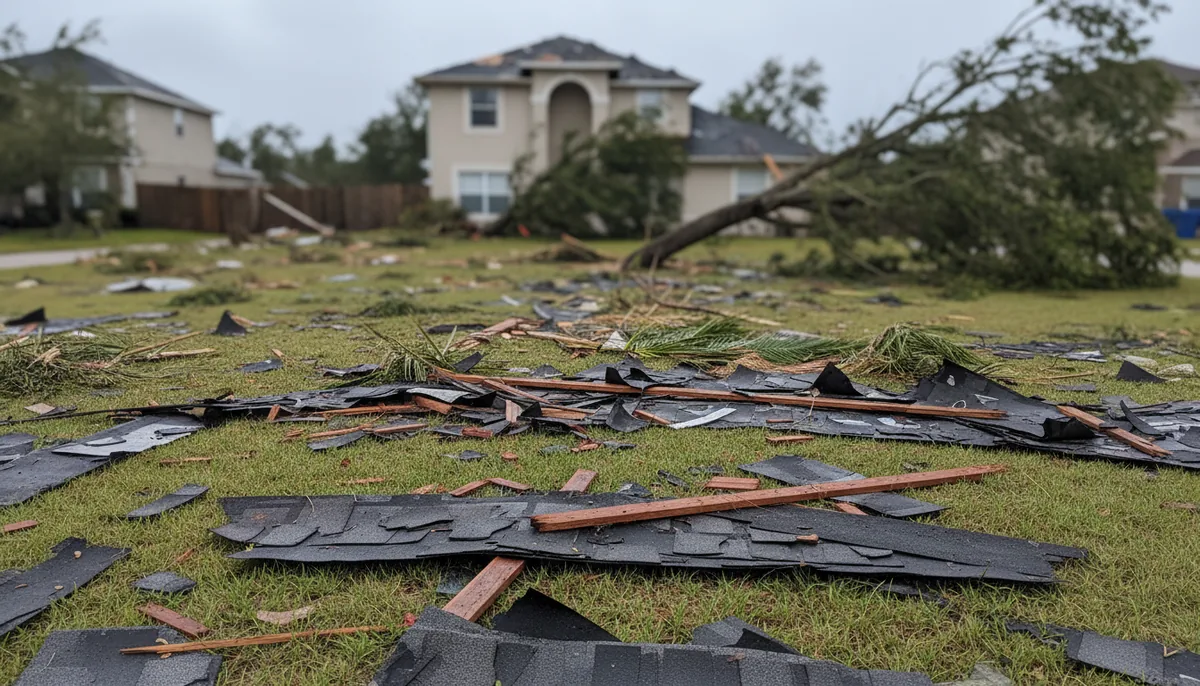
Insurance is a seperate world from roofing, but I get pulled into it because storm damage brings both together. The thing I see more than I'd like is the homeowner who waited because the leak didn't show up until the fourth rain, and then the insurer says no.
Under Florida Statute 627.70132, the clock runs from the date of loss, not the date you discovered the damage. Initial or reopened claim notice has to be given within one year of the date of loss. Supplemental claims have 18 months. Those windows used to be three years. They aren't anymore. Miss the deadline and the insurer may have a complete defense, even on a loss that would otherwise be covered.
What does your policy cover? I don't know, and neither does any roofer who hasn't read it. Coverage varies by policy. Read your declarations page, ask your agent what your deductible is, and pay attention to those dates. If someone promises you a free roof before they've looked at the policy and the damage, they're selling you something you might have to pay for later.
Questions I get asked
What counts as a true roof emergency?
Active water inside the house is an emergency. A few missing shingles usually aren't. If the decking is exposed and rain is coming, that's an emergency too, even if the water hasn't found its way inside yet.
Should I get on the roof myself to check?
No, and I wish more people didn't. A wet roof after a storm is slick, the shingles can be loose, and the gutters might be full of debris. Take photos from a window or the ground. Let somebody with a ladder and the right shoes do the climbing.
Can they really force me to replace the whole roof?
Not automatically, if your roof was built under the 2007 Florida Building Code or later. SB 4-D (2022) changed the old 25% trigger. But if your roof is older than that, a repair can still pull the whole roof into current code, depending on the scope. That's why the age and permit history matter before anyone quotes.
How do I know a roofer is actually licensed in Florida?
Ask for the license number and look it up on the DBPR roll. A CCC is certified and can work anywhere in Florida. An RC is registered and can only work in the jurisdiction that licensed them. No active number, no ladder.
Why do you keep asking when I first noticed the leak?
Because the date of loss starts the clock, not the date you found the leak. Under Florida Statute 627.70132, an initial or reopened claim has to be noticed within one year, and a supplemental claim within 18 months. The date matters more than the damage sometimes.
What should I do before the roofer arrives?
Take dated photos, write down when you first saw the leak, and put a bucket under the drip. If it's safe, move things away from the water. Don't touch a sagging ceiling. Don't climb onto the roof in the rain. That's my job.
More from the site
- Roof damage lawyer florida — How Bad Is It, Really?
- Emergency roof repair after storm south florida — How Bad Is It, Really?
- Signs of roof damage in florida — How Bad Is It, Really?
- Roof damage attorney florida — How Bad Is It, Really?
- Emergency roof repair southwest florida — How Bad Is It, Really?