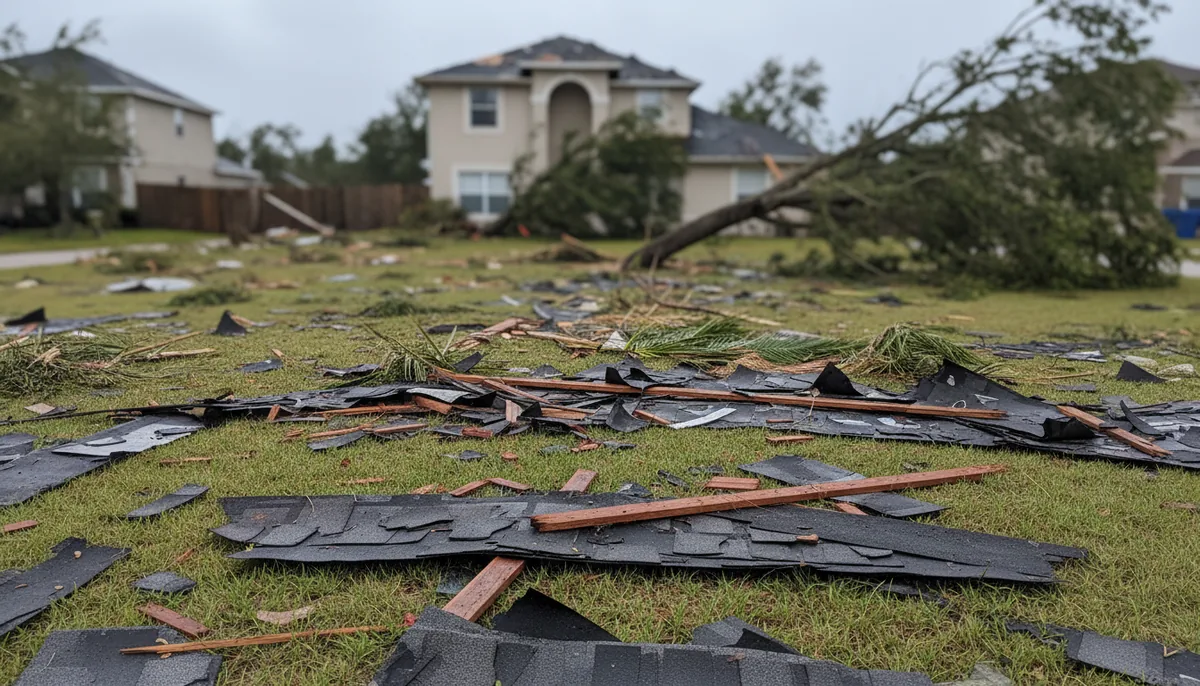
Signs of roof damage in Florida — How Bad Is It, Really?
By Dale Prescott, Roofing contractor, Central Florida. Reviewed by Hal Winstead, Editor, licensed roofing contractor. I was up on a barrel-tile roof in DeLand on a Tuesday afternoon in August, the kind of heat that makes the tar smell like it's cooking in your own skull. The homeowner had called about a "small leak" in the hallway. I found it—a valley flashing that had pulled away from the underlayment by maybe half an inch. But what I saw next stopped me cold. The tile under my feet wasn't seated right, and when I lifted a broken piece, the felt underneath was so rotten it crumbled like a saltine cracker. The "small leak" was the least of that roof's problems. The whole south slope was a ticking bomb. If you're seeing stains on your ceiling, you might be at the start of that same conversation, or a thousand dollars past it. You can find a solid list of roofing companies in Florida that will actualy come out and look, but you need to know what you're looking at first.
I've been running tile and shingle crews between Orlando and the coast for twenty-two years. I've torn off more storm-damaged roofs than I care to count. And I'll tell you straight—most of the damage I see isn't from the hurricane itself. It's from the water that gets in the week after, because nobody caught the small problem.
Let's walk through what matters. Not the scare stories, not the insurance commercials. Just what a guy who's been on your roof will tell you.
The 25% rule isn't what it used to be, thank God
For a long time, Florida had this thing called the "25% rule" in the building code. The short version was this: if you repaired or replaced more than a quarter of your roof in any 12-month period, you had to bring the whole roof up to current code. That meant a full replacement. You could of a perfectly good 15-year-old roof and one bad section, and if the repair pushed you over that line, you were buying a whole new roof.
That changed with SB 4-D (2022). Now, if your roof was built, repaired, or replaced under the 2007 Florida Building Code or any later edition—which took effect back in March of 2009—then only the part you're working on has to meet current code. A full replacement isn't automatically triggered anymore.
Here's the catch. If your roof went on before March 2009, the old rule can still bite you. Call it the grandfather clause from hell. I of been wrong about this before, and I've seen adjusters get it wrong too. The age of your roof and the permit history matter more than the visible damage. Don't let a contractor tell you "we got a workaround" without checking the actual age of your roof first.
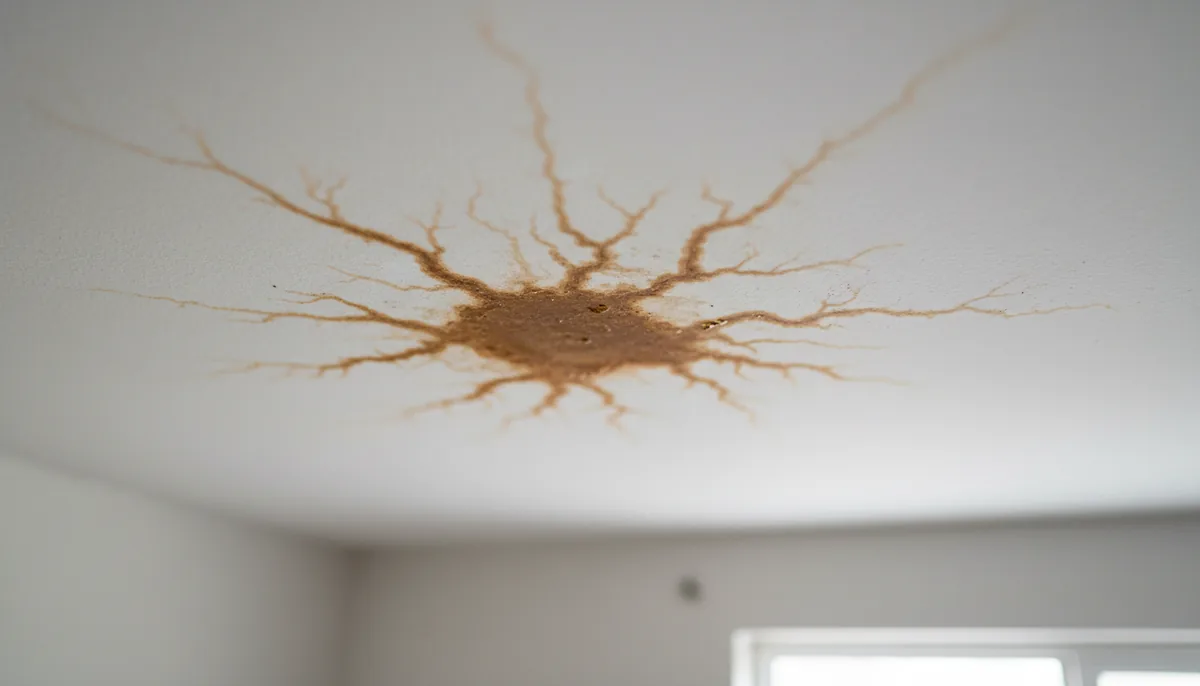
That ceiling stain is telling you a story
A brown circle on your ceiling is water that already got in. That's not the question. The question is where it came from and how long it's been traveling. Water is lazy. It runs down a rafter, hits a nail, drips off, runs along a different board. The stain in your living room could be a leak from three feet away, or thirty feet away. Depends what is under there.
Get up in the attic with a flashlight. Look for the dark trails on the wood. Feel the insulation for wet clumps. And look at the underside of the roof deck—if you see black streaks running down the nails, that's the deck sweating moisture. That's the real sign. A roof can look fine from the outside and be rotting from underneath, and you won't know until the deck gives way.
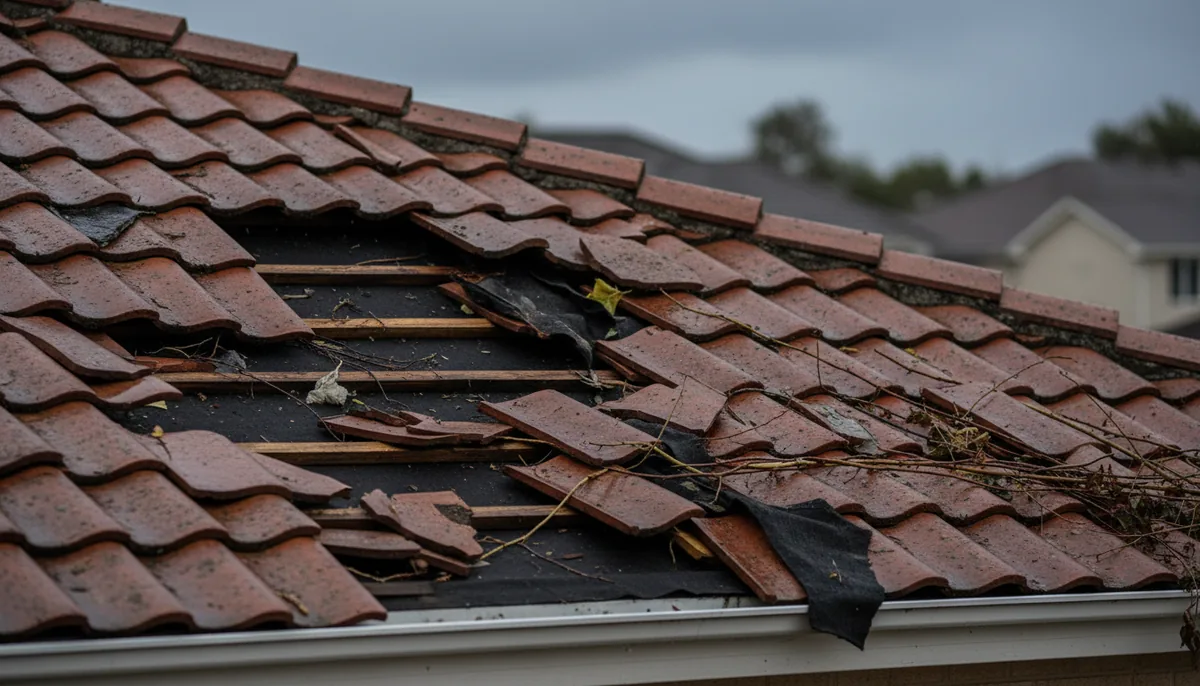
What I look for when I walk a roof
I don't just look for missing shingles or cracked tile. That's the amateur stuff. I'm looking for the damage that happens between the obvious pieces.
First, the flashings. This is where I see the most trouble. Pipe boots cracked and brittle from the sun, valley metal rusted through, step flashing pulled away from the wall. Anywhere two surfaces meet, water will find a way in. The sealant around your chimney or skylight? It's probably older than your kid's phone. It's failing.
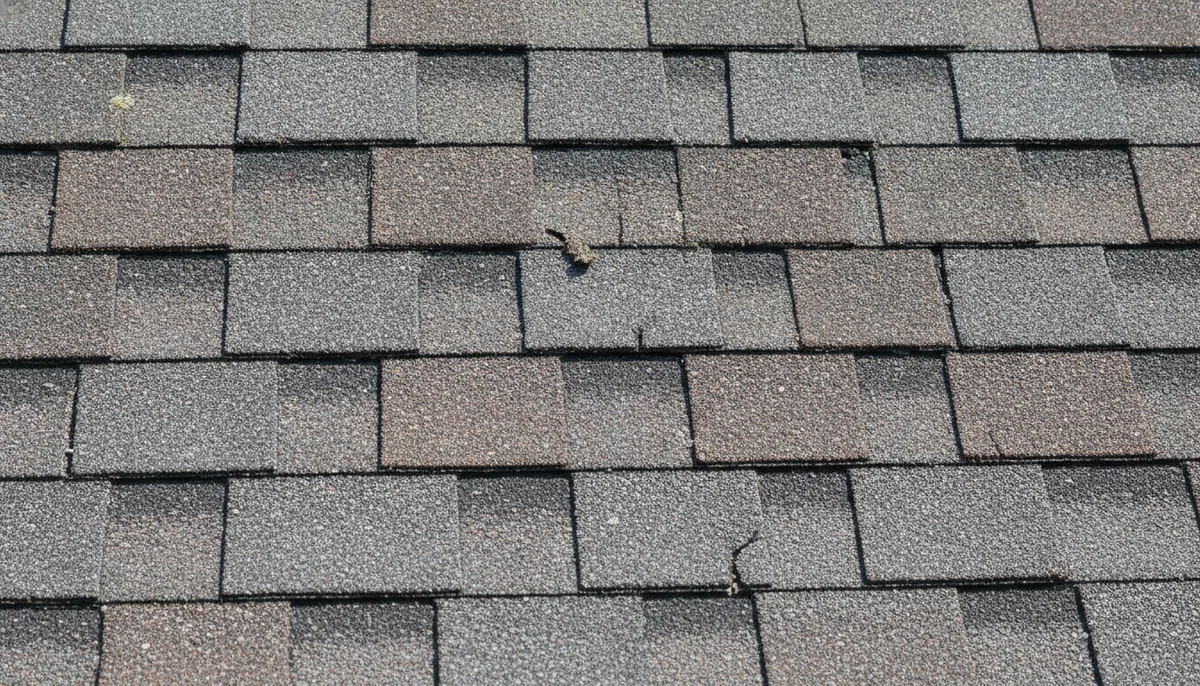
Second, the granules. Look in the gutters and downspouts. If you see piles of sand-like grit collecting after a rain, that's the protective coating washing off your shingles. A shingle without granules is a shingle that's dying.
Third, the soft spots. Walk the roof. If you feel a give under your feet, the decking is rotten. Call it the bread test. That's not a repair; that's a section of roof deck that needs to be cut out and replaced. Give or take a few square feet, depending on how far the rot has spread.
What I would actually do: If you're seeing granules in the gutters, grab a handful. Rub them between your fingers. If they crumble to dust, the fiberglass mat is exposed. That shingle is done, and the ones next to it aren't far behind. Don't wait for the next storm.
The permit game and why you don't skip it
A roof replacement in Florida requires a permit. Period. It gets pulled from your local building department, and there's an inspection at the end. This is not optional, and it's not just paperwork. That inspection is the one time a third party confirms the work wasn't done by a drunk monkey.
A contractor who offers to skip the permit is a contractor to walk away from. I'll say that again, because I've seen the aftermath. An unpermitted roof can complicate an insurance claim like you wouldn't beleive, and when you go to sell the house, the buyer's inspector will find it, and the deal will fall apart. I had a customer in Sanford who saved two thousand bucks on a permit-skipping roofer. Three years later, the roof leaked, and his insurance company asked for the permit paperwork. He didn't have it. They denied the claim. He paid for a second roof out of pocket. That's the real cost.
Check the license number, too. Florida roofing contractors are licensed by the Department of Business and Professional Regulation. A certified contractor has a license starting with CCC and can work anywhere in the state. A registered contractor has an RC prefix and can only work in the county that licensed them. If someone gives you a card with no prefix, that's a red flag. Verify the number is active before you sign anything. It takes two minutes on the DBPR website.
The insurance clock is ticking before you know it
Here's the part that makes me angriest. Florida Statute 627.70132 says you have to give your insurer notice of an initial or reopened claim within ONE YEAR of the date of loss. For a supplemental claim—something extra you find later—it's 18 months. This was cut down from three years. And the clock starts from the date the damage happened, not the date you found it. That's the cruel part.
I see it all the time. A storm blows through in July. The homeowner shrugs it off. In November, they notice a small leak. They call a handyman who patches it. In February, the roof fails completely. They call me, and I tell them to call their insurance. And the adjuster says "the initial claim is denied—the date of loss was in July." That's a complete defense for the insurer, even if the loss was covered. I'm not a lawyer and I'm not an adjuster, and you need to read your own policy, but I know what I've watched happen in my customers' living rooms. If the damage happened, file the notice. Don't wait to see if it's "bad enough."
What I would actually do: Take photos of your roof today. Walk the perimeter and shoot the tiles or shingles. If you see anything suspicious, get it documented. Then put the date on a sticky note in your phone. If a storm hits, you have a baseline and a date. That piece of paper could save your claim.
The inspection question, and a digression about the weather
I should say this: a roof is not a forever thing. In Central Florida, with this sun and those afternoon thunderstorms, a shingle roof lives maybe 15 to 20 years. Tile can go longer, but the underlayment underneath it doesn't—that felt and synthetic stuff is what actually keeps the water out. The tile is just armor. You can have gorgeous, intact barrel tile on top of a completely failed roof deck. I've torn off tile that looked brand new from the curb and found plywood so wet I could push my thumb through it.
And while I'm at it, let me gripe about the wheather. People ask me "is it a good day for roofing?" They see blue sky and think it's fine. They don't understand that the sun beating down on a black shingle makes the surface hot enough to soften the asphalt, and then I step on it and leave a footprint that turns into a weak spot. And they don't understand that the real danger is a pop-up thunderstorm at 3 PM that dumps an inch of rain on a roof we've opened up. I've lost more afternoons to those damn pop-up storms than I have to hurricanes. You can't schedule around Florida weather. You can only respect it.
Questions I get asked
How do I know if my roof damage is from a storm or just old age?
The insurance adjuster is the one who makes that call. But from my side, storm damage has a pattern. Wind lifts shingles and cracks them at the base. Hail hits create little dings with dark centers. Old age looks different—it's granular loss, curling edges, cracked flashings. I can usually tell, but adjusters have their own rules.
Do I really need to hire an inspector before I call the insurance company?
You need a contractor you trust to look at it first. I'm not saying that to drum up business. A good roofer can tell you if the damage is even worth a claim. Sometimes you have a $500 repair and a $2,500 deductible. You don't want an insurance claim on your record for that. Ask around. Get a recommendation. Don't hire the guy who knocks on your door after a storm.
What is Citizens Property Insurance Corporation?
It's the state-backed insurer of last resort in Florida. If you can't get coverage from a private company, you're with Citizens. And Citizens will generally require an inspection before they write a policy, and they have their own rules about roof age and condition. If you're with them, ask about their inspection requirements before you assume anything is covered.
How long does the whole process take?
Depends on the time of year, the size of the roof, and the weather. A straightforward shingle roof on a single-story house can be done in a day or two. Tile takes longer. And the permit inspection—that's the wildcard. It can take a week or more to get the inspector out there, depending on the county.
What about the My Safe Florida Home program?
That's a state program that offers free wind mitigation inspections and potential grants for hardening your home. It's worth looking into, but the funding comes and goes. If you can get an inspection, do it. Wind mitigation credits on your insurance policy can save you real money, and the inspection might show you weak spots you didn't know about.
Is a roof replacement going to bankrupt me?
That depends on the square footage, the pitch, the access, and the material. I can't give you a number without seeing it. But here's the thing—a new roof isn't just about stopping leaks. It's about the insurance. Many companies won't write a policy on an old roof at all, or they'll jack up the rate. The roof is part of the cost of owning a house in Florida. You can't avoid it. You can only plan for it.
If you're walking around your property and you're not sure what you're looking at, find a contractor who will get on the roof with you. Not one who takes a photo from a drone and gives you a quote off a screen. One who gets his hands dirty and shows you the problem on the surface. That's the guy who's going to be honest about what's actually wrong.