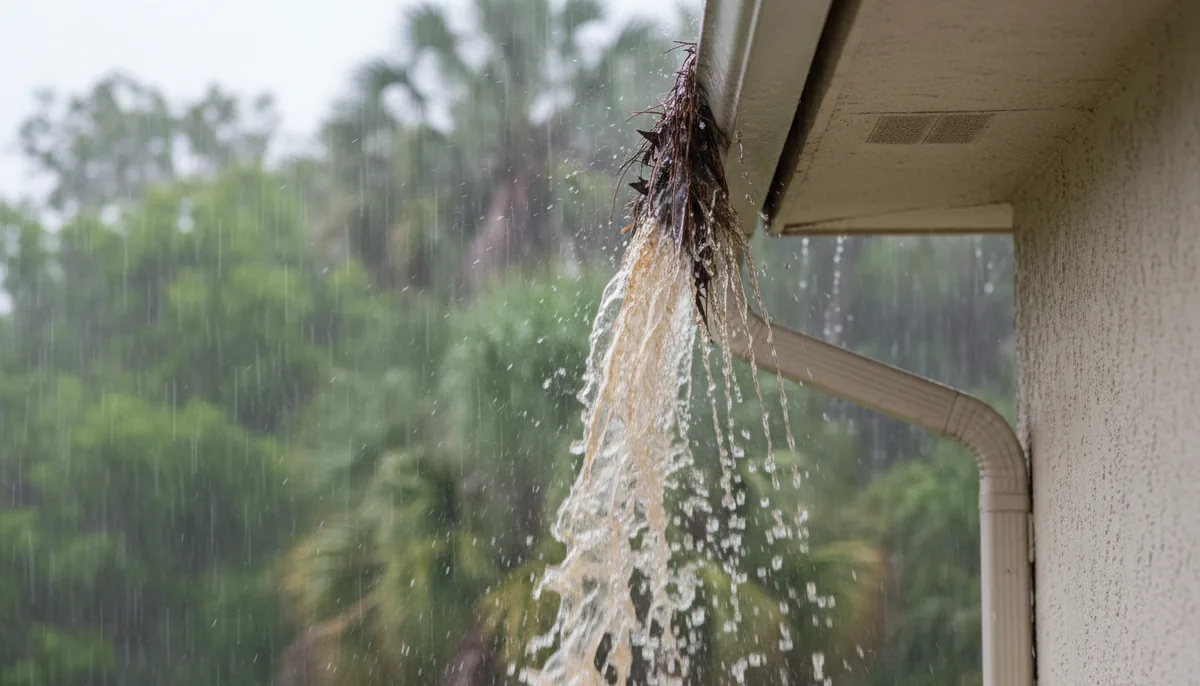
Roof damage lawyer Florida — How Bad Is It, Really?
By Dale Prescott, Roofing contractor, Central Florida. Reviewed by Hal Winstead, Editor, licensed roofing contractor.
That afternoon in Deltona, I had a tile roof torn open down to the deck, and the plywood underneath was so rotted that a screwdriver went through it like a spoon into warm ice cream. The homeowner stood in the driveway with an insurance denial in her hand and asked wether it was really that bad or whether I was just selling her a roof. It was that bad. I've been wrong about this before, but not on that roof. Before she called a lawyer, I told her to get a second set of eyes from the roofing companies in Florida directory—someone who would climb the ladder and look at the same hole with her.
Twenty-two years running tile and shingle crews between Orlando and the coast, I of torn off more storm-damaged roofs than I care to count. And almost every question about a roof damage lawyer starts the same way: an adjuster says no, or a roofer says the whole roof has to come off, and the money gets real.
Let me be plain about who I am. I am a roofer, not a lawyer, and I am not a licensed adjuster. I can tell you what the deck looks like under the tile and what the permit office is going to ask. For the legal side, you read your own policy and talk to somebody who went to law school. But I can tell you what I have seen from the top of a forty-foot ladder.
What I check before anyone says the word lawsuit
People type "roof damage lawyer florida" into their phones after the numbers stop making sense. Before you do that, I want an answer to the simplest question in roofing: what did the storm do, and what did time do?
A shingle that blew off Tuesday and a shingle that cracked in 2016 both leak. They are not the same problem. Coverage depends on your policy, not on how loud somebody talks. So the first thing I do is look at the damage the way an adjuster will: what is new, what is old, and what is just a roof that has lived a long hard life in the Florida sun. Depends what is under the shingle. Depends what the adjuster actually saw. Depends when the last big wind came through.
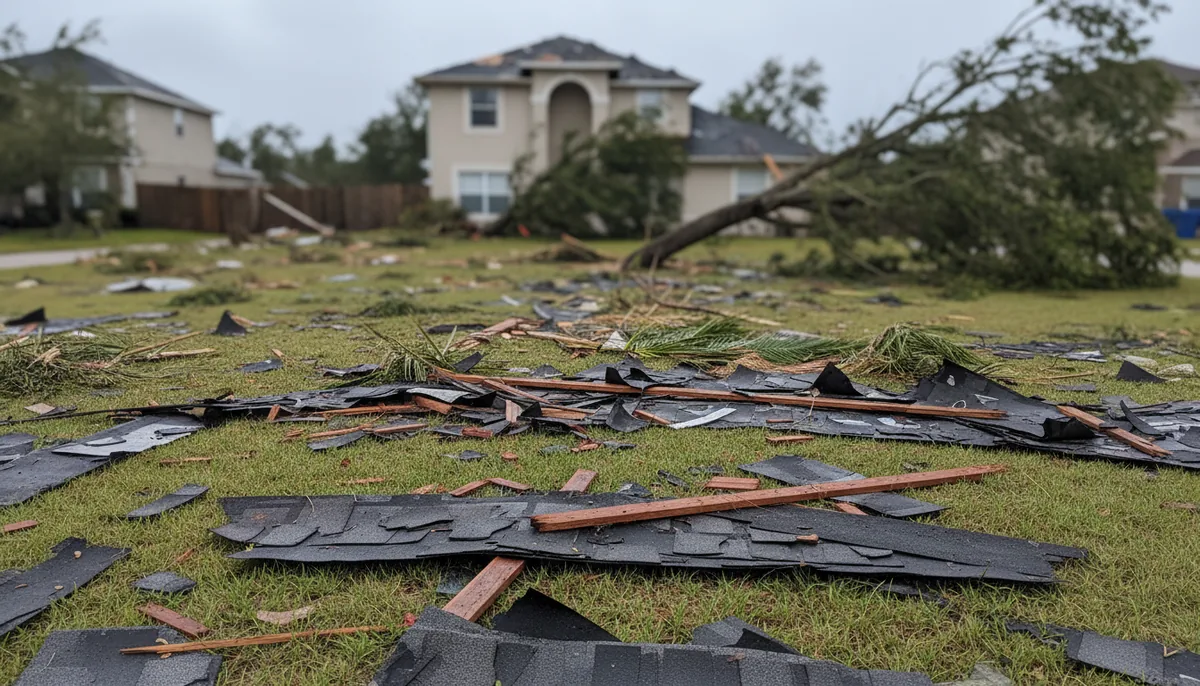
That old 25% rule is still scaring people
Here is one reason a roof damage lawyer gets called. A roofer tells you Florida's 25% rule means more than 25% of your roof can't be repaired without tearing off the whole thing. That used to be how it worked. If more than a quarter of the roof had to be repaired or replaced in any 12-month period, the whole roof had to be brought up to current code.
Then SB 4-D (2022) changed it for roofs that were built, repaired, or replaced under the 2007 Florida Building Code or any later edition. For those roofs, only the part being worked on must meet current code. A full replacement is no longer automatically triggered.
The catch is the date. The 2007 edition took effect on 1 March 2009, so a roof finished before that generally does not qualify. Call it a legacy rule. If a roofer or adjuster throws the "25%" phrase at you, ask exactly what code year they are using. I would bet a medium cup of coffee that alot of them are repeating what they heard in 2015.
What I would actually do: Ask the roofer to show you the current code language and the date of the last permit on the roof. If they cannot, treat "whole roof" as a bid, not a legal demand.
Permits, licenses, and the one shortcut to avoid
A roof replacement in Florida requires a permit pulled from the local building department, and an inspection. No way around it. A contractor who offers to skip the permit to save you time or money? Walk away. An unpermitted roof can complicate both an insurance claim and a future sale, and it makes the whole argument with the adjuster messier than it needed to be.
Roofing contractors are licensed by the Department of Business and Professional Regulation. The DBPR licence prefixes CCC and RC are the first thing I check. CCC means certified and licensed to work anywhere in Florida. RC means registered and only allowed to work in the local jurisdiction that licensed them. Look the number up on the DBPR roll and make sure it is active. If the name doesn't match or the license expired, you are not hiring a roofer. You are hiring a gamble.
What I would actually do: Before any lawyer gets involved, I check the DBPR roll for the roofer's license, then I call the city or county and ask whether a permit was ever closed out on the address. Ten minutes, and it tells you more than a demand letter will.
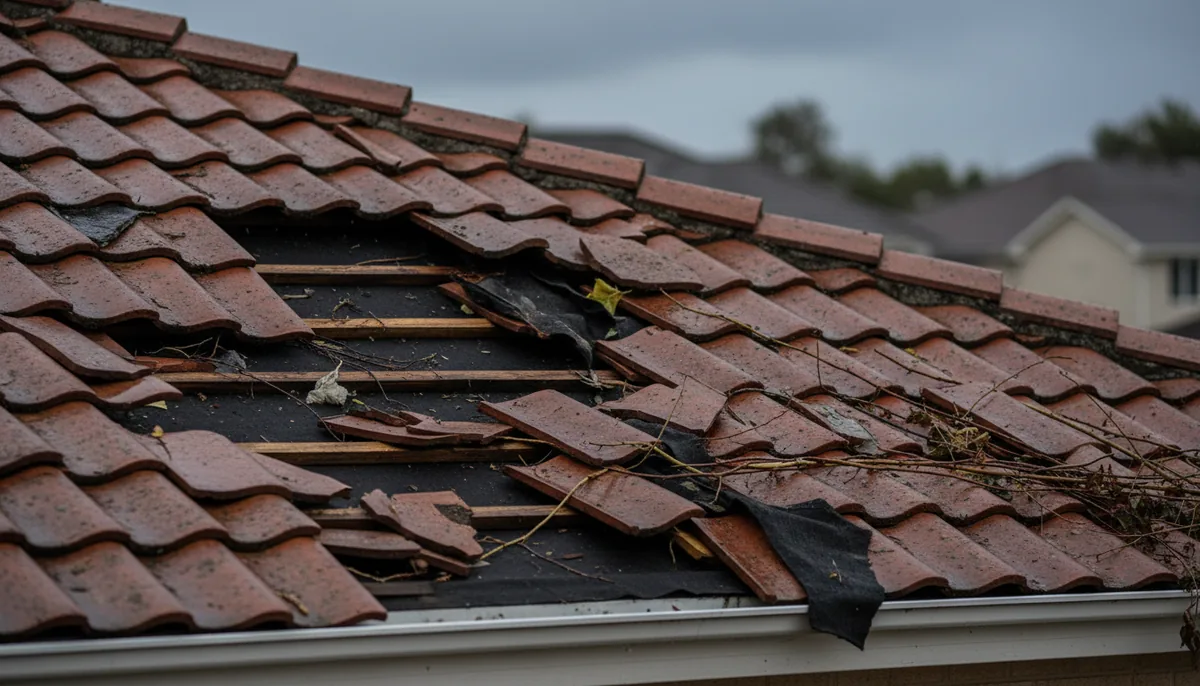
The one-year clock that steals the case
You can have a covered loss, a roof report that is cleaner than my truck on Monday morning, and still lose the claim by waiting. Under Florida Statute 627.70132, as amended in 2022, you have to give the insurer notice of an initial or reopened property insurance claim within one year of the date of loss. A supplemental claim gets 18 months from the date of loss. It used to be three years. Now it is not.
The clock starts when the damage happened, not when you found it. Miss that deadline, and the insurer has a complete defense even if the loss is covered. I have seen people wait for a second roofer opinion, then wait for a third, and by the time they call someone like me the legal question is already answered. Not by the policy. By the calendar.
Do not wait for a lawyer to file that notice. Ask your insurer what form they want. Some companies have their own process, and some use the state's standard form. The point is to get the notice moving before the deadline, not after the argument gets interesting.
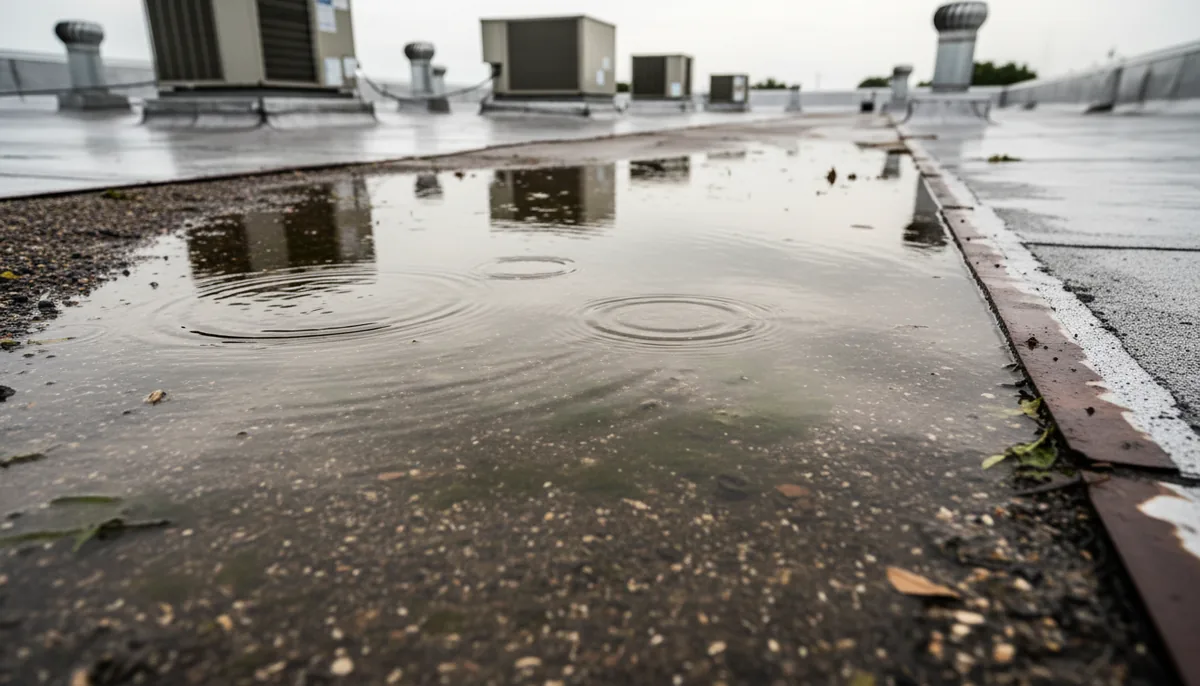
Roof damage lawyer florida: how bad is it, really?
So, how bad is it, really? Sometimes not as bad as the word "lawsuit" sounds.
I have been on roofs where the insurance check covered the replacement and the homeowner still wanted a lawyer involved because they were angry. I get the anger. But a lawyer is not a free second adjuster, and it is not a way to make the roofer work faster. I have also seen a legitimate claim denied over a missed deadline, and a lawyer get the conversation moving again. The difference is usually paperwork, not drama.
Read your declarations page. Read it before you call a lawyer, before you sign a repair contract, and definately before you post the denial letter on social media. Coverage varies by policy, and I do not know what yours says. Your adjuster does not know either until the claim file is open. If the loss is covered and the timeline is clean, you may not need a lawyer. If the insurer is hiding behind a technicality on a covered loss, that is when you find out what a lawyer is actually for.
Whenever somebody searches roof damage lawyer florida, I wish they had first searched "how to read my own insurance declarations page." It will not fix a rotten deck. It will tell you who might owe you money for the deck that used to be there.
Questions I get asked
My roofer says the whole roof has to come off because of the 25% rule. Is that right?
Maybe, and maybe not. Under SB 4-D (2022), if your roof was built, repaired, or replaced under the 2007 Florida Building Code or a later edition, only the part being worked on has to meet current code. The old full-roof trigger generally applies to roofs completed before the 2007 edition took effect on 1 March 2009. Ask the roofer to show you the permit history and the code edition they are relying on.
Do I need a roof damage lawyer florida to get my roof covered?
Usually no, not first. You need a copy of your policy, photographs of the roof, a licensed roofer's written report, and a claim notice filed before the deadline. A lawyer becomes useful when the insurer ignores policy language or uses a missed deadline that you beleive is wrong.
What should I do before I call a lawyer?
Write down the date the damage happened, the date you discovered it, and every conversation you have had with the insurer or roofer. Then read the declarations page. If you have not filed notice yet, do not wait for a lawyer to do it, because the clock is probably already running.
Is the insurance company required to pay for a full roof replacement?
That depends on your policy, not on the roofer's estimate or my opinion. Some policies pay replacement cost, some pay actual cash value, and some have exclusions you will not like. Read the declarations page and ask the adjuster to point to the exact provision they are relying on.
Can a roofer file a claim on my behalf?
No. The claim belongs to you, and the notice deadline belongs to you. A roofer can give you documentation and a contractor's opinion, but the insurance company owes you a duty, not the roofer. If a roofer insists on "handling" your claim, that is the moment to slow down and check their license status on the DBPR roll.
More from the site
- Emergency roof repair after storm south florida — How Bad Is It, Really?
- Signs of roof damage in florida — How Bad Is It, Really?
- Roof damage attorney florida — How Bad Is It, Really?
- Emergency roof repair southwest florida — How Bad Is It, Really?
- Visible exterior roof damage florida — How Bad Is It, Really?