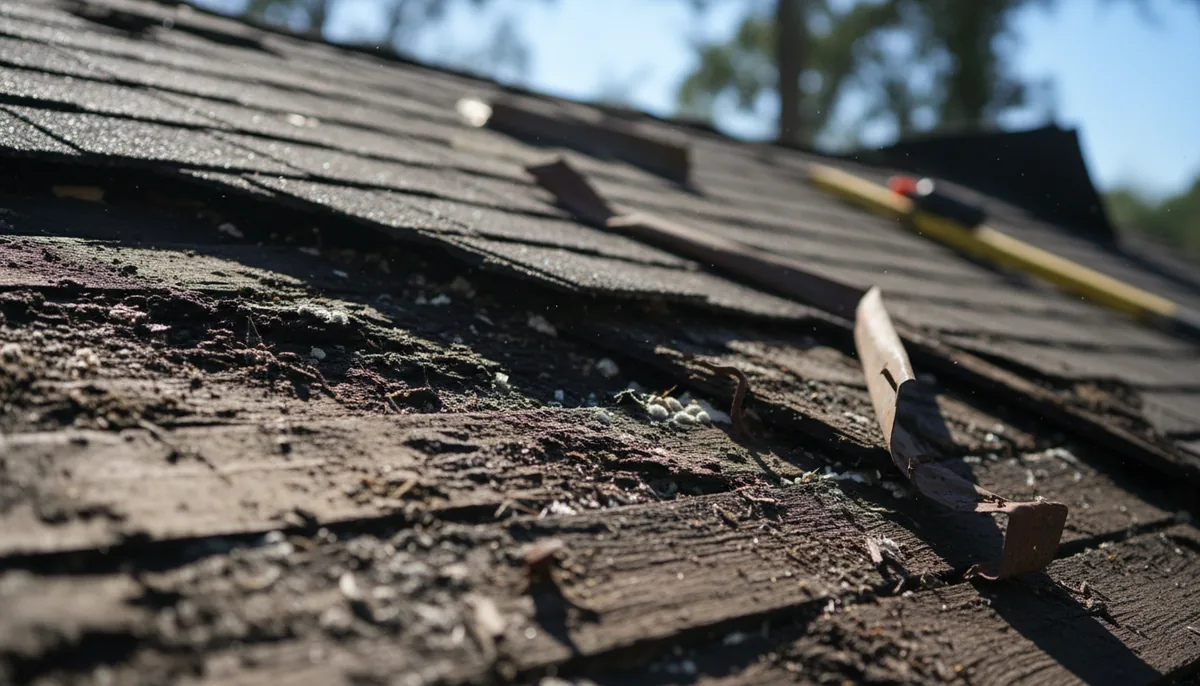
Emergency roof repairs Florida — How Bad Is It, Really?
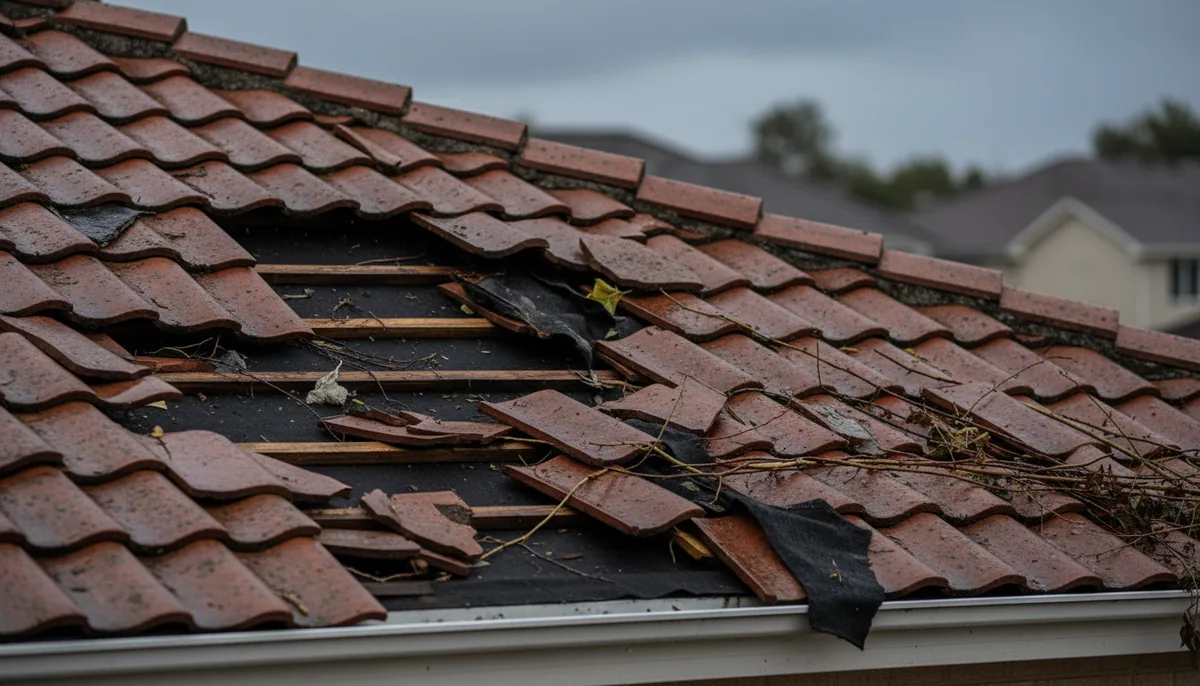
By Dale Prescott, Roofing contractor, Central Florida. Reviewed by Hal Winstead, Editor, licensed roofing contractor. I was up on a barrel tile roof in Winter Haven last July when the afternoon thunderstorm rolled in early. Not the usual three o'clock, but closer to one, and we had just cut the old field tile back to the shear line. The sky went that greenish-yellow color you learn to read in Florida, and before we could get the tarps down, the wind took a sheet of felt and wrapped it around a palm tree across the street. The homeowner came out with an umbrella, which I still think about. It was not an umbrella day.
That's the thing about emergency roof repairs florida. By the time you call somebody, the storm's already come through, the water's already finding it's way to your ceiling, and you're standing in the living room with a bucket and a lot of questions. I get it. You want somebody out there now. And if you're scrambling, that's exactly when you're most likely to get burned. That's why emergency roofing companies in Florida exists—to give you a place to start that isn't just whoever's magnet showed up on your fridge first.
I've been running tile and shingle crews between Orlando and the coast for twenty-two years. I've torn off more storm-damaged roofs than I care to count. And I've stood in more driveways explaining to a tired homeowner why their roof is or isn't a total loss than I can remember. Let me walk you through what actually matters when the sky opens up and you need emergency roof repairs Florida style.
First thing: get a tarp on it, not a contract
The water is the emergency. The roof replacement can wait a week. If you call a roofer who shows up within the hour and immediatly starts talking about full replacement costs before he's even looked at the ridge line, slow down.
What I would actually do first, on my own house: get somebody up there to tarp the bad spots so the rain stops coming in. That buys you time to breathe, to check your insurance, to get a second opinion if you need one. A tarp job is not a roof replacement. Don't let anybody tell you otherwise.
And if a crew knocks on your door after a storm and says they just happen to be in the neighborhood with extra materials from another job? That's the oldest script in the book. I've seen it run for thirty years. Run it off your property.
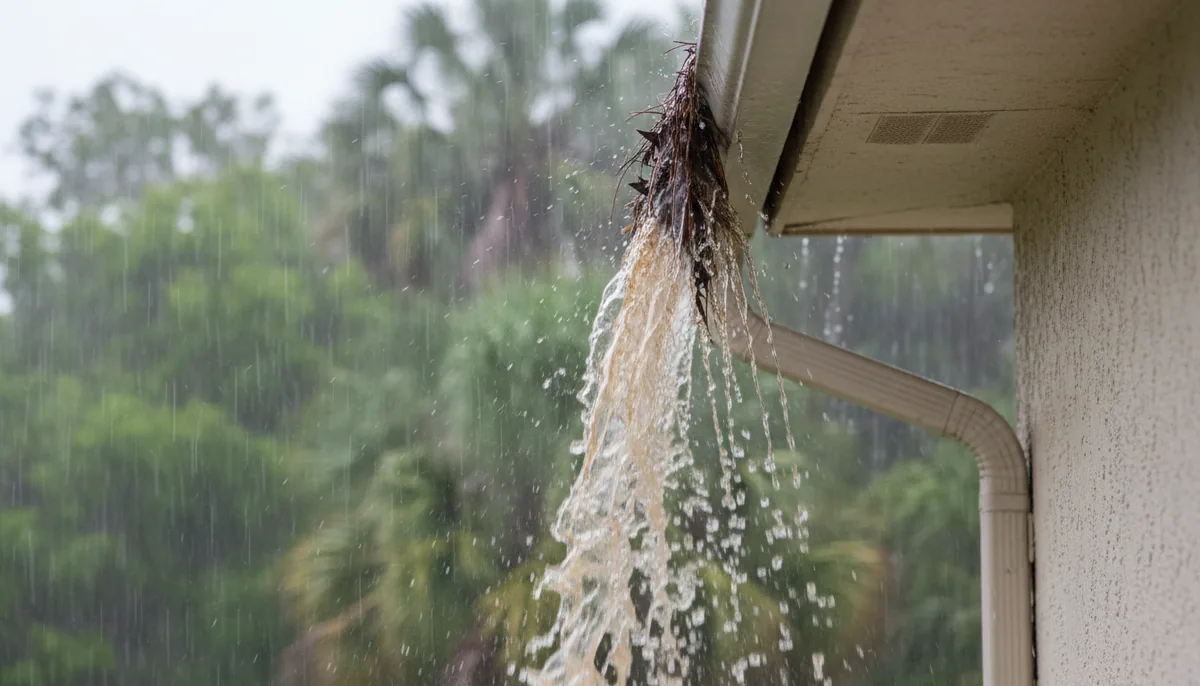
Emergency roof repairs florida: know the license rules
Any contractor doing work on your roof in Florida needs to be licensed by the state. You can check them yourself on the DBPR roll. The licence prefixes CCC and RC tell you what you're dealing with. A certified contractor with a CCC prefix can work anywhere in Florida. A registered contractor with an RC prefix is limited to the local jurisdiction that licensed them. If you're in Polk County and somebody hands you a card with an RC license from Dade County, that's a problem.
I have been wrong about this before, but twenty-two years in, I still check. It takes two minutes. Don't take my word for it, don't take their word for it—go look at the roll.
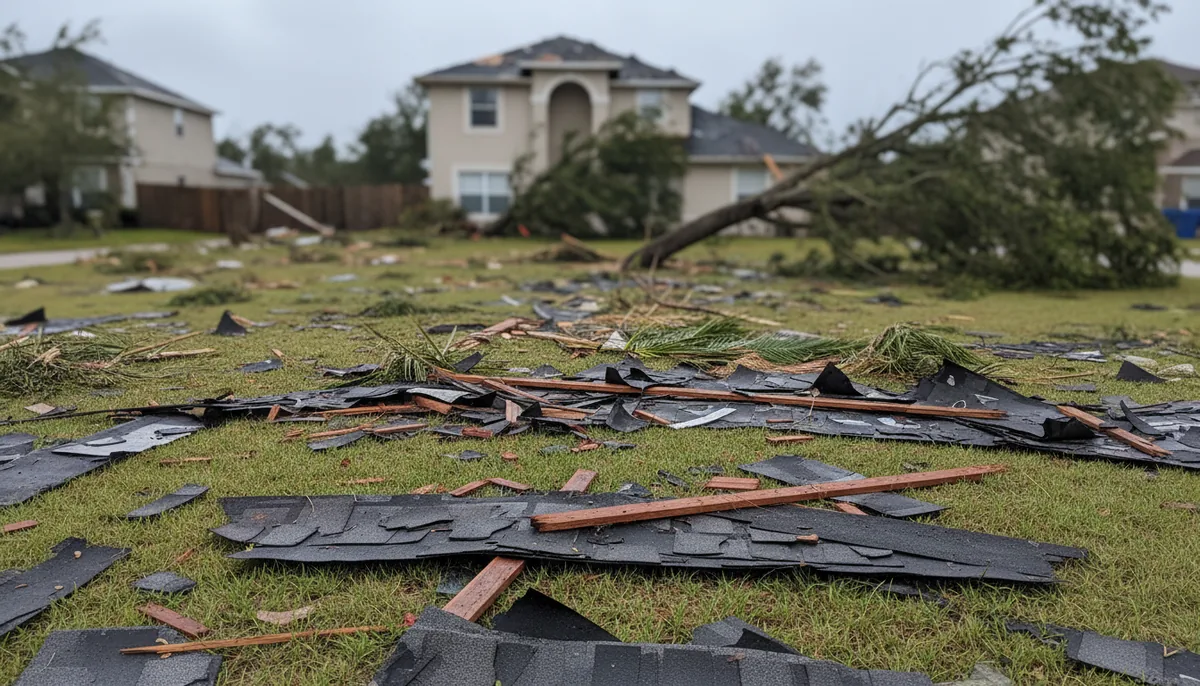
The "25% rule" and what SB 4-D actually changed
Here's where it gets confusing for a lot of homeowners. For years, Florida had what everyone called the 25% rule. If you repaired or replaced more than a quarter of your roof in a twelve-month period, you got pulled into bringing the whole roof up to current code. That meant a full replacement, a lot of the time.
Then SB 4-D (2022) changed the game. If your roof was built, repaired, or replaced under the 2007 Florida Building Code or anything newer, then only the section you're actually working on has to meet current code. A full replacement isn't automatically triggered anymore. The 2007 code took effect in March of 2009. So if your roof is older than that, the old rule could still bite you. If it's newer, you've got more room to do a targeted repair.
This matters a ton after a storm when you're hoping a patch job will get you by. It changes the whole math. But it also depends on your local building department and the exact damage, because there are different requirements hiding in there. Don't let a salesperson give you a quick answer on this without pulling your permit history.
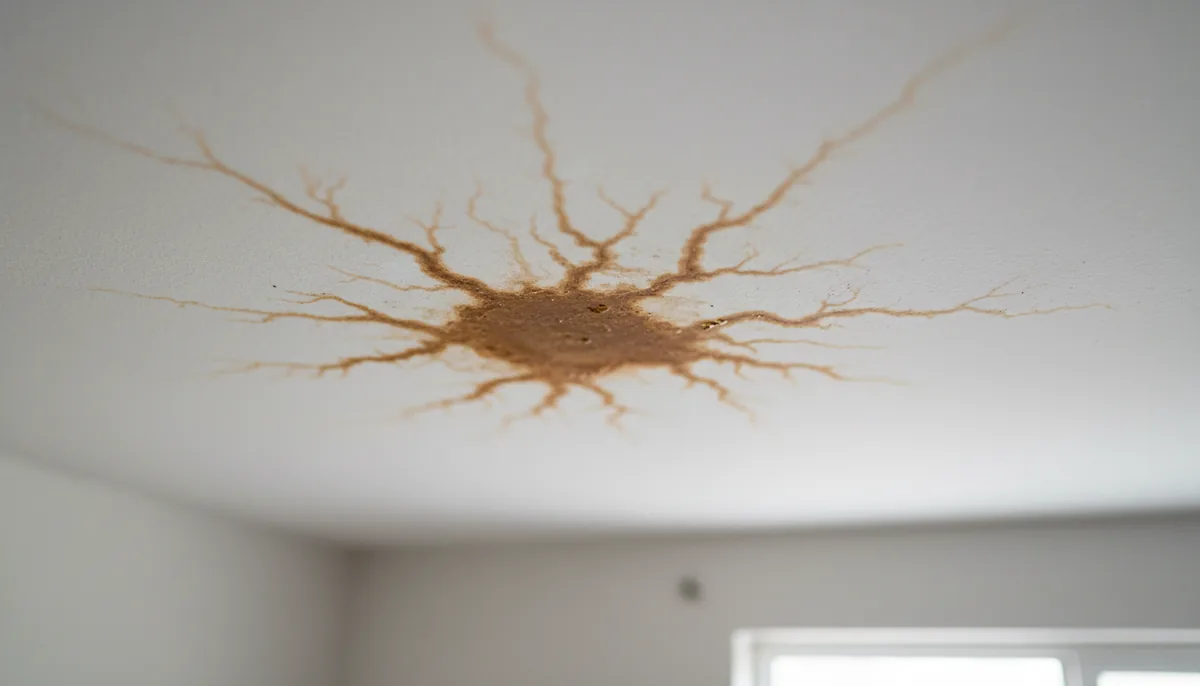
Permits, inspections, and the guys who skip both
A roof replacement in Florida requires a permit from your local building department, and it requires an inspection. Plain and simple. Any contractor who offers to skip the permit to save you money or time is a contractor to walk away from. I don't care how good a deal it sounds like.
An unpermitted roof can absolutely complicate an insurance claim, and it will absolutely come up when you go to sell the house. The buyer's inspector will find it. The title company will find it. It'll become your problem at the worst possible moment.
What I would actually do: Ask for the permit number before work starts. Call the building department yourself if you have to. It's public information, and it protects you if the contractor disappears or the work falls apart later.
I had a customer in Lakeland once who told me he didn't need a permit because his cousin's neighbor's son-in-law did roofing in Alabama and didn't use permits there. This is not Alabama. And the son-in-law, last I saw, was not here.
Insurance: the clock is shorter than you think
Your insurance policy is a contract, and I don't know what's in yours. Read your declarations page. But I do know the law changed, and it's not in your favor. Florida Statute 627.70132, as amended in 2022, says you have to notify your insurer of the initial loss within one year of the date it happened. For a supplemental claim—something extra you found later, like more damage under a tarp—you're down to eighteen months.
The clock starts the day the damage happened, not the day you discovered it. That catches people all the time. A leak in March that you didn't trace back to hurricane damage from October? The insurer can deny it completely because you missed the deadline, even if it's clearly a covered loss.
If you're reading this while water drips into a pot, put a reminder on your phone right now. One year from the date of the storm. That's your line.
What a homeowner should do before the crew arrives
Assuming you've got a real profesional coming out, here's what you can do that actually helps. Take photographs of everything before anything gets moved or peeled back. I mean everything—the ceiling stains, the wet insulation, the puddle on the floor. Those photos are evidence.
Call your insurance company before you authorize any permanent repair, not after. A tarp is usually fine. A full tear-off without a claim number is a gamble. I'm not a licensed adjuster, and I won't pretend to be. But I can tell you that every adjuster I've ever worked with would rather see photos than hear stories.
What I would actually do: Get at least three estimates on a full replacement and don't automatically take the cheapest one. Cheap gets what cheap pays for. Listen to how they talk about underlayment, flashings, and ventilation—not just the shingle color.
But don't wait forever to decide. A roof that's open to the sky for two weeks is doing more damage every day. Water gets into the sheathing, the rafters, the insulation, your drywall. What started as a repair can turn into a much bigger deal because the rot spread. I've torn off roofs where the deck literally crumbled in my hands because somebody tarped it and then argued with their insurance company for six weeks. That's a false economy.
There are state programs out there. My Safe Florida Home can help with certain mitigation work if you qualify, assuming funding is available. Citizens Property Insurance Corporation has its own requirements if you're insured through them. None of that is a substitute for reading your own policy, but it's a place to start.
Questions I get asked
How long do I have to file a claim after a storm?
Under Florida Statute 627.70132, you've got one year from the date of loss to give notice for an initial claim, and eighteen months for a supplemental claim. The clock starts when the damage happens, not when you find it. Mark the calendar the day the storm hits, not the day you call the roofer.
Is my whole roof going to need replacing if only one section leaked?
It depends on what's under there and how old the roof is. If your roof was built under the 2007 code or later, SB 4-D (2022) means only the section being repaired has to meet current code. But if the sheathing is rotten or the damage spans across the roof, a bigger section, or even the whole thing, might be justified. Nobody can tell you honestly without pulling back a few shingles and looking.
Can I just patch it myself until my insurance agent calls back?
You can tarp it yourself. You should of not be cutting shingles or laying torch-down on a sloped roof in July. A temporary patch that fails is worse than no patch, because it gives you a false sense of security while the water moves sideways behind it. Pay somebody to do it right.
What if the contractor says I don't need a permit?
Walk away. A roof replacement in Florida requires a permit and an inspection, full stop. Any contractor who offers to skip it is betting you don't know that. An unpermitted roof can cause problems with your insurance claim and be a major headache when you sell the house later.
How do I check if a roofer is actually licensed?
Go to the DBPR website and search their roll. Look for a license that starts with CCC, which means certified and valid statewide, or RC, which is registered to a specific local jurisdiction. Make sure the number is active and that the name matches who's standing on your roof. If it doesn't match, that's your answer.
What does a roof replacement actually cost per square?
It depends on pitch, access, the number of layers, and the product you're putting down. It's priced per square—a unit of ten feet by ten feet—and your crew will measure it on-site. Don't trust a quote over the phone based on square footage alone without somebody looking at your actual roof. I've been surprised both ways too many times to guess.
The rain is coming back this afternoon. It always is. That's Florida. But the panic doesn't have to. Get a reputable roofer out there, get a permit pulled, get your claim filed on time, and get the water stopped. It's a proccess, but it's a process you can walk through one step at a time. I've been doing it for twenty-two years, and I can tell you the ones who come out the other side are the ones who take a breath and do it in the right order.