Emergency roof repairs in Florida — How Bad Is It, Really?
By Dale Prescott, Roofing contractor, Central Florida. Reviewed by Hal Winstead, Editor, licensed roofing contractor. Somewhere in DeLand on a July afternoon, I was kneeling on a barrel-tile roof with a broken ridge cap in one hand and a wet towel in the other, watching the sky turn the color of old bruises. The homeowner had called me at 6 a.m. Because water was running down her living room wall, and by noon I had found the split in the underlayment along a nail line. If you're searching for emergency roofing companies in Florida, you've got the right instinct — but you need to know which jobs can wait and which need a crew tonight.
Here's the part that surprises people. An emergency is almost never a missing shingle. It's a hole that lets water in, a tree limb resting on the ridge, or a tile that decides to slide off during the next band of rain. A lot of "emergencies" I get called for are actually old roofs that finally wore through, and that's a different conversation.
I've run tile and shingle crews between Orlando and the coast for twenty-two years. I've torn off more storm-damaged roofs than I care to count. The honest answer to how bad it is? It depends what is under there. I have been wrong about this before.
Call it the first rule of storm work: water does not care how pretty your shingles look. It only cares about slope, seams, and gravity. Before anyone starts talking about a whole new roof, we have to get the water out of the living room.
Emergency roof repairs in Florida: how bad is it, really?
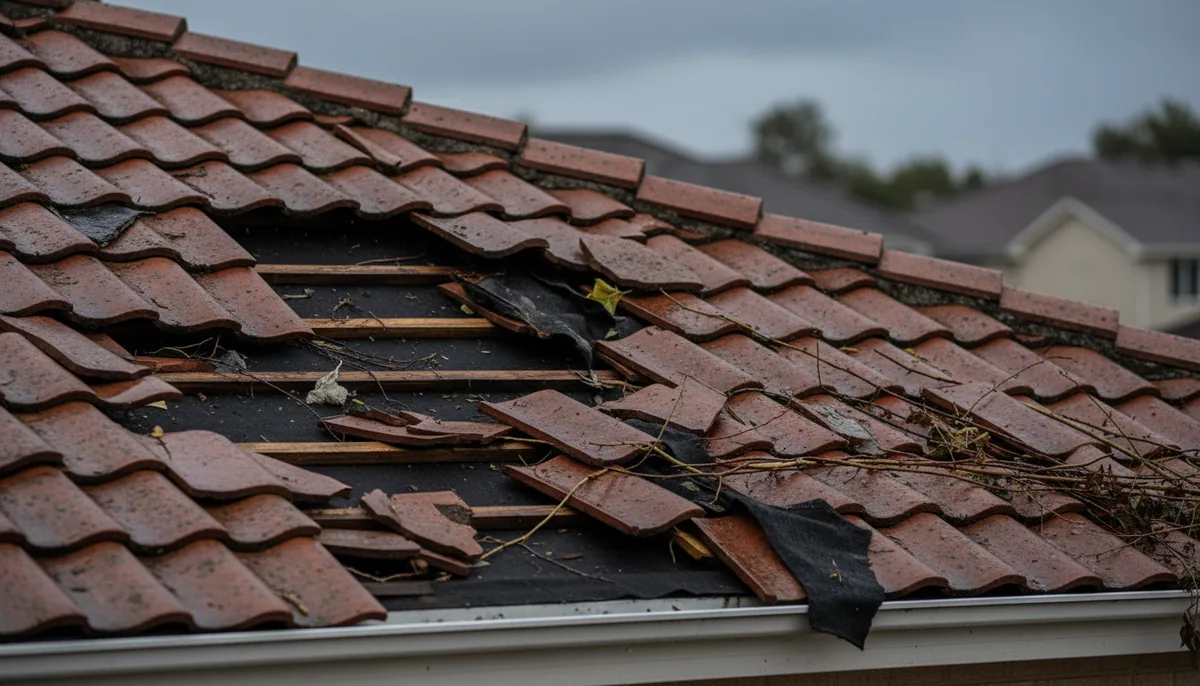
Sometimes it's bad. We've had microbursts that strip an entire hip at once, and I've crawled across wet decking to cover a hole the size of a laundry basket before a system that hadn't even hit the coast. But not every leaking roof needs an emergency crew. The question isn't how bad the damage looks from the street. The question is wether more water is coming in before a proper repair can happen.
A true emergency is structural, not cosmetic. If a tree limb punches through the deck, that's an emergency. If water is pouring into an electrical box, that's an emergency. If a few tabs blew off and the underlayment is still tight, that can wait until business hours.
What I would actually do: If water is coming in, get a tarp on that afternoon. Not tomorrow. Not after the next squall. Then find a licensed roofer and get eyes on the underside before the insurance paperwork starts.
One more thing: when the sun comes out, panic fades. And then some folks think the problem solved itself. It didn't. It just dried out until the next storm.
Patch now, argue later: what I would cover with a tarp
For the first few hours, the goal isn't a finished roof. It's keeping water away from drywall, insulation, and anything electrical. A tarp can do that if it's installed the right way — wrapped over the ridge, fastened through a batten, and given enough slope to drain. A tarp slapped flat across the roof is how you get a swimming pool with a view.
Temporary repairs for storm damage are normal. So is keeping the receipts. But what your policy actually covers depends on your own declarations page, and no roofer can promise you an insurance company will pay for something. I can tell you the roof is leaking. I can't tell you your policy will love that tarp.
That's where alot of fights start. People want someone to give them a yes or no about coverage before the adjuster shows up. Only your policy can do that. Read it. If the wording is dense, ask your agent to walk you through it.
What actually changed after SB 4-D (2022)
For years, Florida contractors dealt with what everyone called the "25% rule." Under the Florida Building Code, if more than a quarter of a roof was repaired or replaced in any 12-month period, the whole roof had to be brought up to current code. That rule forced a lot of full replacements nobody planned for, and it made some storm repairs much bigger than the damage itself.
Then SB 4-D (2022) changed the math. If the roof was built, repaired, or replaced under the 2007 Florida Building Code or any later edition, only the portion being worked on has to meet current code. A full replacement is no longer automatically triggered. But there's a catch with a date attached: the 2007 code took effect on 1 March 2009. A roof completed before that date generally does not qualify.
Why does this matter in an emergency? Because that one leak you're trying to patch today might be part of a bigger roof that was already on it's last legs. The old rule might have forced a new roof when a storm chewed up 30% of it. The new rule says, in plain terms, fix the busted part and leave the rest alone — as long as it was built to a recent enough code. That has made a real difference for homeowners in the middle of the state who just wanted the rain stopped without signing up for a full replacement.
Permits, inspections, and the contractor who wants to skip both
An emergency repair is still a repair. A roof replacement in Florida requires a permit pulled from the local building department, and it requires an inspection. If a contractor offers to skip the permit to get you back in the dry faster, that's a contractor to walk away from.
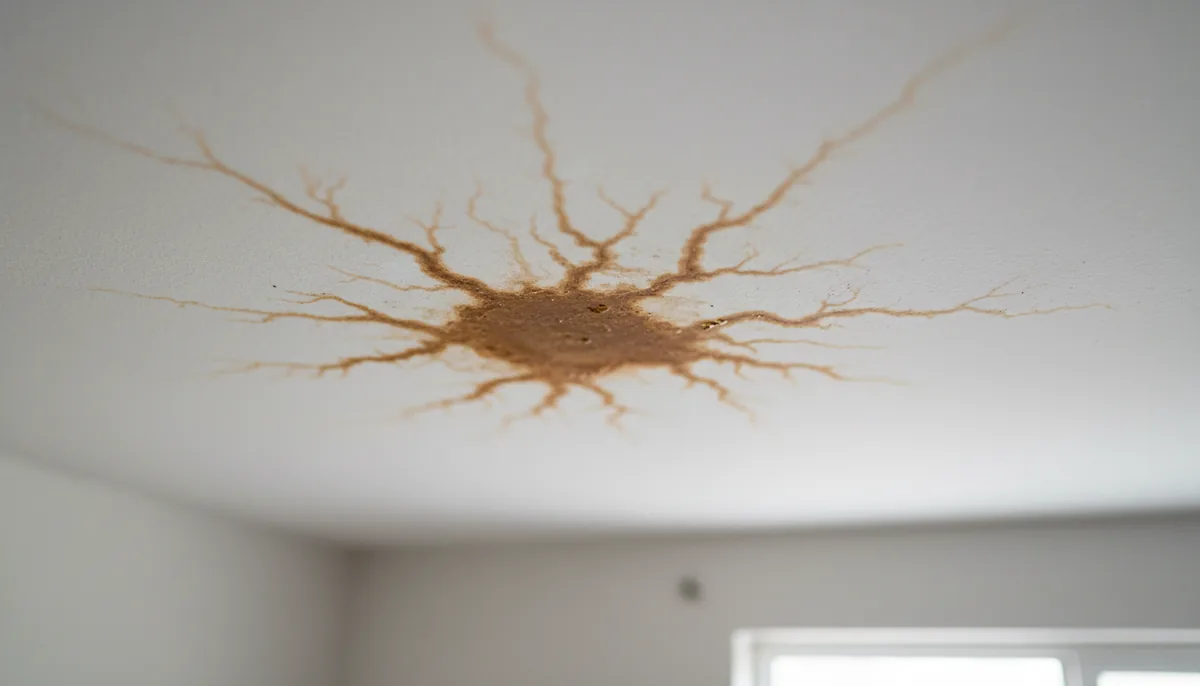
I know how tempting the shortcut sounds. Your ceiling has a stain the size of a serving platter, rain is in the forecast, and someone with a crew says, "I can do it today, no paperwork." But an unpermitted roof can complicate an insurance claim. It can complicate a future sale, too. And without an inspection, you never really know what's between you and the next storm.
What I would actually do: Before I signed off on a big emergency repair, I would make sure the scope of work is written down, the permit is part of the deal, and the contractor's active licence number is on the contract. If they won't put it there, thank them and call the next name on the list.
One homeowner in Winter Park tried to patch a leak from the inside with spray foam. Not the attic side. The living-room side. She was proud of it, too, until the water found its way around the foam and stained her couch. I've been wrong about plenty, but a roof doesn't work that way.
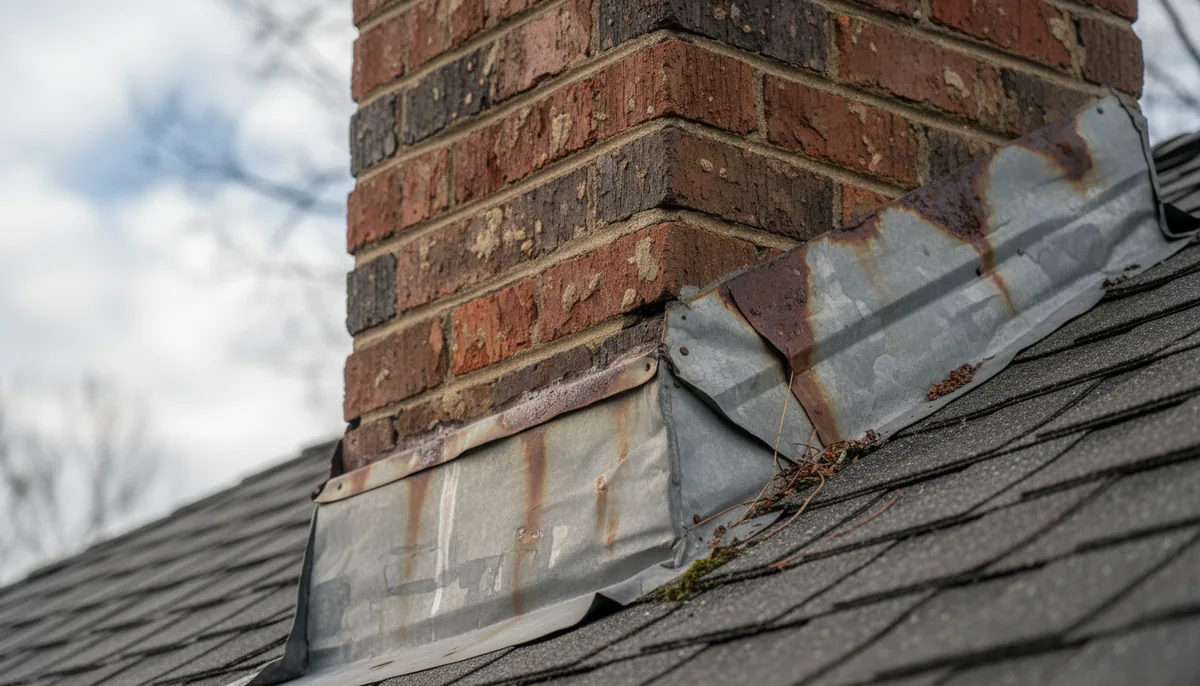
Insurance deadlines turned into a hard calendar
This is where people get hurt the most. Under Florida Statute 627.70132, as amended in 2022, a homeowner must give the insurer notice of an initial or reopened property claim within one year of the date of loss. A supplemental claim has to be filed within 18 months of the date of loss. It used to be three years. Now it's shorter, and the clock runs from the day the damage happened, not from the day you noticed the stain.
That's the part I see folks miss all the time. They wait until the ceiling looks bad in February, call their agent, and the damage actually happened in last year's October storm. If that October date was more than a year before the call, the insurer may have a complete defense, even if the loss is a covered one. I'm not a lawyer and I'm not an adjuster, but that's how the law reads to me.
The practical answer: don't sit on damage. If you think you have a claim, give notice. Write down the date of the storm. Take photos of the exterior before anyone starts tarping. That date-of-loss record is worth more than any brand of shingle.
Verify the licence before anybody gets on your roof
Florida roofing contractors are licensed by the Department of Business and Professional Regulation. You'll see two main prefixes, and they mean different things: DBPR licence prefixes CCC and RC. A certified contractor with a CCC license can work anywhere in the state. A registered contractor with an RC license can only work in the local jurisdiction that licensed them.
This isn't about good guy versus bad guy. I've worked with excellent registered roofers who know their county codes better than anyone. But when you're dealing with storm repairs, you want to know exactly who is responsible for the work. Look up the licence number on the DBPR roll and check that it's active before you hand over a deposit. One piece of paper. It saves a lot of misery.
Questions I get asked
How soon do I need to call somebody?
If you're dry and the forecast is clear, you have a little time. If the first drop hits the sheetrock, call that afternoon. Water ruins framing and insulation faster than people beleive, so the real emergency is the water, not the broken shingles.
Can my insurance company tell me to use their roofer?
No, you get to choose your contractor. The insurer may suggest one, and that's fine, but the decision is yours. Before you choose anyone, check the DBPR roll, get the scope of work in writing, and read your own policy.
Will a tarp repair count against my claim?
A temporary tarp for emergency protection is normal, but coverage varies by policy. Read your declarations page, keep every receipt, and tell the adjuster exactly what was done and why. Documentation matters more than opinions.
Is a certified roofer better than a registered roofer?
Not automatically better, just different. DBPR licence prefixes CCC and RC tell you where someone can work, not how carefully they flash a valley. A good local registered roofer is fine if the job is in their jurisdiction. Verify the number either way.
My home was built in 2005. Does the new law help me?
Probably not. Under SB 4-D (2022), the relaxed rule applies to roofs built, repaired, or replaced under the 2007 Florida Building Code or later, and that code took effect on 1 March 2009. An older roof usually doesn't qualify, but a local building official makes that call.
What happens if I miss the insurance deadline?
Under Florida Statute 627.70132, if more than a year has passed for an initial claim, or more than 18 months for a supplemental claim, the insurer likely has a complete defense. Miss that window and the claim can be denied even when the damage would otherwise be covered. Call your agent immediatly if you think you're close.
More from the site
- Florida emergency mobile home roof repairs — How Bad Is It, Really?
- Storm damage roof repairs in central florida — How Bad Is It, Really?
- Storm damage roof replacement florida — How Bad Is It, Really?
- Florida hail damage roof — How Bad Is It, Really?
- Clean mold off roof florida — How Bad Is It, Really?