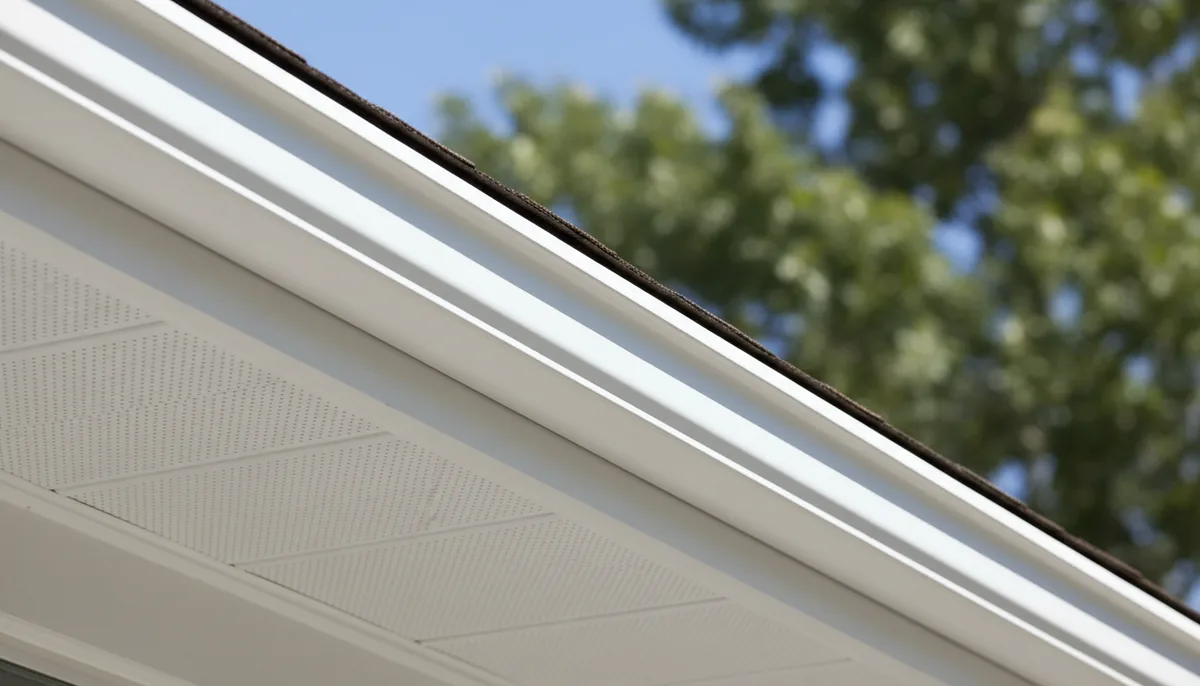
Flat roof maintenance florida
By Shelly Marchetti, Florida homeowner advocate. Reviewed by Hal Winstead, Editor, licensed roofing contractor.
I spent one July afternoon in Cape Coral standing under a flat roof that had been leaking for a month. The homeowner had a quote for a full replacement and wanted me to read it before she signed. When the roofer finally opened up the ceiling, the leak wasn’t a roof failure at all—it was a scupper packed with leaves, a tennis ball, and enough debris to make a small bird nervous. If you’ve already typed flat roofing companies in Florida into a search bar, I’m glad you’re here. But before you call anyone, let me tell you what flat roof maintainance in Florida actually means.
Florida does things to flat roofs no other state can manage. The sun bakes the membrane until it softens, then the afternoon storm cools it fast, then the sun bakes it again. That cycle opens tiny cracks over time. And because a flat roof has almost no slope, the water that finds those cracks doesn’t run off. It sits. It doesn’t matter if you have built-up tar and gravel, modified bitumen, EPDM, PVC, or a metal roof pitched so low you’d call it flat: if water stays on it, the roof is aging faster than it should. Flat roof maintenance florida, in one sentence, means making sure the water leaves as fast as it arrives.
Most people don’t think about water until the ceiling starts talking. By then the leak has already run along a joist and stained a spot nowhere near the actual damage. That’s why maintenance matters more than the repair. A repair fixes today’s leak. Maintenance stops next month’s.
The fastest way to ruin a flat roof is to let water sit there
The first thing I look for in any flat roof quote is the part about drainage. If the roofer never mentions scuppers, drains, or overflow openings, I want to know why. A flat roof in Florida is not a flat surface. It’s a slow-moving drainage system with a rooftop attached.
People do odd things to flat roofs. One customer scrubbed hers with a push broom because she didn’t like the black streaks. She meant well. The cap sheet did not agree. That’s my one gross? No, my one weird customer story for this post, but it proves my point: flat roofs need to be treated with more respect than a driveway.
The membrane is only half of the system. The other half is the path for water. If leaves are blocking a scupper, the water doesn’t have a path. It sits against the flashing. It finds the seam. It waits for a bad afternoon and then shows up in your kitchen.
What I would actually do: Walk the roof after a heavy rain if you can do it safely; if not, hire someone to do it. Clear every scupper and overflow drain by hand before you agree to a full replacement.
Don’t wait for a stain to call a roofer
A stain on the ceiling is the end of the story, not the begining. Water may have been coming in for weeks before it found a spot where it could drip. It could be entering around a roof penetration, then traveling along a truss and dropping someplace far away. I of been wrong about this before, so I never guess based on the stain.
When a flat roof leaks, the deck underneath may be wet. If the deck is wood, it can soften. If it’s metal, it can corrode. If it’s lightweight concrete, it can hold moisture for months and make the leak look worse than it is. The roof has to be opened, dried out, and inspected. That’s not an upsell. It’s the only way to know what’s under there.
You also have to think about time. A small leak on a Monday can become a full deck replacement by September. That sounds dramatic, but Florida heat and humidity are not patient. The faster you catch the problem, the less you spend.

What a permit has to do with flat roof work
Roof replacement in Florida requires a permit pulled from the local building department, and it requires an inspection. I have seen contractors try to skip this step. Don’t let one do it on your house.
The permit is not a tax on your project. It’s how the local building department knows the new roof meets code. The inspection is an independent set of eyes. If a roofer says the permit costs extra and you don’t need it, you’re hearing the exact sentence that will cause problems later.
An unpermitted roof can complicate an insurance claim after a storm. It can also come up during a home sale when the buyer’s title company or appraiser asks for records. I’ve watched homeowners get trapped by a cheap, unpermitted roof because they were trying to save three hundred dollars. The saving wasn’t worth the trap.
What I would actually do: Ask for the permit number before any flat roof replacement starts. Call the local building department, find out when the inspection is scheduled, and ask for the inspection report when it’s done.

The wind mitigation inspection you may not know about
Now for the part that can actually save you money. A wind mitigation inspection documents the roof covering, roof deck attachment, roof-to-wall connection, roof geometry, secondary water resistance, and opening protection. Florida insurers are required to offer premium discounts when those features qualify.
The standard form used for this is form OIR-B1-1802. I’m not going to pretend I can tell you what discount your specific house will get. It depends on your home, your policy, and what the inspector finds. But here’s the part that surprises people: a wind mitigation inspection usually costs less than the discount it can open up in the first year.
That is not the same as a routine home inspection. A home inspector may look at your roof and tell you it’s old. A wind mitigation inspector is looking for specific structural features and writing them down on the right form. If your roof has the right deck attachment and roof-to-wall connections, your insurer is supposed to recognize it.

How to hire someone without guessing
When you start getting quotes, don’t lead with the stain. Lead with the license number. In Florida, roofing contractors are licensed by the Department of Business and Professional Regulation. You’ll see two prefixes on the license roll. DBPR licence prefixes CCC and RC tell you the difference.
A license beginning with CCC is a certified roofing contractor who can work anywhere in Florida. A license beginning with RC is a registered roofing contractor who can only work in the local jurisdiction that issued that license. If the number is not active, you don’t have a contractor. You have someone pitching work on a roof.
I can’t tell you wether any particular company is good, insured, or reputable. I can tell you to check the DBPR roll yourself. It takes less time than waiting on hold with your insurance company. Do it before you sign a quote, not after the water gets worse.
Questions I get asked
How often should I have a flat roof inspected in Florida?
Twice a year at minimum, and once more after any severe storm. Pick one date before the rainy season and one after hurricane season. If a roofer won’t actually walk the roof during the appointment, find another roofer.
Should I repair my flat roof or replace it?
Repair if the deck is dry and the damage is local. Replace if the deck is soft or the membrane is brittle all over. The honest answer depends on what is under the membrane, and anyone who gives you a price without checking that is guessing.
Does my insurance cover flat roof maintenance?
It depends entirely on your policy, so read your declarations page and don’t rely on a phone call. The real question is whether the damage came from a covered event or from long-term wear and tear. Maintenance is usually your job, not the insurer’s, but your policy is the only document that can give you a straight answer.
What exactly is a wind mitigation inspection?
It’s a documented inspection of the roof and opening features that help your house resist wind, and it uses form OIR-B1-1802. It isn’t the same as a home inspection. It gives your insurer the information needed to decide whether your roof qualifies for the discount Florida requires them to offer.
A roofer says I need a full replacement. Can I trust that?
Not without a second set of eyes unless you can see sky through the roof. Ask that roofer to show you the exact reason the deck is bad. If the only answer is “the roof is old,” get a second opinion, because age alone doesn’t always mean the deck is gone.
Can I clean my own flat roof drains?
Yes, if you can reach them safely and you’re comfortable getting on the roof. If it’s a two-story house or the pitch is steeper than it looks, don’t risk it. The scupper doesn’t care who clears it. It just needs to be clear.