Florida roof renewal: The Florida Guide
By Dale Prescott, Roofing contractor, Central Florida. Reviewed by Hal Winstead, Editor, licensed roofing contractor.
That afternoon over in DeLand, we'd stripped half the barrel tile off a 1990s ranch when I found the deck rotten arround every single exhaust boot. The sky went the color of a bad bruise, and by the time we had the tarp down the homeowner was asking who he could actualy trust with the rest of the job. I handed him the same place I would send my own brother: roofing companies in Florida, and then had the driveway conversation that should always come after you have names.
I'm Dale Prescott. Twenty-two years running tile and shingle crews between Orlando and the coast, and I've torn off more storm-damaged roofs than I care to count. Most of those roofs had already been "repaired" at least once by somebody who never climbed up high enough to see what was really happening. Florida roof renewal is not a marketing slogan to me. It means getting a roof strong enough to take another decade of 3 PM thunderstorms and 95-degree sun, and getting the paperwork done right so it doesn't come back and sink you later.
Quick ground rules: I'm a contractor, not a lawyer and not an adjuster. My opinions come from pulling nails, not from a law library. I have been wrong about roofs before, though I try not to make a habit of it. What your insurance policy covers is on your declarations page, not on my truck bumper.
What I mean when I say Florida roof renewal
"Roof renewal" can mean a coating, a new underlayment, a whole tear-off, or one cheerful guy with a caulk tube and a ladder. I use it the way a mechanic uses "tune-up": keep what's still sound, replace what's lying to you, and know the difference before you start spending money.
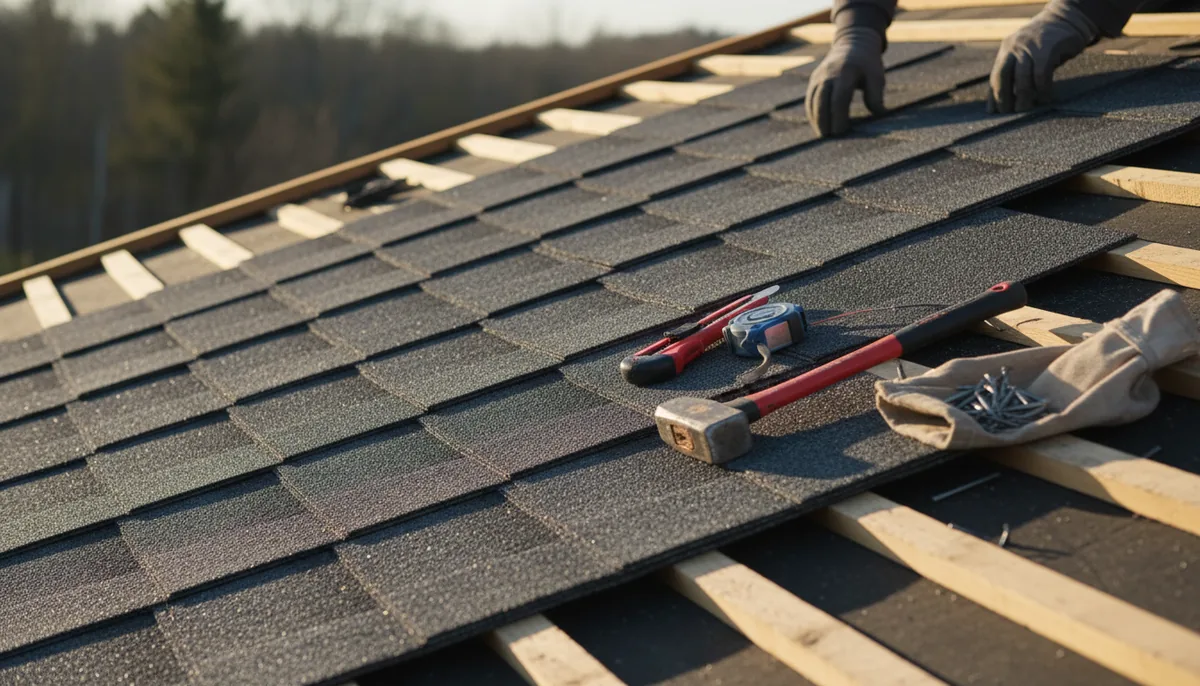
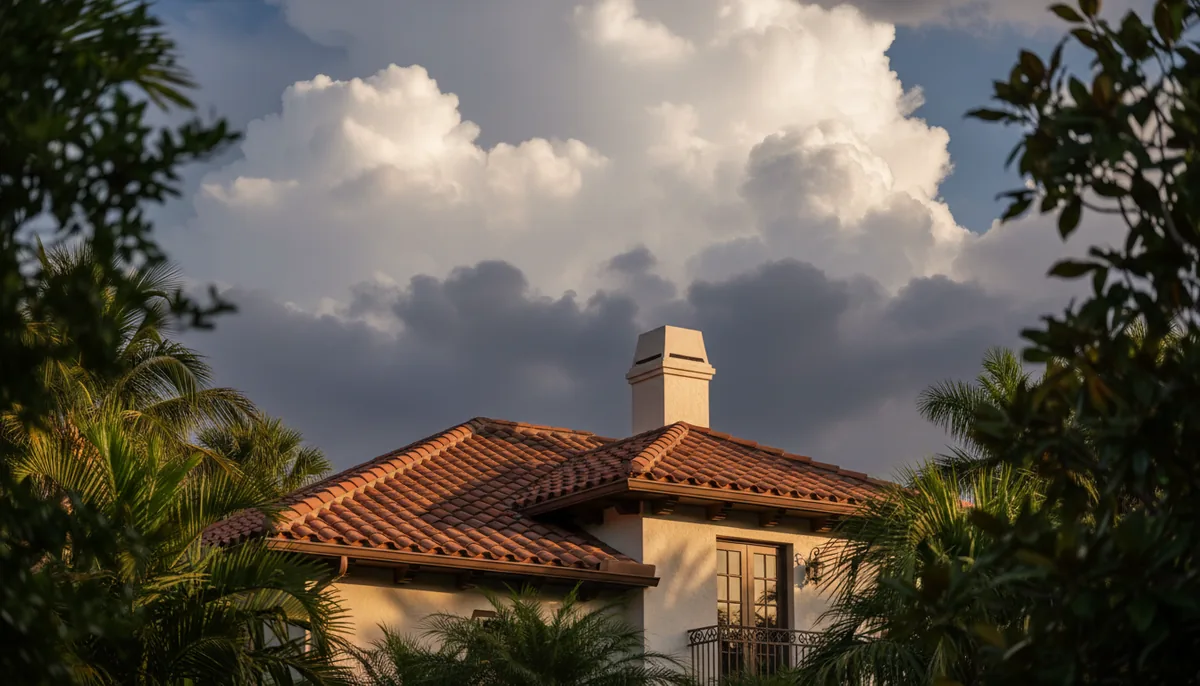
On a tile roof, renewal sometimes means lifting every tile, replacing the worn underlayment and rusted flashing, and laying the same tile back down. That can give a homeowner another good chunk of life without the cost and dumpster of a full replacement. On a shingle roof, renewal often means admitting the shingles are done. Depends what is under there. You can't put a new skin on an old skeleton—the deck is the skeleton, and I've seen rotten decking hide under brand-new shingles like it was nobody's business.
The first thing I check is the licence, and you should too
Anyone can own a ladder. In Florida, roofing contractors are licensed by the Department of Business and Professional Regulation, and the DBPR licence prefixes CCC and RC tell you alot. CCC means certified—that contractor can work anywhere in the state. RC means registered—that contractor may only work in the local jurisdiction that issued the licence. Neither one tells you who is better at flashing a chimney. It tells you who is legally allowed to be on that roof.
Check the licence roll before you let anybody estimate. Verify the number is active. If a contractor gives you a business card with no licence number on it, that's not forgetfulness, that's a clue.
What I would actually do: Get the exact company name and licence number, then look them up on the DBPR roll while you're still on the phone. If the name doesn't match or the licence isn't active, save yourself the trouble. I've shown up to jobs where the guy who gave the bid was not the guy licensed to work—that's a hard pass.
Permits are the boring part that keeps you out of a real mess
A roof replacement in Florida requires a permit pulled from your local building department, and the work gets inspected. That isn't a suggestion, it's the law. A contractor who offers to skip the permit is telling you exactly how they'll handle the next thing that goes wrong.
An unpermitted roof can complicate an insurance claim later, and it can complicate selling the house years after that contractor's truck has disappeared. I know permits cost time and sometimes the county makes you wait. That's the business. The wait is cheaper than the alternative.
What I would actually do: If a guy says "we don't need a permit for this one," I wouldn't argue with him. I'd walk. Pull the permit, schedual the inspection, and keep the paperwork in the same fireproof box as your deed. Future you will be grateful.
The old 25% rule everyone quotes? SB 4-D (2022) changed it
Half of Florida still believes the old 25% rule, and I get it—it was repeated by every storm chaser in the state for years. It came from the Florida Building Code. No more than 25% of a roof could be repaired or replaced in any 12-month period without bringing the whole roof up to current code. In practice, that meant a modest repair could suddenly trigger a full replacement.
Then SB 4-D (2022) changed the game. If your roof was built, repaired, or replaced under the 2007 Florida Building Code or any later edition, only the portion being worked on has to meet the current code. A full replacement is no longer automatically triggered. The catch is the 2007 edition took effect on March 1, 2009, so roofs completed before that date generally do not qualify.
So the real question isn't "how many patches have you had?" It's "what code edition was in effect when this roof was last permitted?" If a roofer quotes you the 25% rule like it's still on the books, he's working from whatever he heard at the supply yard, not from current Florida building law.
Get a wind mitigation inspection before you replace anything
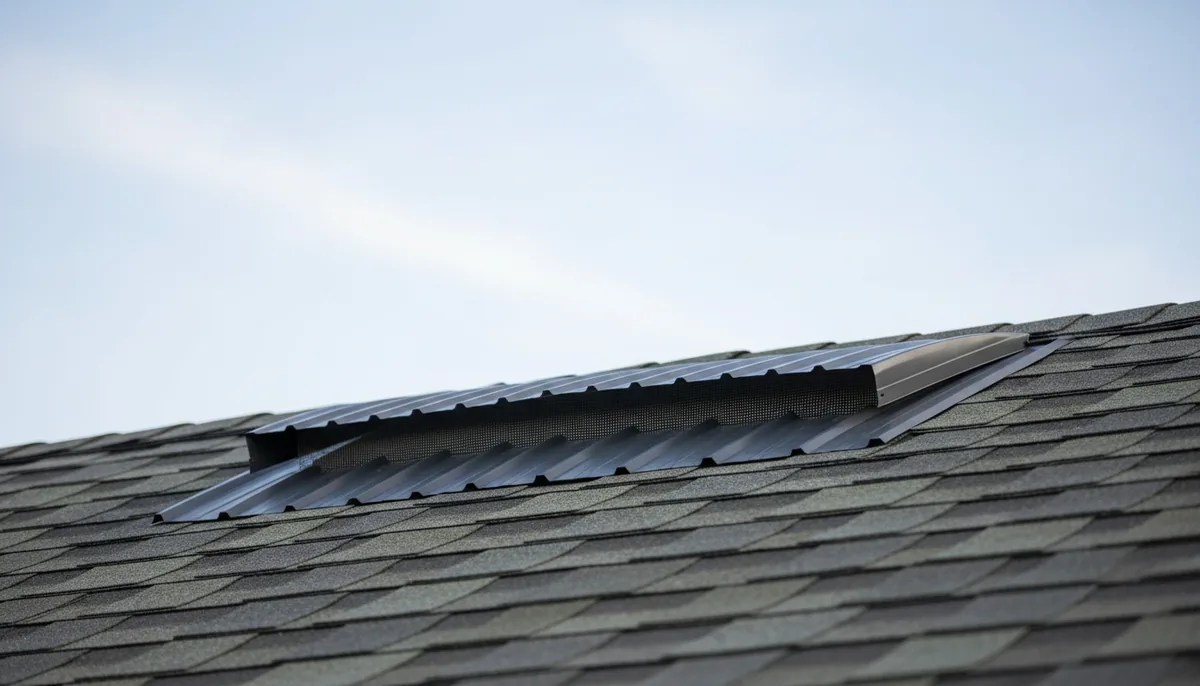
Here's something most homeowners around here have never heard of until an agent mumbles about it after a claim. A wind mitigation inspection is a documented review of how your roof is built and connected. It covers the roof covering, roof deck attachment, roof-to-wall connection, roof geometry, secondary water resistance, and opening protection.
The standard form is OIR-B1-1802. Florida insurers must offer premium discounts for qualifying features, and the inspection typically costs less than the one-year discount it can open up. That's the closest thing to free money in this trade.
I'm not an agent, so I won't tell you what your specific policy does—coverage varies by policy, and you need to read your declarations page. But the discount side is state law. If you're with Citizens Property Insurance Corporation, ask how they want the completed form submitted. And if you hear that the state's My Safe Florida Home program has reopened, it's worth a call, because those applications don't tend to last long.
Sometimes "renewal" means the truth: replace it
One thing I need to say and then move on: please don't power-wash your asphalt shingle roof. I had a homeowner in Sanford pay somebody to "clean" her roof, and the granules went down the gutter with the water. That roof was ruined—it looked fine from the street and lasted maybe one more summer. A roof is not a driveway.
When a roof is genuinely done, no amount of coating is going to bring it back. Brittle shingles, rusted flashing, soft decking, and nails that won't hold are not cosmetic problems. That's structural. I tell customers the same thing I tell my own crews: the leak you can see is rarely where the water is actually coming in. Water runs down the deck and finds it's way out somewhere else entirely.
Roofs get priced per square—that's a 10-foot by 10-foot area—and the cost depends on pitch, access, layers underneath, and how close the dumpster can get. Anybody who quotes you a final number without walking the roof is guessing at your expense.
Questions I get asked
How much should a new roof cost?
Too many variables for me to quote from here, and anyone who does is guessing. Pitch, access, existing layers, roof deck condition, and local permit fees all change the number. Roofs get priced per square, not per rumor.
Is a registered roofer less skilled than a certified one?
Not by definition, no—the difference is geography, not talent. A registered roofer can only work in the jurisdiction that issued the licence, while a certified roofer can work anywhere in Florida. The skill question is about the crew's track record, not which prefix they hold.
Can I put a coating over my shingles instead of replacing them?
I would not put a coating on asphalt shingles, period. Coatings can make sense on some tile or metal roofs in the right situation, but shingles are a manufactured product that wears out. Coating them just hides the wear and makes the next roofer's job harder.
Why does my ceiling leak in one spot when the roof looks fine right there?
Water runs, and it runs downhill along the decking and framing. The leak on your ceiling can be ten feet away from the actual penetration in the roof. That's why I charge for the roof inspection and not for the caulk that may or may not be involved.
What happens if I skip the permit?
You save a little time now and risk a lot later. An unpermitted roof can complicate an insurance claim, it can complicate a home sale, and the county can make you tear into finished work to verify what's underneath. It's not worth it.
Will my insurance pay for a roof replacement?
That depends entirely on your policy language and the cause of the loss, not on what a roofer tells you on the phone. Read your declarations page and talk to your agent before you sign anything. And if a contractor promises you a free roof and says insurance will cover it, run the other way.