Metal tile roof florida: The Florida Guide
By Marcy Doleman, Commercial roofing estimator. Reviewed by Hal Winstead, Editor, licensed roofing contractor.
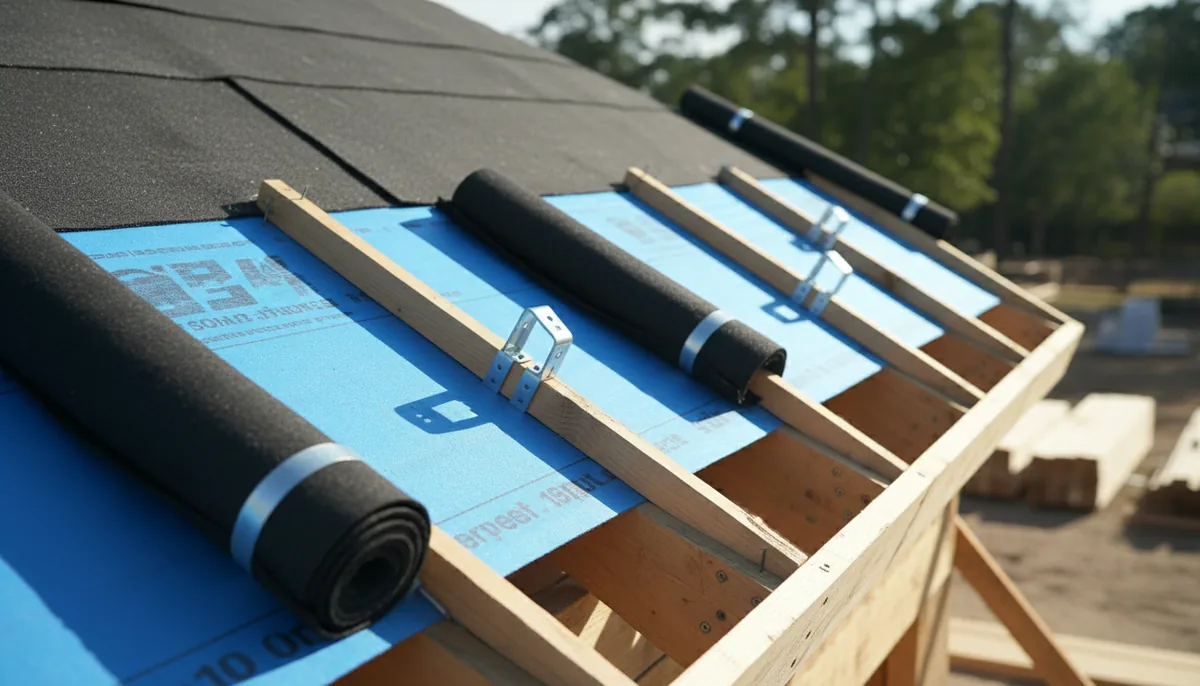
I was up on a warehouse roof in Cape Coral last June, sweating through my shirt before nine in the morning, when the owner pointed at a patch of dark spots under the standing seam panels. "That's just rust," he said. It wasn't. We pulled a screw and water ran out of the hole like a straw had been left in it. The metal panels were fine — the fasteners had been put in without the right washers, and the deck underneath was gone to mush. That's the thing about metal tile roof Florida installations: the roof you see is only half the story. The other half is what's underneath, and that is where I make my living.
If you are starting this search because somebody handed you a proposal, slow down. I am a commercial estimator, so I price flat and low-slope work for warehouses and schools, but homeowners ask me about this all the time because there is nobody else to ask. The first thing I do is point them to the metal roofing companies in Florida in the directory, and the second thing I do is tell them to verify the licence number on the DBPR roll before anyone sets a ladder on their roof. A certified roofing contractor has a licence that starts with CCC and can work anywhere in the state. A registered contractor starts with RC and can only work in the jurisdiction that licensed them. That distinction matters more than the brand of panel you pick.
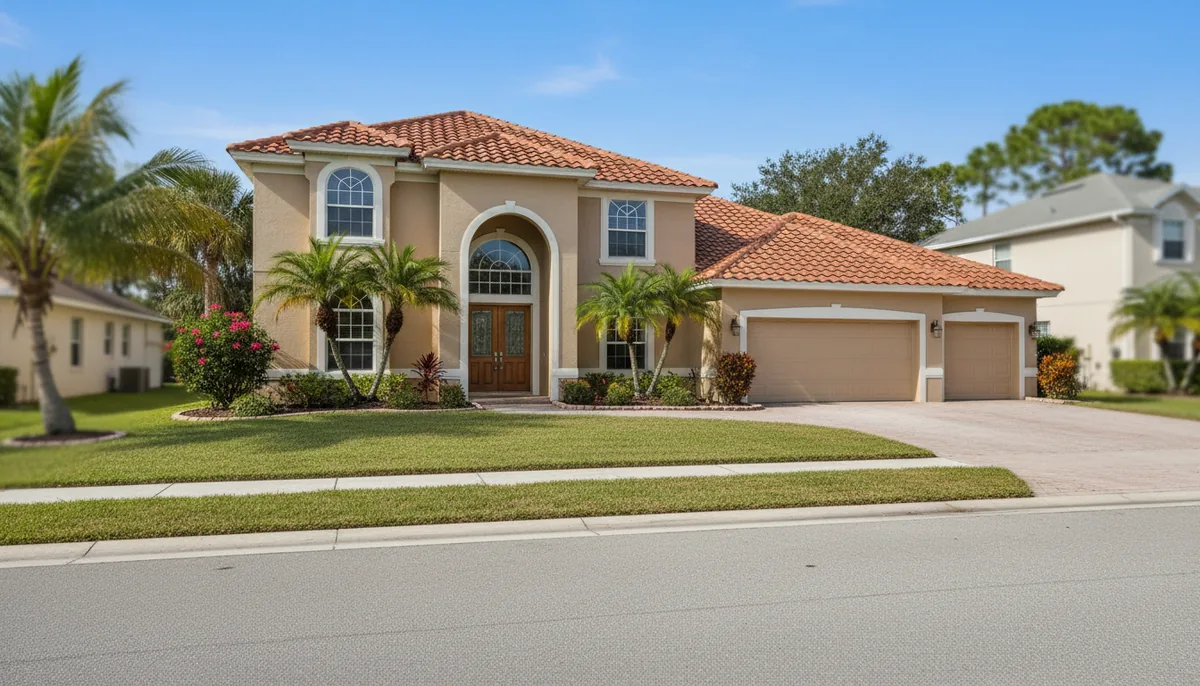
The metal tile look is popular down here because it gives you that barrel-tile silhouette without the clay weight and without the constant maintainance. But "metal tile roof Florida" is a search term that covers alot of different products. Some of those products are excellent. Some of them are basicly a tin can with a pretty profile. Let me walk you through what I actually check before I put a number on paper.
What I look for when the product is called "metal tile"
The first thing I ask is wether we are talking about actual metal tile panels or a metal roof that is designed to imitate tile. Actual metal tile products are usually interlocking panels with a profile that mimics Spanish or Mission tile. They come in steel or aluminum, and they get a stone-coated granule finish or a painted finish. That stone coating is what gives them the matte, textured look that reads as tile from the street. It also gives the metal a little more surface area to shed heat, though not as much as people hope.
The other category is what I call "metal tile" in the shorthand way, where a standard standing seam or corrugated panel is just installed over a roof that used to have tile. You see this a lot on re-roofs where the old clay tile is being pulled off and the homeowner wants the same look but lighter. Both approaches have their place. The difference is in the detailing, and the detailing is where most Florida metal roofing products either earn their keep or start leaking.
All that wind rating talk, simplified
You cannot talk about metal roofing in Florida without talking about wind. I am not an engineer and I do not play one in my estimates, but I know the high-velocity hurricane zone rules you will bump into if you live in Miami-Dade and Broward. The products down there get tested harder than anywhere else in the country, and the approval listings are strict. If you are outside those two counties, you still get wind loads based on your exact address, and the roof has to be engineered to meet them.
Here is the part people do not expect. The metal panel itself is rarely the weak link. The weak link is the attachment — the screws, the clips, the spacing, and the thickness of the substrate they bite into. I of been wrong about this before, but I have never seen a metal panel rip off a roof in a storm when it was attached to a solid deck with the right fasteners at the right spacing. I have seen plenty of flashings peel back like sardine lids because somebody saved a few dollars on the trim metal gauge. Do not save money there.
The wind mitigation inspection is your friend
Here is a moment where I switch from estimator to nag. A wind mitigation inspection is the best money you will spend on a roof in Florida, and almost nobody does it until their insurance company demands it. The inspector documents your roof covering, the deck attachment, the roof-to-wall connection, the geometry of the roof, whether you have secondary water resistance, and how your openings are protected. That information goes on a standard form, OIR-B1-1802, and your insurer is required by Florida law to offer premium discounts for the qualifying features it documents.
I tell my customers to do this early, not after a claim. The inspection costs a fraction of what the annual discount will save you over the life of the roof. And if you are putting on a metal roof anyway, you want the inspector to see the new attachments before the ceiling goes on. Call it a no-regrets move. On the insurance side, the only other thing I will say is read your declarations page and do not take my word for anything about your specific policy, because coverage varies and I am not an adjuster.
What I would actually do: Before I let any contractor order panels, I would pay for a wind mitigation inspection on the existing roof if it is still intact. If the new metal roof is going on over the old roof, that inspection tells you what you are about to cover up — and that is a problem you want to solve before it disappears under new metal.
The 25% rule changed, and you need to know how
If you have heard about a "25% rule" for Florida roofs, you heard about a rule that used to trigger a full roof replacement whenever more than a quarter of your roof was being repaired. That changed in 2022 with SB 4-D. The bill, which took effect on May 26, 2022, means that if your roof was built, repaired, or replaced under the 2007 Florida Building Code or any later edition — and that code took effect on March 1, 2009 — then only the portion being worked on has to meet the current code. A full replacement is no longer automatically triggered just because you cross that 25% threshold.
This matters a lot for a metal tile roof retrofit. If you are patching a section of an older roof that predates 2009, the old trigger might still apply. If your home is newer, you have more flexibility to do targeted repairs without the entire roof being dragged up to code. This is exactly the kind of thing where you need a contractor who pulls a permit and knows the local building department. Any contractor who offers to skip the permit is a contractor to walk away from, because an unpermitted roof can complicate an insurance claim and a future sale. A roof replacement requires a permit and an inspection, full stop.
What I would actually do: I would ask the contractor, in writing, whether the work falls under the post-2009 roof exception and what portion of the roof they plan to bring to current code. The answer tells me whether they actually understand SB 4-D or are just repeating a phrase they heard.
The real question: will a metal tile roof pay for itself?
I price commercial work, so I think in cost per square — a square is ten feet by ten feet, a hundred square feet, and pricing depends heavily on pitch, access, and what is under the old roof. On the residential side you are usually talking about a significant investment versus an asphalt shingle replacement. The metal roof will last longer, and it handles wind better when it is installed properly. But here is where I earn my fee as a skeptic: it only outlasts the shingle roof if the finish holds up in the Florida sun.
The sun is the enemy. I have seen stone-coated steel roofs that looked faded and tired after twelve years, and I have seen painted aluminum roofs that still looked sharp after twenty. A lot depends on the quality of the coating and whether the roof is in a salt-air environment. If you are within a mile of the coast, I lean hard toward aluminum or a product with a serious salt-spray rating. Steel is strong, but salt finds bare edges, and a scratched edge on a metal roof is how corrosion starts. I have seen it a hundred times.
What about putting metal tile over the old roof?
You can, in some cases, and it is a legitimate way to save money because you skip the tear-off and the disposal costs. But you cannot hide a bad deck under new metal. The old roof has to be in decent shape, you need a layer of approved underlayment, and the local code has to allow it. If the old roof is already failing or holding moisture, you are building a monument to a future leak. The repair will be miserable because the metal panels are designed to come off, but they are not designed to come off easily. Depends what is under there, is what I tell people. You will not know until somebody opens it up, and I have been wrong about this before when a roof that looked fine on a drone photo turned out to be wet mush under the substrate.
There is also the insurance angle. Some insurers are pushing back hard on roofs of any material past a certain age, even if the roof is in good shape. A metal roof gives you a longer service life on paper, which helps, but the premium discount is driven by the actual inspection findings on form OIR-B1-1802, not by the invoice. If you want the discount, the features have to be there and they have to be documented.
Questions I get asked
Should I get a metal tile roof if I live inland in Central Florida?
Yes, it is a reasonable choice, but you are paying a premium for hurricane resistance you may not need as badly as somebody in the Keys. If you are inland, the math changes and a high-quality shingle or a standard metal panel may serve you better for less money. I would still get the wind mitigation inspection either way, because the discounts are available statewide.
Do metal tile roofs make the house cooler?
A metal roof will reflect some heat, but the real difference comes from the air gap and the underlayment below the panels. Does it drop your cooling bill? It can help, but I never promise a specific number because it depends on your insulation, your ductwork, and whether your attic is actually vented. Do not buy the roof just for the tiny bit of radiant heat it blocks; buy it for the longevity.
Will my insurance company give me a break for a metal roof?
The break comes from the wind mitigation inspection, not from the material alone. If your roof has the right features, like a proper deck attachment and a good roof-to-wall connection, the discount applies. If it does not, the metal panels will not save you. And again, read your policy.
Can I finance a metal tile roof in Florida?
You can, through the contractor or a lender, but I would read the financing terms like a hawk. A roof is a big-ticket item and the financing costs are where a bad deal can eat the value of the good roof. I am not a financial advisor, so I will just say compare the annual percentage rate against what the roof actually costs.
How do I find a contractor who will not run off with my deposit?
Check the DBPR licence roll first — that is the only source I trust for whether somebody is actually certified or registered. Then ask for proof of workers' compensation and liability insurance, and call the local building department to confirm the permit history. The directory is a starting point, but the DBPR roll is the real filter.