Florida storm damage roof — How Bad Is It, Really?
By Dale Prescott, Roofing contractor, Central Florida. Reviewed by Hal Winstead, Editor, licensed roofing contractor. I remember a Tuesday in Winter Haven back in 2017, the afternoon after a squall line rolled through. We were up on a tile roof that looked fine from the street—a few cracked barrels, maybe a slipped hip tile. But when I walked the ridge, my boot went through the decking like it was wet cardboard. The shingle layer underneath had been shot for years, and the storm just found the weak spot. That homeowner thought they had a small repair. They needed a whole new roof, and the insurance check didn't even come close to covering it. That's the thing about this business. The damage is rarely what it looks like from the driveway.
I've been tearing off storm-damaged roofs between Orlando and the coast for twenty-two years now. If you're asking how bad it really is, the honest answer is: it depends on what is under there, and it depends on what your policy actually says. Not every storm leaves a hole in your ceiling. But the ones that don't often leave damage you can't see until the shingles are off. If you're staring at missing shingles or a leaking corner, don't sit on it. Start by getting a few pros out to look, and check the storm damage roofing companies in Florida directory if you don't have a crew you trust yet.
Let me walk you through what I actually see when I get on a roof after a storm, and the stuff that gets homeowners in trouble months later. Some of it is physical. Some of it is legal. All of it is worth knowing before you sign anything.
First, the damage is almost never where you think it is
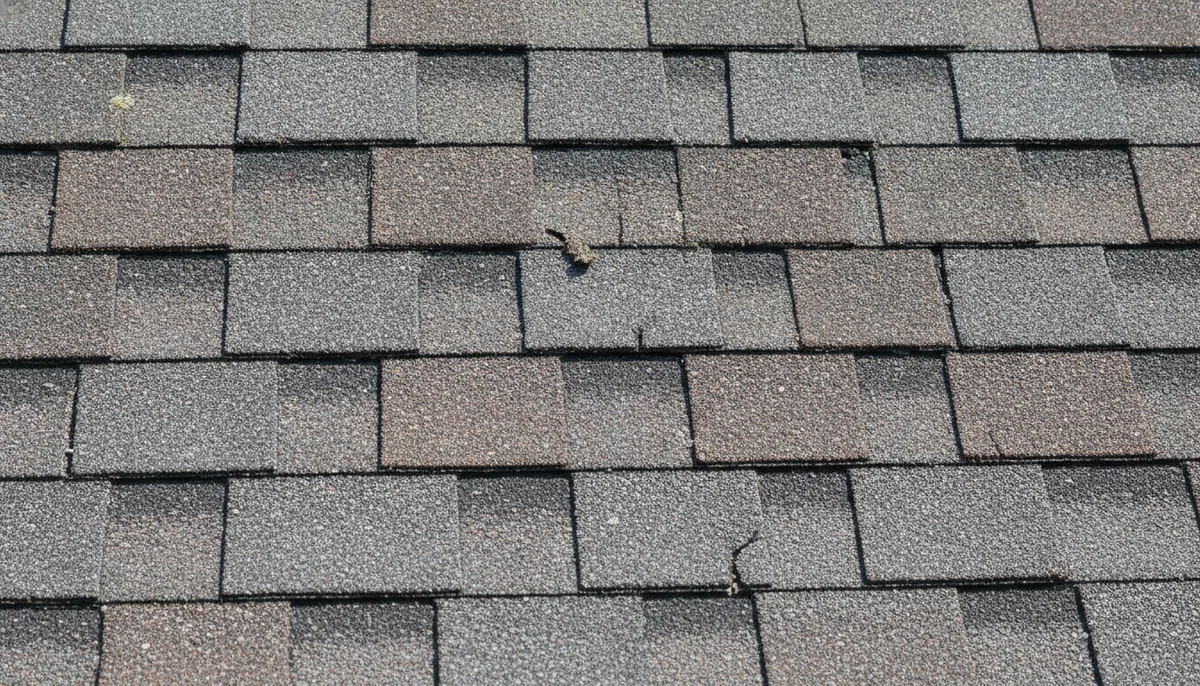
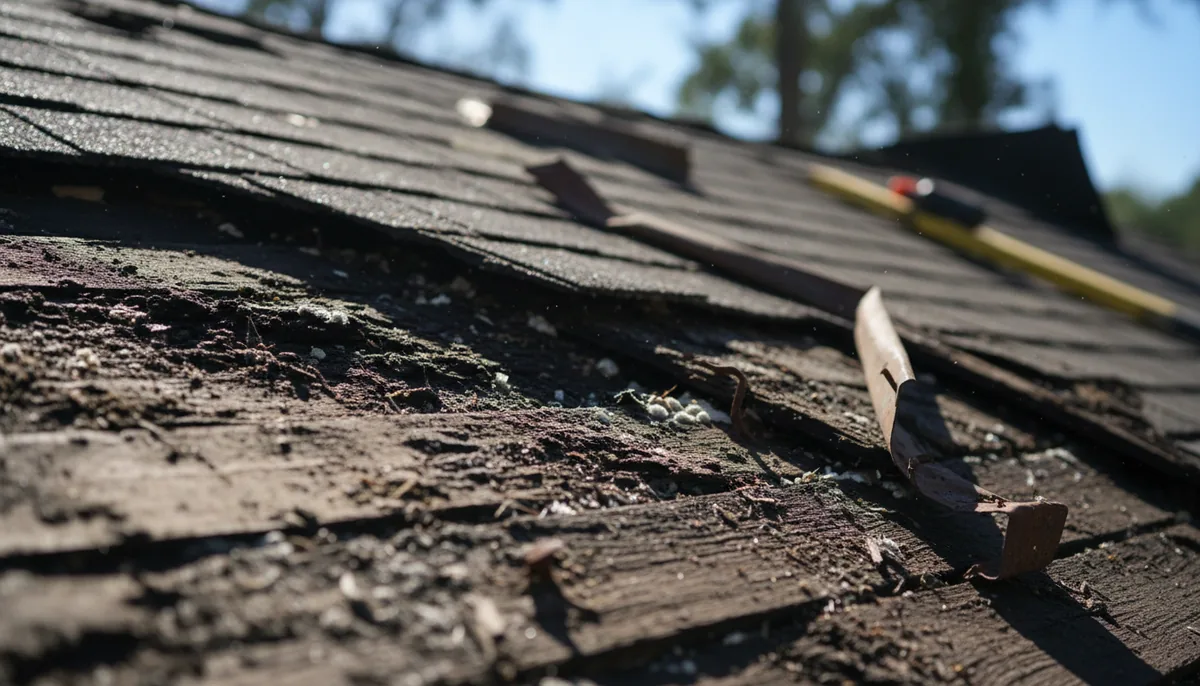
Wind damage is sneaky. You'll see a few shingles peeled up on the south slope, so you call your roofer, and he patches it. But the real problem is the nail pops on the north slope, the one that took the brunt of the gust. Over the next six months, the shingles start curling and cracking from the stress. I've been wrong about this before—we all have. That's why we tear off the suspect areas and look at the felt, the decking, the flashing. Water damage shows up as dark stains on the plywood. If the decking is soft, you're not just replacing shingles. You're replacing wood.
And then there's the tile. I love tile roofs, but they hide their wounds. A barrel tile can look perfect and be cracked clean through the middle from a hail strike. You can't see it from the ground. You might not see it from the roof either unless the light hits it just right. Call it a guessing game. The only way to know for sure is to get up there and check each tile, which is slow and tedious. Most guys don't do it. They just look for the obvious broken ones and move on.
The '25% rule' is gone, but not how you think
A lot of folks still ask me about the old rule that if more than a quarter of your roof was damaged, you had to replace the whole thing to bring it up to code. That rule is dead for newer roofs. SB 4-D (2022) changed it. If your roof was built, repaired, or replaced under the 2007 Florida Building Code or anything newer, then only the section you're working on has to meet current code. The 2007 code took effect in March of 2009, so roofs put on after that date generally qualify for the partial repair.
Here is where it gets sticky. If your roof is older than that, from before 2009, you don't get the benefit of the change. Your roof is 15 years old or more, and a storm blows off a few shingles. Under the code, the repair might trigger a full replacement because the whole roof has to be brought up to standard. That is a much bigger job, and it is a much bigger fight with your insurance company. They know this rule. You need to know it too, because your roofer might not mention it until the permit is pulled and the inspector shows up.
We pull permits because we have to
Every roof replacement in Florida requires a permit from your local building department, and an inspection after the work is done. If a contractor offers to skip the permit, kick him off your roof and don't look back. I mean that. An unpermitted roof can sink your insurance claim and it can sink the sale of your house later. The buyer's inspector will catch it, the title company will catch it, and suddenly you're paying for a second roof just to clear the lien.
The permit proccess is annoying. It costs time and money, and sometimes the inspector disagrees with how I flashed a valley. But it protects you. It means someone besides me and my crew looked at the work and said it's solid. Don't let anyone talk you out of that protection because they want to save a buck or a Tuesday.
Insurance is a whole different animal
I am not a lawyer or a licensed adjuster. I just play one when I'm on a ladder looking at hail damage. But I know the deadlines have changed, and they are brutal if you miss them. Under Florida Statute 627.70132, you have to give your insurer notice of a claim within one year of the date the damage happened—not the date you noticed it. For a supplemental claim, like when we find extra damage after the tear-off, you have eighteen months from the loss date. That clock runs from the storm, not from your discovery.
I of had homeowners call me two years after a hurricane because a leak finally showed up. They want to file a claim. I have to tell them to call their agent anyway, but the insurer has a complete defense if they miss that deadline. It doesn't matter if the loss is covered. The late notice is enough. So if a storm hits your roof in August, mark your calendar. Don't wait until Thanksgiving to make the call. Read your declarations page too. Some policies have special deductibles for wind or hail, and the coverage is different depending on wether the policy is from Citizens Property Insurance Corporation or a private carrier. Read the paperwork. It matters.
What I would actually do: Take a photo of the damage with your phone that same day. Then call your agent and file the notice immediatly, even if you're not sure the damage is bad enough. A claim notice is not the same as a full claim. You can always cancel it if the adjuster finds nothing.
What I would actually do: If the adjuster writes it up for a repair but we find rot or structural issues when the shingles are off, that's a supplemental claim. Email the photos to your adjuster the same day you find it. Don't wait for the paper letter. The clock is ticking.
One Year or Bust: The Deadline Most People Miss
I mentioned the statute already, but let me repeat it because this is the part that costs people the most money. You have one year from the date of loss for the initial claim. Eighteen months for a supplemental. The old rule was three years. The legislature cut it down in 2022, and alot of homeowners haven't caught up. I hear "I didn't know" more than I hear "I didn't have time." That doesn't matter to the insurer. The law is the law.
If you're not sure whether your roof has storm damage, get a roofer to look at it. I do free inspections all the time. Not because I'm a nice guy, though I am. Because if I find damage, I get the work. And if I don't find damage, I tell you to wait. That is the business. I'd rather lose a job than file a fraudulent claim. I have a license to protect.
What I look for on a roof inspection
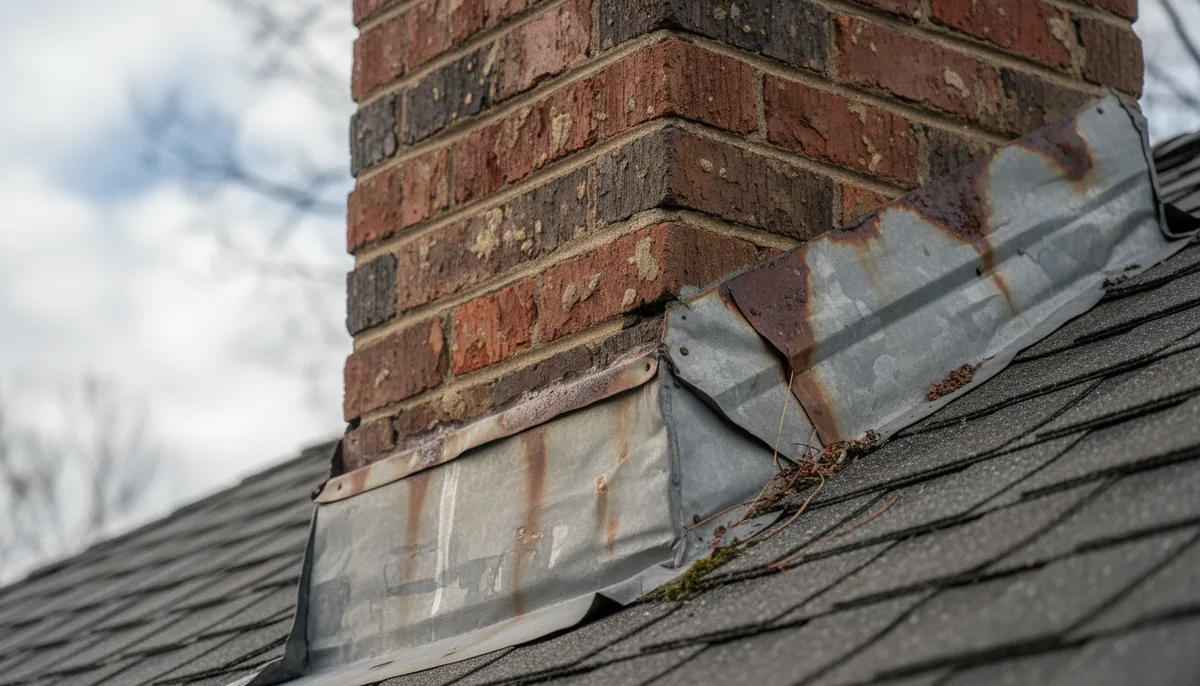
When I get up there, I'm not looking for broken shingles. I'm looking for the nails that popped up under the shingle, the tab that lifted and creased but didn't tear, the felt that's exposed at the eaves. I check the flashing around the chimney and the vents—that's where water sneaks in and rots the wood. I check the decking from underneath in the attic, looking for water stains on the rafters. If the decking is wet, the roof is compromised even if the shingles look good.
Your roof is a system. It is not just the shingles or the tile. It is the underlayment, the flashing, the vents, the decking, and the nails that hold it all together. A storm damage roof issue is never just the top layer. If someone tells you they can fix it by slapping a few new shingles on, walk away. They're not looking at the system. They're looking at your wallet.
Expanding the search: How to find a good contractor
There's a lot of fly-by-night guys who show up after a storm with an out-of-state license plate and a pickup truck full of shingles. They knock on doors in neighborhoods hit by hail, take a big deposit, and then disappear. Don't hire them. In Florida, roofing contractors are licensed by the Department of Business and Professional Regulation, the DBPR. A certified contractor has a license starting with CCC, and they can work anywhere in the state. A registered contractor has a license starting with RC, and they can only work in the local jurisdiction that licensed them. Always verify the number is active on the DBPR roll before you sign anything.
The directory we talked about earlier verifies those licenses against the state roll, which is a good start. But don't stop there. Ask for their certificate of insurance, call the number on it, and make sure it's current. Ask for references from a roof they did two years ago. A storm chaser won't have those. A local guy like me, I have neighborhoods full of roofs I put on a decade ago. Drive by and look at them. If the shingles are still flat and tight, I did my job. If they're curling up like potato chips, you know what to do.
What I would actually do: When I get a referral, I go look at the roof myself before I call the customer back. Because in this business, the work is the advertisement. A bad roof in a good neighborhood will sink you faster than a hurricane ever could.
The '25% rule' Myths and the Insurer's Playbook
I hear a lot of nonsense from homeowners who watched a YouTube video about the '25% rule'. They think that if the insurance company estimates more than 25% damage, the company is forced to replace the whole roof. That was never exactly true. The rule was about the building code, not the insurance policy. And under SB 4-D (2022), it changed anyway. The insurer might still push back on a full replacement if the damage is only on one slope. They'll argue the code doesn't trigger a full roof because your roof is post-2009. They might be right. That's a fight between you, your contractor, and the adjuster. I can't tell you who will win. I just tell you what the code says and let the lawyers sort the rest.
Questions I get asked
How long do I have to file a storm damage claim?
You have one year from the date the damage happened to file the initial claim under Florida Statute 627.70132. Supplemental claims, for additional damage found later, get eighteen months from that same date. Don't count from the day you noticed the leak. Count from the storm.
Do I really need a permit for a roof replacement in Florida?
Yes, you do. The local building department has to inspect the work, and that inspection protects you. A contractor that refuses to pull a permit is cutting corners, and you'll pay for it when the roof fails or when you try to sell the house.
What is the difference between the '25% rule' and the new law?
The old rule said that repairing more than a quarter of your roof meant bringing the whole thing up to code. SB 4-D (2022) says that if your roof was built to the 2007 code or later, only the portion being repaired needs to meet the current code. Pre-2009 roofs don't get that break.
Is a registered roofing contractor okay to hire?
A registered contractor, with an RC license prefix, can only work in the local jurisdiction that licensed them. A certified contractor, with a CCC prefix, can work anywhere in the state. Always check the license number against the DBPR roll to make sure it's active and matches the address.
Can I skip the notice to my insurance and just pay out of pocket?
You can pay out of pocket, but you should still notify your insurer within the deadline if there is any chance you will file a claim later. If you find more damage in month nine and try to file then, the one-year deadline might be an issue. It's better to put them on notice and then decide not to pursue it.
Will filing a claim make my premiums go up?
I don't know. I'm a roofer, not an insurance agent. Policies vary, and the surcharge rules changed recently. What I know is that missing the deadline guarantees you get nothing. Read your declarations page, talk to your agent, and make an informed choice.
After the storm, before the check
Look, I don't write the checks and I don't write the laws. I just tear off the damaged layers and put on new ones. My job is to tell you the truth about what I see up there. If your roof is a total loss, I'll tell you straight. If it just needs a repair, I'll tell you that too. There's no money in lying to people. The neighborhood is too small, and the internet remembers everything.
The worst roofs I've seen are the ones that got patched by a well-meaning homeowner who didn't want to file a claim. They saved a few hundred dollars and lost the whole decking a year later. Do it right. Pull the permit. File the notice. Get the inspection. And if you're in Central Florida and want a second pair of eyes on your roof before you call your insurance, my crew is usually about a week out. That tells you something about the season we've had.
More from the site
- Storm damage roof restoration in central florida — How Bad Is It, Really?
- Emergency roof repairs in florida — How Bad Is It, Really?
- Florida emergency mobile home roof repairs — How Bad Is It, Really?
- Storm damage roof repairs in central florida — How Bad Is It, Really?
- Storm damage roof replacement florida — How Bad Is It, Really?