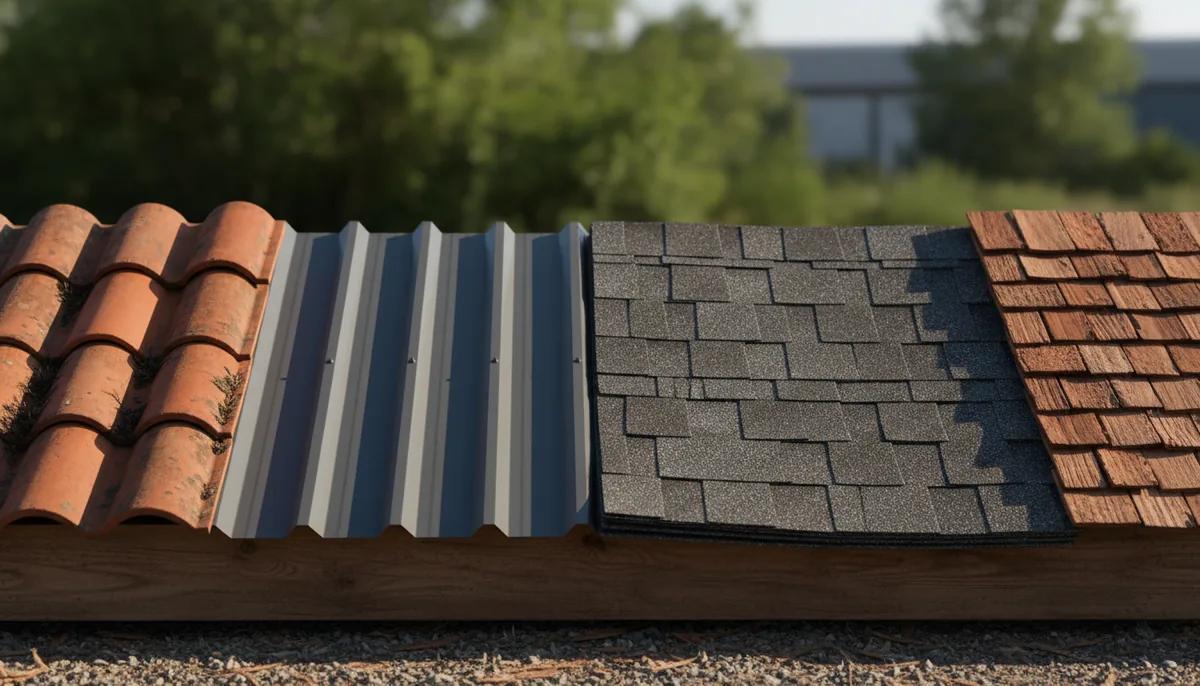
How much does a roof replacement cost in florida?
By Shelly Marchetti, Florida homeowner advocate. Reviewed by Hal Winstead, Editor, licensed roofing contractor.
Last summer, I stood on a roof in Cape Coral with a woman who had already signed a “complete tear off and replacement” contract. The crew had stripped half the old shingles, and there it was: rotted decking in three spots, with no line in her contract for replacing wood. She found out the hard way that the cheapest quote isn’t the same as the truest one. If you’re asking how much a roof replacement costs in Florida, start the way I would: compare written details, not just totals, from roof replacement companies in Florida.
I’m Shelly. I help homeowners read quotes, contracts, and denial letters before they sign or give up. I’m not a roofer. I’m not a lawyer or an insurance adjuster. But I’ve read enough bad paperwork to know where the trouble hides.
Roofs are weird. There is no single price that applies to every house. The price depends on what is under the old shingles, how steep the roof is, how many stories you have, what material you pick, and who does the work. So let’s talk about the parts that actualy decide the number.
So how much does a roof replacement cost in Florida?
Honestley, it depends. Not because I’m dodging the question, but because a roof is priced by the square, and every square is not the same.
A square is 100 square feet of roof surface. The price per square changes with pitch, access, layers, decking, flashing, and material. A single-story roof with a simple shape is not the same job as a steep two-story hip roof with valleys and alot of penetration boots. Anyone who gives you a flat price over the phone without seeing your roof is guessing. I’ve been wrong about this before, and I’d rather tell you that than pretend a guess is gospel.
Three written quotes should be your baseline. But compare the line items, not just the bottom numbers. Watch for quotes that skip disposal, starter shingles, drip edge, ridge cap, synthetic underlayment, or permit fees. A quote that says “labor and materials” without listing them is a mystery quote, and you shouldn’t pay to solve a mystery.
And one quick Florida wheather gripe: summer storms roll in like clockwork, and if the crew isn’t dried in by four o’clock, you’ll learn what the words “tarp” and “leak” really mean. That’s part of why the schedule matters too.
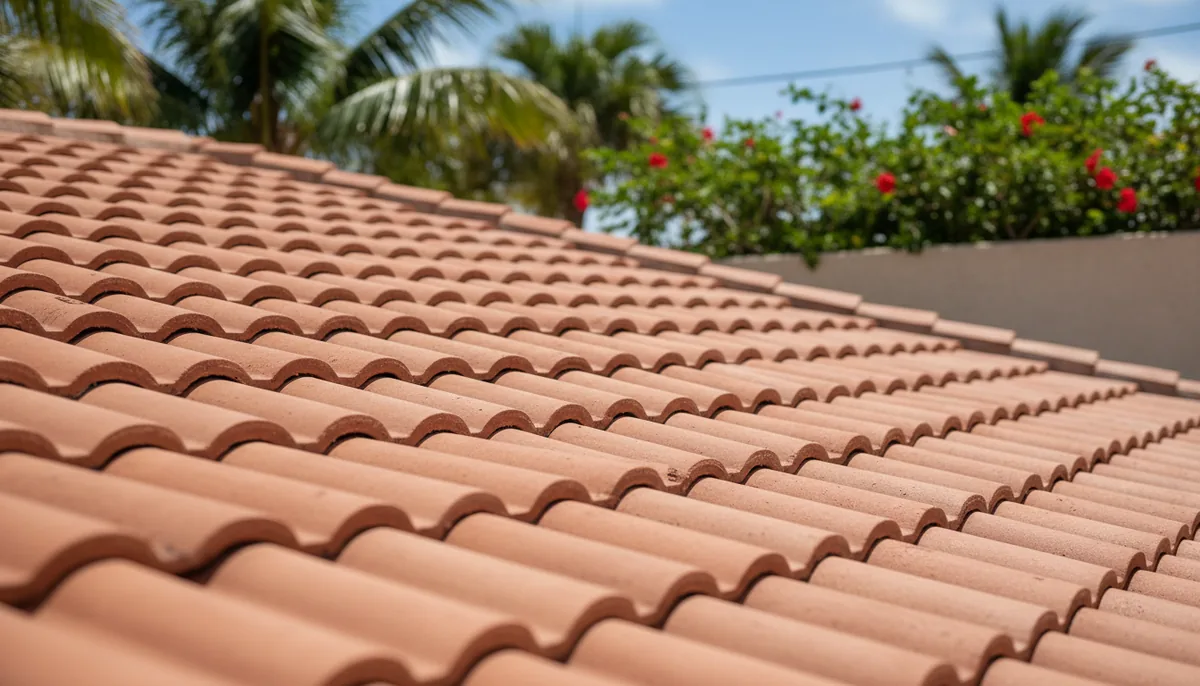
Check the license before you let anyone near your roof
Florida roofing contractors are licensed by the Department of Business and Professional Regulation. The DBPR licence prefixes CCC and RC tell you exactly which type you’re dealing with. A contractor with a certified license starting with CCC can work anywhere in Florida. A contractor with a registered license starting with RC can only work in the local jurisdiction that licensed them.
That distinction matters more than people think. A registered roofer from one county can’t legally pack up and do roofs in another county just because the drive isn’t bad. Always verify the license number is active on the DBPR roll before hiring. I once saw a contractor’s card that looked fine but had expired two years earlier. The work wasn’t fine. Two minutes on the state roll would of told that homeowner to walk away.
The license is the first part of reading a quote. Do not skip it.
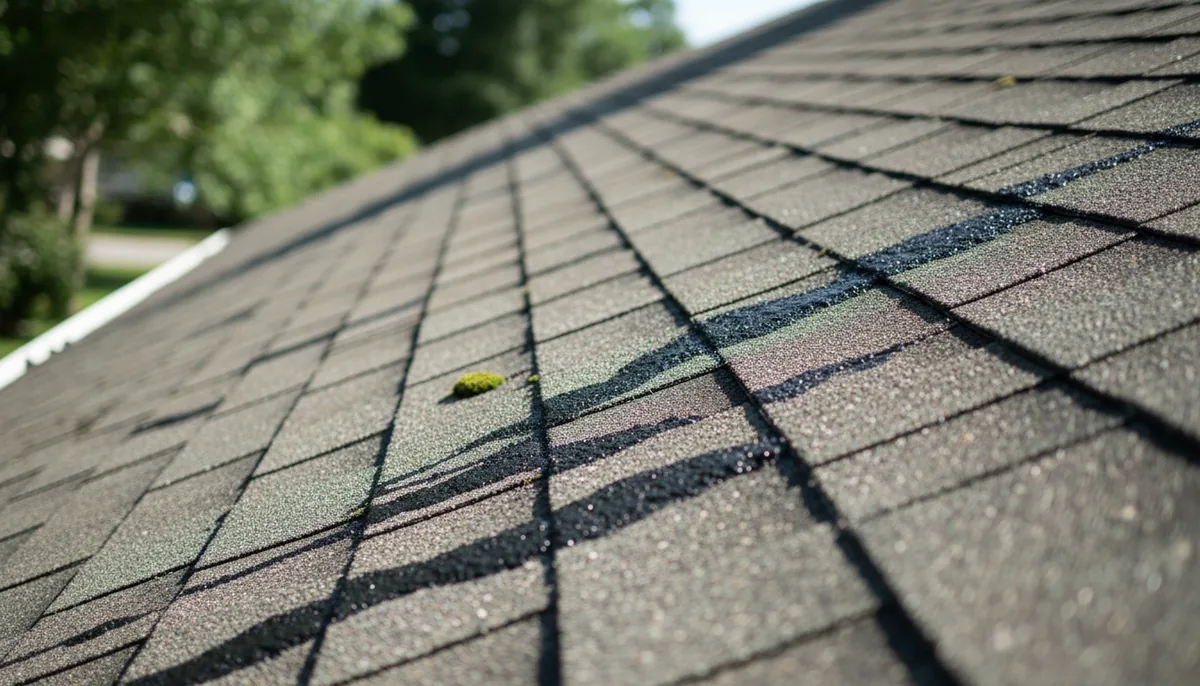
Permits are not optional. Neither is the inspection.
A roof replacement in Florida requires a permit pulled from the local building department, and it requires an inspection. That’s not a suggestion. If a contractor offers to skip the permit, that’s the contractor to walk away from.
An unpermitted roof can complicate an insurance claim and a future sale. Think about that before you decide the permit fee is just paperwork. The permit is what gets a building official looking at the deck and the nail pattern before the new shingles cover everything up. No permit means nobody checks, and you’re the one who owns the result.
What I would actually do: Write the permit into the contract. I’d ask the roofer to name the local building department on the contract, then confirm with that office that the permit was actually issued. No permit number, no signature.
Insurance, contracts, and the letter you didn’t read
The biggest mistake I see is assuming the insurance company will cover a roof replacement because a roofer said “we’ll handle the claim.” Stop right there. Coverage varies by policy. Yours is not your neighbor’s, and your neighbor’s is not your cousin’s. You need to read your own declarations page and see what your policy says about roofs, damage, and replacement cost.
Florida’s insurance rules shifted after SB 4-D (2022). I’m not going to pretend to translate every line of that for you, because I’m not a lawyer. What I can tell you is practical: ask questions before you sign anything, especially before you sign an assignment that lets the roofer talk to your insurance company or receive your claim payment.
The roofer and the adjuster have different jobs. The roofer sells and installs roofs. The adjuster evaluates the claim under your policy language. Those jobs sometimes line up perfectly. Sometimes they don’t. You need to know the difference before you let one speak for the other.
What I would actually do: Read your declarations page twice. Once before you sign a roofing contract, and once before you file a claim. If the roofer wants to talk to your adjuster directly, get that permission in writing and read every word of it first.
Get the wind mitigation inspection that can pay for itself
Here’s the part most homeowners don’t know about. A wind mitigation inspection documents roof covering, roof deck attachment, roof-to-wall connection, roof geometry, secondary water resistance, and opening protection. The standard form is form OIR-B1-1802. Florida insurers must offer premium discounts for features that qualify on that form.
That doesn’t mean every roof gets a discount. The features have to actually be there. But if you’re replacing a roof, it’s worth telling the roofer you want the installation done so a wind mitigation inspection will show well. That means the right deck attachment, the right roof-to-wall connections, and the right secondary water resistance. Ask the roofer what would help on that form before the work starts.
And check on My Safe Florida Home when you’re planning the work, in case the program is open and useful for your situation. Programs change, so verify before you count on them.
Read the quote the way you’d read a used car contract
A roof quote should name the exact material. It should say the shingle product, the underlayment, the flashing, the drip edge, and the ridge cap. It should include disposal and permit. And it should say what happens if the crew finds rotten decking after the tear-off begins.
Some roofers include a set allowance for plywood. Some don’t. If yours doesn’t, ask for a change-order rate before you sign. That rate is the price you’ll pay per sheet if the wood underneath is worse than it looks.
Workmanship warranties matter too. A manufacturer’s warranty covers the shingle. It doesn’t necessarily cover the guy who nailed it wrong. Ask who fixes a leak if the installation is the problem. Get that answer in writing. And don’t let anyone pressure you into an “emergency decision” on a sunny Tuesday. Roofs can wait long enough for you to read.
Questions I get asked
How many quotes should I get?
At least three written quotes. More if your roof is complicated or your insurance claim was denied and you don’t understand why. Three quotes won’t give you one easy answer, but they will show you which line items keep disappearing.
Does my insurance cover a roof replacement?
I can’t answer that without reading your policy. Coverage varies by policy, and the details are in the declarations page and any roof endorsements. Look for language about wear and tear, storm damage, and replacement cost, and call your agent if a phrase doesn’t make sense.
Can my roofer talk to my insurance company for me?
Yes, but only if you sign something that gives them permission. That permission is usually called an assignment or a direction to pay. Before you sign it, get a copy and read it. The roofer’s interest is getting paid for the roof. Your interest is getting the claim handled correctly. Those can overlap, but they are not the same.
When should I get the wind mitigation inspection?
Right after the new roof is complete, before your insurer renews, is the best timing. If you’re not replacing the roof, get one now anyway, because the current roof may already qualify for discounts you’re not receiving. You’ll usually find the discount on the roof worth more than the inspection cost.
What’s the smartest question to ask before I sign?
Ask what happens if the crew finds rotten decking after the tear-off starts. A good contract will tell you the per-sheet cost and the allowance. A vague contract will leave you arguing about it with a pile of old shingles in your yard.