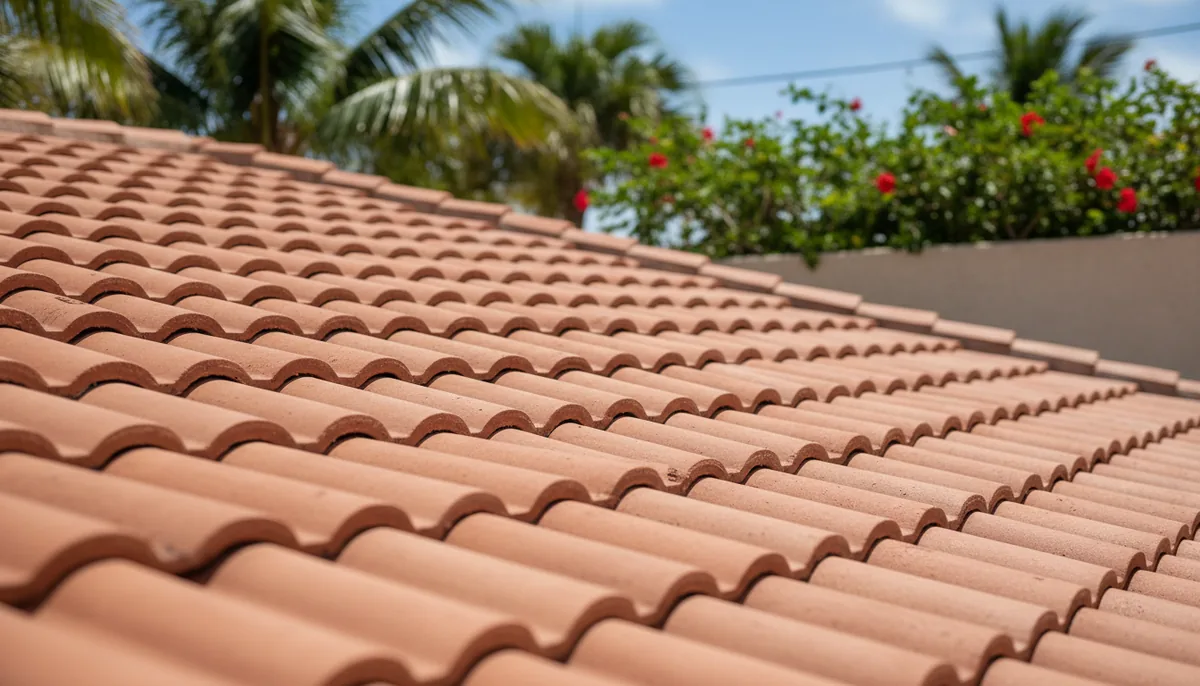
Mobile home roof maintenance Florida
By Bud Kettering, Roof consultant and inspector. Reviewed by Hal Winstead, Editor, licensed roofing contractor. The last time I crawled out of a crawlspace in Arcadia, the afternoon heat had baked the air so thick I could’ve chewed it. I was up there for a routine moisture reading on a 1997 Fleetwood, checking a soft spot by the AC chase, and I found the whole belly pan wet because someone had patched the roof with roofing tar over silicone over an old tennis ball that had jammed in a vent. That ball had been sitting in two inches of water for years. The homeowner told me she’d paid a handyman two hundred bucks to fix it “permanent.”
Mobile homes leak differently than stick-built houses. They flex, they twist, they sit on a steel frame that moves under wind load, which means every sealant seam has a job to do and most of them fail from the inside out. If you suspect the roof, having the first look done by someone who doesn’t sell roofs is worth the money; if you do need a contractor, the mobile home roofing companies in Florida directory is a place to start checking against the DBPR roll. Not every roofer understands a mobile home’s flat-to-low-slope system. Some will quote you for a shingle job that the frame was never engineered to carry.
You can’t maintain what you can’t see. That’s the whole game in this state. And I’m not talking about the shingles on top. I’m talking about the deck, the insulation, the vapor barrier, the fasteners, and the strip of caulk that’s supposed to keep rain from running sideways into your living room on a Tuesday afternoon when the wind has a grudge.
What I actually look at first, before the roof
A roof leak in a mobile home almost never shows up as a neat drip. It shows up as a brown streak on a ceiling panel, a musty smell by the return air vent, or a floor that feels spongy near an exterior wall. I start with the penetrations. Vents, skylights, plumbing stacks, the AC line set, the batten seam where two roof sheets meet — that’s where the water gets in.
The roof itself is the last thing I trust. I’ll walk it to check for rust, loose screws, and popped seams, but the moment a moisture meter reads high on the deck, I stop caring about the top side. The deck is the roof. If it’s swollen, delaminated, or soft, you’re not doing maintainance anymore. You’re doing a replacement.
And I’ll tell you the same thing I tell every buyer I inspect for: a rubber roof over a rotten deck is just a waterproof hat on a sick dog. Fix the dog.
Why mobile home roof maintenance Florida is different from everywhere else
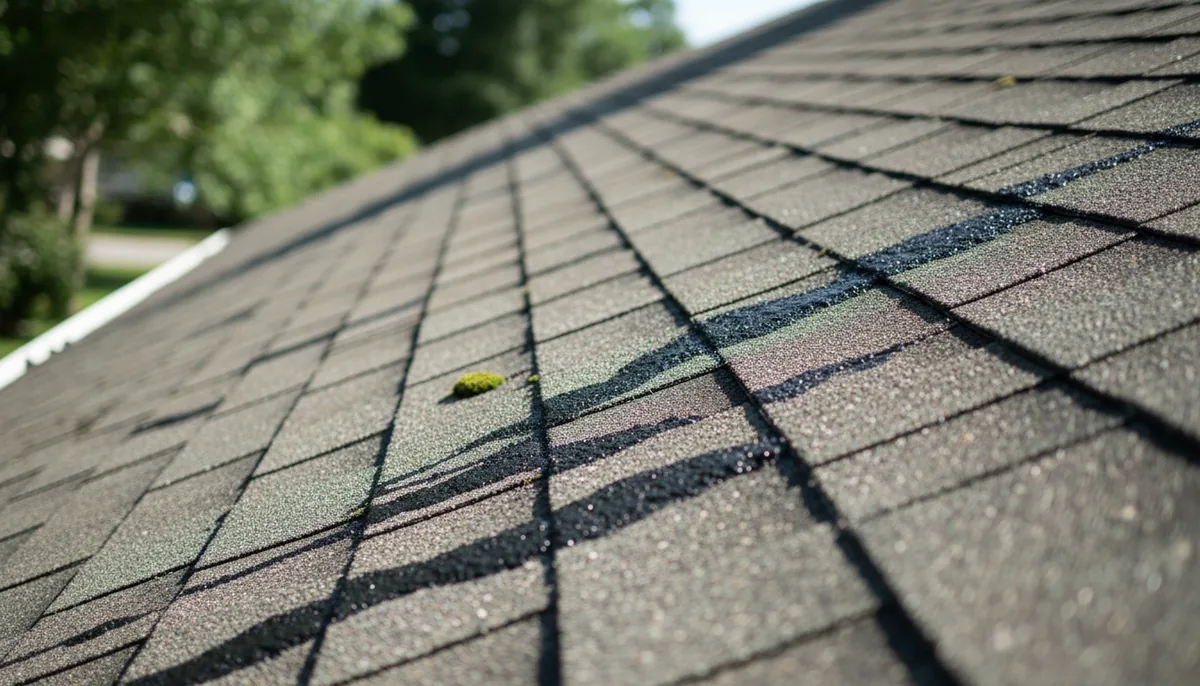
UV is brutal here. A rubber EPDM roof that might last twenty years in Ohio can be chalky and cracking in eight to ten in Polk County. The heat doesn’t just age the membrane, it bakes the sealant, shrinks the flashing, and makes the roof deck move more than the manufacturers want to admit. Give or take, you’re looking at a system that needs real attention every couple of years, not once a decade.
That’s why the maintenance schedule matters more than the original installation. Twice a year, usually after a hard winter front (yes, we get them) and after the worst of the summer sun, you want someone up there checking the seams. The best maintenance is the boring kind: clean the debris, re-caulk the penetrations, screw down any loose metal, and check that the rain gutters actualy drain away from the skirt. A roof that sheds water is a roof that doesn’t need repeated rescues.
Florida’s building code and the insurers have their own ideas, too. A wind mitigation inspection documents the roof covering, the deck attachment, the roof-to-wall connection, roof geometry, secondary water resistance, and opening protection. Insurers here must offer discounts for qualifying features, and the standard form is OIR-B1-1802. That inspection can pay for itself the first year. I’ve seen it happen more times than I can count. The discount depends on what’s there, so you won’t know until you pay for the look. But it’s a look worth taking.
Hire by the licence number, not the hat
Florida roofing contractors answer to the DBPR. A certified contractor has a licence starting with CCC and can work anywhere in the state. A registered contractor has an RC prefix and can only work in the local jurisdiction that licensed them. That distinction matters when the job goes sideways and you need the state to back you up.
A lot of what I do is triage after someone else’s mistake. I get called by an insurer because a homeowner’s “roof repair” turned into a five-month saga, and the first thing I do is pull the license number. If it’s not active on the DBPR roll, I stop the conversation. Not because I’m a stickler. Because the workmanship bond that protects you is tied to that license. No license, no bond, no recourse.
And please, do not let anyone talk you into skipping the permit. A roof replacement in Florida requires a permit from the local building department and an inspection. If a contractor offers to skip it, walk away. An unpermitted roof can haunt an insurance claim and a future sale. I’ve had to be the one to deliver that news to a seller who thought they’d saved four hundred bucks. They hadn’t. The buyer’s lender called it off over a roof that had no paper trail.
What I would actually do: Pay for the inspection yourself before you commit to a contractor. An independent look costs less than the first mistake. Then check the license against the DBPR roll. Then get three quotes in writing, and read them for what’s excluded, not what’s included.
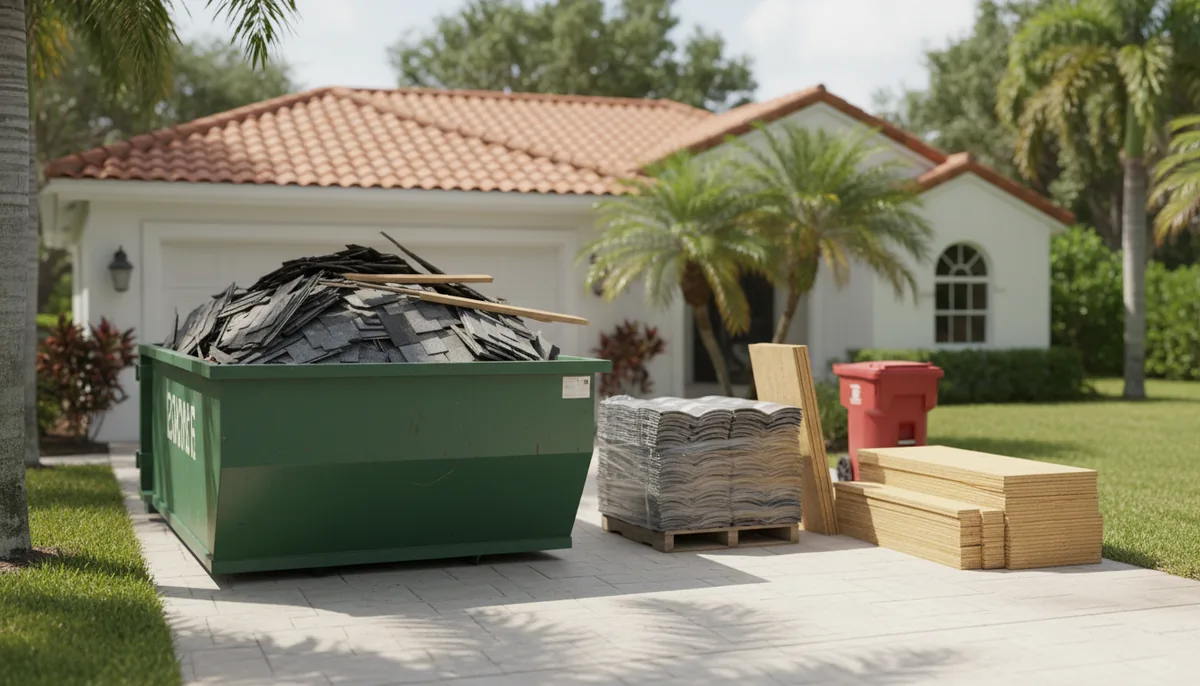
The cheap quote is cheap for a reason. Usually that reason is the absence of a disposal fee, a permit, or labor that’s actually willing to work in a Florida attic in August. I’ve been wrong about this before, but not often.
Wind mitigation and the insurance discount that nobody claims
Here’s a gripe: I inspect roofs for insurers, and I can’t tell you how many policyholders have never had a wind mitigation inspection done. They’re paying full freight when they don’t have to. The form is OIR-B1-1802, and it’s the single most cost-effective piece of paper you can get on a Florida home. The discount is based on what’s actually there — roof shape, deck attachment, secondary water barrier — and some of it depends on things you might not control, like wether your roof is hip-shaped rather than gable-ended.
But some of it you do control. If you’re re-roofing, ask for a secondary water-resistant barrier under the new covering. That one upgrade can strengthen your wind mitigation score and your negotiating position with an insurer. Florida Statute 627.70132 is why the discounts exist, and Citizens Property Insurance Corporation has to offer credits on new and renewed policies just like private carriers do. The number isn’t massive on every policy, but the inspection is cheap. It’s the best return I know of in this industry.
My own advice after the last hurricane season: don’t wait for the storm to make the decision for you. If you’re in line for a new roof, get the inspection first. If the deck is marginal, you’ll find out before the contractor starts, not after the tear-off reveals a surprise in the middle of a supply chain delay.
What I would actually do: Before you pay for any roof work, ask the contractor to prove they’ve pulled a permit, then call the building department and confirm it’s open. Yes, it’s an extra twenty minutes of your day. It’s also the difference between a warrantied job and a headache that follows you to the closing table.

The difference between a repair and a band-aid
Roof coating companies will sell you a maintenance program that’s mostly a coating over everything. Sometimes that’s the right call, and I say that even though I’m not in that business. If the roof is sound and the issue is surface cracking, a quality elastomeric coating can extend the life. But a coating over a wet deck is just a more expensive way to hide the problem.
A real repair involves finding the source, removing the damaged material, drying the substrate, and rebuilding the section. That costs more. It takes longer. And it holds up. I tell buyers all the time: if a repair quote sounds too low, the contractor is guessing. And if they’re guessing on a flat roof in Florida, they’re guessing wrong.
How to spot trouble before the water does
Walk your roof twice a year. I’m serious. Put on shoes with soft soles and walk the seams. Look for screws that have backed out, especially on metal roofs. Look for erosion along the edge metal where water curls around the drip edge. Look for rust streaks that mean the galvanizing is gone.
Inside, get in the attic or crawlspace with a flashlight and look up at the underside of the roof deck. Stains, black lines along the rafters, or a dark shadow around a vent are the early signs. A moisture meter is cheap compared to a roof replacement. If you aren’t comfortable doing it, pay an inspector. But it’s an hour of your time twice a year, and it saves you from the kind of call I get in late September after a tropical system.
Questions I get asked
How long does a mobile home roof last in Florida?
It depends on what’s under the surface and how well the seams are maintained. A rubber roof with good care might give you fifteen years. A metal roof can go longer, call it twenty plus, but the fasteners and seals fail long before the metal does. The real answer is that no roof dies of old age here. It dies of neglect.
Do I need a permit for a mobile home roof replacement?
Yes. A roof replacement in Florida requires a permit from the local building department and an inspection. Any contractor who tells you otherwise is doing you a disservice. An unpermitted roof can complicate an insurance claim and a future sale, and it’s not worth the risk to skip it.
Should I get a wind mitigation inspection before I re-roof?
Yes, if you want the insurance discount. The standard form is OIR-B1-1802, and it documents things like the roof-to-wall connection and secondary water resistance. Knowing what you have before you start means you can make upgrades that qualify for a credit. And the first inspection is usually much cheaper than the annual savings it unlocks.
What do I do if water stains appear after a storm?
Start inside. Trace the stain to it's highest point, then go outside and inspect that area on the roof. The leak is rarely directly above the stain because water runs along rafters and decking. If you can’t find it, call an inspector. Guessing with sealant is how people end up with a tennis ball in a vent.
Can I coat my roof instead of replacing it?
Sometimes. If the deck is dry, the seams are intact, and the issue is surface cracking, a coating can be a legitimate maintenance move. But a coating over moisture is a waste of money. You have to confirm the deck is dry before you seal it. I’ve seen too many coatings that just locked the water in and rotted the deck faster.
How do I know a contractor is legit?
Check the DBPR roll for an active license that starts with CCC or RC. Confirm the license number matches the name on the contract. Then verify they pulled the permit for your address. The directory listing is a starting point, but the state roll is the truth. The best roofers don’t mind proving it.