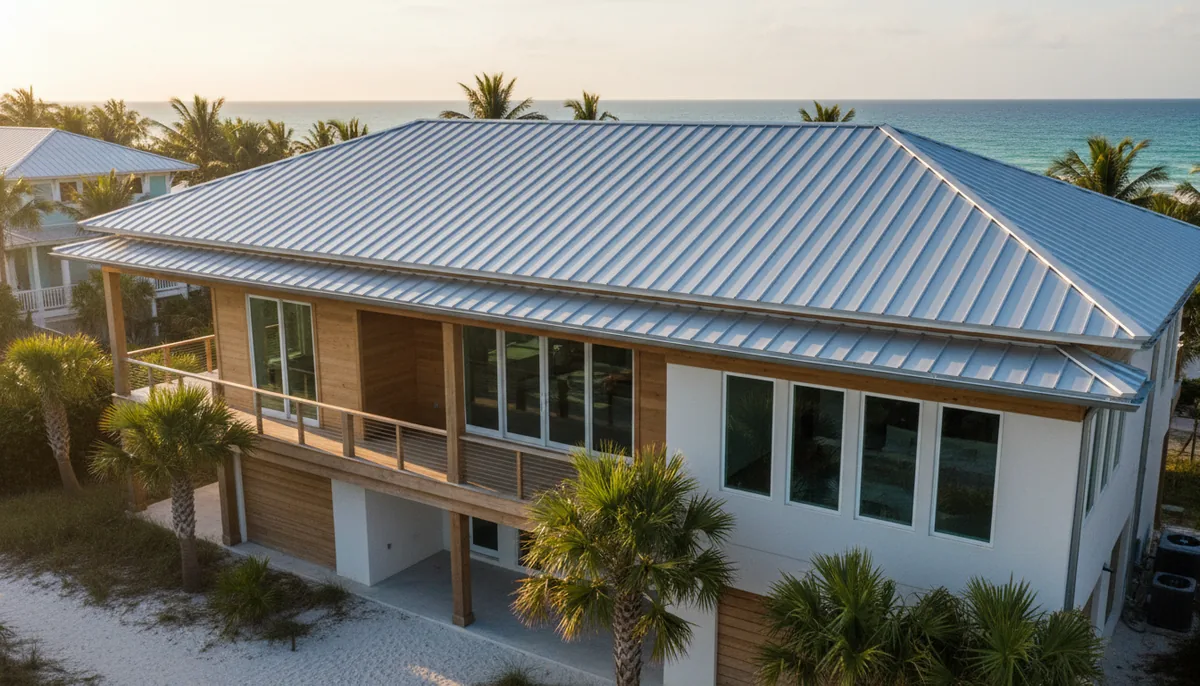
Roof certification inspection Florida: The Florida Guide
By Dale Prescott, Roofing contractor, Central Florida. Reviewed by Hal Winstead, Editor, licensed roofing contractor. That Tuesday I was up on a barrel tile roof in New Smyrna Beach, checking a ridge that had spit a nail. The homeowner had called because his insurer wanted a roof certification inspection florida before renewal, and he was sure the roof was fine. It was fine, mostly. Then I lifted a loose barrel near the ridge and found the felt underneath had turned to powder. Not from the storm. From heat and age. The roof didn't leak that day. It would have leaked by August.
That is what a roof certification inspection actually does. It doesn't pass or fail your roof like a school test. It gives an insurance company enough information to decide if they want to keep writing your policy. I have climbed onto more roofs than I can count between Orlando and the coast, and I can tell you the difference between a roof that is getting inspected and a roof that is getting condemned. You want to know what happens before the guy in the crew cab pulls up. Here is the short version from somebody who has been doing this for twenty-two years. If you need help finding a licensed contractor to do the work, start with that directory page listing roofing companies in Florida, and then check the licence yourself. I will show you how in a minute.
First, understand who is allowed to touch your roof at all. Florida roofing contractors are licensed by the Department of Business and Professional Regulation, the DBPR. They use licence prefixes CCC and RC. A certified contractor, the CCC license, can work anywhere in the state. A registered contractor, the RC license, can only work in the local jurisdiction that licensed them. I have pulled up to jobs where the guy had an RC license from Broward and was working in Volusia. That is not legal. Always verify the number is active before you hire anybody. The DBPR roll is public. You can look it up in two minutes.
The confusion usually starts when someone asks for a "roof certification." What they almost always mean is a wind mitigation inspection. That is the form the insurance company wants. The standard form is OIR-B1-1802, and it documents six specific things about your house: the roof covering, the roof deck attachment, the roof-to-wall connection, the roof geometry, wether there is secondary water resistance, and your opening protection. Those are the fancy terms. What it means is the inspector is checking how your roof is nailed down, how it is connected to the walls, what shape it is, and whether your windows can take a hit. Florida insurers must offer premium discounts for qualifying features. That is not a suggestion. The discount depends on what the inspection finds. The inspection typically costs far less than the annual discount it can open up.
I have been wrong about this before, but I would guess that nine out of ten homeowners who call me about a "certification" actually need the wind mitigation form. A true roof certification, in the strict sense, is a statement that the roof is in serviceable condition and can be expected to perform for a certain number of years. Some insurers ask for that, too. The wind mitigation inspection is the one that pays you back.
Here is the part that makes homeowners in Central Florida want to throw a brick through their television. The roof-to-wall connection tells the insurance company how the roof is tied to the frame of the house. You cannot see it from the outside. You cannot see it from the attic if the roof is trussed and the ceiling is finished. Sometimes I have to open up the top plate of a wall to see if the brackets are there. If the house was built before the mid-1990s, there is a good chance the connections are not up to current code. That does not mean the roof is falling off. It means you might not get the credit for that category. I don't make the rules. I just explain why you did not get the discount you expected.
What I would actually do: If you are buying a house or renewing a policy, pay for the wind mitigation inspection yourself, before the insurance company sends someone out. It costs a couple hundred bucks, call it a fair trade for knowing what is under there. Then you are not scrambling when the underwriter asks questions.
Now, about the 25% rule. I have spent more hours arguing about this than I care to remember. The old rule came from the Florida Building Code. If you repaired or replaced more than 25% of your roof in any 12-month period, you had to bring the whole roof up to current code. That meant a small leak could trigger a full replacement. Then the legislature passed SB 4-D in 2022, effective 26 May of that year, and changed the math. If your roof was built, repaired or replaced to the 2007 Florida Building Code or any later edition, then only the portion being worked on must meet current code. A full replacement is no longer automatically triggered. The 2007 edition took effect on 1 March 2009. So if your roof was completed before that date, it generally does not qualify for that protection. That is a huge deal for a lot of old Florida houses. This is also connected to Florida Statute 627.70132, which requires insurers to provide a roof claim payment based on the actual cash value if the roof is older than a certain threshold. I am not a lawyer, so I will not pretend to give you legal advice. What I can tell you from the ground is that the age of your roof matters more than almost anything else.
Here is the part nobody tells you. When the insurance company writes you a letter saying your roof needs a certification, they are not asking you to prove your roof is perfect. They are asking you to prove it is not twenty years old and dead. The thing that kills roofs in this state is not the hurricane that makes the news. It is the daily sun, the humidity, and the afternoon thunderstorms that hit one corner of the roof for ten straight days. I have torn off roofs that looked decent from the street and found the plywood decking was wet and rotten under a perfectly good shingle. Depends what is under there, always. That is why you need somebody who actually walks the roof, not a drone photo.
What I would actually do: When the inspector is on the roof, walk around the outside of the house yourself. Look for any place where the roof meets a wall or a chimney. Those are the spots that fail. If the inspector tells you your roof is in "average" condition, that is not a compliment. Average in Florida means you are gambling.
If you have a house that was built before 2009, and the roof is original, you need to have a conversation with your insurance agent before they have a conversation with you. The Citizens Property Insurance Corporation, which is the state-backed insurer of last resort, has it's own rules and procedures. I see a lot of Citizens policies in this part of Florida because the private market has pulled back from certain coastal areas. If you are with Citizens, read the letters they send you. They do not send junk mail. There is also the My Safe Florida Home program, which provides free wind mitigation inspections and grants for eligible homeowners. That program has changed over the years, so you need to check the current requirements.
Let me tell you one thing that drives me absolutely insane. A homeowner calls me because their insurance company dropped them. I ask when the roof was replaced. They say, "Oh, about twelve years ago." I ask who did it. They say they don't remember. That is the customer who did something daft. You need to know the year your roof was installed and you need to know who installed it. If you do not know those two things, you are starting from behind. I have been doing this for over two decades and I still keep a binder of every permit I pull. You should of keep the same records.
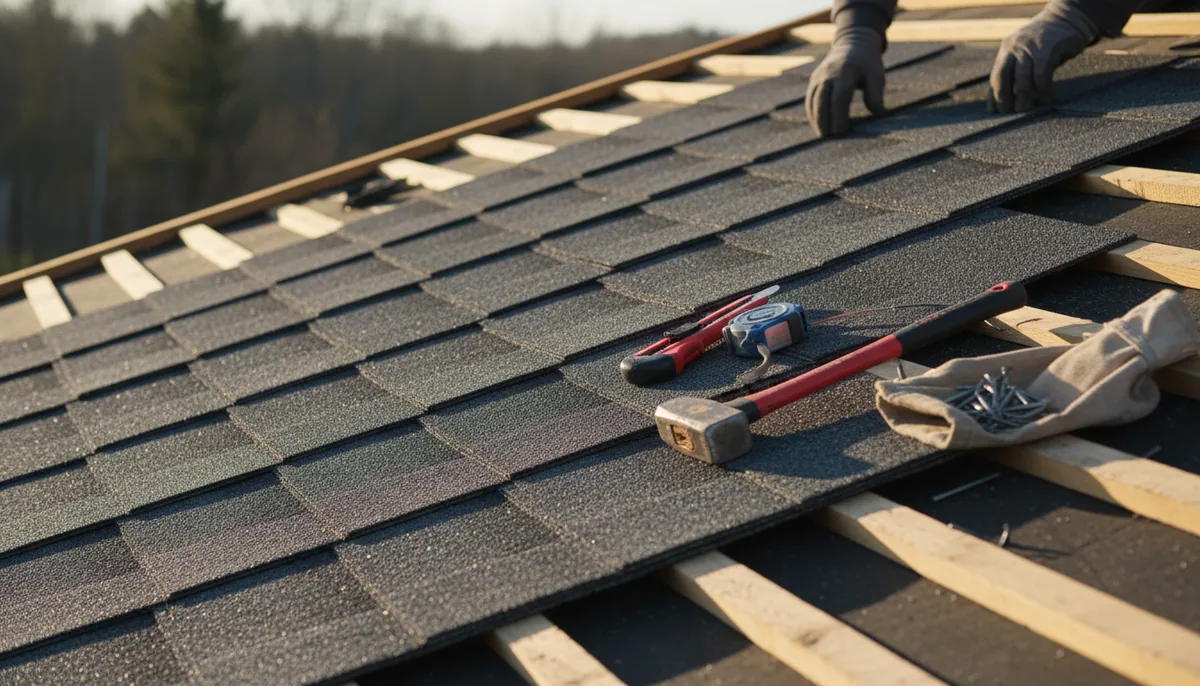
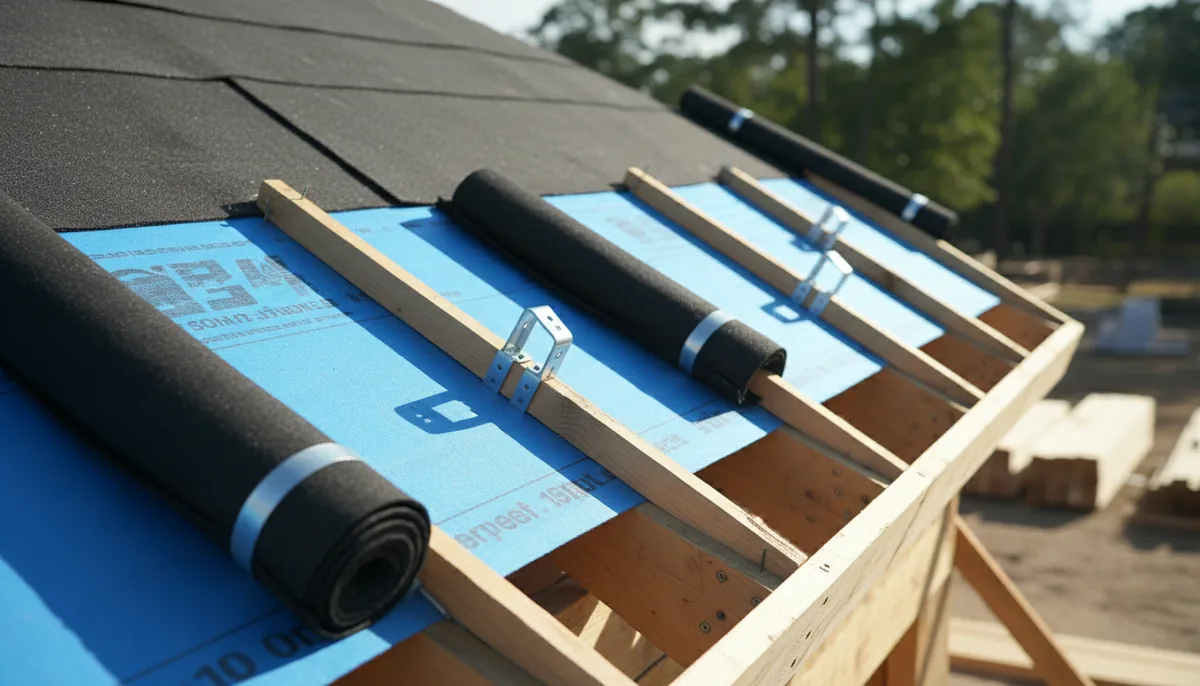
What does a roof certification inspection in Florida look like when I do it? I get on the roof. I look at the age of the shingles or tiles. Tiles and shingles have different lifespans. A decent architectural shingle is rated for thirty years, but in Florida heat I would be surprised to get twenty-five out of it. A concrete tile roof can last fifty years, but the felt underneath might not make it thirty. The inspector checks for cracked, curling, or missing shingles. He checks the flashing around vents and pipes. He checks the ridge cap. He checks whether the roof deck is solid. Then he goes into the attic and looks for water stains, for the type of deck attachment, and for whether there is a secondary water barrier underneath the roof covering. The secondary water resistance is that layer of felt or synthetic underlayment. If you have it, it can qualify you for a discount. If you don't, you are not getting the credit.
Now, if the inspection finds problems, you have options. A roofer can make repairs. If the repair is less than 25% of the roof and the roof was built after 2007, we can fix the damaged section and leave the rest alone. If the roof is old and the repair is bigger, you are likely looking at a replacement. This is where the permit comes in. A roof replacement in Florida requires a permit pulled from the local building department, and an inspection. A contractor who offers to skip the permit is a contractor to walk away from. I have said that before and I will say it again. An unpermitted roof can complicate an insurance claim and it can complicate a future sale. When you sell your house, the buyer's inspector will see the new roof, ask for the permit records, and if you do not have them, you will be negotiating from a weak position.
I am not a licensed adjuster. I do not handle your claim. But I have stood on hundreds of roofs with adjusters after a storm. I know what they look for and I know what they write down. They measure. They take photos. They check for storm damage versus wear and tear. It is my job to point at what the storm did and explain why it matters. It is their job to write a number. Sometimes we agree. Sometimes we don't.
What exactly counts as a structural roof inspection in Florida
When you hear "structural roof inspection," that is usually shorthand for an inspector checking the framing and the deck, not just the shingles. This is different from the wind mitigation inspection. The wind mitigation form has specific categories. A structural inspection is more general. The inspector checks for sagging ridges, for rafters that are cracked, for trusses that were modified by somebody who had no business with a saw. I have seen attics where someone cut a truss to make a storage platform. Every time I see that, I tell the homeowner that the structural integrity of the roof has been compromised. That is not an exaggeration.
Who can legally inspect a roof in Florida
This might surprise you. There is no seperate license for a "roof inspector" in Florida. A licensed roofing contractor can inspect a roof. A licensed home inspector can inspect a roof. Sometimes a licensed engineer is needed when there is a structural question. If you want your insurance company to accept the findings, it needs to be on the form they reccognize, which is the OIR-B1-1802. Ask the person doing the inspection whether they carry a roofing contractors license or a home inspection license. Either can do the job, but you want to know who you are dealing with. A roofing contractor sees the roof through the eyes of somebody who has to fix it. A home inspector sees it through the eyes of a generalist. I am biased, but I know which one I trust with a complex roof.
What happens if the roof doesn't pass
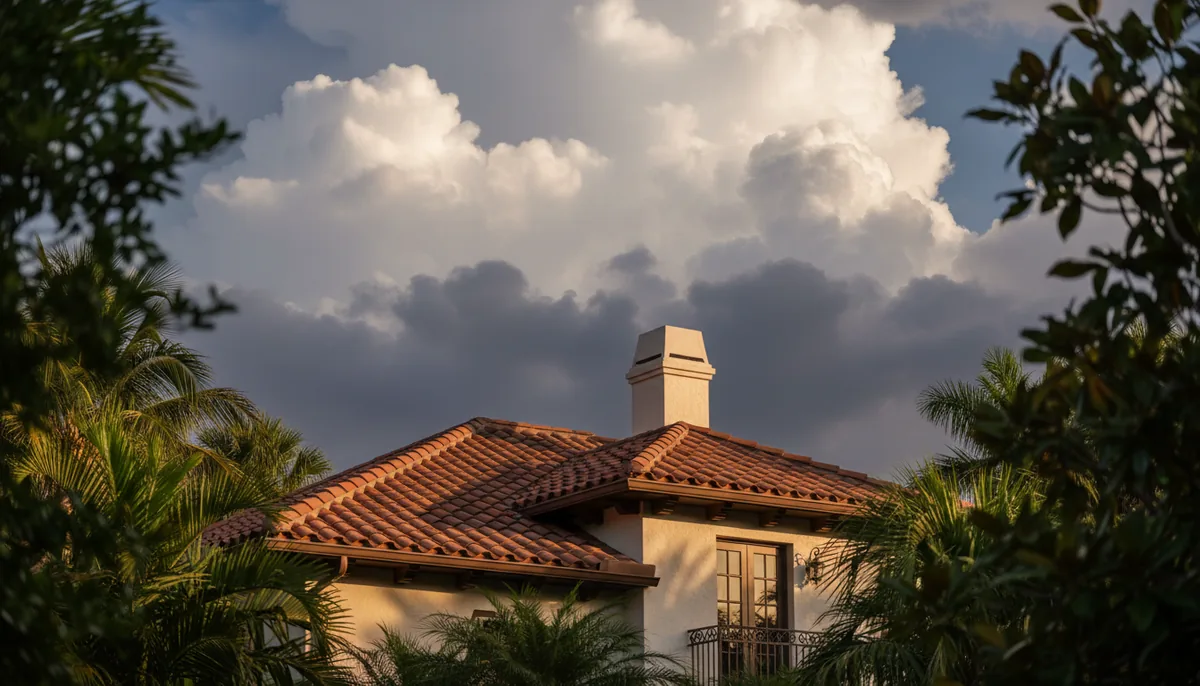
That is the question everybody is really asking. If the inspection finds that the roof has less than two or three years of useful life left, the insurance company might tell you that you need a new roof to keep your coverage. That is not the inspector's fault. That is the insurance company's underwriting policy. Coverage varies by policy, so I cannot tell you what your specific policy covers. Read your declarations page. It will tell you what kind of roof coverage you have, whether it is replacement cost or actual cash value. This matters because actual cash value accounts for depreciation. An old roof that gets destroyed in a storm will only pay out its depreciated value, not the cost of a new one.
Choosing a roofer from a directory
If you find a roofing company through a directory, do not just call the first name on the list. Check their licence on the DBPR roll. Verify the license prefix. A CCC license can work anywhere in the state. An RC license cannot. Ask if they have a physical office. Ask if they pull their own permits. Ask for references from jobs that are at least two years old, not last month. A roof that looks good on day one might leak in year three. That is when you find out if the contractor is going to answer the phone.
What I would actually do: Ask for the foreman's cell phone number, not just the sales office. The sales guy will tell you anything. The foreman is the one who is actually on the roof at 7 a.m. If the foreman does not return your call, that tells you something.
Questions I get asked
How much does a roof certification inspection cost in Florida?
It depends on the size of your house, the pitch of your roof, and how accessible it is. It is priced per square, which means per 100 square feet of roof. For a typical Central Florida home, you can expect to pay a few hundred dollars. It will usually save you more than that in insurance discounts within a year or two.
What is the difference between a roof certification and a wind mitigation inspection?
A wind mitigation inspection is the form OIR-B1-1802 that documents specific structural features for an insurance discount. A roof certification is a general statement that the roof is in serviceable condition. Your insurance company might ask for either one, but wind mitigation is the one that gets you the discount.
Can I stay with my insurance company if the roof is old?
That is up to the insurance company, not me. Some will renew policies on older roofs, some will not. If they ask for an inspection and it comes back showing the roof has only a year or two of life left, you will likely get a letter telling you to replace it. I have seen this happen a lot after the big storms.
Does a roof certification guarantee my roof will not leak?
No. And anyone who tells you that is lying or ignorant. An inspection is a snapshot of the roof on that day. I can tell you the roof covering looks sound and the flashings are in good shape. I cannot tell you that lightning will not strike the tree branch over your roof next month. Nobody can.
Can a licensed home inspector do a roof inspection for insurance?
Yes, a licensed home inspector can perform the inspection if they are using the correct form. But I have seen some home inspectors miss things that a roofing contractor would catch immediately, like a valley that was improperly flashed. If you have the choice, hire a roofing contractor who has been doing insurance work for years.
What if I bought a house with an unpermitted roof?
That is a problem you need to address before the insurance company does. An unpermitted roof can mean the work was never inspected, which raises a red flag about the quality of the installation. You can sometimes get the roof inspected retroactively, but that depends on your local building department. It is not a fun proccess., none of this paperwork will make your roof stronger. I have seen roofs that had perfect paperwork and leaked like a sieve. I have seen roofs that were held together with hope and prayer and outlasted the house under them. The system exists because insurance companies are in the business of risk, not charity. Your job is to give them as little risk as possible on paper, and to make sure the actual roof is as sound as you can afford. The two things are not always the same. But ignoring the letter from your insurance company is never the answer. I have made that mistake. You do not have to.