Roof damage insurance claim Florida: What Florida Homeowners Should Know
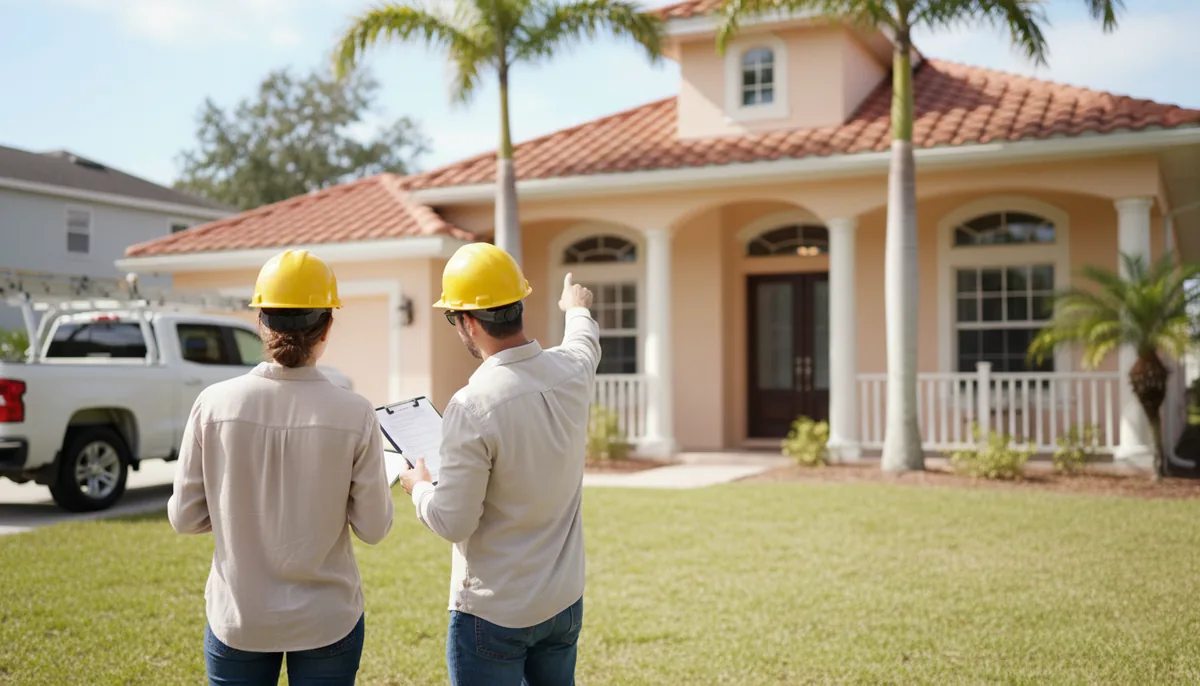
By Shelly Marchetti, Florida homeowner advocate. Reviewed by Hal Winstead, Editor, licensed roofing contractor. The afternoon was hotter than a two-dollar pistol, and I was standing on a roof in Carrabelle with a homeowner who'd waited eleven months to file a claim. The shingles looked like they'd been through a war, but that wasn't the problem. The problem was the date on his hurricane damage. He thought he had three years. He was wrong.
I’m Shelly Marchetti. I help Florida homeowners read the fine print on their quotes, contracts, and insurance denial letters before they sign away their rights or give up entirely. If you’re facing a roof damage insurance claim florida, I want you to walk into that fight with your eyes open. We’re in the middle of hurricane country, and the rules changed under our feet. You can browse residential roofing companies in Florida later, but right now, let’s talk about the part that happens before you hire anyone.
The insurance company will not tell you this, but the single most importent number in your entire claim isn't the deductible. It's the date on the calendar.
The deadline is one year, not three
I of been wrong about this before, so I get why homeowners are slow. For years, a Florida homeowner had three years to file a claim. That is gone. Under Florida Statute 627.70132, as amended in 2022, you have to give your insurer notice of an initial property insurance claim within ONE YEAR from the date of loss. If you're filing a supplemental claim for additional damage discovered later, you have 18 months from the date of loss.
The part that trips everyone up? The clock starts ticking on the day the damage happened, not the day you noticed it. A leak that starts slow and rots your decking for eight months before you spot it? The clock was running the whole time. If you miss that one-year deadline, the insurer has a complete defence, even on a loss that is totally covered. I’ve seen perfectly good claims get tossed in the trash over this issue.
What I would actually do: Write the date of loss on your calendar the day after a big storm. Better yet, file a claim if you have any suspicion. You can always amend it later.
It doesn't "look like" a covered loss, so read your policy
Here's where alot of my clients get stuck. They call me and say, "Shelly, they told me it's not covered." I always ask them to read me the exact wording from their denial letter. More often than not, the letter cites a policy provision that has no bearing on their actual situation. Coverage varies wildly by policy. What is covered on your neighbour's Citizens policy might not be on your private-market one. I can't tell you what your policy covers, but I can tell you to read your declarations page and the actual policy language.
That declaration page is your dictionary. It defines the roof, the dwelling, your deductible (which might be a percentage for wind, not a flat amount), and the limits. It also shows wether you have Replacement Cost Value or Actual Cash Value for the roof. Depends what is under there. You need to know that number before you speak to an adjuster, because the adjuster will ask if you have it and judge your credibility on the answer. And you should not ask a roofer to interpret your policy for you—that's what an attorney or a public adjuster does.
The "25% rule" is not what it used to be, thanks to SB 4-D
If you've owned a Florida home for a while, you've heard about the 25% rule. It used to be that if a roofer repaired more than a quarter of your roof in a year, the building department forced you to bring the whole roof up to current code. That was a huge bargaining chip for full roof replacements. Those days ended with SB 4-D (2022), which changed the game entirely.
Here's how it works now, in plain English. If your roof was built, repaired, or replaced under the 2007 Florida Building Code or any later edition, then a roofer only has to bring the portion they're working on up to current code. No more automatic full-roof replacement. But here is the rub—the 2007 code took effect in March 2009. If your roof went on before that date, the old 25% trigger may still apply. So I have one customer in Panama City with a 2005 roof who gets a total replacement. Her sister in Lynn Haven has a 2012 roof and is getting a patch job. Same storm, same damage, different roofs.
This is not something a roofer can legally decide. The building official makes that call. Don't let a sales rep promise you a full roof if the code says otherwise.
You need a real adjuster, not just a price quote
When the insurer sends their adjuster out, remember who they work for. Their job includes finding a reason to keep the estimate low. I'm not saying they're all dishonest, but the incentives are what they are. Sometimes the initial scoping misses things: a lifted shingle that hasn't leaked yet, or decking that's merely wet but will delaminate in six months.
Roof damage insurance claim florida disputes almost always come down to scope. The insurance company counts shingles. The roofer counts felt and underlayment and flashing. The roofer is usually right about the labour. Pulling a shingle requires a helper on the ground to catch debris. A steep pitch means harnesses and more time. The cost depends on pitch and access. Never let someone quote you a price per square foot without asking how many layers they're tearing off, because that number changes the work entirely.
What I would actually do: When you get the adjuster's estimate, hand it to a licensed roofer and ask for a line-by-line comparison. You aren't looking for a bigger bottom line. You're looking for missing line items. That's what a supplemental claim is for. And you have 18 months to file it.
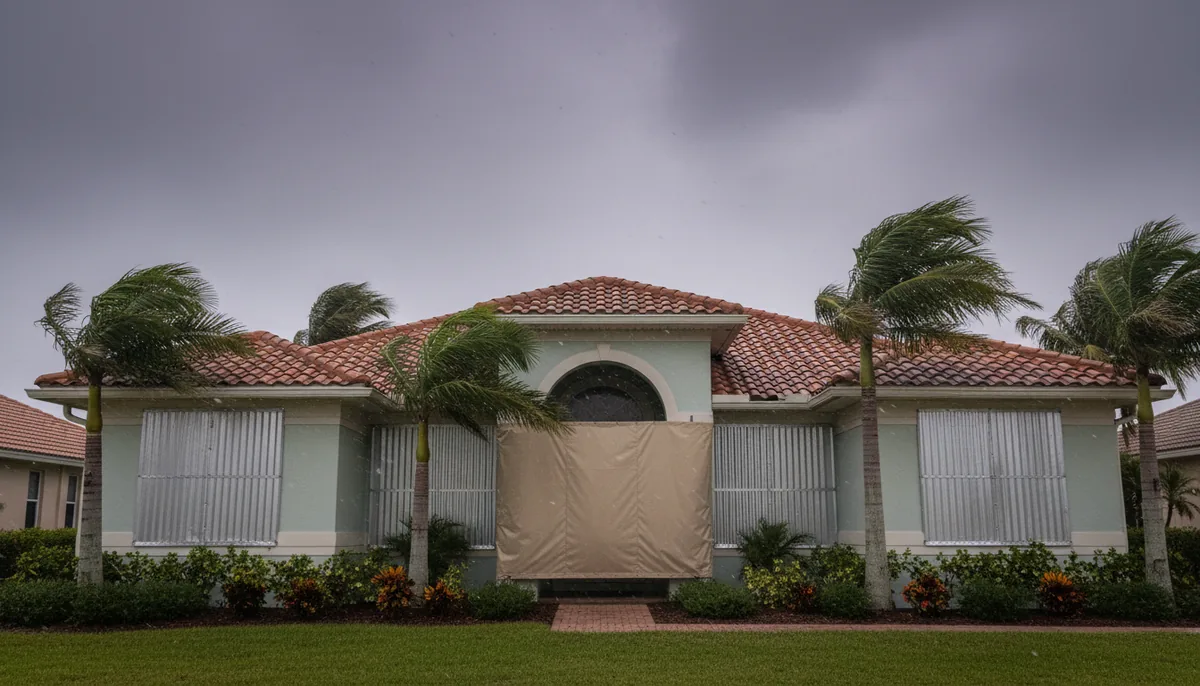
Check the licence before you let anyone on your roof
After a storm, the "storm chasers" show up faster than the roaches. Florida roofing contractors are licensed by the Department of Business and Professional Regulation—the DBPR. A certified roofer has a licence that starts with the prefix CCC and can work anywhere in the state. A registered roofer has a licence that starts with RC, and they can only work in the local jurisdiction that licensed them. Always verify the number is active before you sign anything. The directory lists contractors, and you can double-check them on the DBPR roll. If someone won't give you their licence number, show them the road.
I had a couple in Port St. Joe sign a contract with a "contractor" who had a valid-looking business card but no state licence. The work was terrible. They had no recourse with the state because the guy was never licensed to begin with. You don't want to be that cautionary tale.
Wind mitigation discounts are free money
One thing that almost never gets mentioned at the kitchen table is the wind mitigation inspection. This is not a structural inspection. It documents the roof covering, how the roof deck is attached, the roof-to-wall connection, the roof geometry, whether you have secondary water resistance, and your opening protection. The standard form is the OIR-B1-1802. Florida insurers are required to offer premium discounts for qualifying features.
The inspection costs far less in time than the annual discount it can open up. It’s not a repair. It's a paperwork exercise that can save you hundreds a year. Call it free money, give or take the hundred bucks you'll spend on the inspection. Ask your agent if your policy already has one on file. If it doesn't, get it done.
A word on Citizens and My Safe Florida Home
If you can't find private coverage, you end up with Citizens Property Insurance Corporation, the state-backed insurer of last resort. They are not the devil some people make them out to be, but they are not a discount shop. They are what happens when the market says no. If you're with Citizens, the wind mitigation discount is a big deal to you, because your premium is already high.
Also, look at My Safe Florida Home. That is a state program that has offered free wind mitigation inspections and matching grants to qualifying homeowners for hurricane-hardening work. Funding gets appropriated per cycle and does run out, so never assume the grant is currently available. Just check whether the program is open before you budget for that new roof. You might find some help you didn't expect.
What I would actually do: If your roof is over 15 years old and you live within 30 miles of the coast, get a wind mitigation inspection and a structural review before hurricane season, not in October when every roofer is booked solid.
Questions I get asked
Do I have to get three estimates for the insurance company?
No. Your insurance company has no right to demand three estimates for a property damage claim. What they have a right to is access to the property to inspect. If you want to use your own roofer to help you document the damage, that's your privilege.
What if I missed the one-year deadline?
Tell me you didn't. If you did, call your insurer anyway, but understand that under Florida Statute 627.70132, they can deny the claim based solely on the missed deadline, no matter how severe the damage is. You can file a complaint with the state, but the clock is a hard bar. This is not fair, and I'm sorry.
Can I keep the insurance money and not fix the roof?
That is between you, your lender, and your mortgage contract. Most mortgage contracts contain a clause requiring you to protect the collateral. Those are called "loss payable" clauses. If you don't fix the roof, the lender can force-place coverage or declare your loan in default.
Which is better, a local roofer or a big national company?
The local roofer with a DBPR licence is often going to care more about his reputation in the town where he has to live. But don't hire on that alone. Ask for proof of their GL insurance and workers' comp, and verify their licence number against the DBPR roll. A national company isn't bad, but they will sub-contract the install. You won't know who is on your roof until the truck pulls up.
Does the adjuster need to see the roof before I buy tarps?
No, but you have a duty to prevent further damage. That means if the roof is leaking, you cover it with a tarp to protect the interior. Take as many photos as you can from the ground and from inside the attic, and record the date. Then leave it. Do not have a roofer start tearing off shingles before the insurance adjuster has seen it, or you'll turn a straightforward claim into a coverage dispute over who damaged what.
More from the site
- Florida insurance roof replacement law: What Florida Homeowners Should Know
- Florida roof age requirement insurance: What Florida Homeowners Should Know
- Hail damage roof claim florida: What Florida Homeowners Should Know
- Florida roof building code: What Florida Homeowners Should Know
- Roof damage claim florida: What Florida Homeowners Should Know