Visible exterior roof damage Florida — How Bad Is It, Really?
By Dale Prescott, Roofing contractor, Central Florida. Reviewed by Hal Winstead, Editor, licensed roofing contractor. Maybe it was a Tuesday in Ormond Beach, a few years back. A nor’easter had rolled through and stripped a swath of terra-cotta tiles clean off a 2,400-square-foot hip roof. The homeowner was standing in the driveway when I pulled up, pointing at the bare decking like it was a crime scene. She was right about that. But the real problem wasn’t the thirty or forty missing tiles—that was just the headline. The real problem was what the wind had done to the underlayment underneath, and the quiet way the plywood had soaked up three days of rain before I got there. You can’t see water damage from the curb. That’s the thing that gets you. You can compare roofing companies in Florida before you call anyone.
But let's back up. You’re searching for an answer about visible exterior roof damage in Florida, and you want to know how bad it is, really. I can tell you this: I’ve torn off more storm-damaged roofs than I care to count, and the worst ones rarely look the worst from the street. If you’re looking for a list of names to call, start with the roofing companies in Florida directory. They track licenses against the state roll, which saves you the homework.
Now, let’s talk about what you can actually see.
First thing: what counts as visible exterior roof damage in Florida?
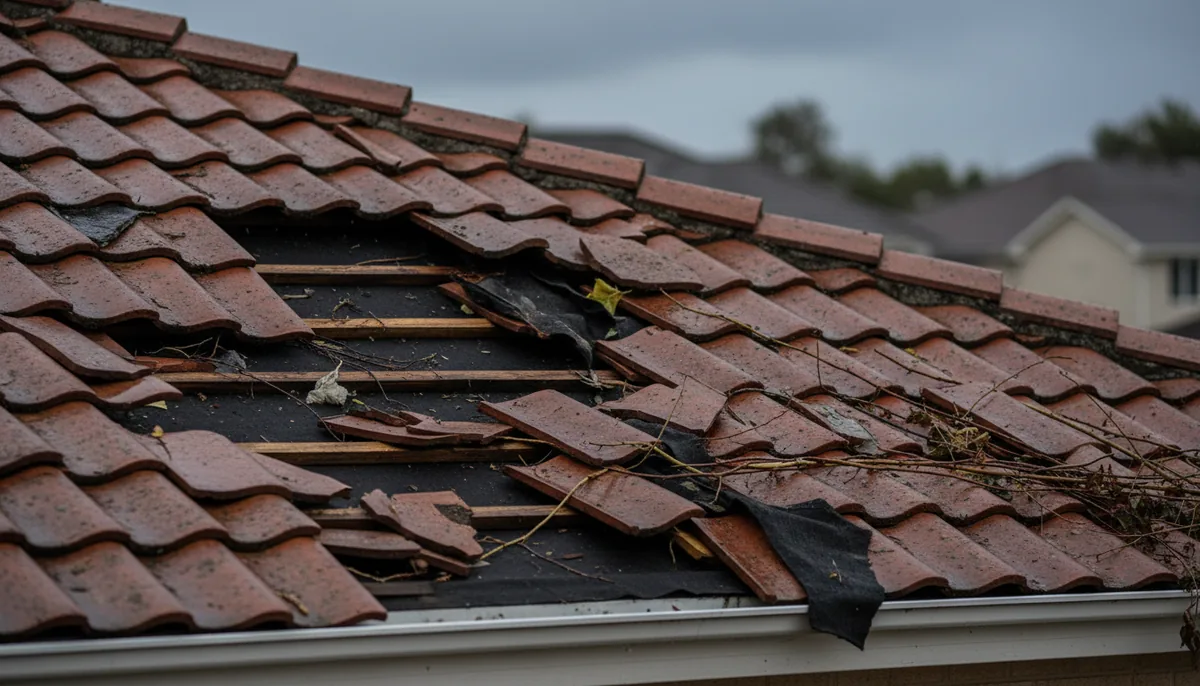
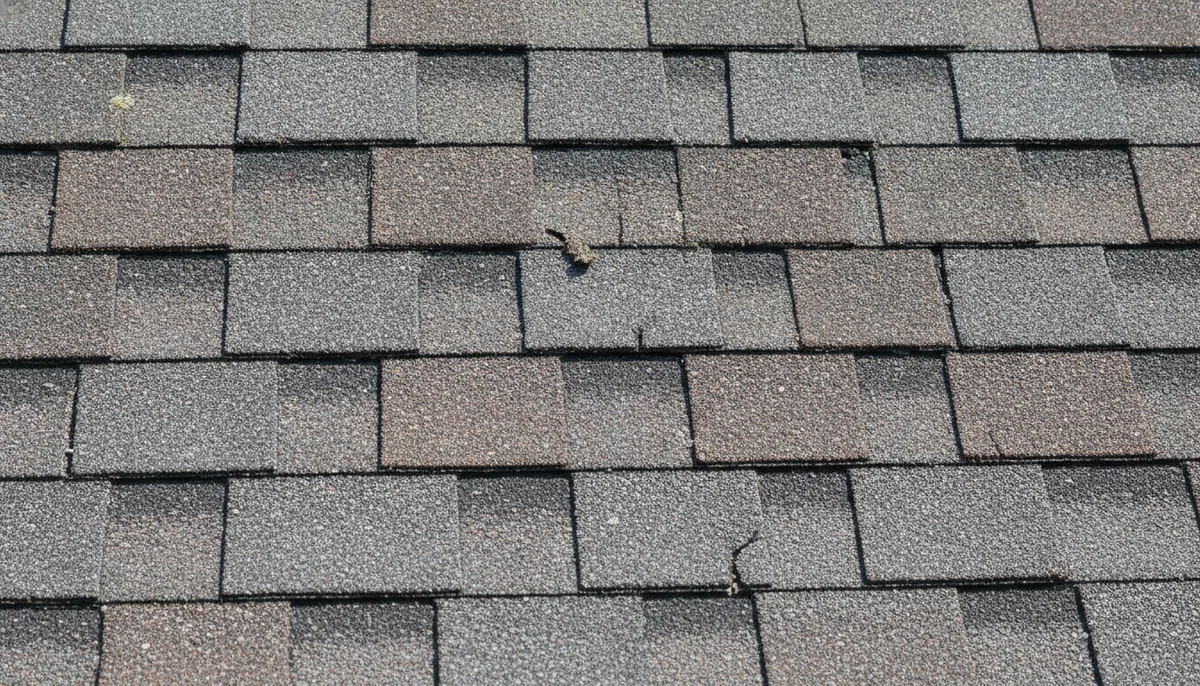
I’m not talking about a single blown-off shingle, though that counts. I’m talking about the stuff you can spot without a ladder, if you squint hard enough. Missing tiles, for sure. Cracked or split shingles that look like a dry riverbed. Granules in the gutter—that’s the sand-like stuff that used to be the protective skin on your asphalt shingles. When you see bare fiberglass mat where there used to be granules, the shingle is done. It’s not a repair. It’s a fossil.
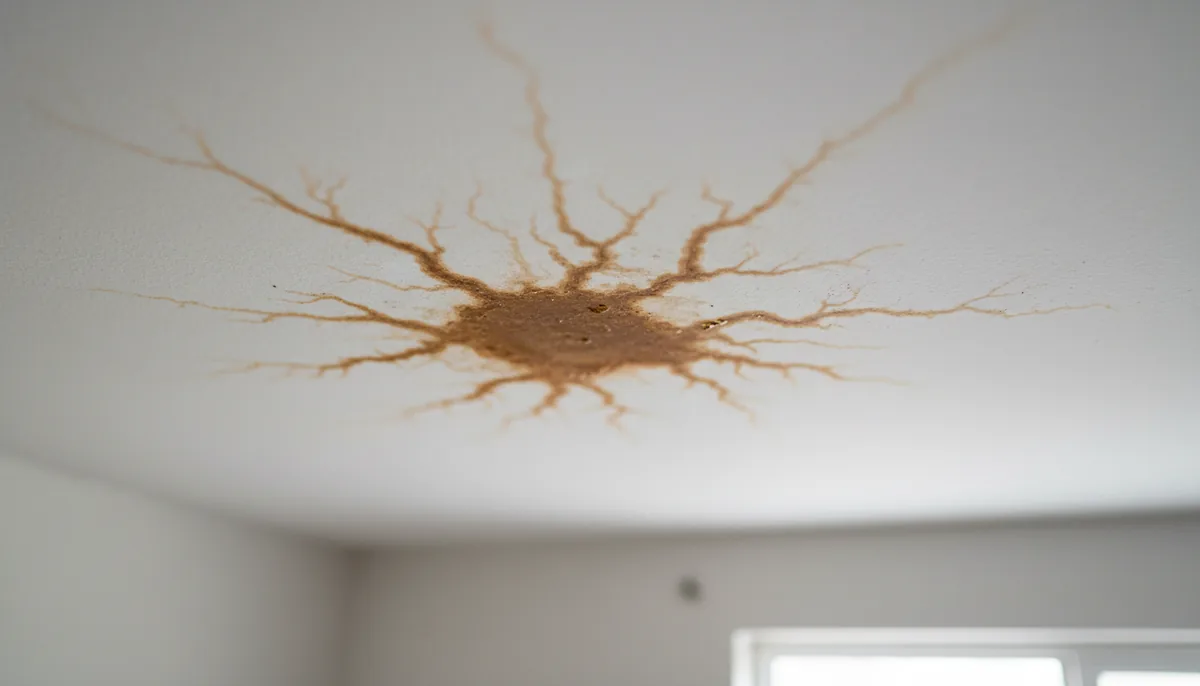
Also look for what I call the “shadow line” on the roof deck. If a section of the roof looks darker, wavy, or like someone spilled a giant cup of coffee on it, that’s moisture trapped under the surface. It might be a sign the deck is starting to rot. Sometimes you’ll see it from the ground as a low spot or a sag. That’s not a cosmetic issue. That’s a structural one. And before you ask—no, I can’t tell you if your specific insurance policy covers it. You have to read your own declarations page for that. I’m a roofer, not a lawyer, and I don't play one on the radio.
What visible damage usually means for the roof below
Here’s the part where I earn my keep. Visible damage is rarely isolated. You lose a few shingles in a spot, and the wind rips them off clean. But if one went, the ones next to it are likely holding on by a thread. I have been wrong about this before, but in my experiance, a shingle that’s cracked along the middle is often loose at the top. Water pushes up under it in a heavy rain, not just down. It gets under the nail heads, and that’s where the rot starts.
In Florida, the heat is the enemy. It bakes the asphalt until it’s brittle. You go out there in March and think, “Well, that little curve in the shingle isn’t so bad.” Then August comes, and you have a tropical storm that blows water sideways, and suddenly you have a wet spot on your ceiling that’s growing by the hour. So when you see visible exterior roof damage in Florida, don’t ask me if it needs fixing. Ask me how deep the water has already gone. The shingle or tile is just the hat on the roof’s head. The hat might be gone, but the head underneath is what you should worry about.
What I would actually do: Get a garden hose and a buddy. Have the buddy stand in the attic with a flashlight while you spray the damaged section in a controlled sweep. Don’t do this if you have a low-slope roof or a flat section. But start there. See if the water shows up in the attic. That tells you more than any ground-level photo ever will.
The 25% rule myth and what SB 4-D (2022) actually changed
There’s a persistent rumor that if you repair more than 25% of your roof, you’re legally forced to replace the whole thing. That's not how it works anymore. For years, the Florida Building Code triggered a full-roof requirement if repairs exceeded a quarter of the roof area in a twelve-month span. The idea was to stop people from just patching the bad parts and leaving the rest of the roof to rot. That was the old rule, call it the “insurance company’s blessing” for alot of full replacements.
But the state legislature changed it. SB 4-D, passed in 2022, shifted the ground. If your roof was built, repaired, or replaced to the 2007 Florida Building Code or any later edition, then the repair you do now only needs to bring the section you’re working on up to current code. You don’t have to take the whole roof off just because a patch job crosses a percentage line. However—and there’s always a however—this doesn’t apply to every roof. If your roof’s original construction predates the 2007 code, which took effect in March of 2009, then you’re still looking at the old trigger. This is where I have to be carefull. I’m not a lawyer, and I don’t need to be one to tell you to check your permit history. If you don't know which code edition your roof was built under, call the local building department, not your neighbor.
The permit catch and the fools who skip it
You’d think this goes without saying, but a roof replacement in Florida requires a permit from your local building department. And a permit means an inspection. I have seen more work than I like to admit where the contractor “forgot” to pull the permit. That’s a scam, plain and simple. An unpermitted roof can blow up an insurance claim later and it will absolutely scare a buyer away when you try to sell. If a contractor offers you a discount to skip the permit, stop talking to them. The price is the only thing that will be cheap.
The same goes for the license. Florida roofing contractors answer to the DBPR, and they carry a license prefix. A certified contractor has a CCC prefix and can work anywhere in the state. A registered contractor has an RC prefix and is only supposed to work in the local jurisdiction that licensed them. I have met more people than I can count who run a crew on a registered license two towns over. It’s not the end of the world until something goes wrong, and then you realize you’re holding a warranty from a guy who was never supposed to be hammering nails in your county in the first place. Don’t just take my word for it. Check the license number against the DBPR roll before you sign anything.
What I would actually do: Call the building department in your city or county and ask for the permit history on your house. It’s usually public record. It takes ten minutes. If there’s no permit for the last roof replacement, that’s a major red flag.
The insurance clock is not your friend
This is the part that gets people in trouble. I’m not an adjuster, and I don’t pretend to be one. But I have learned the hard way that the date you discover the leak is not the date your insurance clock starts. Florida Statute 627.70132, as amended a couple of years back, gives you strict deadlines to notify your insurer about a claim. For an initial or reopened claim, you’re looking at one year from the date of loss. For a supplemental claim—a claim for extra damage you found after the original repair—you have eighteen months. The clock starts from the date of the damage, not the date you found it. A hurricane hits in September, but you don’t climb up there until Thanksgiving because the wheather was bad, and suddenly you’re late. Missing that deadline gives the insurer a complete defense against paying for a covered loss. I have seen it happen.
Officially, you can read more on form OIR-B1-1802, and if you’re dealing with Citizens Property Insurance Corporation, they have their own rules on top of that. The point is, don’t wait. If you see visible exterior roof damage Florida homeowners are bragging about fixing next month, you’re already behind schedule. Call your agent, file the notice, and get a roofer out to take a look at the same time. You don't have to wait for the adjuster to figure out the roof is bad.
What a walk-around actually costs you
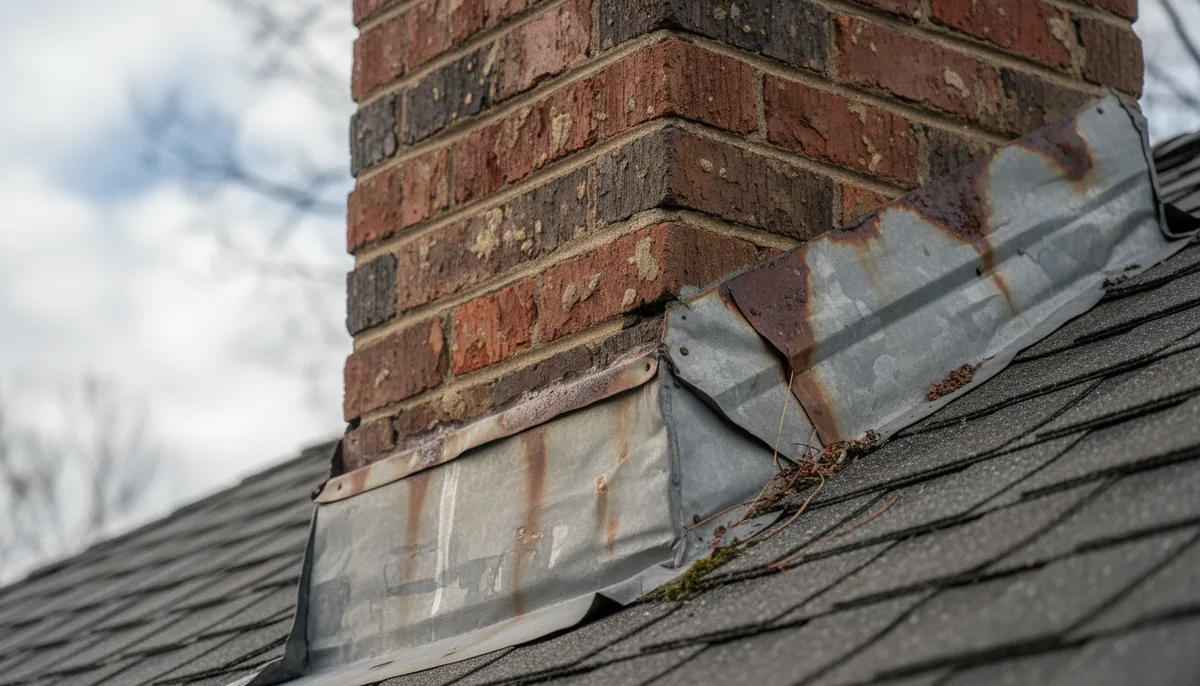
I’m not going to give you a price for a replacement, because it depends on pitch and access, and the square footage of your roof is probably different from your house square footage. But I will tell you this: a visual walk-around is usually free. Get me up on the roof, let me look at the valleys and the pipe boots and the flashing around the chimney. That’s where the leaks start. Show me a roof where the shingles are curling up at the corners like potato chips, and I’ll show you a roof that’s near the end of it's life, even if it’s not leaking yet.
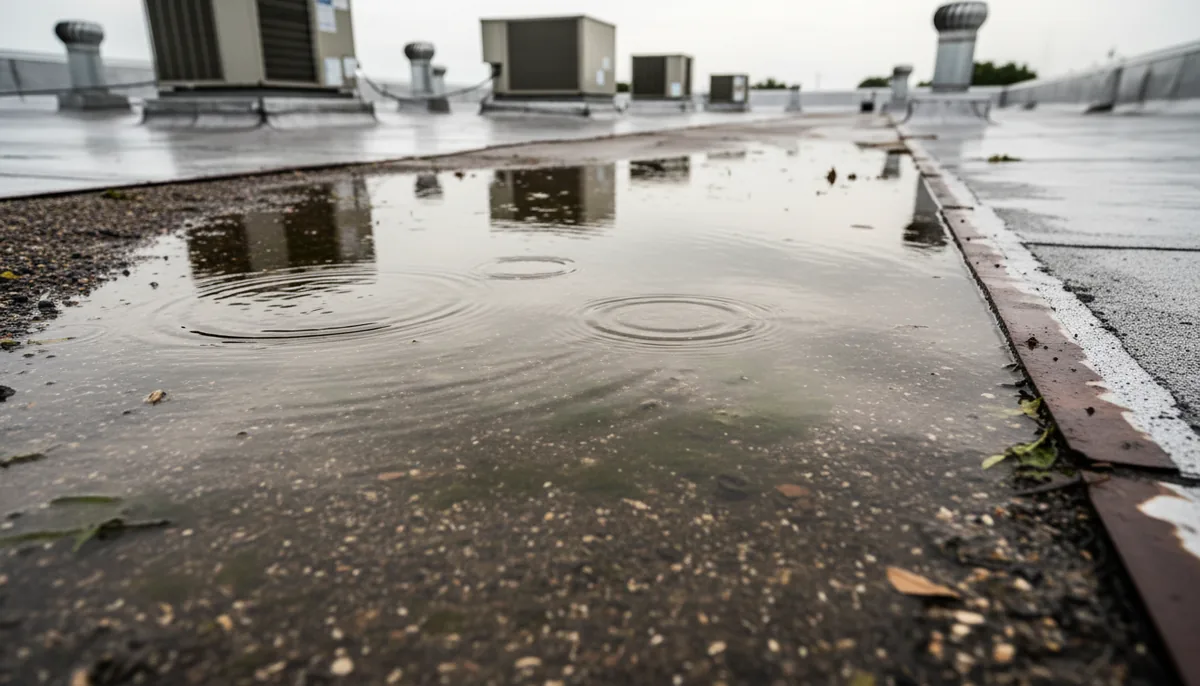
One digression and let’s get back: I had a customer in DeLand who thought she could coat her way out of a roof replacement. She bought five gallons of that rubberized paint stuff and spent a weekend slathering it over a twenty-year-old roof. It lasted until the first hard rain and then the water just sat on the coating in ponds because the roof had lost its proper slope. I’ve seen it all. That’s why I walk roofs, not just look at them from the ladder.
Why the age of the roof matters
I can’t tell you exactly how long any roof will last because the Florida sun is brutal. But here’s a benchmark that’s common if you’re dealing with a standard shingle roof maybe twenty years, give or take. A tile roof can last twice that if the tiles are intact and the underlayment gets changed when it’s supposed to. But the underlayment is the problem. You can’t see it from the ground, and by the time it fails, the deck is already wet. If your roof is over fifteen years old and it’s asphalt shingles, you’re not in “repair” territory for very long. The repairs just start stacking up, and the visible damage keeps coming back. At a certain point, you’re not paying to fix the roof. You’re paying to slow it down.
Questions I get asked
How do I know if I need a full roof replacement or just a repair?
Honestly, you don't. Not from the ground. I climb up, I look for soft spots, I check the fasteners, and then I give you an honest answer. Sometimes it’s a repair. Sometimes it’s a replacement. If the shingles are brittle enough to crack when you bend them, that’s a replacement.
Will my insurance company drop me if I file a claim?
I’m not an agent and I can’t predict underwriting, but I can tell you roof claims are a big deal to insurers in Florida. Read your policy, check the renewal language, and understand your deductible before you file a claim for small damage. If the repair is under your deductible, think twice.
Is the “25% rule” still a thing?
Only if your roof was built before March 2009 and hasn’t been updated since. SB 4-D (2022) changed the trigger for roofs built to the 2007 code or later. You need to know your permit history.
How quickly do I need to call my insurance after a storm?
Call the same week if you can. Florida Statute 627.70132 has a hard one-year deadline from the date of the damage. Don’t wait until you see a leak.
Can I just patch the visible damage myself?
You can. I have also seen what happens when a homeowner “patches” a roof and misses the 40-foot section of torn underlayment that causes a ceiling to collapse in a guest bedroom. Roof work is not siding work. It’s unforgiving.
What if my contractor says I don’t need a permit for a small repair?
Walk away. Even small repairs can trigger a requirement if they touch certain areas. A permit also protects you because it means an inspector is looking over the contractor’s shoulder. No permit, no protection. It’s that simple.